How Stroke Specialists Diagnose the Cause of a Stroke
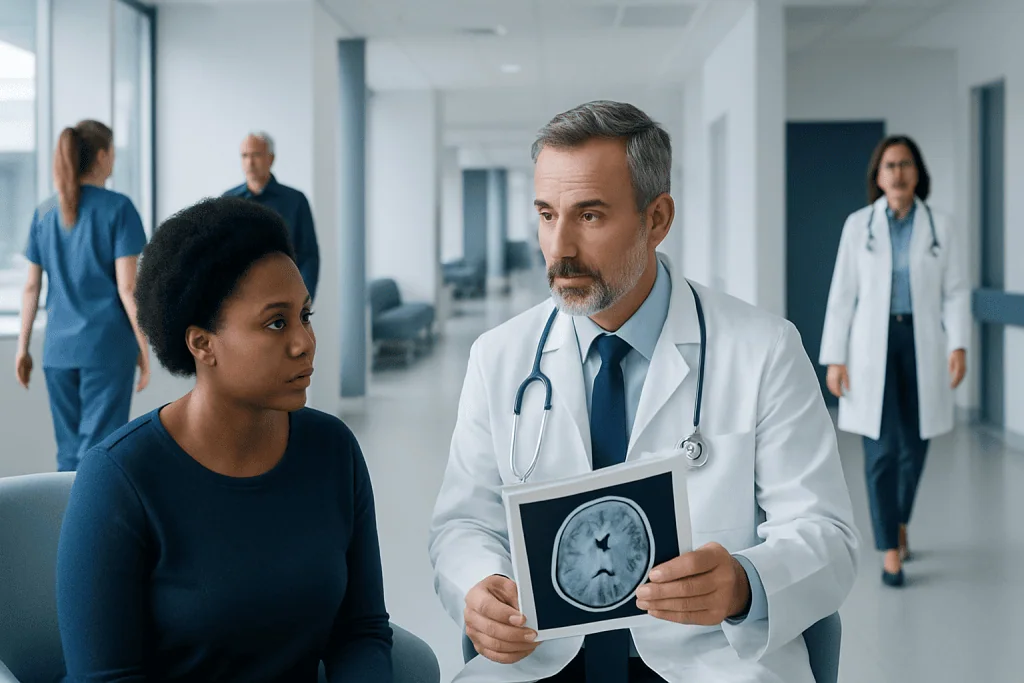
Stroke specialists first confirm the type of stroke because treatment depends on whether it is caused by a clot or bleeding. Brain imaging, blood tests, and heart and blood vessel studies help identify the cause of a stroke.
Key Takeaways
- Stroke specialists first confirm the type of stroke because treatment depends on whether it is caused by a clot or bleeding.
- Brain imaging, blood tests, and heart and blood vessel studies help identify the cause of a stroke.
- Finding the source of a stroke can prevent future strokes and shape recovery planning.
- Some strokes are linked to heart rhythm problems, narrowed arteries, small vessel disease, or less common clotting conditions.
- Fast medical attention is essential for anyone with sudden stroke symptoms.
Stroke diagnosis begins urgently to confirm whether symptoms are caused by a stroke and whether the problem is a blocked blood vessel or bleeding in the brain. Stroke specialists then investigate the underlying cause to guide treatment, reduce the risk of another stroke, and support long-term recovery.
Overview: Why finding the cause of a stroke matters
A stroke happens when part of the brain is suddenly deprived of blood flow or when bleeding occurs in or around the brain. Because brain cells are very sensitive to interruptions in oxygen and nutrients, stroke is a medical emergency. The first goal is to recognize it quickly and begin the right treatment as soon as possible.
Stroke specialists do more than confirm that a stroke has happened. They also work to identify why it happened. This is important because a stroke is not a single disease with one cause. It may result from a blood clot forming in an artery, a clot traveling from the heart, bleeding from a weakened blood vessel, or damage to small blood vessels deep in the brain.
Knowing the cause helps doctors choose the safest and most effective treatment. It also guides prevention. For example, someone with an irregular heart rhythm may need a different long-term plan than someone whose stroke was linked to carotid artery disease or high blood pressure.
In many hospitals, care is coordinated by specialists in stroke medicine, neurology, emergency medicine, neuroradiology, cardiology, and rehabilitation. This team approach helps ensure that diagnosis, treatment, and prevention are addressed together.
How stroke symptoms are recognized first
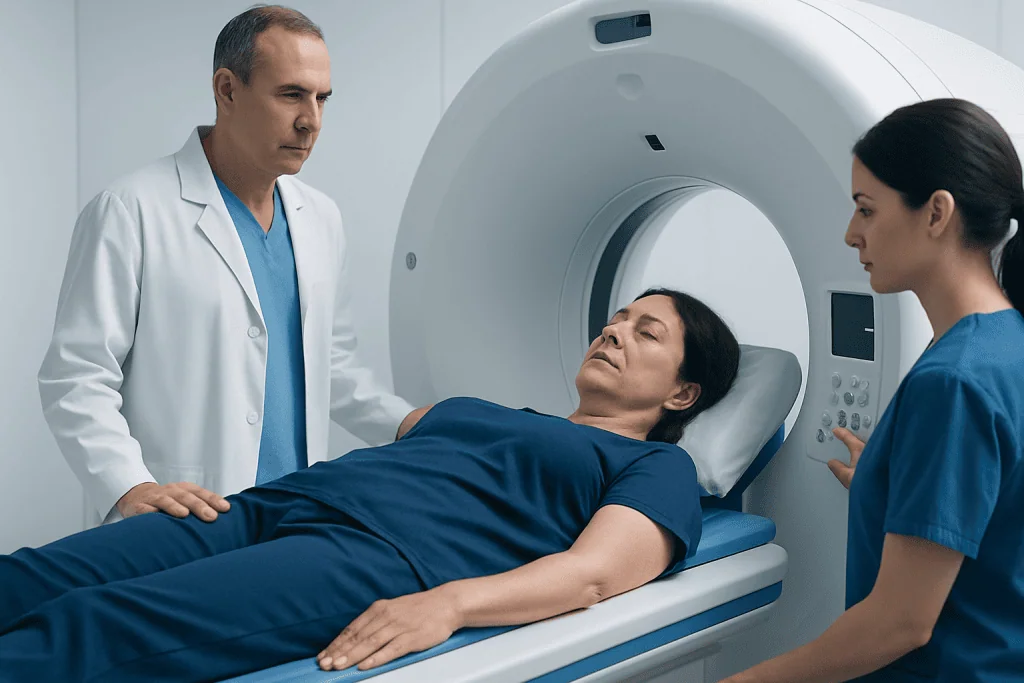
Stroke diagnosis usually starts with symptoms. Common warning signs include sudden weakness or numbness on one side of the body, facial drooping, difficulty speaking or understanding speech, sudden vision loss, loss of balance, severe dizziness, or a sudden intense headache. These symptoms can appear alone or together.
Doctors and emergency teams often use simple bedside assessments to look for signs of stroke. They ask when the person was last known to be well, because the timing of symptoms can affect emergency treatment decisions. A neurological examination checks alertness, speech, strength, sensation, coordination, and eye movements.
Some conditions can mimic stroke, including low blood sugar, seizures, migraine with aura, infections, or certain metabolic problems. This is one reason urgent evaluation is so important. A person should not try to decide at home whether symptoms are “serious enough.” Sudden neurological symptoms always need prompt medical care.
Even if symptoms improve quickly, evaluation is still necessary. A transient ischemic attack, often called a mini-stroke, can be an important warning sign that a larger stroke may follow. Specialists treat these episodes seriously and often investigate them in much the same way as stroke.
The first tests: confirming the type of stroke
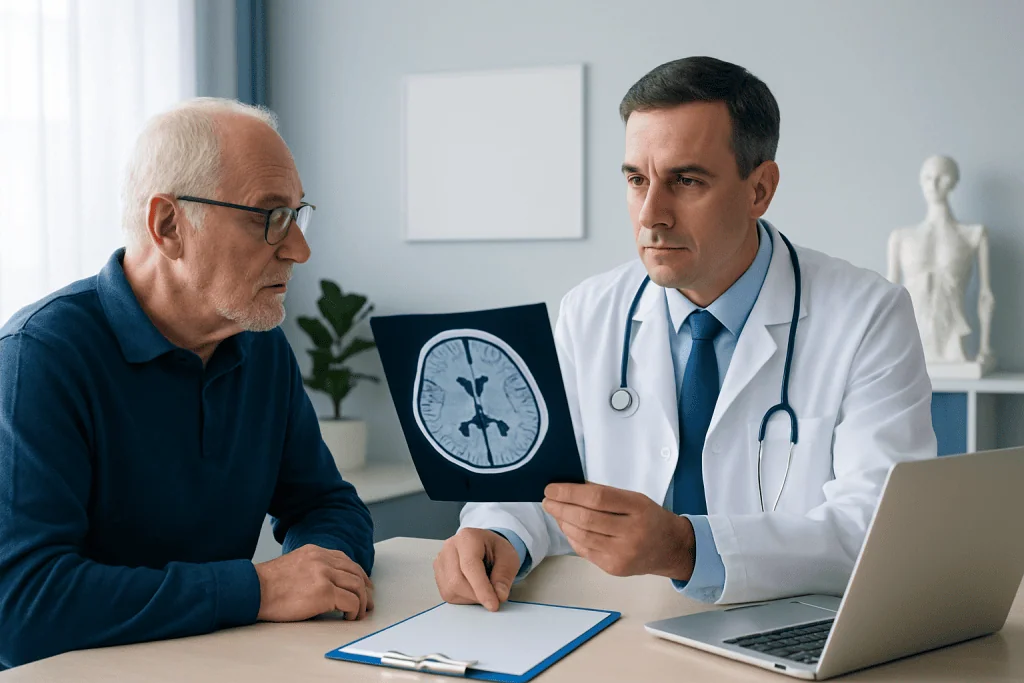
The most urgent question is whether the stroke is ischemic or hemorrhagic. An ischemic stroke is caused by a blocked blood vessel. A hemorrhagic stroke is caused by bleeding. These two types can look similar at first, but the treatments are very different, so imaging is essential.
A non-contrast CT scan of the head is often the first brain scan because it is quick and widely available. It can rapidly show whether bleeding is present. In many cases, doctors may also use MRI of the brain, which can be especially helpful for detecting smaller or very early ischemic strokes.
Additional imaging may be used to look at the blood vessels in the head and neck. CT angiography or MR angiography can show narrowing, blockage, dissection, aneurysm, or other vessel abnormalities. In some situations, advanced imaging can also estimate how much brain tissue is already injured and how much may still be saved with timely treatment.
When a blocked large artery is suspected, specialists may consider emergency procedures such as mechanical thrombectomy in carefully selected patients. If bleeding is found, the focus shifts to understanding its source and controlling factors such as blood pressure or anticoagulant use.
How specialists investigate the cause of an ischemic stroke
Once an ischemic stroke is confirmed, doctors look for where the clot came from and why it formed. One common cause is a clot traveling from the heart, called a cardioembolic stroke. Another is a narrowing or blockage in a neck or brain artery due to atherosclerosis. Small vessel disease, which affects tiny arteries deep in the brain, is also a frequent cause, especially in people with long-standing high blood pressure or diabetes.
Heart rhythm monitoring is often part of the evaluation because atrial fibrillation can cause clots to form in the heart and travel to the brain. Some people have episodes that come and go, so a standard electrocardiogram may not be enough. Depending on the situation, doctors may recommend continuous inpatient monitoring, a portable heart monitor after discharge, or longer-term rhythm assessment.
Ultrasound of the carotid arteries can help show whether the main arteries in the neck are narrowed. CT angiography or MR angiography may provide a more detailed map of blood vessels in the neck and brain. If a significant blockage is found, this can strongly influence treatment and prevention decisions. In selected cases, treatment may involve carotid endarterectomy or carotid angioplasty and stenting.
When the cause is not immediately obvious, specialists may look for less common explanations. These can include blood clotting disorders, inflammation of blood vessels, inherited conditions, arterial dissection, or a passage between the heart chambers called a patent foramen ovale. Sometimes the stroke is labeled cryptogenic, meaning no single clear source is found despite a careful workup.
How hemorrhagic stroke and bleeding causes are diagnosed
If imaging shows bleeding, doctors aim to identify where it started and why. Hemorrhagic stroke may happen within the brain tissue itself or in the space around the brain, called subarachnoid hemorrhage. Common causes include uncontrolled high blood pressure, rupture of an aneurysm, abnormal blood vessels, head trauma, bleeding disorders, or the use of blood-thinning medicines.
CT angiography, MR angiography, or catheter angiography may be used to look more closely at the blood vessels. These tests can help reveal aneurysms, arteriovenous malformations, or other structural problems. The choice of test depends on the pattern of bleeding, the person’s condition, and what the first scan suggests.
Blood tests are also important. They can show whether there is a clotting problem, infection, severe anemia, or another medical issue that may affect bleeding risk or treatment planning. Specialists also review all medicines, including prescription anticoagulants, antiplatelet drugs, and supplements that may influence clotting.
In some cases, further care may involve intensive monitoring, neurosurgical evaluation, or endovascular treatment. The goal is not only to treat the immediate bleeding but also to prevent rebleeding and limit pressure-related damage to the brain.
Other tests used in stroke diagnosis
Stroke evaluation often includes more than brain scans. Blood tests may check glucose, blood count, kidney function, electrolytes, cholesterol, markers related to clotting, and sometimes tests for inflammation or autoimmune conditions. These results can help identify stroke mimics, contributing illnesses, and risk factors that need attention.
Cardiac testing is also common because the heart and brain are closely connected in stroke care. An electrocardiogram looks for rhythm abnormalities. An echocardiogram uses ultrasound to assess the heart’s chambers, valves, and pumping function and may show clots or structural causes that increase stroke risk.
Doctors may order swallowing assessment, especially if speech or weakness problems raise concern for aspiration. Rehabilitation specialists may also assess mobility, language, and cognition early on. This helps the team start safe nutrition plans and begin recovery support without delay.
When the diagnosis remains uncertain, repeat imaging or specialist review may be needed. Some strokes evolve over time, and a repeat MRI or vascular study can clarify findings that were not obvious at the start. Careful follow-up is a normal part of accurate stroke diagnosis.
How the results guide treatment and prevention
Stroke treatment depends on both the stroke type and its underlying cause. In ischemic stroke, doctors may use clot-dissolving medicine in eligible patients or perform stroke treatment procedures aimed at restoring blood flow. In hemorrhagic stroke, management focuses on stabilizing the patient, controlling blood pressure, reversing certain blood thinners when appropriate, and addressing the source of bleeding.
Long-term prevention is just as important as emergency treatment. If atrial fibrillation is found, prevention may center on medicines that reduce clot formation. If carotid artery narrowing is responsible, a procedure may be considered along with intensive management of vascular risk factors. If small vessel disease is the likely cause, control of blood pressure, diabetes, cholesterol, and smoking becomes especially important.
Lifestyle measures support nearly every prevention plan. These may include stopping smoking, being physically active as advised by a doctor, following a heart-healthy eating pattern, limiting excess alcohol, maintaining a healthy weight, and taking prescribed medicines consistently. Follow-up appointments help ensure that the treatment plan remains appropriate as recovery progresses.
For international patients who need coordinated evaluation and follow-up, Acibadem International’s multidisciplinary specialists and JCI-accredited hospitals diagnose and treat stroke using modern imaging, neurological care, and rehabilitation planning tailored to the individual cause.
When to seek urgent medical attention
Anyone with sudden signs of stroke should get emergency medical help immediately. This includes facial drooping, arm weakness, speech difficulty, sudden confusion, sudden vision changes, loss of balance, severe dizziness, or a sudden severe headache unlike usual headaches. It is safer to be evaluated quickly than to wait for symptoms to pass.
Time matters because some stroke treatments are only helpful within specific time windows, and early diagnosis can reduce the risk of lasting disability. Emergency teams can begin assessment on arrival and arrange urgent brain imaging to determine the next steps. Family members or bystanders should note when symptoms started or when the person was last seen well.
After a stroke or transient ischemic attack, follow-up should never be skipped, even if the person feels much better. The cause may still need to be identified, and prevention often requires further testing after the emergency has passed. Ongoing care can also address rehabilitation, emotional health, and practical concerns about returning to daily activities.
People should speak with a qualified doctor if they have stroke risk factors such as high blood pressure, diabetes, smoking, high cholesterol, heart disease, or previous transient neurological symptoms. Managing these conditions early can lower the chance of a first or recurrent stroke.
Frequently asked questions
What is the first test used in stroke diagnosis?
A head CT scan is often the first test because it is fast and can quickly show whether there is bleeding in the brain. Doctors may also use MRI, especially when they need more detail or when an ischemic stroke is suspected but not clearly visible on CT.
Why do doctors need to know the cause of a stroke?
The cause helps determine both immediate treatment and long-term prevention. For example, a stroke linked to atrial fibrillation is managed differently from a stroke caused by carotid artery narrowing or a brain hemorrhage.
Can someone have a stroke even if symptoms go away quickly?
Yes. Symptoms that resolve can still be a transient ischemic attack, which is a warning sign of future stroke risk. Even if the person feels normal again, urgent medical assessment is important.
Do all stroke patients need heart tests?
Many do, because the heart can be the source of blood clots that travel to the brain. Tests such as an electrocardiogram, heart rhythm monitoring, and echocardiography can help identify hidden causes.
What happens if doctors cannot find a clear cause?
Sometimes a stroke is called cryptogenic, meaning no definite source is identified despite careful testing. In that situation, doctors still focus on reducing overall stroke risk and may recommend additional monitoring or follow-up studies.
How quickly should a person seek help for stroke symptoms?
Immediately. Stroke is an emergency, and early treatment can protect brain tissue and improve outcomes. A person should call emergency services right away rather than waiting to see if symptoms improve.
References
- World Stroke Organization
- American Stroke Association
- National Institute of Neurological Disorders and Stroke
- Centers for Disease Control and Prevention
- European Stroke Organisation
This article is for general information only and is not a substitute for professional medical advice. Please consult a qualified doctor about your individual situation.
Explore treatments in Turkey — costs, top hospitals & a free quote
JCI-accredited · board-certified surgeons · reply within 24h
Add us as a Preferred Source to see more of our trusted health content across Google Search, AI Overviews and Discover.
Check your numbers in seconds
BMI, calories, due date, blood pressure and 30+ more clinical calculators — free, instant, doctor-reviewed ranges.