How to Choose a Bone and Joint Center for Surgery or Rehabilitation

A strong bone and joint center offers both surgical and non-surgical care. Specialist experience and a team-based approach matter for outcomes and recovery.
Key Takeaways
- A strong bone and joint center offers both surgical and non-surgical care.
- Specialist experience and a team-based approach matter for outcomes and recovery.
- Rehabilitation services are an important part of treatment, not an afterthought.
- Patients should ask about diagnostics, safety standards, pain management, and follow-up care.
- Clear communication, personalized planning, and practical support can make treatment easier.
Choosing a bone and joint center is about more than location or convenience. The right center combines experienced specialists, accurate diagnosis, coordinated treatment, and strong rehabilitation support to help patients recover safely and confidently.
Overview: What a Bone and Joint Center Does
A bone and joint center evaluates and treats conditions that affect the bones, joints, muscles, ligaments, tendons, and spine. This may include arthritis, sports injuries, fractures, back and neck problems, joint wear, tendon tears, and mobility issues related to age or overuse. Some patients need surgery, while others improve with medication, injections, physical therapy, or lifestyle changes.
The best centers do more than perform procedures. They bring together orthopedic surgeons, physical medicine and rehabilitation specialists, physiotherapists, radiologists, pain specialists, and nursing teams to create a complete care plan. This coordinated approach can make diagnosis clearer, treatment more efficient, and recovery more structured.
When choosing a center, patients should look for a place that can manage the full pathway of care. That includes assessment, imaging, treatment planning, surgery when needed, rehabilitation, and follow-up. A center that offers all of these services in one system can often reduce delays and improve communication between specialists.
When Someone May Need a Bone and Joint Center
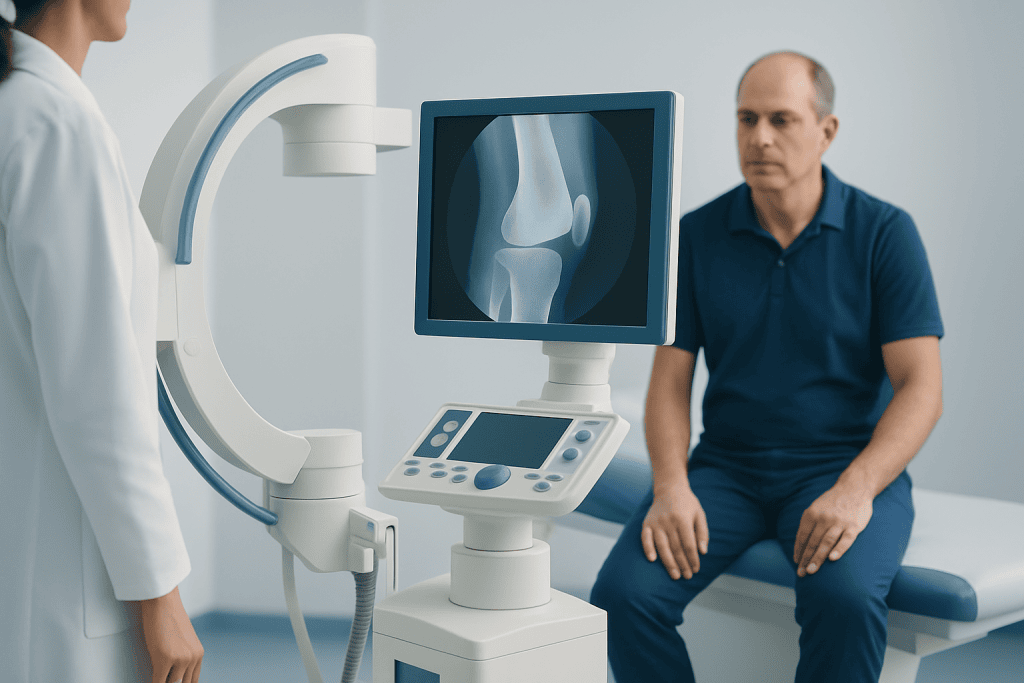
People often seek a bone and joint center when pain, stiffness, weakness, or reduced movement starts to affect daily life. Common reasons include knee pain when walking, hip pain that limits sleep, shoulder problems that make lifting difficult, or back pain that interferes with work and exercise. Athletes and active adults may also need specialist care for ligament injuries, tendon tears, or recurrent joint instability.
Some patients are referred after an injury, such as a fracture, dislocation, or severe sprain. Others attend because a long-term condition is worsening. Examples include osteoarthritis, inflammatory joint disease, spinal disc problems, or old injuries that never healed well. A center may also be appropriate when earlier treatment has not brought enough relief.
In many cases, surgery is not the first or only answer. A high-quality center should be able to explain conservative options clearly and recommend surgery only when it is likely to offer meaningful benefit. This balanced approach helps patients make informed decisions based on symptoms, function, overall health, and personal goals.
What to Look for in a High-Quality Center
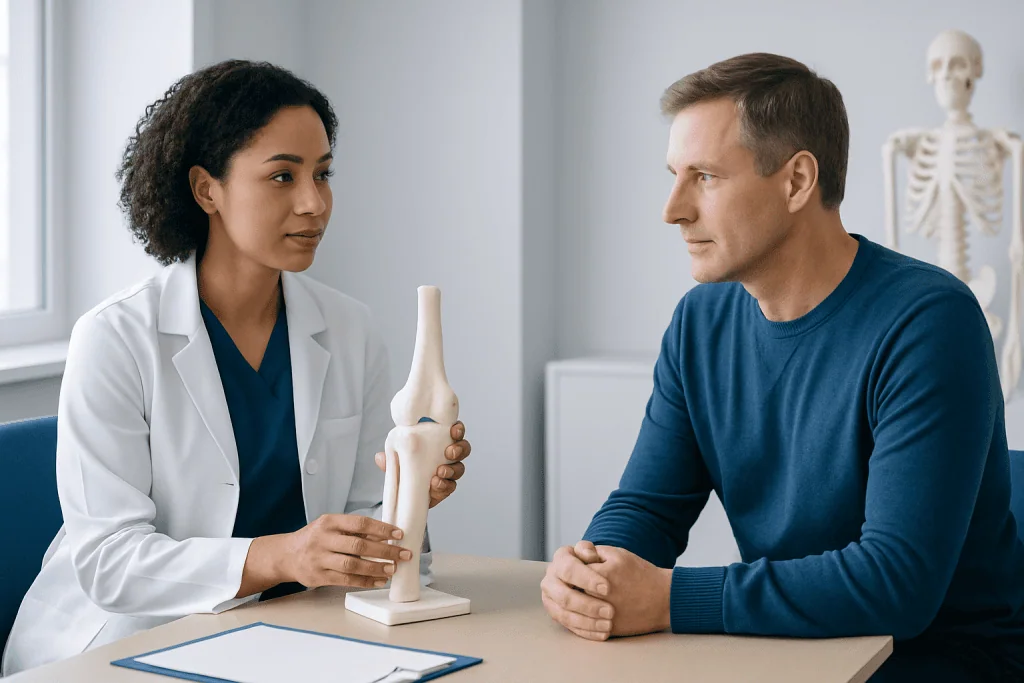
One of the most important factors is expertise. Patients should look for specialists who regularly treat the specific problem involved, whether that is knee arthritis, hip replacement, shoulder instability, hand conditions, spine disease, or sports trauma. Experience with a high volume of similar cases can support better decision-making before, during, and after treatment.
Diagnostics are another key point. A strong center should have access to high-quality X-rays, MRI, CT, ultrasound, and laboratory support when needed. Accurate diagnosis is essential because pain in one area may actually come from another structure. For example, hip disease can sometimes be felt in the knee, and shoulder pain may reflect neck problems.
Patients may also want to ask whether the center offers advanced but appropriate treatment options. Depending on the condition, this can include robotic orthopedic surgery, minimally invasive techniques, image-guided injections, or individualized rehabilitation plans. Technology is helpful when it supports safety, precision, and recovery, but it should not replace thoughtful clinical judgment.
Practical details matter too. A well-organized center provides clear appointment scheduling, understandable explanations, realistic timelines, and reliable follow-up. Patients often benefit from asking:
- Who will be responsible for overall care coordination?
- How are treatment decisions explained and reviewed?
- What rehabilitation services are available on site?
- How are pain management and discharge planning handled?
- What support is available for international or traveling patients?
Questions to Ask Before Surgery or Rehabilitation
Before choosing a center for surgery, patients should ask whether surgery is truly necessary and what alternatives exist. A trustworthy team will explain the expected benefits, possible limitations, recovery process, and potential risks in plain language. They should also discuss how the patient’s age, bone quality, activity level, other medical conditions, and personal goals may affect the treatment plan.
It is also helpful to ask about the surgeon’s experience with the specific procedure. This might include joint replacement, arthroscopy, fracture fixation, tendon repair, or spine surgery. If a patient is considering knee replacement or hip replacement, for example, they may wish to understand how the center plans rehabilitation, prevents complications, and monitors progress after discharge.
For rehabilitation-focused care, patients should ask how therapy is tailored. The answer should include an assessment of strength, range of motion, balance, pain, and daily function. A good program is not one-size-fits-all. It changes over time as a person improves, and it should include practical goals such as walking, climbing stairs, dressing, driving, or returning to sport.
Patients may also want to ask about communication. Will test results be explained clearly? Will they receive written recovery instructions? Is there a contact point for concerns after treatment? Good communication can reduce anxiety and help people take an active role in recovery.
The Importance of Rehabilitation and Aftercare
Rehabilitation is a central part of successful bone and joint treatment. Even when surgery is performed perfectly, recovery still depends on movement, strength, flexibility, balance, and guided healing. For non-surgical conditions, rehabilitation may be the main treatment and can greatly improve pain and function without an operation.
A strong center should integrate rehabilitation early, not only after discharge. Patients often benefit when physiotherapists and rehabilitation physicians are involved in planning before surgery as well as during recovery. This can prepare them for the postoperative period, set expectations, and identify any barriers such as muscle weakness, poor balance, or limited home support.
Aftercare should also include pain control, wound care instructions when relevant, blood clot prevention when indicated, and advice on returning to work, exercise, and travel. For some conditions, the center may coordinate care for related problems such as osteoarthritis or scoliosis, especially when long-term function depends on treating the whole musculoskeletal system rather than a single painful area.
Patients should look for a center that tracks recovery over time. Follow-up visits, rehabilitation reviews, and repeat imaging when appropriate can help make sure healing is progressing as expected. If complications or setbacks occur, timely support is important so that small problems do not become bigger ones.
Safety, Accreditation, and Patient Experience
Safety should be part of every decision. Patients can ask whether the hospital or center follows recognized quality standards, infection prevention protocols, anesthesia safety procedures, and medication checks. Accreditation is one useful sign that a facility is committed to structured quality and patient safety, although it should be considered alongside clinical expertise and patient-centered care.
It is also helpful to understand how emergencies are handled. A center performing surgery should have access to anesthesia, internal medicine support, intensive care when necessary, and prompt imaging or laboratory services. This level of preparation is especially important for older adults or people with conditions such as diabetes, heart disease, or osteoporosis.
Patient experience matters as well. Respectful communication, coordinated appointments, translation support when needed, and a clear explanation of costs and timelines can make the process less stressful. For international patients, assistance with travel planning, accommodation, and follow-up communication after returning home may also be important.
Near the end of the decision process, some patients choose to seek a second opinion. This can be especially useful before major surgery or when recommendations differ. Centers such as Acibadem International, with multidisciplinary specialists and JCI-accredited hospitals, diagnose and treat bone and joint conditions for international patients while coordinating surgery, rehabilitation, and follow-up care.
How to Make the Final Decision
After gathering information, patients can compare centers based on the factors most relevant to their situation. These often include specialist experience, access to diagnostics, range of treatment options, rehabilitation quality, safety standards, and ease of communication. The best choice is usually the one that fits both the medical problem and the patient’s practical needs.
It can help to bring a written list of priorities to the consultation. For one person, the priority may be returning to sport. For another, it may be walking without pain, avoiding surgery if possible, or finding a center experienced in complex revision procedures. Clear priorities help the team recommend the most suitable path.
Patients should feel comfortable asking questions until they understand the plan. They should know what the diagnosis is, why a treatment is being recommended, what recovery may involve, and when improvement should be expected. If explanations remain unclear or rushed, it may be reasonable to explore another opinion.
In the end, choosing a bone and joint center is about trust, expertise, and continuity of care. A center that listens carefully, explains options honestly, and supports rehabilitation as strongly as treatment can help patients move forward with more confidence.
Frequently asked questions
What is the difference between an orthopedic clinic and a bone and joint center?
An orthopedic clinic may focus mainly on consultations and treatment by orthopedic specialists. A bone and joint center usually offers broader, coordinated care that can include imaging, surgery, pain management, physiotherapy, and rehabilitation in one system.
Should a patient always choose a center that offers surgery?
Not necessarily. Many bone and joint problems improve with non-surgical treatment such as physical therapy, medication, activity changes, or injections. A good center should explain both surgical and non-surgical options and recommend the least invasive effective approach when appropriate.
Why is rehabilitation so important after bone and joint treatment?
Rehabilitation helps restore movement, strength, balance, and daily function. It is often essential after surgery, but it is also valuable for many non-surgical conditions. Strong rehabilitation support can influence how well and how safely a person recovers.
How can a patient know if a surgeon is experienced?
Patients can ask whether the surgeon regularly performs the recommended procedure and treats similar conditions. It is also reasonable to ask how the overall care pathway is managed, including rehabilitation and follow-up, because experience involves more than the operation alone.
Is it worth getting a second opinion before surgery?
Yes, especially before major or complex procedures. A second opinion can confirm the diagnosis, review alternatives, and help the patient feel more confident about the plan. It is a common and appropriate part of informed decision-making.
What should international patients ask a bone and joint center?
They may want to ask about translation services, travel planning, expected length of stay, rehabilitation arrangements, and how follow-up will be handled after returning home. Clear communication about records, imaging, and recovery milestones is also important.
References
- World Health Organization
- American Academy of Orthopaedic Surgeons
- National Institute for Health and Care Excellence
- American Physical Therapy Association
This article is for general information only and is not a substitute for professional medical advice. Please consult a qualified doctor about your individual situation.
Joint and spine care in Turkey — expert assessment & treatment
JCI-accredited · board-certified surgeons · reply within 24h
Add us as a Preferred Source to see more of our trusted health content across Google Search, AI Overviews and Discover.