How to Choose a Hospital for Neuromodulation Treatment

Neuromodulation treatment should be planned by a multidisciplinary team with experience in the specific condition being treated. A good hospital offers careful evaluation, patient selection, imaging, device programming, and long-term follow-up.
Key Takeaways
- Neuromodulation treatment should be planned by a multidisciplinary team with experience in the specific condition being treated.
- A good hospital offers careful evaluation, patient selection, imaging, device programming, and long-term follow-up.
- Patients should ask about the hospital’s experience with the specific neuromodulation procedure, not just neurology or surgery in general.
- Clear communication about benefits, risks, alternatives, and recovery is essential before choosing a center.
- International patients should also consider travel planning, rehabilitation access, and support for follow-up care after returning home.
Choosing a hospital for neuromodulation treatment involves more than finding a center that offers the procedure. The best choice is usually a hospital with experienced specialists, strong diagnostic support, clear patient education, and reliable long-term follow-up.
Overview: What Neuromodulation Treatment Involves
Neuromodulation treatment uses targeted electrical stimulation to change how nerves, the spinal cord, or certain brain circuits work. Depending on the condition, it may help reduce symptoms such as pain, tremor, stiffness, movement problems, bladder symptoms, or other neurologic complaints. Some techniques are noninvasive, while others involve an implanted device.
Examples include deep brain stimulation for selected movement disorders, spinal cord stimulation for certain chronic pain conditions, vagus nerve stimulation, sacral neuromodulation, and other device-based therapies. These treatments are not suitable for everyone, and they are usually considered after a thorough assessment and, in many cases, after standard treatments have not provided enough relief.
Because neuromodulation often involves advanced diagnostics, detailed patient selection, surgery or device placement, and long-term programming, hospital choice matters. A strong hospital does not simply perform the procedure; it guides the patient through evaluation, treatment, recovery, and ongoing adjustment of the device when needed.
Why Hospital Choice Matters for Neuromodulation
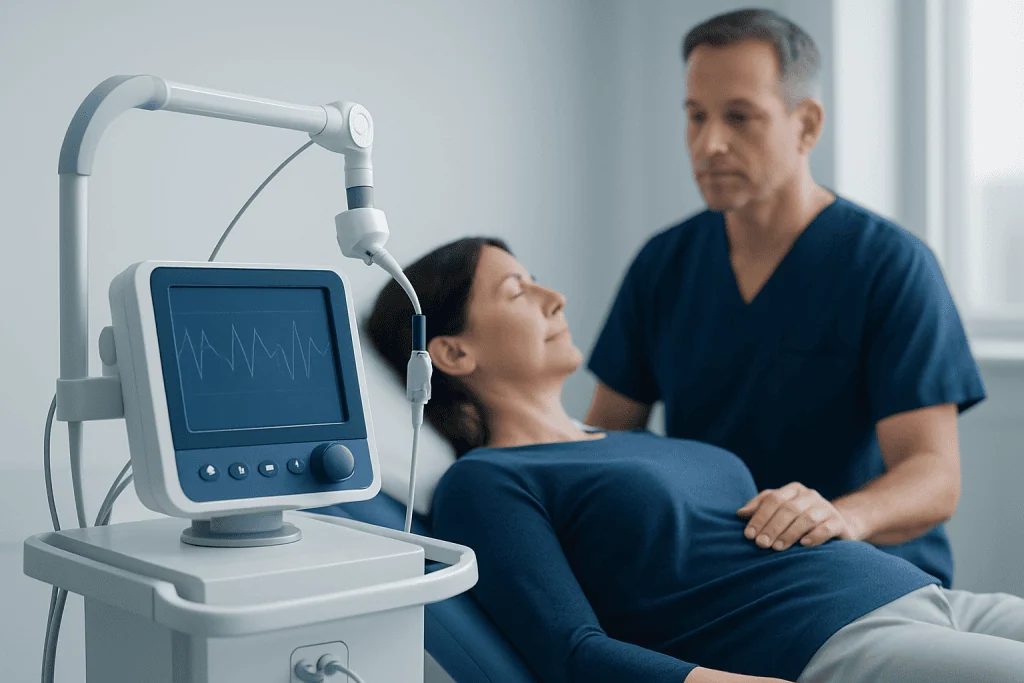
Neuromodulation is highly individualized. Two patients with the same diagnosis may not need the same device, target, or treatment plan. For that reason, the quality of assessment and follow-up can be just as important as the procedure itself. A hospital with a structured neuromodulation program is more likely to offer consistent care at every stage.
Many neuromodulation treatments depend on precise patient selection. The right center will carefully confirm the diagnosis, review previous treatments, assess symptom patterns, and decide whether the expected benefits are realistic. In some cases, a patient may learn that another treatment approach is more appropriate than an implant, which can help avoid unnecessary procedures.
Hospital choice also affects safety. Device-based care may require advanced imaging, anesthesia support, sterile operating rooms, neurophysiology expertise, and experienced postoperative monitoring. After implantation, patients often need programming sessions, medication review, and rehabilitation support. Centers that provide these services in a coordinated way can make treatment smoother and more reassuring.
What to Look for in the Medical Team
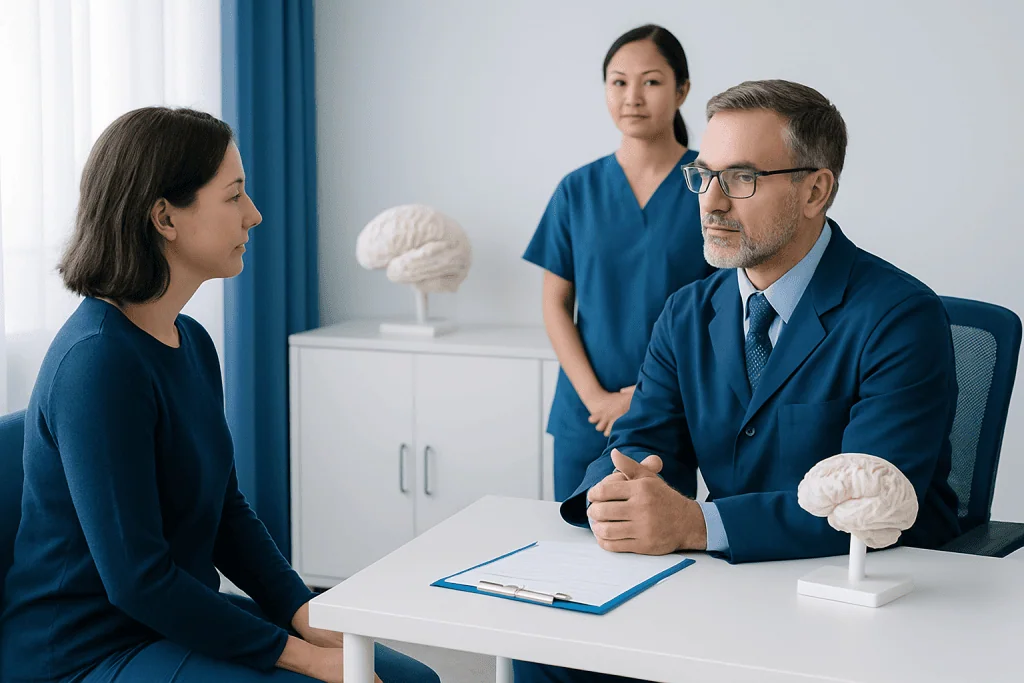
One of the most important signs of a strong neuromodulation hospital is a multidisciplinary team. Depending on the condition, this may include neurologists, neurosurgeons, pain specialists, rehabilitation physicians, neuropsychologists, psychiatrists, urologists, anesthesiologists, radiologists, and specialized nurses. Team-based care helps ensure that treatment decisions are balanced and tailored to the patient’s needs.
Patients should ask whether the hospital regularly treats their specific condition with neuromodulation. Experience in general neurology or surgery is valuable, but the most relevant expertise is experience with the exact therapy being considered. For example, hospitals offering deep brain stimulation for movement disorders should be able to explain how they assess candidacy, choose targets, and manage postoperative programming.
It is also helpful to ask who will provide long-term care. In many neuromodulation treatments, benefit depends on follow-up visits, device checks, and adjustments over time. A good center usually has a clear pathway for communication after discharge, including what to do if symptoms change, side effects develop, or the device needs reprogramming.
- Ask whether care is reviewed by a multidisciplinary board or team.
- Ask which specialist will coordinate the treatment plan.
- Ask who performs device programming and how often follow-up is needed.
- Ask how the hospital handles urgent questions after the procedure.
Questions to Ask About Evaluation and Diagnosis
A careful evaluation is a key part of choosing the right hospital. Before recommending neuromodulation treatment, the center should confirm the diagnosis and review whether other reasonable treatments have already been tried. This process may include a neurological examination, pain assessment, imaging studies, medication review, psychological evaluation, and sometimes test stimulation or other functional assessments.
Hospitals should be able to explain why neuromodulation is being considered, what the treatment is expected to improve, and what it may not change. For example, deep brain stimulation may help selected symptoms in certain movement disorders, but it is not a cure for the underlying disease. In chronic pain care, spinal cord stimulation may be considered for certain patients after a broad pain evaluation and discussion of goals.
Patients may also want to ask whether the hospital has access to related services, such as advanced imaging, neurophysiology, neuropsychology, physical therapy, or speech and swallowing assessment. In some conditions, these services help clarify whether neuromodulation is appropriate and can improve planning before treatment begins. If the condition is complex, a center that already manages related disorders such as Parkinson’s disease may offer stronger continuity of care.
Procedure Quality, Safety, and Technology
When comparing hospitals, patients often focus on the procedure itself, but it is useful to look at the full safety framework around it. A strong neuromodulation center should have established protocols for preoperative assessment, infection prevention, imaging guidance, anesthesia, operating room safety, and postoperative monitoring. These systems help reduce avoidable complications and support a smoother recovery.
Technology can be important, but it should be seen as part of a larger care model rather than the only deciding factor. Image-guided planning, neurophysiologic monitoring, device programming tools, and modern operating facilities can support accuracy and safety. However, technology is most valuable when it is used by an experienced team with clear protocols and sound clinical judgment.
Patients can also ask practical questions about the devices used. Hospitals should explain the type of device, expected battery life or charging needs, MRI compatibility when relevant, and whether future replacements or adjustments may be needed. For some patients, understanding everyday life with a device can be just as important as understanding the implantation procedure.
Follow-Up Care, Rehabilitation, and Life After Treatment
Neuromodulation treatment often continues long after the procedure date. Many implanted devices need programming sessions to find the settings that provide the best symptom control with the fewest side effects. Medication plans may also need adjustment over time. This means the quality of follow-up care is a major factor when choosing a hospital.
Rehabilitation can also play an important role. Patients with movement disorders may benefit from physical, occupational, or speech therapy after treatment. People treated for chronic pain may need a broader rehabilitation plan that supports function, sleep, and daily activity. A hospital that can coordinate these services may help patients get more practical benefit from the therapy.
International patients should ask how follow-up will work after they return home. Some adjustments may require in-person visits, while others can begin with remote guidance. It is helpful to know whether the hospital will coordinate with local doctors and provide a written follow-up plan. Near the end of the care journey, some patients may value that Acibadem International’s multidisciplinary specialists and JCI-accredited hospitals diagnose and treat neuromodulation conditions for international patients with organized cross-specialty care.
Costs, Logistics, and Support for International Patients
Choosing a hospital for neuromodulation treatment also involves practical planning. Patients should ask what is included in the proposed care pathway, such as consultations, testing, surgery, hospital stay, device programming, and early follow-up visits. A clear written plan can help patients compare centers more fairly and understand the likely sequence of care.
For international patients, travel logistics matter. It is important to ask how long the patient may need to stay before and after the procedure, whether a companion is recommended, and what support is available for medical records, translation, and coordination with home-country physicians. These details can affect comfort, continuity, and peace of mind.
Patients should also check whether the hospital has a clear process for emergencies or unexpected issues after discharge. Device-related treatments may occasionally require earlier review, wound assessment, or programming changes. Knowing in advance how to contact the team and what support is available can make treatment feel more manageable and better organized.
How to Make the Final Decision
After reviewing options, patients may find it helpful to compare hospitals across several categories: team expertise, condition-specific experience, quality of evaluation, safety systems, follow-up access, rehabilitation support, and communication. The best center is not always the one that promises the fastest procedure. Often, it is the one that offers the clearest plan and the most appropriate long-term support.
Patients should feel comfortable asking direct questions and taking time to decide. A reliable hospital will explain expected benefits, possible risks, alternatives, and areas of uncertainty in plain language. It should also respect the patient’s goals, lifestyle, and preferences. If answers remain unclear, seeking another expert opinion can be a reasonable next step.
In general, a good neuromodulation hospital is one that combines technical expertise with thoughtful patient selection and ongoing care. When patients understand both the treatment and the support around it, they are better placed to make a decision that fits their medical needs and personal circumstances.
Frequently asked questions
What is neuromodulation treatment?
Neuromodulation treatment uses electrical stimulation to change how certain nerves or brain and spinal cord pathways function. It is used for selected conditions and may help control symptoms when standard treatments have not been enough.
How do patients know if a hospital is experienced in neuromodulation?
Patients can ask whether the hospital has a dedicated neuromodulation program and how often it treats their specific condition with the proposed device or procedure. It is also helpful to ask who is involved in care, how decisions are made, and what follow-up services are available.
Why is follow-up so important after neuromodulation treatment?
Many neuromodulation therapies need adjustment after the procedure to achieve the best symptom control. Follow-up visits may include device programming, medication review, wound checks, and rehabilitation support, all of which can affect treatment success.
Should patients choose a hospital based only on technology?
Advanced technology can be helpful, but it should not be the only factor. The experience of the medical team, the quality of patient selection, safety protocols, and long-term support are usually just as important as the equipment itself.
What should international patients ask before traveling for neuromodulation treatment?
They should ask about the expected length of stay, required tests, postoperative follow-up, and whether a companion is recommended. It is also useful to confirm how the hospital will coordinate care after the patient returns home.
Is neuromodulation a cure?
In most cases, neuromodulation is designed to manage symptoms rather than cure the underlying condition. The goals, expected benefits, and limitations vary by diagnosis, so a specialist should explain what is realistic in each case.
References
- World Health Organization
- National Institute of Neurological Disorders and Stroke
- National Institute for Health and Care Excellence
- International Neuromodulation Society
- American Association of Neurological Surgeons
This article is for general information only and is not a substitute for professional medical advice. Please consult a qualified doctor about your individual situation.
Neuromodulation in Turkey — costs, top hospitals & a free quote
JCI-accredited · board-certified surgeons · reply within 24h
Add us as a Preferred Source to see more of our trusted health content across Google Search, AI Overviews and Discover.