How to Choose a Hospital for Preventive Care and Health Screening

Accreditation, patient safety standards, and experienced specialists are key factors when comparing hospitals for preventive care. The best hospital for screening offers age- and risk-appropriate tests rather than unnecessary examinations.
Key Takeaways
- Accreditation, patient safety standards, and experienced specialists are key factors when comparing hospitals for preventive care.
- The best hospital for screening offers age- and risk-appropriate tests rather than unnecessary examinations.
- Good preventive care includes clear communication, transparent results, and a plan for follow-up if something abnormal is found.
- Location, language support, digital access to results, and appointment coordination can improve the overall screening experience.
- A screening package should be tailored to personal risk factors, family history, sex, and lifestyle.
Choosing a hospital for preventive care and health screening involves more than convenience alone. A good choice combines trusted medical standards, appropriate screening services, qualified specialists, and clear follow-up care.
Overview: What Matters When Choosing a Hospital for Preventive Care
Preventive care helps detect health concerns early, sometimes before symptoms appear. Regular health screening can support early diagnosis of conditions such as high blood pressure, diabetes, high cholesterol, some cancers, and heart disease. When choosing a hospital for this type of care, people often look at cost or convenience first, but overall quality and coordination are just as important.
A well-chosen hospital should provide evidence-based screening, meaning tests are selected because they are appropriate for a person’s age, sex, family history, and health risks. Good preventive care is not about doing every possible test. It is about doing the right tests at the right time and making sure results are explained clearly.
Hospitals may differ in their expertise, technology, patient support, and follow-up systems. A strong preventive care program should make it easy to book appointments, complete the screening process efficiently, and understand what the results mean. If a test shows something abnormal, the hospital should also be able to guide the next steps safely and promptly.
Why Hospital Quality and Accreditation Are Important
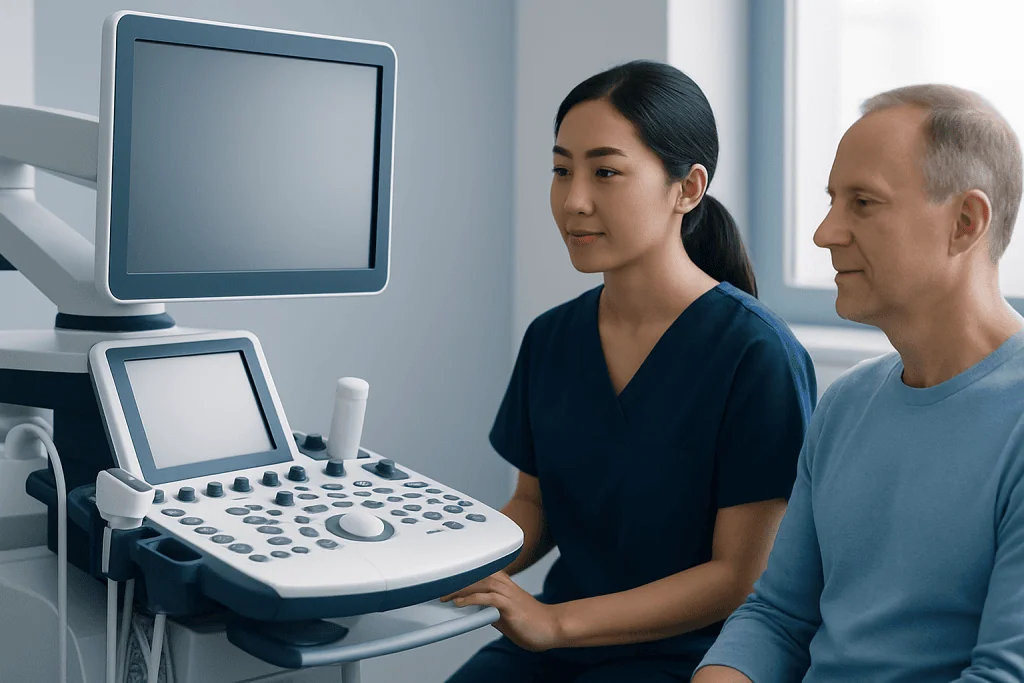
One of the first things to review is whether the hospital is properly accredited and follows recognized quality standards. Accreditation from respected organizations shows that the hospital meets defined requirements for patient safety, clinical care, infection control, and quality improvement. While accreditation does not guarantee a perfect experience, it is an important sign of structured and accountable care.
It is also helpful to look at the hospital’s broader safety culture. This includes how test results are handled, how patient information is protected, how imaging and laboratory services are managed, and whether the hospital has clear procedures for urgent findings. Preventive screening often involves multiple departments, so coordination matters.
Useful points to check include:
- National or international accreditation status
- Experienced physicians in internal medicine, cardiology, gynecology, gastroenterology, radiology, and other relevant specialties
- On-site laboratory and imaging services
- Clear reporting systems and secure access to records
- Availability of multidisciplinary follow-up if needed
For international patients, practical quality markers can also include interpreter services, dedicated patient coordinators, and support with medical records. These features do not replace medical quality, but they can make preventive care more understandable and less stressful.
Services to Look for in a Preventive Health Screening Program
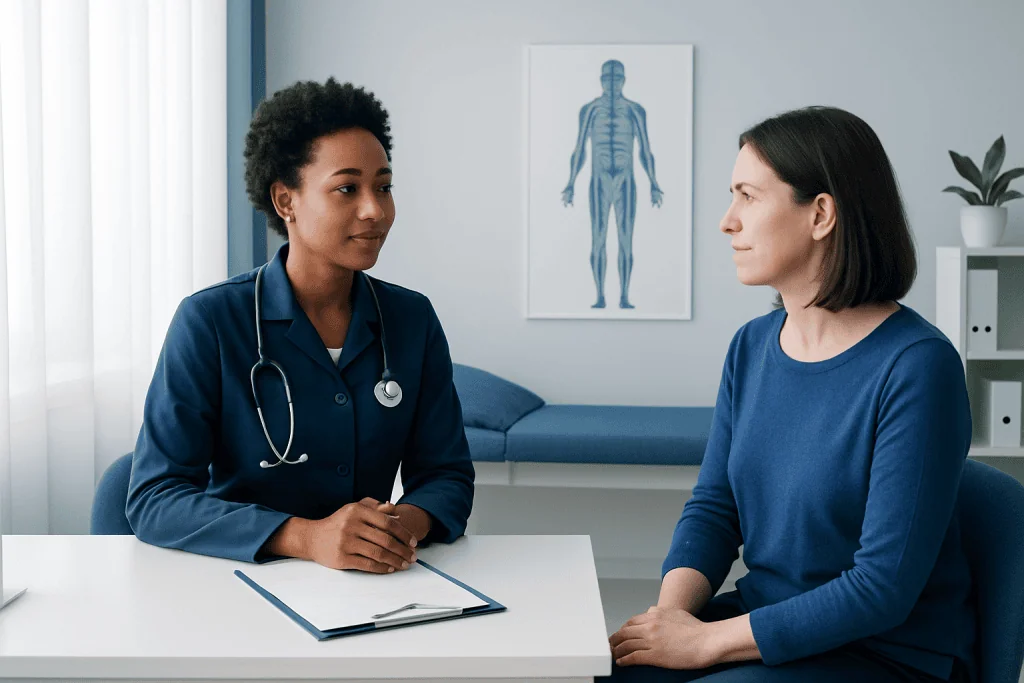
A good screening hospital should offer a structured preventive care program rather than a random list of tests. Most adults benefit from routine checks such as blood pressure measurement, blood tests for glucose and lipids, weight and body composition review, and lifestyle assessment. Depending on age and risk factors, additional tests may include heart evaluation, cancer screening, bone health assessment, and imaging studies.
The best programs are individualized. For example, someone with a family history of colon cancer may need different screening from someone with a history of smoking or diabetes. Hospitals should be able to assess personal risk before recommending a package. This helps avoid both under-screening and unnecessary testing.
Depending on personal needs, a hospital may offer access to services such as comprehensive check-up and screening, cardiology evaluation, or advanced diagnostic imaging. It may also be helpful if the hospital can quickly arrange referrals for findings related to digestive, hormonal, or women’s health concerns.
People should ask whether the program includes a physician consultation before and after testing. This is often one of the most valuable parts of preventive care because it turns test results into meaningful advice on lifestyle, treatment, or further evaluation.
How to Match Screening to Personal Risk Factors
Not every person needs the same screening plan. Age, sex, family history, existing medical conditions, medications, smoking status, alcohol use, activity level, and occupational exposures all affect preventive care needs. A high-quality hospital will ask about these details and tailor the screening accordingly.
For example, a person with obesity, high blood pressure, or a strong family history of heart disease may benefit from a more detailed cardiovascular assessment. Someone with digestive symptoms or a family history of bowel disease may need review for colon cancer risk or referral for further gastrointestinal evaluation. Women may require age-appropriate breast and cervical screening, while men may need counseling about prostate health based on age and risk.
Risk-based planning is especially important because some tests can lead to false alarms if they are used without a clear reason. These results may cause anxiety and trigger more tests that are not always necessary. An experienced preventive care team can explain which screenings are useful, which are optional, and which are not recommended in a particular situation.
People with chronic conditions should also consider how well the hospital can monitor ongoing health concerns. Preventive care often overlaps with early management of problems such as high blood pressure or diabetes, so continuity between screening and treatment is important.
Questions to Ask Before Booking
Asking a few practical questions can help compare hospitals more confidently. A hospital should be able to explain what is included in a screening package, how long the visit takes, and whether a doctor will review results in person. Clear answers usually reflect an organized program.
Patients may also want to ask who coordinates the process. In some hospitals, screening is spread across many departments without a central team, which can make appointments harder to manage. In others, a preventive care unit or patient coordinator helps organize tests, consultations, and follow-up visits efficiently.
Helpful questions include:
- Which tests are included, and why are they recommended?
- Will the screening be tailored to age, sex, and medical history?
- Are lab tests, imaging, and specialist consultations available in one location?
- How and when are results shared?
- What happens if a result is abnormal?
- Is there support for second opinions or further evaluation?
- Are interpreters or multilingual services available if needed?
It is also reasonable to ask about costs, insurance compatibility, and any tests that may require special preparation, such as fasting. Transparent communication helps people feel informed and reduces last-minute surprises.
The Role of Follow-Up, Communication, and Patient Experience
A preventive screening visit is only useful if the results are interpreted properly and followed by clear guidance. Good hospitals provide understandable reports, explain what is normal or abnormal, and identify which findings need urgent attention, routine monitoring, or lifestyle changes. This communication should be patient-friendly and not overly technical.
Follow-up systems are especially important when a screening test shows an unexpected concern. The hospital should be able to arrange additional blood work, imaging, endoscopy, or specialist consultation without unnecessary delay. Depending on the finding, this may include services such as gastroenterology assessment or review by other departments.
Patient experience matters too, although it should not outweigh medical quality. Comfortable facilities, respectful staff, short waiting times, digital access to records, and easy appointment scheduling can make preventive care easier to repeat regularly. These practical details often influence whether a person continues with recommended health checks in the future.
For international patients, support with travel planning, language interpretation, and coordination across specialties can be particularly helpful. Acibadem International’s multidisciplinary specialists and JCI-accredited hospitals provide diagnosis and treatment for international patients who need preventive screening and any necessary follow-up.
Warning Signs of an Inappropriate Screening Program
Not every screening offer is equally useful. People should be cautious if a hospital or clinic promotes a very large package of tests without first considering age, symptoms, or risk factors. More testing is not always better. Some tests can produce incidental findings that may lead to confusion or unnecessary procedures.
Another warning sign is limited medical explanation. If there is no doctor consultation before or after testing, it may be difficult to understand what the results mean. Preventive care should include professional interpretation, not only a printed report or automated summary.
Patients should also be careful if a provider promises certainty, guarantees that disease can always be prevented, or recommends expensive repeat testing without a clinical reason. Reliable hospitals are usually transparent about the benefits and limits of screening. They explain that screening can reduce risk and support early detection, but it cannot predict or prevent every illness.
Finally, consider whether the hospital has a clear plan for abnormal results. A screening center that cannot coordinate next steps may leave patients with unanswered questions. Safe preventive care depends on continuity, not just the initial check-up.
Making a Confident Decision
The best hospital for preventive care is one that combines medical quality, personalized screening, clear communication, and reliable follow-up. People do not need the most extensive package; they need a program that matches their real health needs. Taking time to compare hospitals can make screening more valuable and more reassuring.
It can help to gather records before the appointment, including previous test results, medication lists, vaccination history, and family medical history. This information allows doctors to avoid unnecessary repetition and choose more relevant tests. Preparing questions in advance can also improve the consultation.
Once a hospital is selected, preventive care works best when it becomes part of ongoing health management. Healthy lifestyle changes, regular primary care visits, and repeating recommended screening at the right intervals are just as important as the first hospital visit. A thoughtful choice today can support better long-term health decisions tomorrow.
Frequently asked questions
What is the most important factor when choosing a hospital for preventive care?
There is not one single factor, but accreditation, medical expertise, and appropriate screening services are among the most important. A good hospital should also provide clear explanations, safe testing processes, and follow-up if a result is abnormal.
Should a person choose the hospital with the biggest screening package?
Not necessarily. The best screening program is tailored to personal risk factors and includes tests that are medically appropriate. Very large packages may include tests that are unnecessary for some people.
How can someone know if a screening test is really needed?
A qualified doctor should review age, sex, family history, symptoms, and lifestyle before recommending tests. Evidence-based screening is based on risk and established guidelines, not on a one-size-fits-all package.
Why is follow-up care so important after health screening?
A screening result is only useful if it is explained properly and acted on when needed. Good hospitals help patients understand findings and arrange further evaluation, monitoring, or treatment when appropriate.
Is it better to have all screening tests done in one hospital?
Often, yes. A hospital that offers consultations, blood tests, imaging, and specialist review in one place can improve coordination and reduce delays. It may also make it easier to compare results over time.
What should international patients look for in a screening hospital?
International patients may benefit from hospitals that provide interpreter services, medical coordinators, digital records, and clear communication before travel. Accreditation and specialist access remain the main medical priorities.
References
- World Health Organization
- U.S. Preventive Services Task Force
- Centers for Disease Control and Prevention
- National Institutes of Health
- Joint Commission International
This article is for general information only and is not a substitute for professional medical advice. Please consult a qualified doctor about your individual situation.
Heart care in Turkey — expert evaluation and treatment
JCI-accredited · board-certified surgeons · reply within 24h
Add us as a Preferred Source to see more of our trusted health content across Google Search, AI Overviews and Discover.
Check your numbers in seconds
BMI, calories, due date, blood pressure and 30+ more clinical calculators — free, instant, doctor-reviewed ranges.