How to Choose an OB-GYN: What Matters Beyond ‘Near Me’

Board certification, training, and hospital affiliation are important signs of quality and scope of care. A good OB-GYN should communicate clearly, listen respectfully, and support shared decision-making.
Key Takeaways
- Board certification, training, and hospital affiliation are important signs of quality and scope of care.
- A good OB-GYN should communicate clearly, listen respectfully, and support shared decision-making.
- Practical factors such as location, appointment access, language support, and insurance still matter.
- Care needs may differ for routine gynecology, pregnancy, fertility concerns, menopause, or complex medical conditions.
- A first visit can help a patient decide whether the doctor and clinic feel like the right long-term fit.
Choosing an OB-GYN is about more than convenience. The best fit usually combines strong qualifications, clear communication, accessible care, and an approach that matches a woman's stage of life, health needs, and personal preferences.
Overview: Why Choosing an OB-GYN Matters
An obstetrician-gynecologist, or OB-GYN, is a doctor who cares for women across many stages of life. This can include preventive checkups, contraception, menstrual concerns, pregnancy care, menopause support, and evaluation of gynecologic symptoms. Because the relationship may continue for years, choosing the right specialist is an important health decision rather than a simple search for the nearest clinic.
Location is still useful, especially for routine visits or pregnancy follow-up. However, convenience alone does not show whether a doctor has the right training, communication style, hospital support, or experience for a woman’s specific needs. Looking beyond “near me” can help a patient find care that feels safer, more coordinated, and more personal.
There is no single best OB-GYN for everyone. A woman may prefer a doctor with a particular subspecialty interest, a clinic with easy scheduling, or a care team that offers another language, telemedicine, or female physicians. The goal is to choose someone qualified and trustworthy whose approach fits both medical needs and personal comfort.
What an OB-GYN Can Help With
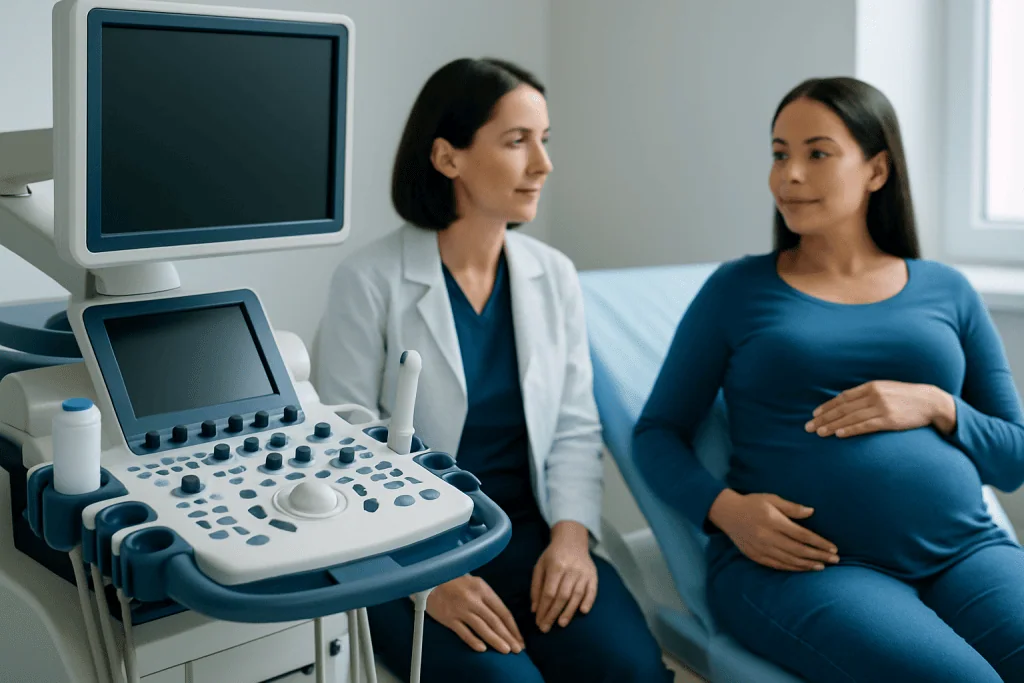
Many people first think of pregnancy when they hear OB-GYN, but these specialists provide much broader care. Obstetrics focuses on pregnancy, childbirth, and postpartum health. Gynecology covers reproductive and sexual health, including routine screenings, pelvic pain, vaginal symptoms, menstrual changes, and menopause.
An OB-GYN may also coordinate care for conditions such as uterine fibroids, ovarian cysts, endometriosis, abnormal bleeding, and cervical changes. Some women need support with family planning, fertility evaluation, or high-risk pregnancy concerns. Others are looking mainly for preventive care, including Pap testing when appropriate, breast health guidance, vaccination counseling, and general reproductive health advice.
Understanding the reason for seeking care can make the search easier. A person planning a pregnancy may prioritize delivery hospital access and emergency coverage, while someone dealing with chronic pelvic pain may value diagnostic expertise and access to minimally invasive procedures. If symptoms suggest a specific condition such as endometriosis or uterine fibroids, it can be helpful to ask whether the doctor regularly evaluates and treats these problems.
Credentials and Clinical Experience to Look For

One of the first things to check is whether the doctor is licensed and board certified in obstetrics and gynecology. Board certification generally means the physician has completed specialist training and passed recognized exams in the field. It does not guarantee a perfect fit, but it is an important quality marker.
Training background and clinical experience also matter. Some OB-GYNs focus mostly on routine gynecology, while others have stronger experience in pregnancy care, adolescent gynecology, menopause, fertility-related evaluation, or gynecologic surgery. A woman with a complex history, such as prior cesarean delivery, recurrent miscarriage, severe endometriosis, or multiple medical conditions, may benefit from asking how often the doctor manages similar situations.
Hospital affiliation is another practical point. If pregnancy care or surgery may be needed, patients can ask which hospital the physician uses, whether that hospital has neonatal and emergency support, and how after-hours problems are handled. For women who may need advanced procedures, it is reasonable to ask whether the doctor offers or can refer for options such as laparoscopic surgery or hysteroscopy when medically appropriate.
Some patients also value a team-based setting that includes midwives, nurses, maternal-fetal medicine specialists, fertility experts, pelvic floor therapists, or breast imaging services. Strong collaboration can be especially helpful when care needs change over time.
Communication, Trust, and Personal Comfort
Even a highly qualified doctor may not be the right choice if communication feels rushed or dismissive. OB-GYN visits often involve sensitive topics such as bleeding, sexual health, contraception, infertility, pregnancy loss, or intimate examinations. Patients should feel able to ask questions and discuss concerns without embarrassment or pressure.
During a first interaction, it can help to notice whether the doctor listens fully, explains options clearly, and respects personal values. Good care usually includes shared decision-making. This means the physician provides evidence-based recommendations while also taking the patient’s goals, comfort level, and preferences seriously.
Language access and cultural sensitivity can make a major difference. If a woman prefers care in a specific language or wants support that aligns with cultural or religious considerations, she can ask about interpreter services, female clinicians, or clinic policies related to privacy and family involvement.
Personal comfort is not a small detail; it can affect whether someone returns for follow-up and preventive care. If a patient leaves a visit feeling unheard, confused, or uneasy, seeking a second opinion or another doctor is reasonable and sometimes wise.
Practical Factors Beyond Distance
Convenience still matters, but it includes more than travel time. A well-located clinic may not be helpful if appointment waits are very long, urgent questions are hard to answer, or test results are delayed. Patients can ask how quickly routine and urgent visits are usually available, whether telehealth is offered, and who responds to messages after office hours.
Insurance coverage, expected out-of-pocket costs, and referral requirements are also worth checking early. This can prevent surprise expenses and make it easier to plan ongoing care, especially during pregnancy when visits become more frequent. If surgery, imaging, or laboratory testing may be needed, it is useful to know whether these services are coordinated within the same network.
For pregnant patients or those considering pregnancy, practice structure is especially important. Some clinics have several doctors who share call schedules, which means the physician seen in the office may not always be the one available during labor. Asking how delivery coverage works can help set realistic expectations.
Other practical details may influence comfort and continuity of care:
- Ease of scheduling and rescheduling appointments
- Access to same-day help for urgent symptoms
- Availability of ultrasound, lab testing, or imaging
- Clean, private, and organized clinic environment
- Support staff who are respectful and responsive
- Digital access to records, prescriptions, and test results
Matching the Doctor to Stage of Life and Health Needs
The right OB-GYN for a teenager may not be the same as the right OB-GYN for someone trying to conceive, recovering after childbirth, or managing menopause symptoms. Different life stages bring different priorities. A younger patient may want a doctor who is especially comfortable discussing periods, vaccination, body changes, and contraception in a reassuring way. Someone in midlife may focus more on bleeding changes, bone health, pelvic floor issues, and hormone-related symptoms.
Women with particular medical concerns may want to ask more targeted questions. For example, a patient with heavy bleeding may ask how the doctor evaluates structural causes and whether office procedures are available. A person with a history of infertility or pregnancy loss may prefer a physician who works closely with fertility and IVF services when referral is needed. Someone with suspicious imaging or breast symptoms may need prompt coordination with breast cancer treatment specialists if further testing suggests that pathway.
Pregnancy planning deserves special attention. Women with diabetes, thyroid disease, high blood pressure, autoimmune conditions, or previous pregnancy complications may benefit from preconception counseling. In those cases, asking whether the doctor collaborates with high-risk pregnancy specialists can be important.
It is also helpful to think about future needs, not only today’s reason for booking. A doctor who can provide continuity from routine gynecology to pregnancy care, and later to perimenopause or menopause, may offer a more stable long-term relationship.
Questions to Ask at the First Appointment
A first visit is not only for examination or testing. It is also a chance for the patient to assess whether the doctor and clinic are a good fit. Preparing a short list of questions can make the visit more productive and less stressful.
Useful questions may include how the doctor approaches preventive care, whether they have experience with a specific symptom or diagnosis, what tests they recommend and why, and how they handle urgent concerns between appointments. Pregnant or pre-pregnancy patients can ask about hospital affiliation, labor coverage, cesarean rates at the hospital, and access to specialist support if complications arise.
Patients should also pay attention to how information is explained. A clear plan, understandable language, and openness to questions are good signs. If treatment options are discussed, the doctor should explain benefits, risks, and alternatives without pressure.
Bringing previous records, a medication list, and details about menstrual cycles, pregnancies, surgeries, or family history can help the doctor give more tailored advice. For international patients or those seeking coordinated specialty care, Acibadem International’s multidisciplinary specialists and JCI-accredited hospitals also diagnose and treat women’s health conditions across gynecology, fertility, and obstetric care.
When to Change Doctors or Seek a Second Opinion
Not every doctor-patient match works well, and changing doctors can be appropriate. Reasons may include difficulty getting appointments, repeated communication problems, feeling dismissed, unclear explanations, or discomfort during examinations or treatment planning. Trust is central in women’s health care, and patients should not feel obligated to stay in a setting that does not meet reasonable needs.
A second opinion can be especially useful when surgery is being recommended, when symptoms continue without a clear diagnosis, or when treatment choices feel confusing. This does not mean the first doctor is necessarily wrong. It is simply a way to confirm options and support informed decision-making.
Women should seek prompt medical attention for urgent symptoms such as severe pelvic pain, heavy bleeding, fever with pelvic symptoms, fainting, chest pain, or possible pregnancy complications. In these situations, speed matters more than continuity with a preferred clinic.
Over time, the best OB-GYN relationship is one built on safety, respect, and continuity. Looking beyond “near me” can help a woman choose a specialist who supports both everyday health needs and major life events with confidence and compassion.
Frequently asked questions
What is the difference between a gynecologist and an OB-GYN?
A gynecologist focuses on women's reproductive health, including periods, contraception, pelvic symptoms, and menopause. An OB-GYN provides gynecology care and also manages pregnancy, childbirth, and postpartum care. Many women choose an OB-GYN because it offers continuity if pregnancy becomes part of their future plans.
How important is it to choose an OB-GYN close to home?
Location is helpful, but it should not be the only factor. Qualifications, communication, access to urgent care, and hospital affiliation may be even more important. For pregnancy, a practical location becomes more relevant because appointments are more frequent later on.
Should a woman choose a female OB-GYN?
There is no medical rule that a woman must choose a female OB-GYN. Some patients feel more comfortable with a female doctor, while others focus more on experience, communication, and availability. The best choice is the doctor with whom the patient feels respected, heard, and at ease.
What credentials should a patient check before booking?
It is sensible to check that the doctor is licensed and board certified in obstetrics and gynecology. Patients may also look at training background, hospital affiliation, and experience with specific concerns such as pregnancy complications, surgery, endometriosis, or menopause. These details help show whether the doctor is a good fit for individual needs.
When should someone seek a second opinion from another OB-GYN?
A second opinion may be helpful if surgery is suggested, symptoms are ongoing without a clear explanation, or the treatment plan feels uncertain. It is also reasonable when a patient feels rushed, unheard, or uncomfortable with communication. Another expert perspective can support more confident decisions.
What should a patient bring to the first OB-GYN visit?
Helpful items include a list of medications, past medical and surgical history, menstrual details, pregnancy history, and any previous test results if available. Writing down questions in advance can also make the visit more useful. If language support is needed, the patient can ask the clinic about interpreter services before the appointment.
References
- World Health Organization
- American College of Obstetricians and Gynecologists
- Centers for Disease Control and Prevention
- National Institutes of Health
- Office on Women's Health
This article is for general information only and is not a substitute for professional medical advice. Please consult a qualified doctor about your individual situation.
Explore treatments in Turkey — costs, top hospitals & a free quote
JCI-accredited · board-certified surgeons · reply within 24h
Add us as a Preferred Source to see more of our trusted health content across Google Search, AI Overviews and Discover.