

How to Choose the Right Dementia Doctor
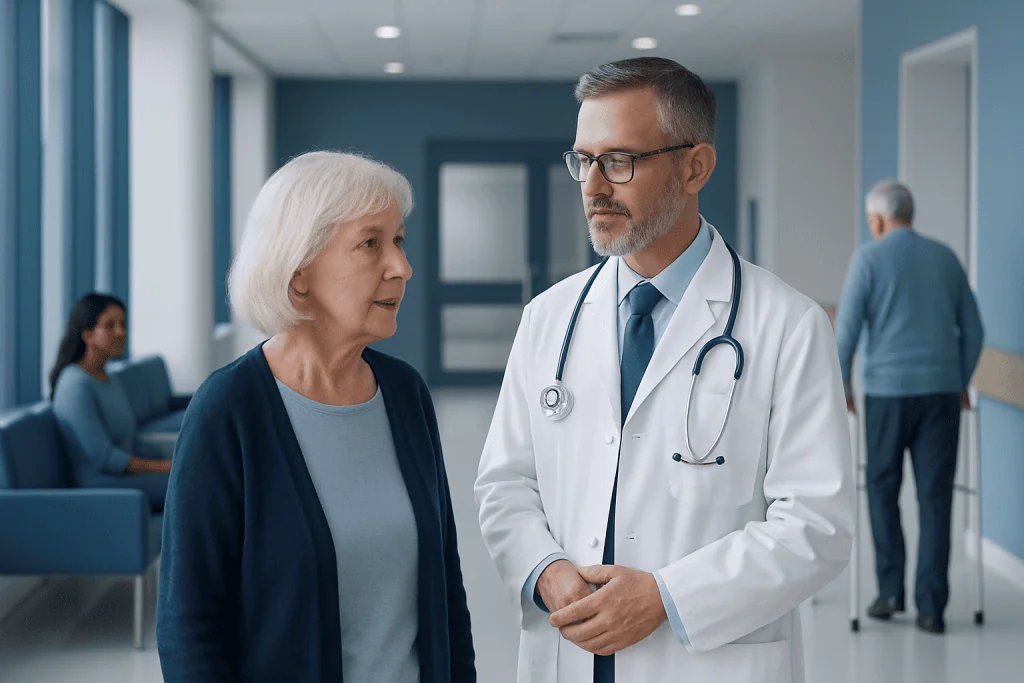
A dementia doctor may be a neurologist, geriatrician, psychiatrist, or another specialist with memory-disorder expertise. An early, accurate assessment helps identify reversible causes of memory problems and the specific type of dementia.
Key Takeaways
- A dementia doctor may be a neurologist, geriatrician, psychiatrist, or another specialist with memory-disorder expertise.
- An early, accurate assessment helps identify reversible causes of memory problems and the specific type of dementia.
- The right doctor should communicate clearly, involve caregivers, and coordinate long-term care.
- Patients and families benefit from asking about experience, testing, treatment planning, and follow-up.
- A multidisciplinary team is often the most helpful approach for complex or progressing dementia.
Choosing the right dementia doctor can help a person receive an accurate diagnosis, clear treatment planning, and ongoing support as needs change. The best fit often depends on symptoms, age, overall health, and whether care is needed for diagnosis, treatment, day-to-day management, or all three.
Overview: Why the Right Dementia Doctor Matters
Dementia is not a single disease. It is a general term for symptoms that affect memory, thinking, language, behavior, and everyday function. Because these symptoms can have different causes, choosing the right doctor is an important step toward understanding what is happening and what care may help.
Some memory changes are related to stress, depression, sleep problems, medication side effects, vitamin deficiencies, or other medical conditions. Others may be linked to conditions such as Alzheimer’s disease or other neurodegenerative disorders. A doctor with experience in cognitive disorders can help tell these apart and recommend an appropriate plan.
The right dementia doctor does more than make a diagnosis. This clinician often guides treatment, monitors changes over time, addresses safety and daily functioning, and helps families plan for the future. For many people, the best care comes from a doctor who listens carefully and works closely with caregivers and other specialists.
Which Doctors Diagnose and Treat Dementia?
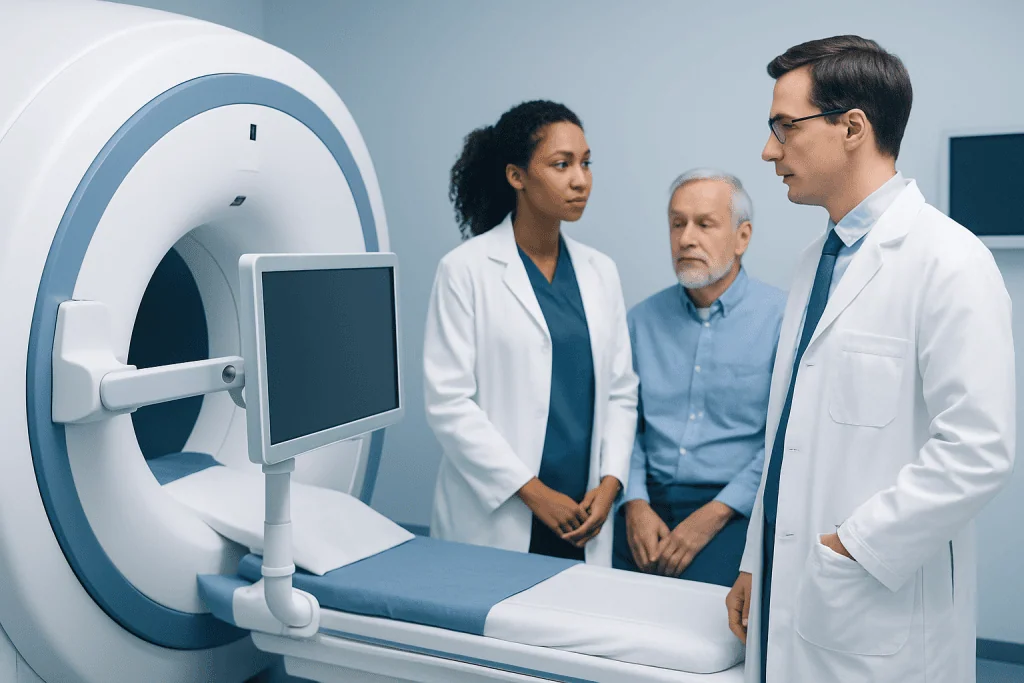
Several types of doctors may evaluate dementia. A primary care doctor is often the first point of contact when a person or family notices memory loss, confusion, personality changes, or trouble with daily tasks. Primary care can rule out some common medical causes and refer the patient to a specialist when needed.
A neurologist focuses on the brain and nervous system and commonly evaluates memory disorders. A geriatric neurologist has additional expertise in conditions affecting older adults, including complex cognitive decline. In some cases, a geriatrician may be especially helpful, particularly when dementia occurs alongside frailty, multiple medications, or other age-related health concerns.
Psychiatrists, especially geriatric psychiatrists, may be involved when mood changes, hallucinations, agitation, anxiety, depression, or sleep problems are prominent. Neuropsychologists perform detailed thinking and memory tests that can help clarify the pattern of impairment. Depending on symptoms, the care team may also include radiologists, speech therapists, occupational therapists, and social workers.
A person does not always need every specialist at once. The best choice depends on the main concern. If the goal is a careful diagnosis, a memory specialist or neurologist may be most useful. If the person already has dementia and needs help managing behavior, medication, mobility, or daily life, a broader dementia care team may be the better fit.
What to Look for in a Dementia Doctor

Experience matters. Families may wish to ask whether the doctor regularly evaluates patients with memory complaints, how often the doctor treats different types of dementia, and whether the doctor works within a multidisciplinary clinic. Familiarity with early symptoms, less common presentations, and overlapping conditions can improve the quality of assessment.
Communication is equally important. The right doctor should explain symptoms, testing, diagnosis, and treatment in clear language. Dementia care often involves both the patient and family or caregivers, so it helps when the doctor is respectful, patient, and comfortable discussing sensitive topics such as driving, safety, finances, and future planning.
Practical issues should also be considered. Families may look at appointment availability, visit length, ease of follow-up, telehealth options, and access to diagnostic services such as MRI or CT scan when appropriate. It can also be helpful to know whether the doctor coordinates with other specialists and whether the clinic can support long-term monitoring as the condition changes.
Trust and fit should not be overlooked. A doctor may be highly qualified, but the relationship may still feel rushed or unclear. If a patient or caregiver leaves appointments with unanswered questions, it is reasonable to seek a second opinion or look for a clinician whose approach feels more supportive and organized.
How Dementia Is Evaluated
A thorough dementia evaluation usually begins with a detailed medical history. The doctor asks about memory problems, changes in behavior or judgment, how symptoms started, whether they are getting worse, and how daily activities are affected. Input from a family member or caregiver is often very valuable because the person experiencing symptoms may not notice every change.
The assessment commonly includes a physical examination, a neurological examination, and brief cognitive screening. Depending on the situation, the doctor may recommend formal neuropsychological testing to assess memory, language, attention, problem-solving, and other thinking skills in more detail. This can help distinguish normal aging from mild cognitive impairment and dementia.
Laboratory tests may be ordered to look for treatable causes of cognitive symptoms, such as thyroid problems, vitamin deficiencies, infection, or metabolic issues. Brain imaging may also be part of the work-up, especially when symptoms are unusual, progress quickly, begin at a younger age, or are accompanied by movement changes, falls, headaches, or stroke-like symptoms. In selected cases, doctors may use PET-CT or other advanced evaluations to better understand the pattern of brain disease.
The diagnosis may not always be made in a single visit. Dementia often develops gradually, and some conditions overlap. A careful doctor may monitor changes over time before confirming the diagnosis and discussing the likely subtype, such as Alzheimer’s disease, vascular dementia, Lewy body dementia, or frontotemporal dementia.
Questions to Ask Before Choosing a Specialist
Preparing questions in advance can make the first appointment more productive. Families may ask what type of dementia the doctor most often treats, what tests are usually recommended, and how the doctor decides whether symptoms are caused by dementia or another medical condition. Asking how long the evaluation process usually takes can also help set expectations.
It is useful to ask about treatment philosophy. Some doctors focus mainly on diagnosis, while others provide long-term management. A family may want to know whether the doctor helps with medication review, behavioral symptoms, sleep changes, safety concerns, caregiver stress, and advance care planning. Follow-up frequency and how urgent questions are handled between visits are also important practical points.
Care coordination is another key topic. Dementia often affects many aspects of life, so it helps to ask whether the clinic works with rehabilitation specialists, mental health professionals, and social services. If a patient has walking problems, balance changes, swallowing issues, or speech changes, a coordinated plan may be especially valuable.
A second opinion can be appropriate if the diagnosis is uncertain, symptoms are changing quickly, or treatment is not helping as expected. Seeking another expert view is not unusual in dementia care. In many cases, it gives patients and families greater confidence in the diagnosis and next steps.
Treatment, Ongoing Care, and Family Support
Dementia treatment usually focuses on maintaining function, managing symptoms, and supporting quality of life. The exact plan depends on the cause. Some medical problems that affect memory are reversible or partly reversible, while progressive dementias are managed over time with symptom-focused treatment, cognitive support, and planning for future needs.
A good dementia doctor reviews current medications carefully, since some drugs can worsen confusion or increase fall risk. The doctor may recommend therapies for memory symptoms, mood, sleep, or behavior when appropriate, while also considering non-drug approaches such as routine, environmental changes, physical activity, hearing and vision support, and caregiver education. When walking, strength, or daily activities are affected, physical therapy and rehabilitation may be part of the care plan.
Family involvement is essential. Caregivers often help monitor symptoms, organize medicines, attend appointments, and notice safety issues at home. The right doctor acknowledges this role and offers guidance on topics such as nutrition, hydration, wandering, driving, falls, and legal or financial planning. Emotional support for caregivers is also important, as dementia care can become demanding over time.
Near the later stages of illness, care may shift toward comfort, safety, and preserving dignity. A doctor experienced in dementia can help families understand changing goals of care and connect them with community resources. At centers such as Acibadem International, multidisciplinary specialists in JCI-accredited hospitals evaluate and treat dementia-related conditions for international patients when advanced assessment or coordinated care is needed.
When to Seek Medical Advice Soon
A memory evaluation should be arranged if forgetfulness begins to interfere with work, finances, medication management, driving, communication, or household tasks. Medical advice is also important when a person repeats questions often, gets lost in familiar places, shows poor judgment, or has noticeable changes in personality, mood, or social behavior.
Some symptoms need more urgent attention. A person should be assessed promptly if confusion appears suddenly, if there are new hallucinations, severe agitation, fainting, major sleep reversal, sudden trouble speaking, weakness, severe headache, or a rapid drop in thinking ability. These symptoms are not always due to dementia and may point to delirium, stroke, infection, or another urgent medical problem.
Families should also seek help if caregiving is becoming unsafe or unmanageable. Falls, wandering, aggression, refusal to eat or drink, and inability to take medicines correctly can increase risk for both the patient and caregiver. Early support often prevents crises and helps maintain the person’s independence for as long as possible.
Even when symptoms seem mild, it is better not to wait too long. Early evaluation can identify treatable causes, establish a baseline, and allow more time for planning and support. Choosing the right dementia doctor at the start can make the path forward clearer and less stressful for everyone involved.
Frequently asked questions
What kind of doctor is best for dementia?
There is no single best doctor for every person. A neurologist, geriatric neurologist, geriatrician, or geriatric psychiatrist may all play an important role depending on the symptoms and stage of care. The most important factor is experience in evaluating and managing memory disorders.
Should a person see a neurologist or a geriatrician for dementia?
A neurologist may be especially helpful when the main concern is diagnosis, unusual symptoms, or possible brain-related causes of memory loss. A geriatrician may be very helpful when dementia occurs together with multiple medical conditions, frailty, or medication-related issues. Many patients benefit from both, especially when care is coordinated.
When should someone with memory loss see a specialist?
A specialist visit is a good idea when memory problems affect daily life, worsen over time, or are accompanied by behavior, language, movement, or personality changes. Early assessment is also useful when symptoms start at a younger age or when the diagnosis is uncertain. Prompt evaluation can help identify treatable causes.
Can a primary care doctor diagnose dementia?
A primary care doctor can start the evaluation and may diagnose some cases, especially when symptoms are straightforward. However, referral to a specialist is often helpful for detailed testing, confirming the type of dementia, or managing complex symptoms. Specialist input may also be needed if symptoms progress quickly or do not fit a typical pattern.
What should families bring to the first dementia appointment?
It helps to bring a list of symptoms, current medications, past medical history, and any recent test results. A family member or caregiver should attend if possible, since they may notice changes the patient does not report. Notes about when symptoms began and how they affect daily tasks are often very useful.
Is it worth getting a second opinion for dementia?
Yes, a second opinion can be valuable if the diagnosis is unclear, symptoms are unusual, or treatment is not working as expected. Dementia can overlap with other conditions, and a fresh review may clarify the cause. Many families find that a second opinion improves confidence and planning.
References
- World Health Organization
- National Institute on Aging
- Alzheimer's Association
- American Academy of Neurology
- National Institute of Neurological Disorders and Stroke
This article is for general information only and is not a substitute for professional medical advice. Please consult a qualified doctor about your individual situation.
Dementia in Turkey — costs, top hospitals & a free quote
JCI-accredited · board-certified surgeons · reply within 24h
Add us as a Preferred Source to see more of our trusted health content across Google Search, AI Overviews and Discover.

Neurology
Diagnosis and treatment of disorders of the brain, spinal cord, nerves and muscles.
51 specialists in this unitMore from the Health Library



Related Specialists
Prof. Dr. Abdullah Zorluoğlu
General Surgery
Dr. Mehriban Allahverdiyeva
Inpatient Clinic Physicians Clinical Service
Assoc. Prof. Dr. Suat Bilici
Ear Nose & Throat
Dr. Erkan Kaya
Intensive Care