

How to Choose the Right Hospital for Advanced Medical Technology

Advanced medical technology should be matched to a patient’s diagnosis, not chosen for novelty alone. Hospital accreditation, infection control, and multidisciplinary expertise are key signs of quality.
Key Takeaways
- Advanced medical technology should be matched to a patient’s diagnosis, not chosen for novelty alone.
- Hospital accreditation, infection control, and multidisciplinary expertise are key signs of quality.
- Patients should ask how often the hospital uses a technology and who interprets or performs the procedure.
- Clear communication, transparent costs, and follow-up planning are especially important for international patients.
- A hospital with strong diagnostics, surgery, intensive care, and rehabilitation often provides more coordinated care.
Choosing a hospital for advanced medical technology involves more than looking at new equipment. The best choice usually combines proven technology, experienced specialists, strong safety standards, and clear patient support before and after treatment.
Overview: What advanced medical technology means in hospital care
Advanced medical technology refers to modern tools and systems used to diagnose, monitor, and treat health conditions. These may include high-resolution imaging, minimally invasive surgical systems, robotic platforms, radiation technologies, digital pathology, intensive care monitoring, and integrated electronic records. In many cases, these tools help doctors see more clearly, plan more precisely, and tailor care more closely to the patient’s needs.
However, the presence of impressive equipment alone does not automatically mean better care. A hospital should be judged by how well its teams use that technology, how safely they deliver treatment, and whether the technology is appropriate for the individual condition. The right hospital combines innovation with clinical judgment, patient safety, and coordinated care.
For patients and families, especially those traveling abroad, the decision can feel complex. It may help to think in layers: first, confirm the hospital can manage the specific condition; next, evaluate the technology and expertise; then review safety standards, communication, and aftercare. This approach keeps the focus on outcomes and experience rather than marketing language.
Why technology should be evaluated together with medical expertise
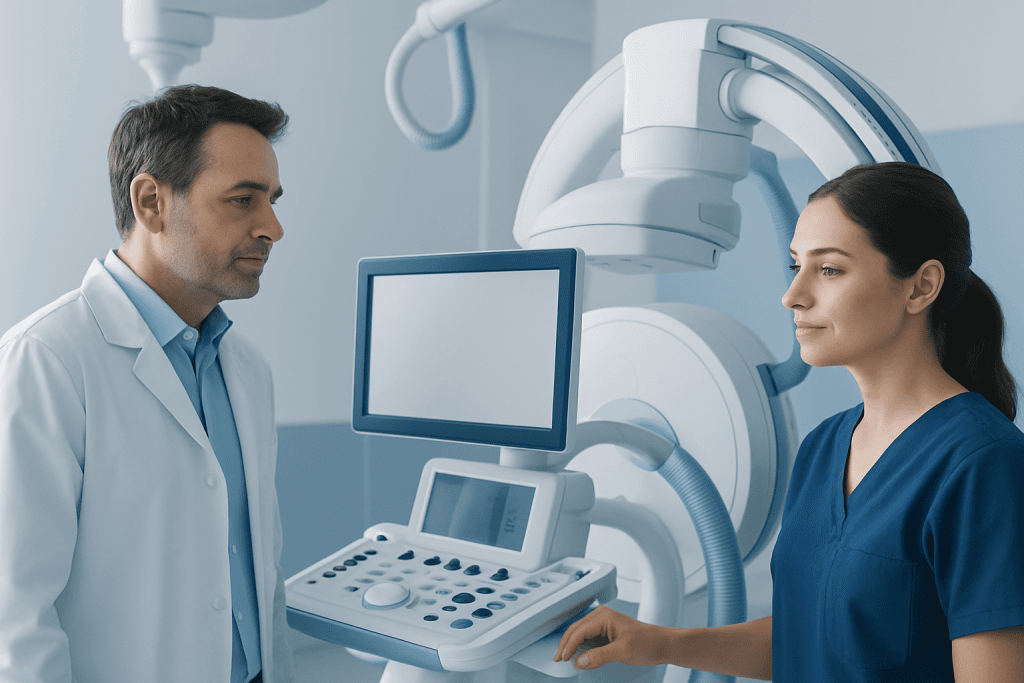
Technology is most valuable when it supports an experienced clinical team. For example, an advanced scanner is only as helpful as the radiologist interpreting it and the specialists using the results to guide treatment. In the same way, robotic or image-guided surgery depends on surgeon training, patient selection, and a hospital team that can manage anesthesia, recovery, and any unexpected changes during care.
Patients may benefit from asking not only what technology is available, but also who uses it and how often. A hospital that regularly performs complex procedures with a dedicated team often has more established protocols, smoother coordination, and stronger experience with preoperative planning and postoperative recovery. Frequency and team experience can matter as much as the machine itself.
It is also important to understand whether a hospital offers multidisciplinary review. Many complex conditions involve input from several departments, such as radiology, surgery, oncology, neurology, cardiology, rehabilitation, or intensive care. When experts review a case together, treatment plans are often more individualized and practical.
- Ask whether specialists meet in multidisciplinary boards or case conferences.
- Ask who will interpret test results and who will perform the procedure.
- Ask whether the technology is routinely used for the patient’s exact condition.
- Ask how the hospital supports recovery and follow-up after treatment.
Key factors to compare when choosing a hospital

Accreditation and quality systems are a good place to start. Recognized accreditation suggests that a hospital follows structured standards for patient safety, medication management, infection prevention, and continuous quality improvement. It does not replace specialist expertise, but it can provide reassurance that the hospital works within a strong safety framework.
Another practical factor is the depth of services on one campus or within one network. Advanced care may require imaging, laboratory medicine, surgery, intensive care, pathology, rehabilitation, and follow-up appointments. A hospital that can coordinate these services more easily may reduce delays and improve communication across departments.
Patients should also compare the hospital’s clinical strengths in the area relevant to their diagnosis. In some situations, advanced imaging is central to decision-making, such as MRI or PET-CT for detailed assessment. In others, procedural expertise matters more, such as image-guided interventions, complex surgery, or highly specialized cancer treatment. The best hospital is usually the one with the right combination of tools and condition-specific experience.
Finally, practical details should not be overlooked. These include availability of interpreters, response time to questions, treatment planning for international patients, assistance with medical records, and realistic information about timelines and recovery. Good logistics can make advanced care more understandable and less stressful.
Questions patients should ask about hospital technology
Patients do not need technical knowledge to ask useful questions. A few clear, focused questions can reveal whether a hospital is transparent, organized, and experienced. The aim is not to test the hospital, but to understand how technology fits into a complete care plan.
Helpful questions include whether the technology is considered standard for the patient’s condition, what benefits and limitations it has, and what alternatives may exist. It is reasonable to ask how often the team uses that technology each year, what training the specialists have received, and whether outcomes are reviewed internally as part of quality assurance.
Patients can also ask about preparation, comfort, and safety. For example, imaging tests may involve contrast agents, radiation exposure, or special preparation instructions. Procedures may require anesthesia, hospital stay, rehabilitation, or monitoring in intensive care. Understanding these details supports informed decision-making and avoids surprises later.
- Is this technology recommended for my condition, and why?
- What are the expected benefits, limitations, and possible risks?
- Who will perform or interpret the test or procedure?
- How often does your team use this technology for similar cases?
- What follow-up care will I need after treatment?
Safety, outcomes, and support services matter as much as innovation
Even very advanced technology should be backed by dependable safety systems. Patients may wish to ask about infection prevention protocols, emergency response capability, intensive care access, blood bank support, and how complications are managed if they occur. This is especially important for major surgery, complex cancer care, organ-related procedures, and treatments involving anesthesia or radiation.
Outcome discussions should also be balanced and realistic. No ethical hospital can guarantee a cure or a perfect result. Instead, trustworthy teams explain likely goals, possible benefits, common side effects, and the patient factors that may influence recovery. Clear communication is often a sign of professional maturity and patient-centered care.
Support services are another important part of quality. These may include international patient coordinators, nutrition support, rehabilitation, pain management, psychological support, and discharge planning. For people traveling from another country, the hospital should explain how records will be shared, when the patient is safe to travel, and how long follow-up may continue after returning home.
In some settings, patients may also need access to specific advanced therapies such as radiotherapy or highly precise surgery. What matters is that these services are integrated into a broader care pathway rather than offered in isolation.
How international patients can make a confident choice
International patients often need to make decisions quickly and at a distance. Sending complete medical records in advance can help the hospital provide a more accurate review. This may include imaging discs or reports, pathology reports, laboratory results, medication lists, and a summary from the treating doctor at home. Better information usually leads to a more useful treatment plan.
It is also wise to confirm whether the hospital offers a named coordinator, remote consultation options, and a written outline of the proposed next steps. Patients should understand which tests may need to be repeated on arrival, how long evaluation may take, and whether treatment is expected during the same trip. Clear planning helps with travel, accommodation, and family support.
Language access is essential. Patients should feel comfortable asking whether consultations, consent forms, and discharge instructions will be provided in a language they understand. Technology can be advanced, but care is only truly patient-centered when communication is clear and respectful.
Near the final stage of decision-making, some patients choose hospitals that combine advanced diagnostics, specialist treatment, and rehabilitation in one coordinated system. Acibadem International, for example, supports international patients through multidisciplinary specialists and JCI-accredited hospitals that diagnose and treat complex conditions using modern medical technologies.
Red flags to watch for and final decision tips
Some warning signs suggest that a hospital may not be the best fit. These include vague explanations, pressure to decide immediately, unclear pricing, promises of guaranteed success, reluctance to discuss risks, or an emphasis on equipment without explaining the medical team’s experience. Reliable hospitals usually welcome thoughtful questions and provide balanced information.
Patients should also be cautious if a technology is presented as suitable for almost everyone. In modern medicine, the right treatment depends on the diagnosis, stage of disease, overall health, and personal goals. A personalized recommendation is generally more trustworthy than a one-size-fits-all approach.
Before making a final decision, it can help to compare two or three hospitals using the same criteria: specialist expertise, accreditation, available technology, support services, communication, and aftercare planning. A second opinion may be valuable for complex diagnoses such as cancer or conditions that may involve major procedures or long-term treatment.
In the end, the right hospital for advanced medical technology is usually the one that combines proven tools, experienced teams, strong safety standards, and clear communication. Patients should feel informed, respected, and confident that the recommended technology serves their health needs rather than overshadowing them.
Frequently asked questions
What is the most important factor when choosing a hospital with advanced medical technology?
The most important factor is whether the technology is appropriate for the patient’s specific condition and used by an experienced clinical team. Strong safety standards, specialist expertise, and coordinated follow-up are usually just as important as the equipment itself.
Does a hospital with newer equipment always provide better care?
Not necessarily. Newer equipment can be helpful, but outcomes depend on how well the technology is used, who interprets the results, and whether the hospital has strong systems for safety and aftercare. The best care usually combines modern tools with proven clinical experience.
How can patients verify that a hospital is safe and reliable?
Patients can look for recognized accreditation, ask about infection control and emergency support, and request clear information about the medical team’s experience. It is also helpful to see whether the hospital communicates openly about benefits, risks, and expected recovery.
What questions should international patients ask before traveling?
They should ask which records are needed in advance, whether tests may need repeating, how long evaluation and treatment may take, and what support is available for language and travel planning. It is also important to understand how follow-up care will continue after returning home.
Why does multidisciplinary care matter in advanced medical technology?
Many conditions need input from more than one specialty, such as radiology, surgery, oncology, rehabilitation, or intensive care. When experts review a case together, the treatment plan is often more complete and better tailored to the patient.
Should patients get a second opinion before choosing a hospital?
A second opinion can be very helpful, especially for complex diagnoses, major surgery, or treatments with several possible options. It may confirm the plan, introduce alternatives, or help the patient feel more confident in the final decision.
References
- World Health Organization
- Joint Commission International
- U.S. Food and Drug Administration
- American College of Radiology
- National Cancer Institute
This article is for general information only and is not a substitute for professional medical advice. Please consult a qualified doctor about your individual situation.
Explore treatments in Turkey — costs, top hospitals & a free quote
JCI-accredited · board-certified surgeons · reply within 24h
Add us as a Preferred Source to see more of our trusted health content across Google Search, AI Overviews and Discover.

More from the Health Library



Related Specialists

Dr. G. Pınar Özeren
Gynecology & Obstetrics
Dr. Mehmet Noyan Zenger
Radiology
Prof. Dr. Nigar Baykan
Anesthesiology
Dr. Serkan Tokgönül
Aesthetic Plastic & Reconstructive Surgery