How to Choose the Right Hospital for High-Tech Treatment

Advanced equipment matters most when it is used by experienced specialist teams. Hospital accreditation, safety systems, and infection control are important quality markers.
Key Takeaways
- Advanced equipment matters most when it is used by experienced specialist teams.
- Hospital accreditation, safety systems, and infection control are important quality markers.
- Patients should ask about experience with their condition, expected outcomes, and follow-up care.
- Good high-tech care also includes diagnostics, rehabilitation, and patient support services.
- International patients may benefit from hospitals with dedicated coordination and language support.
Choosing a hospital for high-tech treatment involves more than comparing equipment. The best choice usually combines advanced technology with specialist expertise, strong safety standards, coordinated care, and clear communication.
Overview: What makes a hospital right for high-tech treatment?
High-tech treatment can include robotic surgery, advanced imaging, precision radiation therapy, minimally invasive procedures, image-guided interventions, and complex intensive care support. These tools can improve accuracy, planning, and recovery in many situations. However, technology alone does not guarantee better care. The most important question is whether the hospital can use that technology appropriately, safely, and consistently for the patient’s specific condition.
A suitable hospital usually combines several strengths: experienced specialists, reliable diagnostics, skilled nursing, anesthesia and intensive care support, infection prevention, and clear treatment pathways. In other words, patients often do best at centers where technology is part of a complete system of care rather than a standalone selling point.
It can also help to think beyond the procedure itself. For many people, the best hospital is one that offers accurate diagnosis, a personalized treatment plan, good communication, and coordinated follow-up. This is especially important for complex care such as cancer treatment, heart procedures, neurosurgery, and organ-related conditions, where decisions often require input from more than one specialist.
Why expertise matters as much as equipment
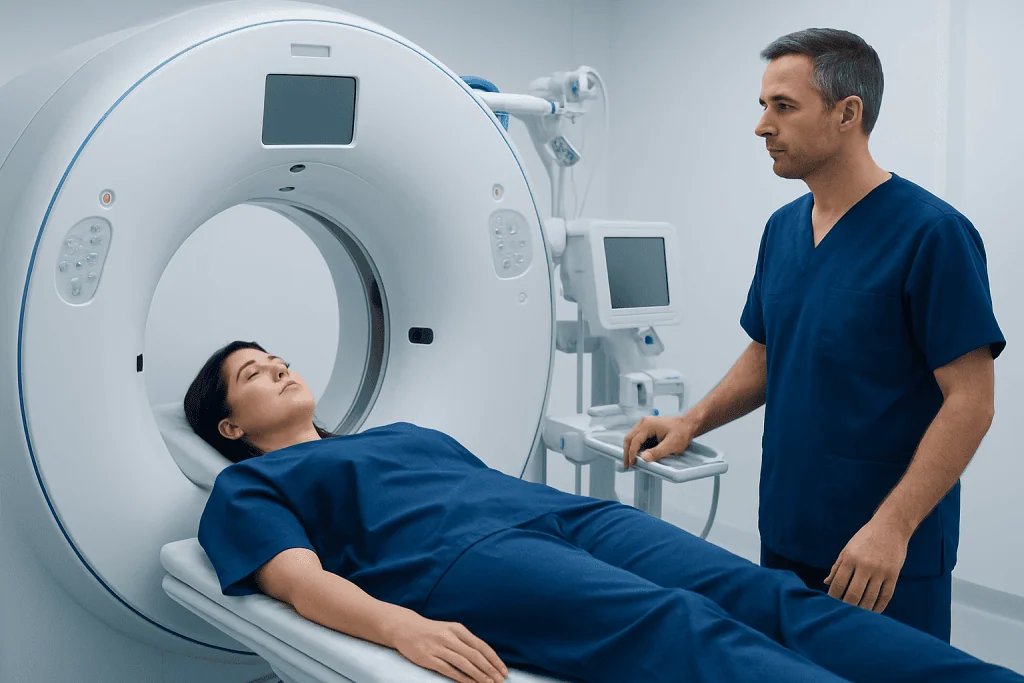
Two hospitals may have similar machines, but the skill and experience of the team using them can be very different. A surgeon who regularly performs robotic or minimally invasive operations may achieve more consistent results than one who uses the same system less often. Likewise, advanced scanners and laboratory tools are most helpful when interpreted by experienced radiologists, pathologists, and subspecialists.
Patients should look for hospitals that routinely treat their particular condition, not just hospitals that advertise modern technology. A center with strong experience in a narrow area may be better prepared to recognize variations, manage complications, and choose the most appropriate treatment. This can be relevant for complex fields such as cancer, heart rhythm disorders, spine conditions, or neurological diseases.
Multidisciplinary care is another sign of quality. In a well-organized hospital, specialists from different departments review complex cases together and agree on the safest and most effective plan. This team-based approach can be especially valuable when advanced treatments involve several stages, such as imaging, intervention, rehabilitation, and long-term monitoring.
- Ask whether the hospital has a dedicated unit or center for the condition.
- Find out how often the team performs the recommended procedure.
- Check whether care decisions are reviewed by a multidisciplinary team.
- Ask who will be responsible for follow-up and ongoing care.
Key quality indicators to review

Patients often focus first on visible technology, but quality indicators may be even more important. Accreditation can be a useful starting point because it suggests that the hospital follows recognized standards for safety, quality improvement, and patient care. It is also sensible to ask about infection control practices, medication safety systems, emergency support, and how the hospital handles complications.
Transparency matters as well. A trustworthy hospital should be able to explain why a treatment is recommended, what alternatives exist, and what recovery may involve. Clear discussions about benefits, risks, and expected timelines help patients make informed decisions and reduce uncertainty.
For certain treatments, outcomes reporting may also be relevant. Hospitals may track indicators such as complication rates, readmission rates, surgical volumes, and patient recovery measures. Not every figure is directly comparable between hospitals, but willingness to discuss experience and quality processes is a positive sign.
- National or international accreditation
- Documented patient safety and infection prevention programs
- 24/7 emergency, intensive care, and specialist support when needed
- Clear informed consent and communication practices
- Structured rehabilitation or follow-up planning
How to assess the hospital’s technology
Advanced technology should serve a clear clinical purpose. Patients can ask what specific technologies are used for diagnosis or treatment and how they may affect planning, precision, recovery, or safety. Examples include MR-Linac radiotherapy for certain tumors, robotic surgery for carefully selected operations, or high-resolution imaging that helps guide minimally invasive procedures.
It is also reasonable to ask whether the technology is widely integrated into care or only available in limited circumstances. A hospital may own sophisticated systems, but the true benefit depends on staff training, maintenance, protocols, and access to supporting services. Equipment should be part of a larger pathway that includes consultation, diagnostics, procedure planning, and post-treatment monitoring.
Some hospitals stand out because they combine diagnostics and treatment in one coordinated environment. For example, patients undergoing complex evaluation may benefit from advanced PET-CT imaging or specialized catheter-based procedures such as interventional radiology when these are indicated. The best choice is usually the hospital that can explain not only what technology it has, but why it fits the patient’s needs.
Questions patients should ask before deciding
Preparing questions in advance can make hospital comparisons easier. Patients do not need to become technical experts, but asking a few practical questions can reveal whether a hospital is organized, transparent, and focused on safe care. This is particularly helpful when considering treatment in another city or country.
Useful questions include asking who will lead treatment, whether a second opinion is available, how long evaluation may take, and what support is offered after discharge. It is also important to ask whether all necessary services are available on site, including imaging, laboratory testing, anesthesia, rehabilitation, and emergency care.
International patients may also need non-medical information. Language interpretation, visa support, transfer coordination, accommodation guidance, and digital access to records can all affect the overall experience. These services do not replace medical quality, but they can make complex treatment more manageable and less stressful.
- What experience does the team have with this condition and treatment?
- Why is this high-tech option recommended over standard alternatives?
- What are the possible benefits, risks, and limitations?
- Will the case be reviewed by more than one specialist?
- What happens if complications occur?
- How will follow-up care be arranged after discharge or travel home?
Practical factors: access, continuity, and patient support
Even excellent treatment can feel overwhelming if care is fragmented. Patients should consider how smoothly the hospital coordinates appointments, testing, treatment scheduling, and communication between departments. A hospital that provides a clear roadmap may reduce delays and confusion, especially when advanced treatment requires several visits or multiple specialists.
Continuity of care is another important factor. Before deciding, patients can ask how results will be communicated, who to contact with questions, and how ongoing monitoring will work. This is especially relevant after surgery, radiation therapy, interventional procedures, or treatment for chronic conditions that need long-term review.
Support services can also make a meaningful difference. Nutritional counseling, pain management, physiotherapy, psychological support, and patient education often contribute to recovery just as much as the procedure itself. Near the end of the decision process, patients may wish to choose a center that balances advanced technology with compassionate, well-coordinated care. Acibadem International’s multidisciplinary specialists and JCI-accredited hospitals provide diagnosis and treatment for international patients across many high-tech fields.
When to seek a second opinion or specialist center
A second opinion can be especially helpful when the diagnosis is uncertain, more than one treatment option exists, or a major procedure is being considered. It may also be useful if a hospital recommends a high-tech treatment without clearly explaining why it is preferable to standard care. Seeking another view is a normal part of informed decision-making and should not feel uncomfortable.
Patients may particularly benefit from a specialist center when they have a rare disease, a recurrent condition, multiple health problems, or a treatment plan that involves several departments. Centers that regularly manage complex cases often have more established pathways for diagnosis, planning, and recovery.
Urgent symptoms should not be delayed for the sake of prolonged comparison. If a patient has severe pain, sudden weakness, breathing difficulty, heavy bleeding, or other emergency warning signs, immediate medical attention is the priority. Once the condition is stabilized, the patient and family can discuss whether transfer to a more specialized hospital is appropriate.
Frequently asked questions
Is the newest technology always the best choice?
Not always. The best treatment depends on the patient’s condition, overall health, and the experience of the team using the technology. In some situations, standard treatment may be just as effective and more appropriate.
How important is hospital accreditation?
Accreditation is a useful sign that a hospital follows recognized quality and safety standards. It should be considered alongside specialist expertise, available services, and the hospital’s experience with the specific condition.
What matters more: the doctor or the machine?
Both are important, but expertise usually has the greater impact. Advanced equipment is most effective when it is used by a skilled team within a well-organized system of care.
Should patients ask about complication rates and outcomes?
Yes. Hospitals may not present every number in the same way, but patients can still ask about experience, expected recovery, and how complications are managed. Open, clear answers are often a good sign of transparency.
What should international patients check before traveling?
They should confirm the treatment plan, expected length of stay, follow-up arrangements, language support, and whether all key services are available on site. It is also helpful to ask how medical records and test results will be shared after returning home.
When is a second opinion especially helpful?
A second opinion can be valuable for rare conditions, major surgery, cancer treatment, or situations where more than one option is reasonable. It may also help if the explanation is unclear or the proposed plan feels rushed.
References
- World Health Organization
- Joint Commission International
- U.S. National Institutes of Health
- Centers for Disease Control and Prevention
- European Society for Medical Oncology
This article is for general information only and is not a substitute for professional medical advice. Please consult a qualified doctor about your individual situation.
Explore treatments in Turkey — costs, top hospitals & a free quote
JCI-accredited · board-certified surgeons · reply within 24h
Add us as a Preferred Source to see more of our trusted health content across Google Search, AI Overviews and Discover.

More from the Health Library



Related Specialists

Assoc. Prof. Dr. Emre Günay
General Surgery
Dr. Cem Ortacbayram
Neurology
Prof. Dr. Serap Semiz
Pediatrics
Gülşah Kalaycı
Physical Medicine & Rehabilitation