How to Deal with Anxiety? Causes, Explanations, and Next Steps

Anxiety is common and can be a normal response to stress, uncertainty, or change. Practical coping steps include slow breathing, grounding techniques, regular sleep, exercise, and limiting stimulants.
Key Takeaways
- Anxiety is common and can be a normal response to stress, uncertainty, or change.
- Practical coping steps include slow breathing, grounding techniques, regular sleep, exercise, and limiting stimulants.
- Medical review is important if anxiety is frequent, severe, causes panic-like symptoms, or interferes with work, sleep, or relationships.
- Doctors may check for physical causes such as thyroid problems, medication effects, heart rhythm issues, or sleep problems.
- Treatment may include psychotherapy, lifestyle changes, and sometimes medication, depending on the cause and severity.
How to deal with anxiety often begins with simple steps: slowing breathing, reducing immediate stress, and understanding whether symptoms are occasional or starting to affect daily life. Anxiety is common and often manageable, but persistent, intense, or physical symptoms should be reviewed by a qualified doctor.
Overview: How to Deal with Anxiety
For many people, the answer to how to deal with anxiety starts with recognizing that anxiety is often a normal body response to pressure, uncertainty, or perceived threat. In mild or short-lived situations, it may improve with rest, reassurance, healthy routines, and stress-management skills. It becomes more important to seek help when symptoms are intense, happen often, feel hard to control, or begin to affect sleep, work, school, relationships, or physical health.
Useful first steps include slowing the breath, reducing sensory overload, stepping away from immediate triggers when possible, and avoiding extra caffeine or other stimulants. These measures do not solve every cause of anxiety, but they can reduce the body’s “fight or flight” response enough to help a person think more clearly about what is happening.
Although anxiety is commonly linked to emotional stress, it can also overlap with medical conditions. A doctor may ask about symptoms, timing, triggers, medications, sleep, caffeine, alcohol, and general health. Depending on the situation, evaluation may include screening for panic attacks, depression, thyroid disease, heart rhythm problems, or other conditions that can mimic or worsen anxiety, including panic attacks.
What Anxiety Can Feel Like
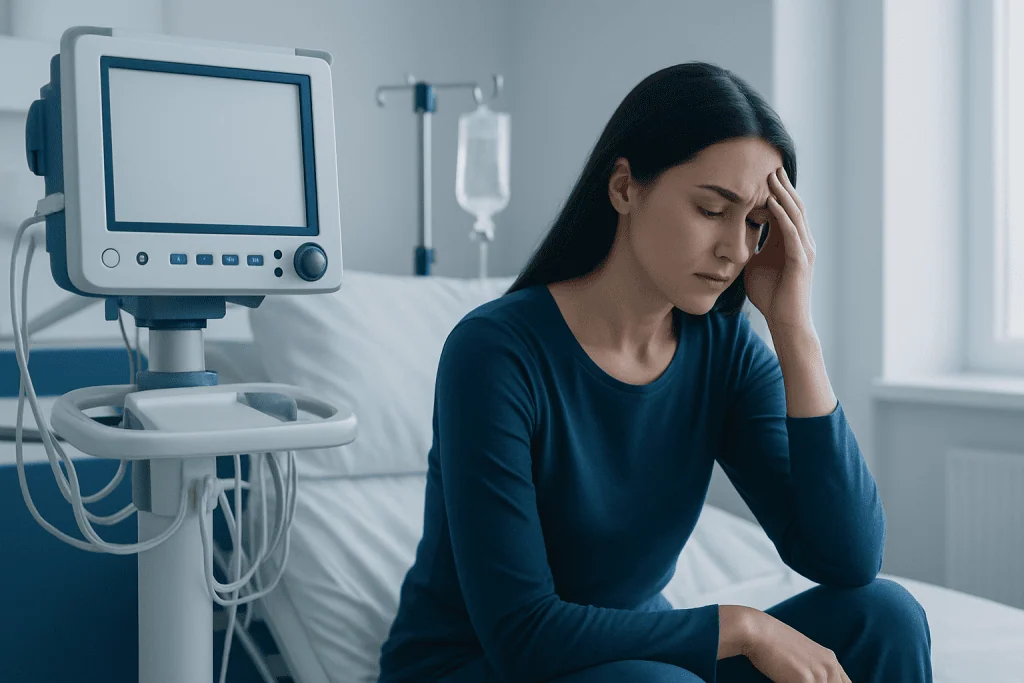
Anxiety affects both mind and body. Emotionally, a person may feel worried, tense, restless, fearful, or unable to relax. Some describe a sense of dread, racing thoughts, irritability, or difficulty concentrating. These feelings may come and go, or they may build gradually during periods of ongoing stress.
Physical symptoms are also common. They may include a fast heartbeat, shakiness, sweating, shortness of breath, chest tightness, nausea, dizziness, dry mouth, stomach upset, muscle tension, or trouble sleeping. Because these symptoms are physical, some people first worry that they have a heart, lung, or neurological problem rather than anxiety.
Anxiety does not look the same in everyone. One person may mainly overthink and feel mentally overwhelmed, while another experiences mostly body symptoms such as palpitations or stomach discomfort. Symptoms may be linked to certain situations, such as social events, travel, health worries, work pressure, or being in crowded spaces, but they can also happen without an obvious trigger.
- Emotional signs: worry, fear, irritability, restlessness
- Physical signs: palpitations, sweating, trembling, nausea, dizziness
- Behavioral signs: avoiding situations, seeking reassurance, sleep changes
- Cognitive signs: racing thoughts, difficulty focusing, feeling “on edge”
Common Causes and Risk Factors

Anxiety can be triggered by life events, health concerns, personality traits, or a combination of factors. Common triggers include work pressure, financial stress, relationship difficulties, grief, major change, trauma, poor sleep, and ongoing uncertainty. Some people have a family history of anxiety or a temperament that makes them more sensitive to stress signals.
Physical and lifestyle factors can also contribute. High caffeine intake, nicotine, alcohol, recreational drugs, dehydration, irregular meals, and lack of sleep may worsen symptoms. Certain medications, including some stimulants, decongestants, and thyroid-related medicines, can increase feelings of nervousness in some people.
Doctors also consider medical conditions that can mimic anxiety or make it worse. These may include thyroid problems, anemia, heart rhythm abnormalities, asthma, hormonal changes, chronic pain, and sleep disorders. In some cases, anxiety happens alongside another mental health condition such as depression or health anxiety. If symptoms are recurrent, it may be helpful to review broader mental health concerns, including depression.
What to Do in the Moment
When anxiety rises suddenly, the goal is to help the nervous system settle. Slow, steady breathing can be effective, especially when exhalation is longer than inhalation. Grounding techniques can also help, such as noticing five things that can be seen, four that can be felt, three that can be heard, two that can be smelled, and one that can be tasted. These approaches help redirect attention away from escalating fear.
It may also help to reduce immediate stress on the body. Sitting down, loosening tight clothing, drinking water, and moving to a quieter space can be useful. If a person knows that caffeine, energy drinks, skipped meals, or sleep loss make symptoms worse, correcting those factors may reduce the intensity of an episode.
After symptoms settle, it can be useful to notice patterns rather than judge the experience. A person might ask what happened just before the anxiety started, how long it lasted, what body sensations appeared first, and what helped. Keeping a brief symptom diary can make later medical review more accurate and can clarify whether symptoms match stress-related anxiety, recurrent panic, or another issue.
When to Seek Medical Care
Most anxiety is not dangerous, but some situations should be assessed promptly. Medical care is important if anxiety symptoms are new and severe, happen with chest pain, fainting, marked shortness of breath, confusion, weakness, or an irregular heartbeat. These symptoms can overlap with anxiety but may also point to another medical problem that needs urgent attention.
Non-urgent medical review is also appropriate when anxiety becomes frequent, starts to limit daily activities, disrupts sleep, leads to avoidance, or causes repeated episodes of intense fear. A doctor should also be consulted if symptoms begin after starting a new medication, changing a dose, increasing caffeine or alcohol, or during major hormonal or health changes.
Anyone with thoughts of self-harm, hopelessness, or feeling unable to stay safe should seek urgent professional help right away. Anxiety can exist alongside depression, trauma-related symptoms, or substance misuse, and early support often makes treatment more effective and less disruptive over time.
How Doctors Diagnose the Cause
Diagnosis usually begins with a detailed conversation rather than a single test. A doctor will ask what symptoms feel like, when they happen, how long they last, what seems to trigger them, and whether they interfere with everyday life. They may also ask about sleep, caffeine, alcohol, medications, recent stress, past health history, and family history of anxiety, panic, or mood disorders.
A physical examination may be recommended, especially if symptoms include palpitations, dizziness, chest tightness, weight changes, tremor, or breathing symptoms. Depending on the person’s history, tests may be used to rule out other causes. These can include blood tests such as thyroid function or blood count, and sometimes an electrocardiogram if heart symptoms are present.
If symptoms suggest an anxiety disorder, structured screening questions may be used to understand severity and type. This helps distinguish generalized anxiety, panic disorder, social anxiety, health anxiety, or anxiety linked to another condition. When symptoms overlap with sleep problems, mood symptoms, or stress reactions, doctors may recommend input from psychology, psychiatry, cardiology, or other specialties to build the most appropriate plan.
Treatment Options and Long-Term Management
Treatment depends on the cause, severity, and effect on daily life. For many people, education, stress management, sleep improvement, and regular physical activity are a helpful foundation. Psychological therapies are often central to care, especially cognitive behavioral therapy, which helps a person identify unhelpful thought patterns, reduce avoidance, and build more effective coping skills.
Medication may be considered when anxiety is persistent, severe, or not improving enough with therapy and lifestyle measures alone. The choice of medicine depends on the symptom pattern, other health conditions, and possible side effects. A qualified doctor or mental health professional can explain benefits, risks, and how long treatment is usually continued. Treatment plans should be individualized rather than copied from someone else’s experience.
Some people need support for related problems that can sustain anxiety, such as insomnia, chronic stress, or depression. In these cases, coordinated care can be especially helpful, sometimes including psychiatric evaluation and treatment or broader psychological support. For selected patients, doctors may also recommend assessment through a general medical check-up to look for contributing physical conditions.
Near the end of the care pathway, follow-up matters as much as the initial diagnosis. Tracking symptom frequency, intensity, sleep quality, and functional impact helps show whether treatment is working. Acibadem International’s multidisciplinary specialists and JCI-accredited hospitals diagnose and treat anxiety-related conditions for international patients when coordinated evaluation is needed.
Prevention and Self-Care Habits That Help
Long-term self-care does not eliminate every episode of anxiety, but it can reduce frequency and intensity. Regular sleep is one of the most effective protective habits. Going to bed and waking at consistent times, limiting late-night screen use, and addressing snoring or poor sleep quality can make the nervous system less reactive during the day.
Physical activity is also useful because it helps regulate stress hormones and improve mood. Gentle, sustainable routines such as walking, swimming, cycling, stretching, or yoga may help more than occasional intense exercise. Balanced meals, regular hydration, and avoiding excess caffeine can also make symptoms easier to manage.
Many people benefit from practical emotional tools. These include journaling, guided relaxation, mindfulness exercises, limiting repeated exposure to distressing news, and setting boundaries around work or social demands. Building support from trusted family, friends, or a therapist can reduce isolation and make anxiety feel more manageable. If symptoms continue despite self-care, professional assessment is the next sensible step rather than a sign of failure.
Frequently asked questions
How can someone calm anxiety quickly?
Simple techniques can help reduce anxiety in the moment, such as slow breathing, grounding exercises, sitting in a quiet place, and drinking water. These steps help calm the body’s stress response, although they may not address the underlying cause if anxiety keeps returning.
Is anxiety always a mental health disorder?
No. Anxiety can be a normal reaction to stress, uncertainty, illness, or major life changes. It is more likely to need professional evaluation when it is frequent, intense, hard to control, or disruptive to daily life.
Can anxiety cause physical symptoms like chest tightness or dizziness?
Yes. Anxiety can cause real physical symptoms, including palpitations, chest tightness, sweating, nausea, trembling, and dizziness. Because other medical problems can cause similar symptoms, new, severe, or unusual episodes should be checked by a doctor.
What medical conditions can look like anxiety?
Several conditions may resemble or worsen anxiety, including thyroid disorders, anemia, heart rhythm problems, asthma, medication side effects, and sleep disorders. That is why diagnosis often includes a symptom review, physical examination, and sometimes targeted testing.
When should someone see a doctor for anxiety?
A doctor should be consulted if anxiety is persistent, causes repeated panic-like episodes, affects work or relationships, or leads to avoidance and sleep problems. Urgent care is needed if symptoms happen with chest pain, fainting, severe shortness of breath, confusion, or thoughts of self-harm.
What treatments are commonly used for anxiety?
Common treatments include psychological therapies, lifestyle changes, stress-management strategies, and sometimes medication. The best approach depends on the type of anxiety, symptom severity, overall health, and whether another condition is also present.
References
- National Institute of Mental Health
- American Psychiatric Association
- National Health Service
- Mayo Clinic
- World Health Organization
This article is for general information only and is not a substitute for professional medical advice. Please consult a qualified doctor about your individual situation.
Explore treatments in Turkey — costs, top hospitals & a free quote
JCI-accredited · board-certified surgeons · reply within 24h
Add us as a Preferred Source to see more of our trusted health content across Google Search, AI Overviews and Discover.