How to Decompress Spine? A Doctor-Reviewed Answer
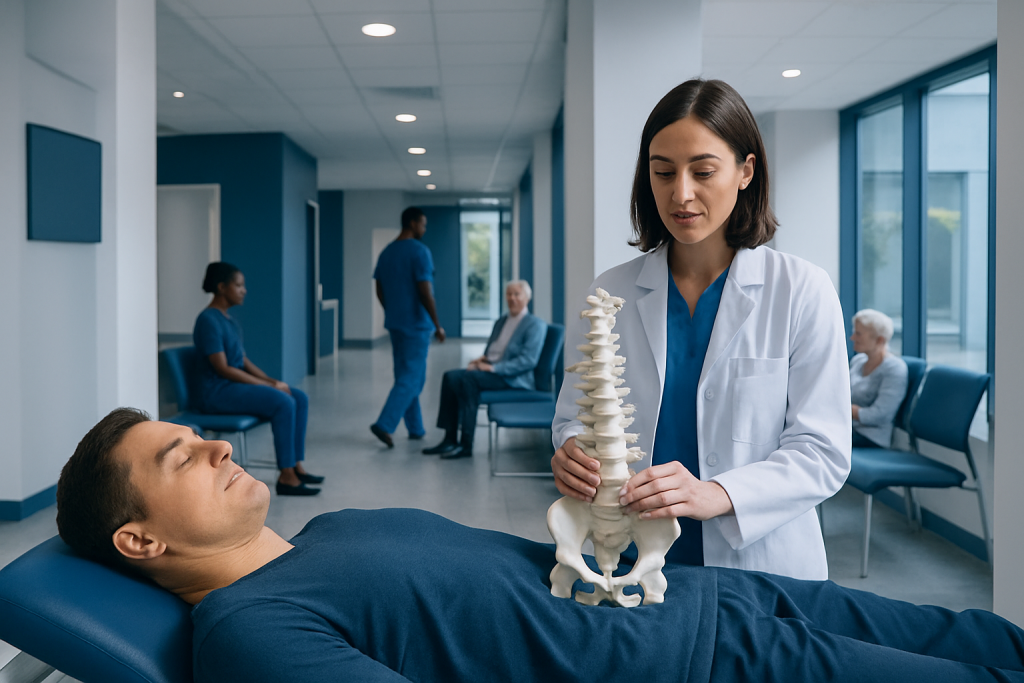
“Decompressing the spine” usually means reducing pressure on spinal joints, discs, and nerves with posture changes, movement, and targeted treatment. Many short-term episodes of back or neck tightness improve with gentle activity, avoiding prolonged bed rest, and supportive self-care.
Key Takeaways
- “Decompressing the spine” usually means reducing pressure on spinal joints, discs, and nerves with posture changes, movement, and targeted treatment.
- Many short-term episodes of back or neck tightness improve with gentle activity, avoiding prolonged bed rest, and supportive self-care.
- Red flags include numbness in the groin area, trouble controlling the bladder or bowels, fever, trauma, unexplained weight loss, or progressive weakness.
- Doctors diagnose the cause by reviewing symptoms, checking strength and reflexes, and using imaging only when clinically needed.
- Treatment depends on the cause and may include physical therapy, medication, injections, or in selected cases, surgery.
For many people, learning how to decompress spine discomfort starts with simple, safe measures such as changing position, walking, stretching gently, and reducing strain. Most episodes are not dangerous, but new weakness, bowel or bladder changes, fever, major injury, or severe persistent pain should be assessed by a doctor.
What “decompressing the spine” actually means
When people ask how to decompress spine discomfort, they are usually looking for a safe way to reduce pressure and irritation in the back or neck. In everyday use, the phrase often refers to relieving strain on the spinal discs, joints, muscles, and nerves through posture changes, gentle movement, stretching, and guided medical care when needed.
In many cases, this kind of discomfort is temporary and related to muscle tension, long periods of sitting, overuse, minor disc irritation, or age-related wear. It often settles with time and conservative care. That said, “decompression” is not a single home technique that fixes every cause of pain, and forceful twisting or hanging exercises may worsen symptoms in some people.
A doctor-reviewed approach focuses first on safety: understanding whether symptoms are likely mechanical and self-limited, identifying warning signs that suggest nerve compression or another condition, and then choosing the most appropriate next step. This matters because spinal symptoms can come from many causes, including a herniated disc, arthritis, spinal stenosis, poor ergonomics, or less commonly infection or fracture.
Safe ways to reduce spinal pressure at home
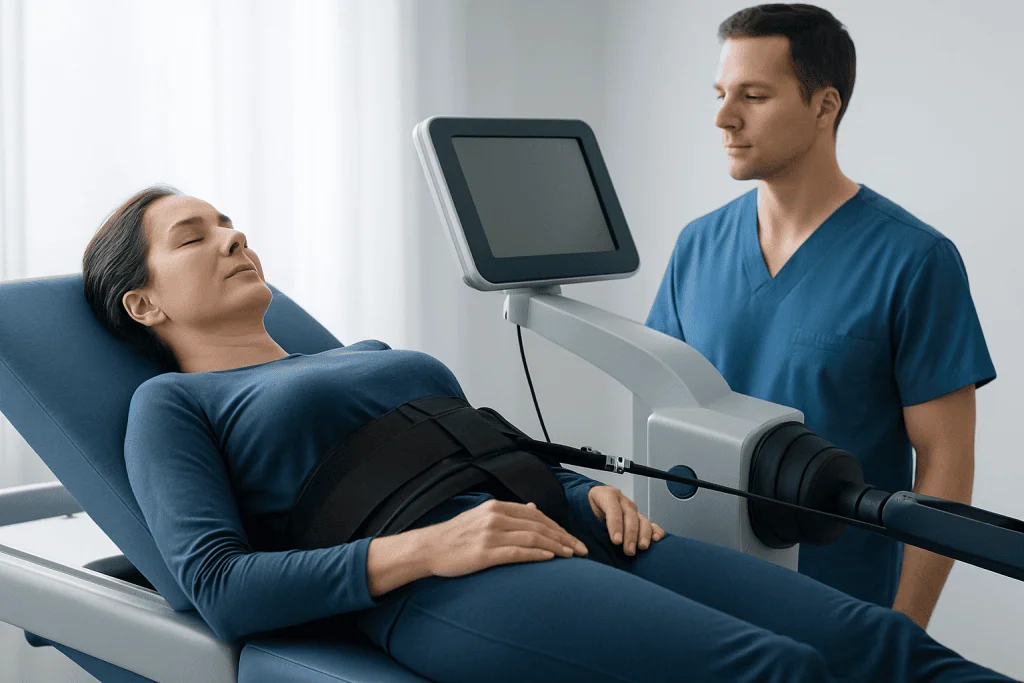
For mild, uncomplicated back or neck discomfort, the safest approach is usually gentle unloading rather than aggressive stretching. Changing position often, taking short walks, and avoiding staying in one posture for too long can help reduce pressure on irritated tissues. Many people feel better when they move regularly rather than resting in bed for long periods.
Supportive positions may also help. Lying on the back with the knees bent and supported by a pillow, or lying on the side with a pillow between the knees, may ease lumbar strain. For neck discomfort, keeping the head and neck in a neutral position and avoiding awkward sleeping angles can reduce tension.
Some people benefit from gentle, pain-free mobility exercises guided by a clinician or physical therapist. Helpful self-care habits may include:
- Short walks on level ground
- Frequent breaks from sitting, driving, or desk work
- Gentle stretching only within a comfortable range
- Using proper lifting technique and avoiding sudden twisting
- Applying heat or ice, depending on which feels better
If symptoms shoot down an arm or leg, or if a movement clearly increases numbness or weakness, it is best to stop and seek professional advice before continuing. Home care should feel relieving or neutral, not sharply painful.
Symptoms that may suggest spinal compression

Spinal discomfort is not always just “tightness.” Sometimes pressure on a nerve root or narrowing in the spinal canal causes more specific symptoms. These may include pain that radiates into the buttock or leg, tingling, numbness, burning sensations, or pain that worsens with certain positions such as prolonged standing, bending, or coughing.
In the neck, compression may cause pain spreading into the shoulder, arm, or hand, along with numbness or altered grip strength. In the lower back, symptoms may travel down the leg in a pattern often described as sciatica. The exact pattern depends on which nerve is irritated and whether the issue involves the disc, joints, or surrounding structures.
Doctors also pay attention to symptom behavior. Pain that eases with rest and movement changes is often mechanical, while pain associated with fever, unexplained weight loss, night sweats, recent cancer, or significant trauma needs prompt evaluation. A person may also need assessment if symptoms are persistent or severe enough to limit walking, sleeping, work, or daily activities.
Common causes and risk factors
The spine is a complex structure of bones, discs, joints, ligaments, muscles, and nerves. Pressure-related symptoms may develop when one or more of these tissues become inflamed, strained, or narrowed. Common causes include muscle spasm, disc bulging, spinal stenosis, osteoarthritis, degenerative disc changes, and posture-related overload.
Risk rises with age, repetitive lifting, prolonged sitting, weak core support, obesity, smoking, and jobs or sports that involve vibration, twisting, or heavy physical work. Lack of movement can also contribute by making supporting muscles less conditioned and joints stiffer.
Not every episode has a clear single cause. Sometimes symptoms follow a known trigger, such as lifting a heavy object, while other times they build gradually over weeks or months. In older adults, narrowing around the nerves may develop slowly. In younger adults, a disc-related problem may be more common. A clinician helps connect the pattern of symptoms to the most likely underlying cause.
When to seek medical care
Most mild back and neck symptoms can be watched for a short time, especially if they are improving. Medical care should be sought sooner if pain is severe, lasts more than a few weeks, keeps returning, or is associated with numbness, tingling, or weakness in an arm or leg. New symptoms after a fall, accident, or sports injury also deserve assessment.
Urgent medical review is important for red flags such as loss of bladder or bowel control, numbness around the groin or inner thighs, rapidly worsening weakness, fever, unexplained weight loss, history of cancer, or pain that is constant and not eased by rest. These symptoms do not always mean a serious condition, but they should not be ignored.
This reassurance-first approach is helpful: many cases are harmless and settle with conservative care, but a small number need timely treatment to protect nerve function and address the underlying cause.
How doctors diagnose the cause
A doctor does not diagnose spinal compression from one symptom alone. The evaluation begins with a detailed history: where the pain is, whether it travels, what makes it better or worse, how long it has lasted, and whether there are neurological symptoms such as numbness or weakness. Prior injuries, medical conditions, medications, and work or sports activities also matter.
The physical examination usually includes posture, range of motion, tenderness, muscle strength, reflexes, sensation, and walking pattern. Special maneuvers may be used to check whether a nerve root appears irritated. This step often helps distinguish muscle strain from a disc problem, joint-related pain, or canal narrowing.
Imaging is not necessary for every person. Plain X-rays may help if fracture, alignment issues, or significant degenerative change is suspected. MRI is often the most useful test when nerve compression, disc herniation, infection, or persistent unexplained symptoms are a concern. CT scans and nerve tests are sometimes used in selected cases. If symptoms point to a significant structural problem, a specialist may recommend spine surgery evaluation or consultation with rehabilitation and pain experts.
Treatment options for spinal decompression symptoms
Treatment depends on the cause, severity, and duration of symptoms. For many people, the first-line plan includes activity modification, physical therapy, and short-term symptom control. A structured rehabilitation program may improve posture, flexibility, core support, and movement patterns so that the spine is loaded more efficiently during daily life. This is often more effective in the long term than repeated passive treatments alone.
Doctors may also recommend medications to ease inflammation or pain, if appropriate for the individual’s health profile. In some cases, image-guided injections are considered to calm inflammation around a nerve or joint. When symptoms relate to a disc problem or narrowing around the nerves, care is tailored to the exact finding rather than using a one-size-fits-all method. Some people with persistent radicular symptoms may be assessed for herniated disc surgery or other targeted procedures.
Surgery is usually reserved for specific situations, such as progressive neurological deficit, severe persistent pain that does not respond to conservative care, or structural compression that clearly matches the symptoms. Depending on the diagnosis, options may include procedures aimed at relieving pressure on nerves, such as lumbar decompression surgery. If spinal canal narrowing is the main issue, doctors may discuss treatment for spinal canal stenosis in the context of the person’s function, age, and goals.
Near the end of the care pathway, some patients choose evaluation at experienced centers. Acibadem International’s multidisciplinary specialists and JCI-accredited hospitals diagnose and treat spinal conditions for international patients when advanced assessment or treatment is needed.
Prevention and daily habits that support the spine
Preventing recurrent spinal pressure is often less about dramatic “decompression” maneuvers and more about daily mechanics. Regular movement, strengthening the trunk and hip muscles, and avoiding long unbroken periods of sitting can reduce repeated strain. Many people also benefit from adjusting workstation height, chair support, screen position, and driving posture.
Sleep surface and pillow choice matter too, but there is no single perfect mattress or position for everyone. What matters most is maintaining a neutral, supported posture and waking without increased pain. People who lift at work or during exercise should learn body mechanics that reduce twisting and allow the legs and hips to share the effort.
Additional supportive habits include maintaining a healthy weight, stopping smoking, and returning gradually to activity after a flare-up. If episodes are frequent, a clinician or physical therapist can identify personal triggers and build a realistic plan for mobility, strength, and symptom control.
Frequently asked questions
Can a person decompress the spine at home?
In many mild cases, a person can safely try posture changes, short walks, gentle movement, and supportive resting positions. Home care should not involve forceful stretching or movements that increase radiating pain, numbness, or weakness. If symptoms are significant or persistent, a doctor should guide the next steps.
Does hanging from a bar decompress the spine?
Hanging may briefly reduce pressure for some people, but it is not suitable for everyone. It can aggravate shoulder problems, neck symptoms, or certain back conditions. A safer approach is to ask a clinician which movements fit the specific cause of symptoms.
How long does spinal pressure-related pain usually last?
Many uncomplicated episodes improve over days to a few weeks with conservative care. Recovery time varies depending on whether the cause is muscular, disc-related, degenerative, or nerve-related. Symptoms that are worsening, not improving, or limiting daily function should be medically reviewed.
What are the warning signs that need urgent care?
Urgent assessment is needed for loss of bowel or bladder control, numbness in the groin area, rapidly worsening weakness, fever, major trauma, or severe unrelenting pain. These symptoms may signal a condition that needs prompt treatment. It is safest not to wait if any of these red flags appear.
Is bed rest helpful for decompressing the spine?
Short rest may help during an acute flare, but prolonged bed rest usually slows recovery. Gentle activity and frequent position changes are often more beneficial than staying still for long periods. A doctor may suggest temporary activity modification rather than complete rest.
Will spinal decompression always avoid surgery?
Not always. Many people improve without surgery, especially when symptoms are mild and there is no progressive nerve damage. However, surgery may be appropriate when there is clear structural compression, ongoing disability, or worsening neurological symptoms.
References
- National Institute of Neurological Disorders and Stroke
- National Institute of Arthritis and Musculoskeletal and Skin Diseases
- American Academy of Orthopaedic Surgeons
- American Association of Neurological Surgeons
- World Health Organization
This article is for general information only and is not a substitute for professional medical advice. Please consult a qualified doctor about your individual situation.
Persistent digestive symptoms? Get evaluated in Turkey
JCI-accredited · board-certified surgeons · reply within 24h
Add us as a Preferred Source to see more of our trusted health content across Google Search, AI Overviews and Discover.