How to Explain Your Symptoms to a Doctor Clearly

The clearest symptom descriptions include when it started, where it is, how it feels, and how severe it is. Specific examples are usually more helpful than general phrases such as “I feel unwell.”
Key Takeaways
- The clearest symptom descriptions include when it started, where it is, how it feels, and how severe it is.
- Specific examples are usually more helpful than general phrases such as “I feel unwell.”
- A symptom diary, medication list, and key questions can make appointments more productive.
- It is helpful to mention anything that makes symptoms better, worse, more frequent, or more intense.
- Sharing concerns honestly, including sensitive symptoms, helps doctors give safer and more accurate advice.
Knowing how to explain symptoms to a doctor clearly can help make an appointment more useful and focused. A simple, organized description of what is happening, when it began, and how it affects daily life can support faster understanding and better care.
Overview: Why Clear Symptom Descriptions Matter
Many people worry about forgetting details or not using the “right” medical words during an appointment. In most cases, medical language is not necessary. Doctors are trained to ask follow-up questions, and what helps most is a clear description in everyday words of what a person is feeling and how it has changed over time.
When symptoms are explained clearly, the doctor can better understand possible causes, decide which examinations or tests may be needed, and suggest the most appropriate next steps. A focused description can also reduce misunderstandings, especially when symptoms are vague, come and go, or affect more than one part of the body.
Clear communication is also important for safety. Symptoms such as pain, dizziness, shortness of breath, bleeding, or changes in bowel habits can have many causes, and details often matter. For example, where a symptom occurs, how long it lasts, and whether it happens with meals, exercise, stress, or sleep may all guide the assessment.
What Information Doctors Need Most
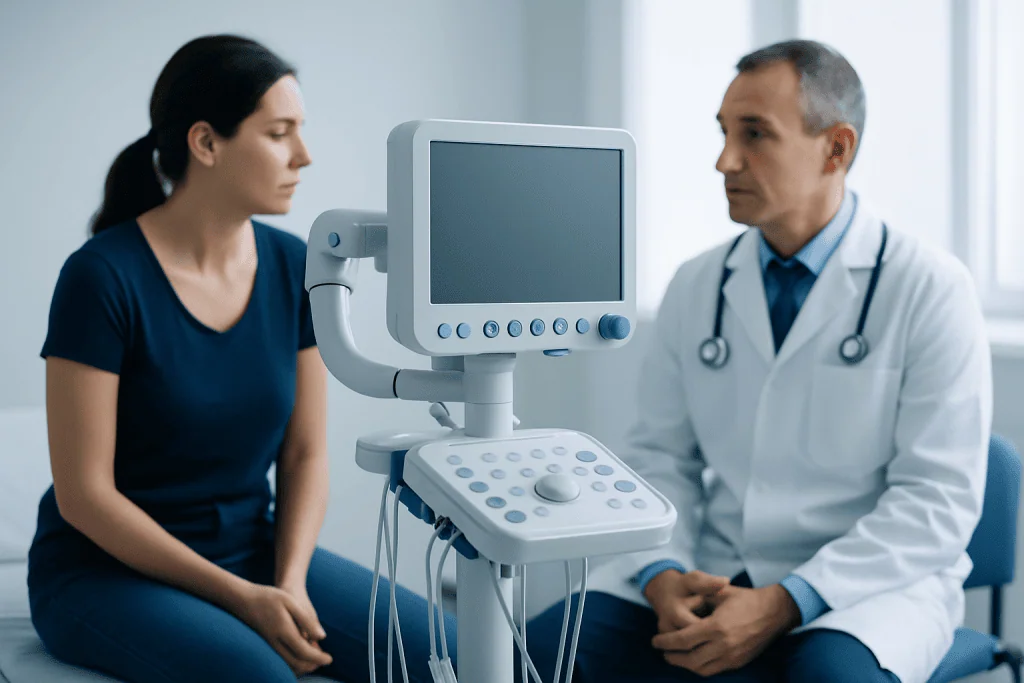
A useful symptom description usually answers a few basic questions. These details help a doctor build a clearer picture of what is happening and whether the problem is urgent, ongoing, or possibly linked to another condition.
It can help to think through the following points before the visit:
- What is the main symptom? For example: pain, cough, rash, fatigue, nausea, numbness, swelling, or headache.
- When did it start? Mention whether it began suddenly or gradually, and whether it is constant or comes and goes.
- Where is it? Be as specific as possible about the location and whether it spreads anywhere else.
- What does it feel like? Words such as sharp, dull, burning, pressure-like, itchy, cramping, heavy, or throbbing can be helpful.
- How severe is it? A simple scale from 0 to 10 can be useful, especially for pain.
- What makes it better or worse? Note movement, rest, food, stress, time of day, temperature, position, or medicines.
- What other symptoms came with it? For example fever, vomiting, weight loss, weakness, palpitations, or sleep changes.
It is also helpful to explain how the symptom affects daily life. Saying “I cannot climb one flight of stairs without stopping,” “I wake up three times a night because of coughing,” or “I missed work because of the pain” is often more informative than saying “it is bad.”
How to Describe Symptoms in a Simple, Useful Way

One of the best approaches is to start with the main concern first. Rather than listing many details at once, a person can begin with a short summary such as, “I have had lower abdominal pain for five days, and it gets worse after meals,” or “I have been feeling unusually tired for two months and it is affecting my work.” This gives the doctor a clear starting point.
Using concrete examples can make symptoms easier to understand. Instead of saying “I feel dizzy,” it may help to say whether the room feels like it is spinning, there is lightheadedness on standing, or there is a sense of imbalance when walking. Instead of “my stomach hurts,” it is more useful to say whether the pain is upper or lower, right or left, cramping or burning, and whether it is related to eating or bowel movements.
If pain is the main symptom, doctors often ask about location, character, severity, timing, and triggers. If the concern is a change in bodily function, such as urination, bowel habits, breathing, sleep, or appetite, details about frequency and pattern can be important. For example, saying “I urinate much more often at night than before” or “I have had diarrhea three times a day for a week” is more helpful than saying “things are different.”
It is also important to say what worries a person most. Sometimes the greatest concern is not the symptom itself but what it might mean. Sharing this openly can help the doctor address both the medical issue and the patient’s concerns in a respectful, reassuring way.
How to Prepare Before the Appointment
Preparation can make it easier to stay focused during a visit, especially if symptoms are complex, long-lasting, or stressful. A few notes on paper or a phone can be enough. These notes do not need to be long; they just need to include the details that are easiest to forget.
A symptom diary can be especially useful when symptoms are intermittent. It may include the date symptoms started, how often they happen, possible triggers, how long they last, and anything that seems to relieve them. This is often helpful for problems such as headaches, stomach symptoms, skin flare-ups, fatigue, dizziness, or sleep difficulties.
It can also help to bring a list of current medicines, vitamins, supplements, and allergies. If there have been recent tests, hospital visits, or changes in treatment, mentioning these can save time. People with chronic conditions may also find it useful to bring records such as blood pressure readings, blood sugar logs, temperature measurements, or home oxygen readings if relevant.
Before the appointment, it may help to write down two or three main questions. This keeps the visit centered on the biggest concerns and reduces the chance of leaving without discussing something important.
Common Mistakes to Avoid During a Medical Visit
Many communication problems happen for understandable reasons. People may feel embarrassed, rushed, anxious, or unsure whether a symptom is important. Even so, a few common habits can make it harder for a doctor to understand what is happening.
One common mistake is being too general. Phrases such as “I feel strange,” “I am not myself,” or “everything hurts” may be true, but they often need more detail. Another common issue is focusing only on a diagnosis a person fears rather than explaining the symptom itself. It is fine to share worries, but the description of what is happening in the body should come first.
It is also best not to leave out information because it feels embarrassing. Symptoms involving bowel habits, urination, sexual health, mood, memory, or bleeding may feel difficult to discuss, but they can be medically important. Doctors are used to talking about sensitive issues and need accurate information to help safely.
Another mistake is forgetting to mention recent changes. New travel, diet changes, injuries, stress, pregnancy, medication changes, infections, or contact with sick people may all be relevant. Even if something seems minor, it can be worth mentioning if it happened around the time symptoms began.
Questions a Doctor May Ask and How to Answer
Doctors often use structured questions to understand symptoms more fully. This does not mean the situation is necessarily serious; it is simply part of careful assessment. Being ready for these questions can make the conversation smoother and more productive.
Questions may include: When did this start? Has it happened before? Is it getting better, worse, or staying the same? What were you doing when it began? Does it wake you from sleep? Have you noticed fever, weight change, shortness of breath, weakness, or other new symptoms? Have you tried any medicine or home treatment, and did it help?
Answering as specifically as possible is usually best. If the exact timing is unclear, an estimate is still useful, such as “about three weeks ago” or “sometime after I recovered from a cold.” If a person does not know an answer, it is completely acceptable to say so. Guessing can sometimes confuse the picture more than helping.
During an in-person or virtual visit, a doctor may suggest tests, monitoring, referral, or a treatment plan based on the symptom pattern. In some cases, symptoms may lead to further evaluation such as blood tests, imaging, or specialist review. What is needed depends on the complaint and the person’s age, history, and examination findings.
Special Tips for Children, Older Adults, and Telehealth Visits
When a child is the patient, parents or caregivers can help by describing changes in behavior as well as physical symptoms. Appetite, sleep, mood, playfulness, school performance, fever, crying, and bathroom habits can all provide useful clues. Older children and teenagers may also be encouraged to describe symptoms in their own words when possible.
For older adults, symptoms may present in less typical ways. General weakness, confusion, appetite loss, falls, or changes in daily function can sometimes be as important as pain or fever. Bringing a medication list and noting any recent changes in mobility, memory, or independence can be particularly helpful.
For telehealth visits, preparation matters even more because the doctor cannot perform the same physical examination as in person. Patients may wish to have good lighting, a quiet space, a thermometer or blood pressure readings if available, and any symptom notes ready nearby. If a rash, swelling, or visible change is part of the concern, clear photographs taken in good light may sometimes help if the clinic advises it.
Whether in person or online, it is reasonable to ask the doctor to repeat or clarify instructions. Understanding what to do next, what warning signs to watch for, and when to follow up is an important part of good communication.
When to Seek Urgent Medical Care
Most symptoms can be discussed in a routine appointment, but some need urgent or emergency evaluation. People should seek immediate medical help for severe chest pain, sudden trouble breathing, signs of stroke such as facial drooping or weakness on one side, severe allergic reactions, seizures, major injury, heavy uncontrolled bleeding, or sudden confusion.
Urgent assessment is also important for symptoms such as fainting, severe dehydration, high fever with significant illness, sudden vision loss, a new severe headache unlike usual headaches, or persistent vomiting. In infants, young children, pregnant individuals, older adults, and people with serious chronic illness or weakened immune systems, doctors may advise earlier evaluation even for symptoms that seem less dramatic.
If a person is unsure whether care is urgent, contacting a qualified healthcare professional promptly can help guide the next step. Near the end of the care pathway, some patients may need coordinated specialist input or advanced testing; Acibadem International’s multidisciplinary specialists and JCI-accredited hospitals diagnose and manage a wide range of symptoms and underlying conditions for international patients.
In general, the goal is not to use perfect words but to give a truthful, organized picture of what is happening. A few clear details, shared early and honestly, can help the doctor understand the problem and support appropriate care.
Frequently asked questions
Do patients need medical terms to explain symptoms well?
No. Everyday language is usually enough and is often the clearest way to describe what is happening. The most helpful details are when the symptom started, where it is, what it feels like, how severe it is, and what makes it better or worse.
What if a person forgets details during the appointment?
A short note or symptom diary can help. Writing down the start date, frequency, triggers, medicines tried, and key questions before the visit often makes the discussion easier and more complete.
How should pain be described to a doctor?
It helps to describe the location, whether it spreads, how it feels, and how strong it is on a scale such as 0 to 10. Mentioning whether it is constant or intermittent and what affects it, such as movement, meals, or rest, is also useful.
Is it important to mention symptoms that feel embarrassing?
Yes. Symptoms involving bowel habits, urination, sexual health, mood, memory, bleeding, or skin changes may be medically important. Doctors discuss sensitive issues regularly and need accurate information to advise safely.
What if there are several symptoms at the same time?
It is often best to start with the main symptom or the one that is most worrying. Then mention the others in order of when they appeared and whether they seem connected, such as fever appearing before a cough or nausea starting after pain.
Can telehealth appointments work well for symptom discussions?
Yes, especially when patients prepare in advance. Having notes, medication lists, home measurements if available, and a quiet space can make a virtual visit more effective, though some symptoms still require an in-person examination.
References
- World Health Organization
- Centers for Disease Control and Prevention
- MedlinePlus
- National Health Service
- Mayo Clinic
This article is for general information only and is not a substitute for professional medical advice. Please consult a qualified doctor about your individual situation.
Explore treatments in Turkey — costs, top hospitals & a free quote
JCI-accredited · board-certified surgeons · reply within 24h
Add us as a Preferred Source to see more of our trusted health content across Google Search, AI Overviews and Discover.