How to Get Rid of a Headache Without Medicine: What Helps and When to See a Doctor

Mild headaches often improve with water, regular meals, sleep, and a calm, dark environment. Tension headaches and some migraine symptoms may respond to stress reduction, stretching, and cold or warm compresses.
Key Takeaways
- Mild headaches often improve with water, regular meals, sleep, and a calm, dark environment.
- Tension headaches and some migraine symptoms may respond to stress reduction, stretching, and cold or warm compresses.
- A headache that is sudden, severe, new, or linked with neurological symptoms needs prompt medical assessment.
- Frequent headaches may be related to sleep, posture, eye strain, caffeine changes, dehydration, or underlying conditions.
- Self-care can help, but persistent or worsening headaches should be discussed with a qualified doctor.
Many headaches improve with simple, non-medicine steps such as hydration, rest, food, and reducing common triggers. Knowing which headaches can be managed at home and which need medical attention can help a person feel more in control and seek care at the right time.
Overview: Can a Headache Go Away Without Medicine?
Yes, many headaches can improve without medicine, especially when they are linked to everyday triggers such as dehydration, missed meals, poor sleep, stress, or muscle tension. For some people, simple steps like drinking water, resting in a quiet room, eating a light meal, or taking a break from screens may be enough to ease symptoms.
Headache is a symptom rather than a single disease. Common types include tension-type headache, migraine, sinus-related discomfort, and headaches linked to eye strain or neck tension. Because the cause can vary, the most helpful non-medicine approach often depends on the headache pattern and what seems to trigger it.
Self-care is usually most helpful for mild to moderate headaches that feel familiar and improve with rest. However, a severe headache, a sudden new headache, or a headache that comes with weakness, confusion, fever, or vision changes should not be treated as routine. In those cases, medical assessment is important.
What Helps: Simple Ways to Relieve a Headache Naturally
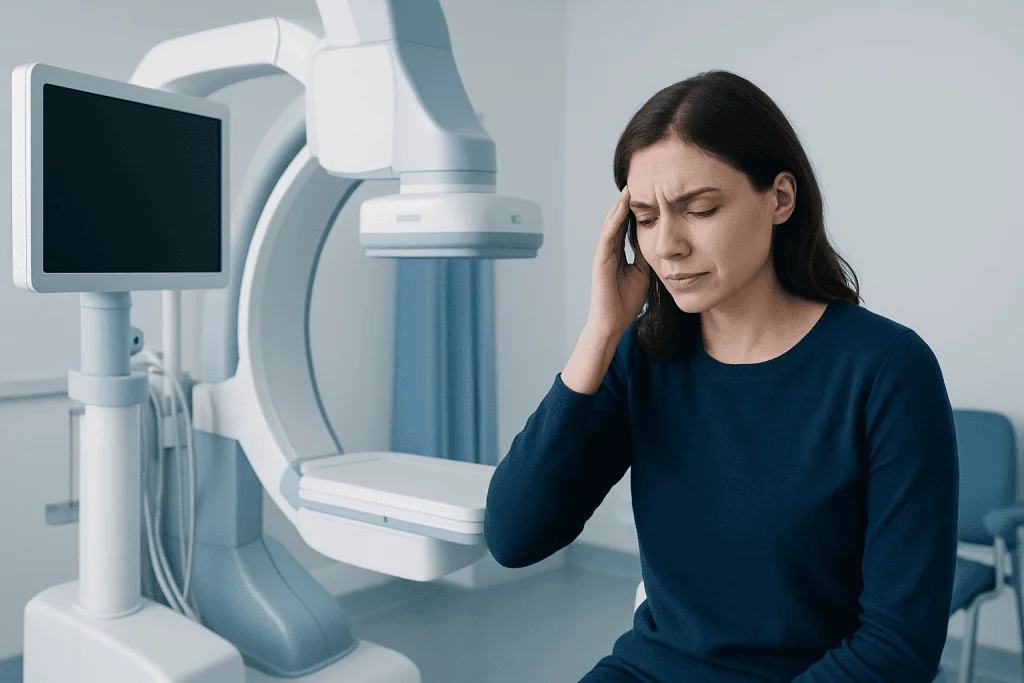
One of the most effective first steps is hydration. Even mild dehydration can contribute to headache. Drinking water slowly over time may help, especially if the person has been active, has not had enough fluids, or has consumed alcohol. Eating a balanced snack or meal can also help if the headache is related to low blood sugar from skipping meals.
Resting in a quiet, dark, and cool room may reduce discomfort, particularly for people who are sensitive to light or sound. Limiting screen time, lowering brightness, and closing the eyes for a short period can also be helpful when eye strain is part of the problem.
Warm or cold compresses can be soothing. A cold pack on the forehead may help some migraine symptoms, while a warm compress on the neck and shoulders may ease a tension-type headache caused by tight muscles. Gentle neck stretches, shoulder rolls, and improving sitting posture can also reduce strain.
Some people benefit from relaxation techniques such as slow breathing, mindfulness, or a short period of quiet rest. Helpful self-care measures may include:
- Drinking water regularly
- Eating on time
- Taking breaks from screens
- Resting in a dark, calm room
- Using a cold or warm compress
- Practicing gentle stretching and stress reduction
Common Triggers That May Be Causing the Headache

Understanding triggers can help prevent repeated headaches. Stress is one of the most common triggers, especially for tension-type headaches. Long hours at a desk, jaw clenching, poor posture, and lack of sleep can all increase muscle tension in the head, neck, and shoulders.
Diet and daily routine also matter. Skipping meals, drinking too little water, drinking too much alcohol, or having too much or too little caffeine can all trigger headache in some people. Sudden caffeine withdrawal is a well-known cause, so changes in coffee, tea, or energy drink habits may be relevant.
Sensory and environmental triggers are also common. Bright lights, loud noise, strong smells, warm weather, and stuffy rooms may worsen headaches in sensitive individuals. Hormonal changes, especially around menstruation, can affect headache patterns as well.
If headaches happen often, keeping a simple diary may help identify patterns. It can include sleep, meals, fluids, stress level, screen time, menstrual cycle timing, and any activities or foods before the headache began. This information can be useful when discussing symptoms with a doctor.
How Relief Can Differ by Headache Type
Tension-type headaches are often described as a pressure or band-like tightness around the head. They may improve with stretching, massage, hydration, posture correction, and rest. These headaches are frequently linked with stress or muscle strain and are among the types most likely to respond to non-medicine care.
Migraine is different. It may cause throbbing pain, sensitivity to light or sound, nausea, or worsening with activity. Non-medicine support can still help, especially early in an episode. Resting in a dark quiet room, applying a cold pack, drinking fluids, and avoiding sensory triggers may reduce symptoms. People with repeated migraines may benefit from specialist evaluation for migraine management.
Headaches linked with sinus pressure can happen with nasal congestion, facial pressure, or an upper respiratory infection. In some cases, steam, hydration, and rest may help. However, not all facial-pressure headaches are sinus headaches, and many are actually migraine or tension-related.
Cervicogenic headaches, which begin with neck problems, may improve when neck strain is addressed through posture changes and guided physical therapy. If headaches are frequent, difficult to classify, or associated with neck pain, dizziness, or neurological symptoms, a doctor may recommend a fuller evaluation and possibly neurology care.
Daily Habits That Help Prevent Future Headaches
Prevention often starts with routine. Regular sleep, consistent meals, adequate hydration, and moderate physical activity can reduce the chance of common headaches. Going too long without eating, sleeping too little, or having an irregular daily schedule may make headaches more likely.
Screen and posture habits are especially important for students, office workers, and anyone spending long hours on a phone or computer. Taking regular breaks, adjusting screen height, relaxing the shoulders, and avoiding prolonged neck flexion can reduce eye and muscle strain. Good lighting may also help.
Stress management plays a major role for many people. Relaxation exercises, walking, stretching, mindfulness, and setting aside short breaks during the day may reduce headache frequency. Some people also benefit from checking whether jaw clenching, teeth grinding, or poor sleep quality are contributing factors.
Vision problems can sometimes lead to frontal headache or eye strain. If headaches often appear after reading or screen use, an eye exam may be useful. When symptoms suggest a structural, neurological, or persistent cause, doctors may consider further assessment, including MRI or other tests based on the person’s history and examination.
When a Headache Needs Medical Attention
Most headaches are not dangerous, but some patterns should be taken seriously. A person should seek prompt medical care for a sudden and very severe headache, often described as the worst headache of their life. Medical review is also important if a headache begins after a head injury or is linked with fainting, seizures, or loss of consciousness.
A headache also needs urgent attention if it happens with weakness, numbness, trouble speaking, confusion, double vision, or a new problem with balance. These can be warning signs of a neurological condition and should not be managed at home. New headaches in older adults, or headaches in people with cancer, immune suppression, or pregnancy, also deserve medical assessment.
Fever, stiff neck, rash, persistent vomiting, or marked sensitivity to light can sometimes suggest infection or another condition that needs urgent care. A headache that steadily worsens, wakes a person from sleep, or changes clearly from their usual pattern should also be evaluated.
Even if symptoms are not urgent, it is sensible to see a doctor if headaches happen often, interfere with work or daily life, or lead to frequent medicine use. Evaluation may include a neurological examination and, when appropriate, referral for brain and neurosurgery or other specialty care depending on the suspected cause.
How Doctors Diagnose and Treat Ongoing Headaches
Diagnosis begins with a careful history. Doctors usually ask when the headaches started, how often they happen, where the pain is located, what it feels like, how long it lasts, and what symptoms come with it. They also ask about sleep, stress, caffeine, vision, neck pain, medications, and family history.
A physical and neurological examination helps look for warning signs and guide further testing. Many people with common primary headaches, such as tension-type headache or migraine, do not need extensive testing if the history is typical and the examination is normal. However, imaging or blood tests may be recommended when symptoms are unusual, severe, or changing.
Treatment depends on the cause. For frequent tension headaches, the plan may include posture work, stress reduction, sleep improvement, and physical therapy. For migraine, care may involve trigger management, lifestyle changes, and preventive or acute treatment options discussed with a clinician. If another condition is suspected, treatment is directed at the underlying problem rather than the headache alone.
Near the end of the care pathway, coordinated support can be valuable for people with persistent or complex symptoms. Acibadem International’s multidisciplinary specialists and JCI-accredited hospitals diagnose and treat headache conditions for international patients when further assessment or specialist care is needed.
Frequently asked questions
What is the fastest way to get rid of a headache without medicine?
The fastest non-medicine steps often include drinking water, resting in a dark quiet room, eating if a meal was missed, and using a cold or warm compress. The best option depends on the cause, but these simple measures are safe starting points for many mild headaches.
Can dehydration really cause a headache?
Yes. Dehydration can trigger or worsen headaches in some people, especially after exercise, heat exposure, illness, or not drinking enough fluids. Rehydrating gradually may help, though improvement may not be immediate.
Is coffee good or bad for headaches?
Caffeine can help some headaches but trigger others. For some people, too much caffeine or sudden caffeine withdrawal leads to headache, so it is often best to keep intake moderate and consistent.
Do cold packs or warm compresses work better?
It depends on the headache type. Cold packs are often helpful for migraine symptoms, while warmth may relax tight neck and shoulder muscles in tension-type headaches. A person can try both and see which feels better.
How do I know if my headache is from stress?
Stress-related headaches often feel like pressure or tightness on both sides of the head and may come with neck or shoulder tension. They are commonly linked with poor sleep, long work hours, posture strain, or emotional stress, but a doctor should assess frequent or changing symptoms.
When should a headache be considered an emergency?
Emergency care is important for a sudden severe headache, especially if it is unlike any previous headache. A headache with weakness, trouble speaking, confusion, seizures, fainting, fever, stiff neck, or after a head injury also needs urgent medical attention.
References
- World Health Organization
- National Institute of Neurological Disorders and Stroke
- American Migraine Foundation
- Mayo Clinic
- National Health Service
This article is for general information only and is not a substitute for professional medical advice. Please consult a qualified doctor about your individual situation.
Explore treatments in Turkey — costs, top hospitals & a free quote
JCI-accredited · board-certified surgeons · reply within 24h
Add us as a Preferred Source to see more of our trusted health content across Google Search, AI Overviews and Discover.