How to get rid of male breast? A Doctor-Reviewed Answer

Male breast enlargement can be caused by extra fat, enlarged gland tissue, or both. Diet and exercise may reduce chest fat, but they do not reliably remove true gynecomastia.
Key Takeaways
- Male breast enlargement can be caused by extra fat, enlarged gland tissue, or both.
- Diet and exercise may reduce chest fat, but they do not reliably remove true gynecomastia.
- A medical evaluation is important when breast enlargement is new, one-sided, painful, or associated with nipple discharge.
- Treatment may include reviewing medicines, treating an underlying condition, or surgery in selected cases.
- Early assessment can help identify hormone problems, medication effects, or rare serious causes.
How to get rid of male breast depends on what is causing the chest enlargement. If it is mainly excess fat, weight loss and exercise may help; if it is true gynecomastia caused by gland tissue, hormones, medicines, or another health issue, a doctor may recommend testing and specific treatment.
Overview: what helps and what does not
For people asking how to get rid of male breast, the most accurate answer is that treatment depends on the tissue involved. A fuller-looking male chest may be due to excess body fat, called pseudogynecomastia, or to enlarged breast gland tissue, called gynecomastia. Some people have a combination of both.
This difference matters because the solution is not always the same. Weight loss, strength training, and overall fat reduction may improve chest fullness caused mainly by fat. However, true gynecomastia often does not go away with exercise alone and may need a medical review to look for hormone changes, medication side effects, liver or kidney disease, thyroid problems, or other causes.
Many cases are not dangerous, and male breast enlargement is common during puberty, aging, and weight changes. Still, a careful evaluation is worthwhile if the change is recent, persistent, or concerning, because the best way to improve the chest appearance begins with understanding the cause.
Why male breast enlargement happens
Gynecomastia develops when breast gland tissue becomes more prominent, usually because of an imbalance between estrogen and androgen effects in the body. This can happen during normal life stages such as infancy, puberty, and older adulthood. In many teenagers, it improves over time without treatment.
Pseudogynecomastia is different. It refers to fat collecting in the chest area, often as part of general weight gain. It may look similar in the mirror, but it does not involve the same gland tissue growth. This is why some men notice improvement with weight reduction while others do not.
Other causes can include medicines, anabolic steroids, recreational drugs, alcohol overuse, thyroid disease, low testosterone, liver disease, kidney disease, and some tumors that affect hormone levels. Less commonly, a chest lump may be unrelated to gynecomastia and needs a separate assessment. A fuller discussion of true gland enlargement may be helpful on the page about gynecomastia.
How to tell fat from gynecomastia
Although only a doctor can confirm the cause, some patterns can offer clues. Pseudogynecomastia usually feels soft and tends to be part of overall body fat. Gynecomastia often feels like a firmer, rubbery disc beneath or around the nipple area. It can affect one or both sides and may be tender, especially when it first develops.
Appearance alone is not always enough to tell the difference. Someone who has lost weight but still notices a puffy or protruding chest may have persistent gland tissue rather than remaining fat. On the other hand, if chest fullness decreases along with overall weight loss, excess fat is more likely to be the main reason.
Doctors also look for warning signs that suggest a problem other than routine gynecomastia. These include a hard fixed lump, skin changes, nipple discharge, enlarged lymph nodes, or marked asymmetry. Those features do not automatically mean something serious, but they should be checked promptly.
What can help at home
If male breast appearance is related mainly to extra body fat, the most effective home approach is gradual, sustainable fat loss. Spot reduction is not reliable, so repeated chest exercises alone usually will not remove chest fullness. A balanced eating pattern, regular physical activity, good sleep, and limiting alcohol can all support overall weight management.
Exercise still matters, even though it cannot selectively remove gland tissue. Strength training can improve posture and build the chest, shoulders, and back, while aerobic activity helps reduce total body fat. For some people, this combination improves chest contour and confidence even before major weight changes occur.
It is also wise to review supplements, hormones, and non-prescribed substances. Anabolic steroids, testosterone used without supervision, and some bodybuilding products can contribute to breast enlargement. Stopping a possible trigger should be discussed with a doctor first, especially if it is a prescribed medicine.
- Focus on overall body fat reduction rather than chest-only workouts.
- Choose a realistic exercise routine that includes both cardio and resistance training.
- Avoid self-prescribing hormones or performance-enhancing substances.
- Seek medical advice before stopping any prescribed medication.
How doctors diagnose the cause
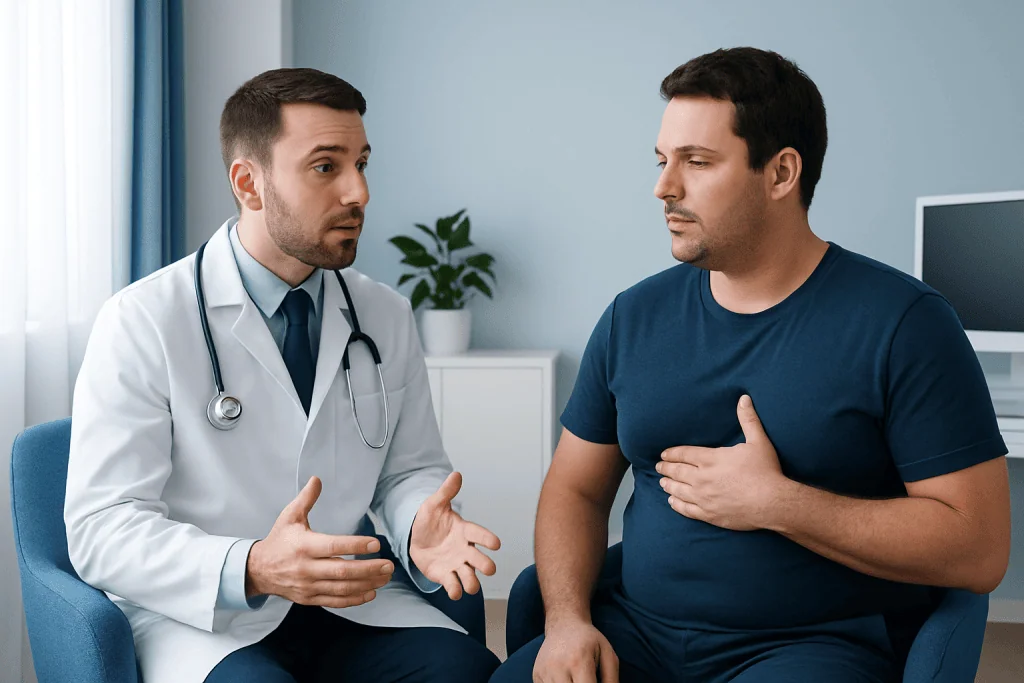
Medical assessment usually begins with a history and physical examination. The doctor may ask when the breast enlargement started, whether it is painful, whether one or both sides are involved, and whether there have been changes in weight, sexual function, energy, or medications. Information about alcohol, recreational drug use, and supplements can also be important.
During the exam, the clinician checks the chest tissue, testicles, thyroid, and signs of hormone imbalance or systemic illness. If the findings suggest true gynecomastia or an underlying condition, blood tests may be recommended. These can include hormone studies and tests related to liver, kidney, or thyroid function.
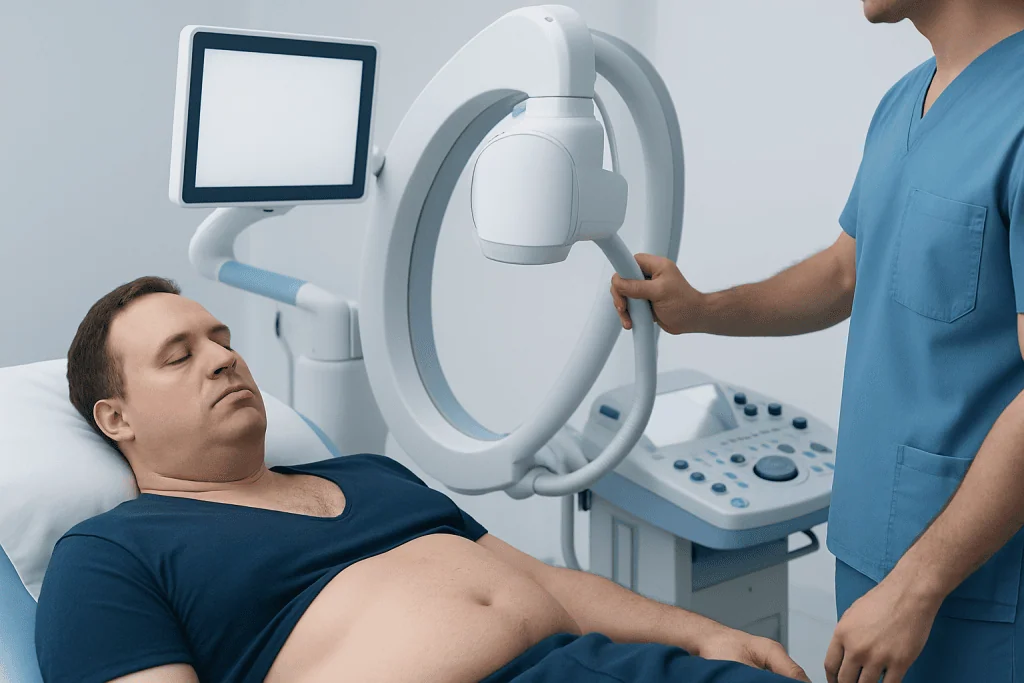
Imaging is not needed for everyone, but it may be used when the diagnosis is unclear or when there are concerning features. Breast imaging can help evaluate a lump, and testicular imaging may be considered in certain cases. In some people, evaluation also overlaps with broader hormone disorders if symptoms point to an endocrine cause.
Treatment options: from observation to surgery
Treatment is guided by the cause, duration, symptoms, and how much the condition affects daily life. If gynecomastia is recent and linked to puberty, doctors may recommend watchful waiting because many cases improve naturally. If a medicine or substance is contributing, treatment may begin with adjusting or stopping it under medical supervision. If there is an underlying disease, that condition should be treated directly.
When gynecomastia is persistent, painful, or emotionally distressing, more active treatment may be considered. In selected cases, doctors may use medication to address hormone-related causes, especially when symptoms are caught early. These decisions are individualized and depend on age, timing, overall health, and test results.
For long-standing gland tissue or mixed enlargement that does not respond to non-surgical measures, surgery may be the most effective option. Procedures may involve gynecomastia surgery to remove gland tissue, sometimes combined with liposuction when excess fat is also present. If the chest shape problem is tied closely to obesity, structured obesity treatment may also be part of care planning.
At centers such as Acibadem International, multidisciplinary specialists in endocrinology, radiology, and surgery evaluate male breast enlargement and offer treatment for international patients in JCI-accredited hospitals when needed.
When to seek medical care
A doctor should assess male breast enlargement if it appears suddenly, is limited to one side, becomes painful, or lasts longer than expected. Medical review is also important if there is nipple discharge, a hard lump, skin dimpling, or swelling in the armpit. These signs often turn out to have a treatable explanation, but they should not be ignored.
People should also seek care if they have symptoms suggesting a hormone or systemic problem, such as reduced libido, erectile problems, infertility, testicular changes, unexplained weight loss, tremor, jaundice, or significant fatigue. Persistent concern about body image or emotional distress is another valid reason to ask for help.
Prompt evaluation does not necessarily mean surgery will be needed. Often, the first step is simply confirming whether the issue is fat, gland tissue, or a combination, then choosing the least invasive effective approach.
Frequently asked questions
Can exercise get rid of male breast?
Exercise can help if the chest fullness is due mainly to excess body fat. It improves overall fat loss and muscle tone, but it does not reliably remove true gynecomastia, which is caused by enlarged gland tissue.
How do people know if it is gynecomastia or just fat?
Chest fat usually feels soft and often occurs with general weight gain. Gynecomastia often feels firmer under the nipple area and may be tender, but a doctor may still need to examine the chest and sometimes order tests to confirm the cause.
Does male breast enlargement go away on its own?
It can, especially during puberty, when temporary hormone changes are common. In adults, whether it improves depends on the cause, how long it has been present, and whether a medicine, hormone issue, or another condition is involved.
What medicines can cause male breast enlargement?
A range of medicines may contribute, including some hormone treatments, anti-androgens, certain psychiatric medicines, and some drugs used for heart or digestive conditions. People should not stop prescribed medication on their own, but should ask a doctor whether an alternative is possible.
Is surgery the only way to get rid of gynecomastia?
No. Treatment may include observation, addressing an underlying illness, or changing a contributing medicine. Surgery is usually considered when gland tissue persists, causes symptoms, or remains bothersome despite non-surgical steps.
When should someone worry about male breast enlargement?
Medical attention is especially important if there is a hard lump, nipple discharge, skin changes, rapid growth, marked asymmetry, or enlargement on only one side. These signs do not always mean a serious problem, but they deserve prompt evaluation.
References
- National Institute of Diabetes and Digestive and Kidney Diseases
- MedlinePlus
- Mayo Clinic
- American Society of Plastic Surgeons
- Endocrine Society
This article is for general information only and is not a substitute for professional medical advice. Please consult a qualified doctor about your individual situation.
Medical weight-loss options in Turkey — costs & eligibility
JCI-accredited · board-certified surgeons · reply within 24h
Add us as a Preferred Source to see more of our trusted health content across Google Search, AI Overviews and Discover.
Check your numbers in seconds
BMI, calories, due date, blood pressure and 30+ more clinical calculators — free, instant, doctor-reviewed ranges.