How to Get Rid of Milia? Causes, Explanations, and Next Steps

Milia are common, harmless keratin-filled cysts that often appear around the eyes, cheeks, nose, or forehead. The safest way to get rid of milia is usually professional evaluation and, when needed, simple in-office removal rather than squeezing at home.
Key Takeaways
- Milia are common, harmless keratin-filled cysts that often appear around the eyes, cheeks, nose, or forehead.
- The safest way to get rid of milia is usually professional evaluation and, when needed, simple in-office removal rather than squeezing at home.
- Persistent, inflamed, painful, or changing bumps should be checked by a doctor to confirm the diagnosis.
- Doctors diagnose milia mainly by examining the skin and distinguishing them from acne, xanthelasma, or other small bumps.
- Gentle skin care and avoiding heavy products, trauma, and picking may help reduce recurrence in some people.
Milia are tiny white or yellowish cysts that are usually harmless and often do not need urgent treatment. If someone wants to get rid of milia, the safest next steps are gentle skin care, avoiding picking, and seeking medical advice when bumps persist, spread, or look unusual.
Overview: How to Get Rid of Milia
For most people, milia are harmless and not a sign of poor hygiene, infection, or serious illness. If someone is wondering how to get rid of milia, the safest answer is usually to avoid squeezing or scraping them and to consider gentle skin care first, followed by a doctor’s assessment if the bumps persist or are cosmetically bothersome.
Red flags that warrant medical review include bumps that become red, painful, swollen, itchy, or rapidly change in size or number, as well as lesions near the eyelids that interfere with vision or skin changes that do not clearly look like milia. A doctor can usually confirm the diagnosis with a close skin examination and explain whether no treatment, skin-care changes, or a simple in-office procedure is the best next step.
Milia are tiny cysts that form when keratin, a skin protein, becomes trapped just under the surface of the skin. They often appear as firm white or yellowish pinpoint bumps, especially on the face. Although they can resemble whiteheads, milia are different and usually do not respond to acne squeezing or spot treatments in the same way.
Adults and children can both develop milia. In newborns, they are especially common and often clear on their own. In older children and adults, milia may persist longer and sometimes follow skin irritation, injury, or use of heavier skin products.
What Milia Look and Feel Like
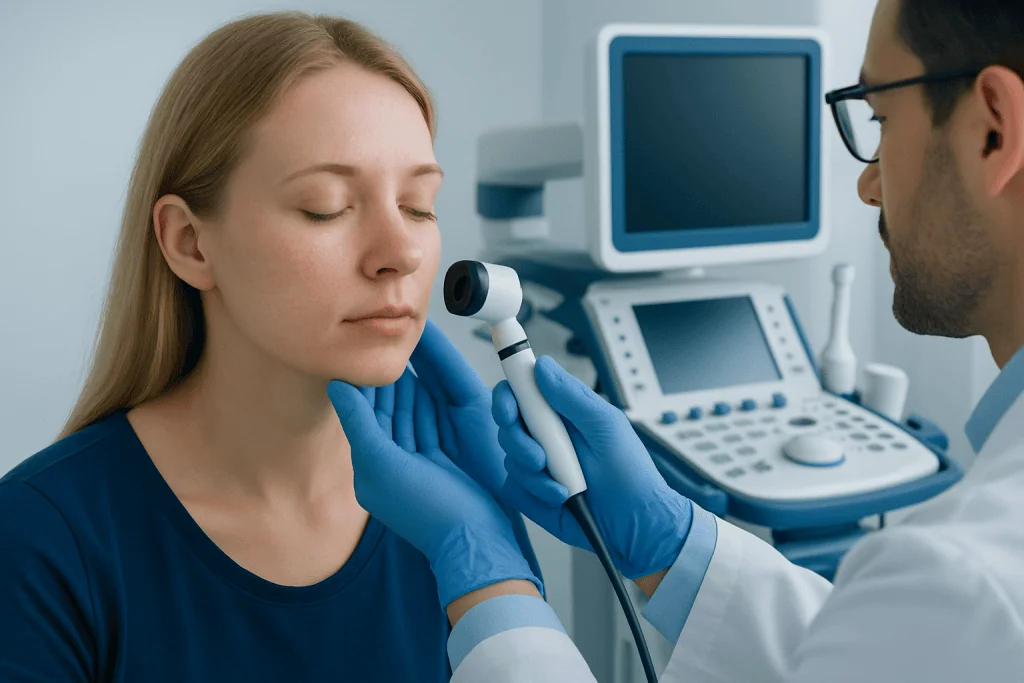
Milia usually appear as very small, round, dome-shaped bumps that are white, cream, or slightly yellow. They are commonly found around the eyes, on the cheeks, forehead, nose, or chin, but they can also occur elsewhere on the body. Most are firm to the touch and do not have the soft center or visible opening that a pimple may have.
These bumps are usually painless and not inflamed. Many people notice them because of their texture or appearance rather than because they cause symptoms. If a bump is tender, itchy, draining, crusting, bleeding, or associated with widespread rash, it may not be a simple milium and should be assessed more carefully.
Milia can occur as one or several lesions. Some people develop a few isolated spots, while others notice clusters, especially after skin irritation or cosmetic product buildup. Their stable, pearly appearance often helps distinguish them from acne spots, although this is not always easy without an expert eye.
- Common locations: eyelids, under-eye area, cheeks, forehead, nose
- Typical size: very small, often pinhead-sized
- Typical symptoms: none, aside from cosmetic concern
- Less typical features needing review: redness, pain, ulceration, rapid growth, or pigment change
Causes and Risk Factors

Milia develop when dead skin cells and keratin become trapped beneath the skin instead of shedding normally. This can happen without any obvious trigger, which is why many people with otherwise healthy skin still get them. Primary milia arise on their own, while secondary milia may appear after skin injury or inflammation.
Possible triggers include burns, blistering conditions, rashes, friction, long-term sun damage, and skin procedures that temporarily disrupt the outer layer of skin. Heavy or highly occlusive creams, oils, and cosmetics may contribute in some people, especially around the delicate eye area, although they are not the sole cause.
Age can also play a role. Newborns commonly develop milia because their skin is still adapting after birth, and these usually clear naturally. In adults, recurrence may be more likely in people with chronic sun exposure, certain skin conditions, or repeated irritation. People being treated for acne may also confuse milia with comedones from acne, even though the two are not the same lesion.
Sometimes milia develop after the skin heals from trauma or inflammation. This is one reason doctors ask about recent peels, laser procedures, rashes, or use of strong active ingredients. Understanding what came before the bumps can help guide prevention and treatment.
How Doctors Diagnose Milia
Diagnosis is usually made during a clinical skin examination. A doctor looks at the size, color, firmness, location, and pattern of the bumps and asks how long they have been present, whether they are changing, and whether there has been any recent skin irritation or treatment. In most cases, no blood test or scan is needed.
The main goal is to distinguish milia from other small facial bumps. Depending on the appearance, a doctor may consider whiteheads, syringomas, sebaceous hyperplasia, xanthelasma, warts, tiny cysts, or lesions related to inflammation. If a lesion has unusual features, a specialist may use dermoscopy or, rarely, take a small sample for further evaluation.
This step matters because treatment depends on the exact diagnosis. What looks like a simple white bump may need a different approach if it is actually an acne lesion, cholesterol-related plaque, or another benign growth. When facial bumps are persistent or cosmetically significant, a review by a skin specialist can be especially helpful, including assessment through dermatology care.
If milia occur alongside irritation, rash, or eyelid symptoms, the clinician may also review the person’s skin-care routine, medications, and cosmetic products. This practical review often helps identify factors that may be maintaining the problem.
Treatment Options: What Helps and What to Avoid
The best treatment depends on age, location, and how long the milia have been present. In babies, treatment is often unnecessary because the bumps usually resolve on their own. In older children and adults, persistent milia may be removed in a clinic by a trained professional using sterile techniques, especially when they are near the eyes or in visible areas.
Common medical options include careful extraction with a sterile instrument, electrocautery in selected cases, or treatment of the underlying skin condition if secondary milia are present. Some patients may also benefit from topical retinoids or other physician-guided skin treatments, but these are not appropriate for everyone and should be used with medical advice, especially around sensitive skin.
What should be avoided is just as important. Trying to pop milia at home with fingernails, needles, or exfoliating tools can injure the skin, increase the risk of infection, and lead to scarring or pigment changes. Harsh scrubs and repeated picking often make the area more irritated without removing the cyst.
When milia are part of a broader skin-texture concern, doctors may discuss individualized options such as superficial resurfacing or chemical peel treatment in carefully selected patients. If the bumps are close to the eyelids or there is uncertainty about the diagnosis, referral for more specialized evaluation may be safer than home treatment.
Prevention and Self-Care
There is no guaranteed way to prevent every milium, but a gentle routine may reduce the chance of recurrence for some people. Washing with a mild cleanser, avoiding aggressive rubbing, and using non-comedogenic skin-care and makeup products can support normal skin turnover without causing extra irritation.
For adults prone to recurring bumps, it may help to review heavy eye creams, thick occlusive products, or frequent use of products that leave residue on the skin. Sun protection is also useful because long-term sun damage can thicken the skin and may contribute to texture changes over time.
Exfoliation should be approached carefully. Some people benefit from doctor-guided use of ingredients that encourage skin renewal, while others develop more irritation if they overuse acids, retinoids, or scrubs. The goal is balance rather than forcing the bumps out. When self-care is not enough, a tailored plan through skin care and dermatology support may be appropriate.
- Use a gentle cleanser and moisturizer suited to the skin type
- Avoid picking, squeezing, or home extraction
- Choose lighter, non-comedogenic products when possible
- Protect the skin from excessive sun exposure
- Seek advice before using strong exfoliants around the eyes
When to Seek Medical Care
Medical review is sensible when bumps do not improve over time, keep coming back, spread widely, or cause cosmetic distress. It is also important if the lesion is painful, inflamed, bleeds, crusts, changes color, or does not clearly fit the typical look of milia. These features do not necessarily mean something serious, but they do deserve proper assessment.
People should also seek care if bumps appear after a burn, rash, cosmetic procedure, or another skin problem, because treatment may need to address the underlying issue as well. Lesions near the eyelids should be handled with extra care because the skin is delicate and home removal can be risky.
A specialist can help confirm whether the bumps are truly milia or another condition that needs a different approach. In some cases, facial bumps that seem similar may be related to rosacea or other skin disorders that require ongoing management rather than simple extraction alone.
For international patients who need expert evaluation, Acibadem International’s multidisciplinary specialists in JCI-accredited hospitals diagnose and treat skin conditions with individualized care plans. The most appropriate next step is always a qualified medical assessment based on the person’s symptoms, skin type, and medical history.
Frequently asked questions
Can milia go away on their own?
Yes, milia can go away on their own, especially in newborns. In adults, they may last longer and sometimes need professional removal if they persist or are bothersome.
Is it safe to pop milia at home?
No, popping milia at home is generally not recommended. Squeezing or using needles can damage the skin, cause infection, and leave scars or discoloration.
Are milia the same as whiteheads?
No, milia are not the same as whiteheads. Whiteheads are a type of acne lesion linked to clogged pores, while milia are tiny keratin-filled cysts beneath the skin surface.
What products may help prevent milia?
Gentle cleansers, non-comedogenic moisturizers, and lighter cosmetic products may help reduce recurrence in some people. A doctor may sometimes recommend carefully chosen exfoliating or retinoid products, depending on the skin type and location of the bumps.
When should someone see a doctor for milia?
A doctor should be consulted if the bumps are painful, red, spreading, changing, or not clearly typical of milia. Medical advice is also useful when lesions are close to the eyes or persist despite simple skin-care changes.
Can milia happen after skin treatments or irritation?
Yes, secondary milia can appear after burns, rashes, blistering, or cosmetic procedures that disrupt the skin. In these situations, the doctor may also look for an underlying trigger that needs treatment.
References
- American Academy of Dermatology
- National Health Service
- MedlinePlus
- DermNet
- Mayo Clinic
This article is for general information only and is not a substitute for professional medical advice. Please consult a qualified doctor about your individual situation.
Explore treatments in Turkey — costs, top hospitals & a free quote
JCI-accredited · board-certified surgeons · reply within 24h
Add us as a Preferred Source to see more of our trusted health content across Google Search, AI Overviews and Discover.
Check your numbers in seconds
BMI, calories, due date, blood pressure and 30+ more clinical calculators — free, instant, doctor-reviewed ranges.

More from the Health Library



Related Specialists

Assoc. Prof. Dr. Çetin Kılıççı
Gynecology & Obstetrics
Prof. Dr. Mert Akan
Anesthesiology
Prof. Dr. Meltem Serin
Radiation Oncology
Psk. Deniz Keskin
Psychology