

How to Get Rid of Ppp Without Surgery: Procedure, Recovery and Results

PPP are a normal anatomical variation, not a sexually transmitted infection and not a sign of poor hygiene. The safest non-surgical approach is often reassurance after an examination confirms the diagnosis.
Key Takeaways
- PPP are a normal anatomical variation, not a sexually transmitted infection and not a sign of poor hygiene.
- The safest non-surgical approach is often reassurance after an examination confirms the diagnosis.
- Home remedies, cutting, squeezing, acids and unregulated creams can cause burns, scarring and infection.
- Dermatology or urology specialists may offer cosmetic removal using carefully selected in-office procedures.
- A medical assessment is important if bumps are new, painful, itchy, ulcerated, bleeding or changing.
Pearly penile papules (PPP) are harmless, noninfectious small bumps that commonly appear around the head of the penis. They do not require treatment, and there is no safe proven home method to remove them; people who want removal for cosmetic reasons can discuss clinician-performed options such as laser treatment or electrosurgery.
Overview: Can PPP Be Removed Without Surgery?
How to get rid of PPP without surgery usually starts with confirming that the bumps are pearly penile papules. PPP are tiny, smooth, skin-colored or whitish bumps arranged in one or more rows around the rim of the glans, or head, of the penis. They are benign, common and not harmful, so no treatment is medically necessary.
There is no reliable, safe home treatment that removes PPP. If their appearance causes distress, a dermatologist or urologist may discuss minimally invasive, clinician-performed cosmetic options, including laser treatment or electrosurgery. These approaches are not traditional open surgery, but they still involve procedures and should only be carried out by experienced professionals.
PPP are not caused by sexual activity, do not spread between partners and are not related to poor personal hygiene. A careful examination can distinguish them from genital warts and other skin changes, helping a person avoid unnecessary treatment and anxiety.
How Clinician-Performed PPP Removal Works
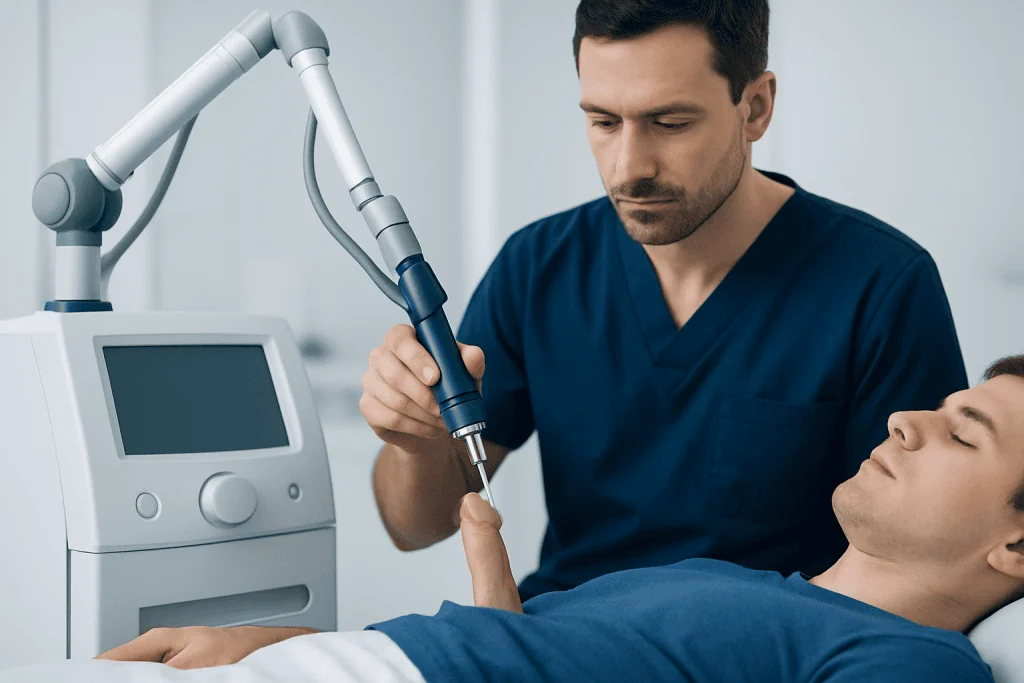
Because PPP are harmless, the first and often most appropriate option is education and reassurance. Many people decide against removal once they understand that PPP do not affect sexual function, fertility or general health. If removal remains a personal preference, the clinician will review the expected cosmetic benefit alongside the possibility of temporary irritation, pigment changes or scarring.
Common in-office approaches may include carbon dioxide laser treatment, electrosurgery or radiofrequency-based removal. These methods use controlled energy to remove the surface papules while limiting injury to surrounding skin. The most suitable approach depends on the number and location of papules, skin characteristics, medical history and the clinician’s experience.
Procedures should not be confused with over-the-counter wart treatments. Products containing acids or freezing agents are designed for other conditions and may injure sensitive genital skin. A specialist can also help rule out conditions that may need different care, such as genital warts.
Candidacy and Step-by-Step Procedure

A person may be a candidate for cosmetic PPP removal when the diagnosis is clear, the papules are stable and the individual understands that treatment is optional. A clinician will ask about symptoms, prior genital skin conditions, medications, allergies, tendency to scar and any history that could affect healing. Examination is usually sufficient; testing or biopsy is only occasionally needed when the appearance is not typical.
On the day of treatment, the area is examined again and the planned treatment sites are identified. A topical or local anesthetic may be used to improve comfort. The clinician then treats the papules one at a time or in small groups using the selected device, while protecting nearby tissue.
Afterward, the area may look mildly red, swollen or crusted. The patient receives individualized instructions on gentle cleansing, avoiding friction and watching for signs of infection. For people considering an energy-based aesthetic procedure, laser treatment can be discussed after a specialist evaluation to determine whether it is appropriate for the genital area.
Recovery Timeline, Results, Benefits and Risks
Recovery varies with the method used and the extent of treatment. Mild tenderness, redness and swelling may occur during the first few days. Small crusts can form after some procedures and should be allowed to heal naturally rather than picked or scrubbed. Healing often occurs over days to a few weeks, but the clinician should provide the expected timeline for the specific technique used.
During recovery, patients are commonly advised to keep the area clean, use only products recommended by the treating clinician and avoid sexual activity or masturbation until the skin has healed. Tight clothing, heat and friction may worsen irritation. Follow-up may be recommended to check healing and discuss whether any remaining papules need further treatment.
The potential benefit is a smoother cosmetic appearance and reduced self-consciousness for some people. Risks can include pain, bleeding, infection, temporary color changes, uneven texture, scarring or an unsatisfactory cosmetic result. PPP can also remain or appear to recur if not all papules are treated, so no procedure can promise a perfect or permanent outcome.
Does HPV Look Like PPP?
Human papillomavirus (HPV) can cause genital warts, which may sometimes be mistaken for PPP. However, PPP are typically uniform, smooth and arranged symmetrically around the edge of the glans. They usually remain stable over time and do not cause discomfort.
Genital warts may be flesh-colored, pink or gray and can have an irregular, rough or cauliflower-like surface. They may occur in different locations on the genitals and can increase in number or size. HPV-related warts are sexually transmitted, whereas PPP are not infectious.
Appearance alone is not always enough for a person to diagnose genital bumps accurately. A sexual health clinician, dermatologist or urologist can assess new or uncertain lesions and recommend testing or treatment when needed. Avoid using wart-removal products until a healthcare professional has made the diagnosis.
How Much Would It Cost to Get Rid of PPP?
The cost of PPP removal varies substantially because it is usually considered a cosmetic procedure rather than medically necessary treatment. The total can depend on the country, clinic, clinician’s expertise, procedure type, number of papules, anesthesia needs, follow-up visits and whether more than one session is advised.
Health insurance may not cover cosmetic removal, although coverage rules differ between policies and regions. A clinic can provide an individualized estimate after confirming the diagnosis and discussing the treatment plan. It is reasonable to ask what the estimate includes, such as consultation, procedure fees, aftercare and any follow-up appointments.
Cost should not be the only factor in choosing care. Genital skin is sensitive, and treatment by an appropriately trained medical professional can reduce avoidable risks associated with unregulated products or nonmedical providers.
Does It Hurt to Get PPP Removed?
PPP removal can cause some discomfort, but clinicians commonly use topical numbing cream, local anesthetic or both to make the procedure more tolerable. During treatment, a person may notice brief warmth, pressure or a stinging sensation, depending on the method used.
After the anesthetic wears off, mild soreness, tenderness or burning can occur for a short period. The treating clinician can advise on appropriate comfort measures and skin care. Pain that becomes severe, worsens rather than improves, or is accompanied by spreading redness, pus, fever or difficulty urinating should be assessed promptly.
Discussing anxiety and pain concerns before treatment is useful. The clinician can explain what to expect, whether treatment should be done in one or more sessions and which recovery steps may make healing more comfortable.
When to Seek Medical Care
Medical assessment is recommended when genital bumps are new, changing, painful, itchy, bleeding, ulcerated, spreading or associated with discharge, fever or urinary symptoms. It is also important to seek care after possible exposure to a sexually transmitted infection or when there is uncertainty about whether the bumps are PPP.
People should avoid self-removal using scissors, needles, nail clippers, acid preparations, herbal products or home freezing devices. These methods can damage delicate tissue and may make it harder for a clinician to identify the original condition. A dermatologist, urologist or sexual health specialist can provide a safe diagnosis and discuss options.
Acibadem International’s multidisciplinary specialists and JCI-accredited hospitals can assess genital skin concerns and discuss appropriate treatment options for international patients. The most helpful next step is a consultation focused on diagnosis, personal concerns and informed decision-making rather than treating a harmless normal variation unnecessarily.
Frequently asked questions
Can pearly penile papules go away on their own?
PPP may become less noticeable with age for some people, but they often remain present. They are harmless and do not need treatment. A healthcare professional can confirm whether the bumps are PPP if there is uncertainty.
Can I use a cream to remove pearly penile papules?
No over-the-counter cream has been proven safe and effective for removing PPP. Wart removers, acids and other strong topical products can burn or scar genital skin. It is safest to speak with a dermatologist or urologist before applying any product.
Are pearly penile papules contagious?
No. PPP are not caused by an infection and cannot be passed to a sexual partner. They are not HPV and are not considered a sexually transmitted infection.
Can PPP come back after removal?
A treated papule may not return, but untreated papules can remain and some may become noticeable later. Results depend on the technique used and the extent of treatment. A clinician can explain the possibility of residual or recurrent-looking bumps before a procedure.
Should a person tell a sexual partner about PPP?
PPP are harmless and noncontagious, so there is no medical requirement to disclose them. Some people choose to discuss them with a partner to prevent misunderstanding. Explaining that a clinician has confirmed they are benign can be reassuring.
What doctor removes pearly penile papules?
A dermatologist or urologist is commonly qualified to diagnose PPP and discuss removal options. A sexual health clinician may also assess genital lesions, particularly when a sexually transmitted infection needs to be ruled out. The best choice depends on local services and the nature of the skin concern.
References
- American Academy of Dermatology
- Centers for Disease Control and Prevention
- National Health Service
- DermNet
- Urology Care Foundation
This article is for general information only and is not a substitute for professional medical advice. Please consult a qualified doctor about your individual situation.
Explore treatments in Turkey — costs, top hospitals & a free quote
JCI-accredited · board-certified surgeons · reply within 24h
Add us as a Preferred Source to see more of our trusted health content across Google Search, AI Overviews and Discover.

More from the Health Library



Related Specialists

Dr. Parısa Sadat Hosseını
Anesthesiology
Dr. Meliha Kovancı Bayraktaroğlu
Gynecology & Obstetrics
Dr. Şafak Çakmakçı
Ophthalmology
Dr. Mürüvvet Ayten Tüzünalp
Ophthalmology