

How to Get Sick? Here Is What the Evidence Says

There is no safe, reliable, or medically advisable method for intentionally becoming ill. Most short-term illness is caused by viruses, bacteria, foodborne germs, allergies, poor sleep, dehydration, or chronic health conditions.
Key Takeaways
- There is no safe, reliable, or medically advisable method for intentionally becoming ill.
- Most short-term illness is caused by viruses, bacteria, foodborne germs, allergies, poor sleep, dehydration, or chronic health conditions.
- Many mild illnesses improve with rest, fluids, and symptom monitoring, but some symptoms need prompt medical attention.
- Doctors diagnose the reason someone feels sick by reviewing symptoms, exposure history, examination findings, and sometimes lab tests or imaging.
- Good hand hygiene, vaccinations, sleep, nutrition, and avoiding known exposures lower the risk of many common illnesses.
There is no safe or medically recommended way to "get sick." In most cases, feeling unwell happens because of infections, environmental exposures, stress on the body, or an underlying condition, and the safest approach is to understand the cause rather than try to trigger illness.
Overview: what the evidence says
People sometimes search for how to get sick out of curiosity, stress, school or work pressure, or because they are trying to make sense of why illness happens. From a medical perspective, there is no safe or appropriate method to intentionally become ill. Illness is not a controlled event, and even a problem that seems minor at first can lead to dehydration, complications, or the uncovering of a more serious underlying condition.
In everyday life, most short-lived illnesses are harmless and improve on their own. Common examples include viral upper respiratory infections, mild stomach bugs, or temporary fatigue after poor sleep, travel, or dehydration. The most important step is not learning how to get sick, but understanding what usually causes people to feel unwell and how to respond safely.
Red flags deserve more attention. High fever, trouble breathing, chest pain, severe vomiting, confusion, dehydration, a widespread rash, or symptoms that are worsening rather than improving should be reviewed by a qualified clinician. A doctor can then identify whether the cause is infectious, allergic, inflammatory, digestive, or related to another health issue.
How people usually become ill
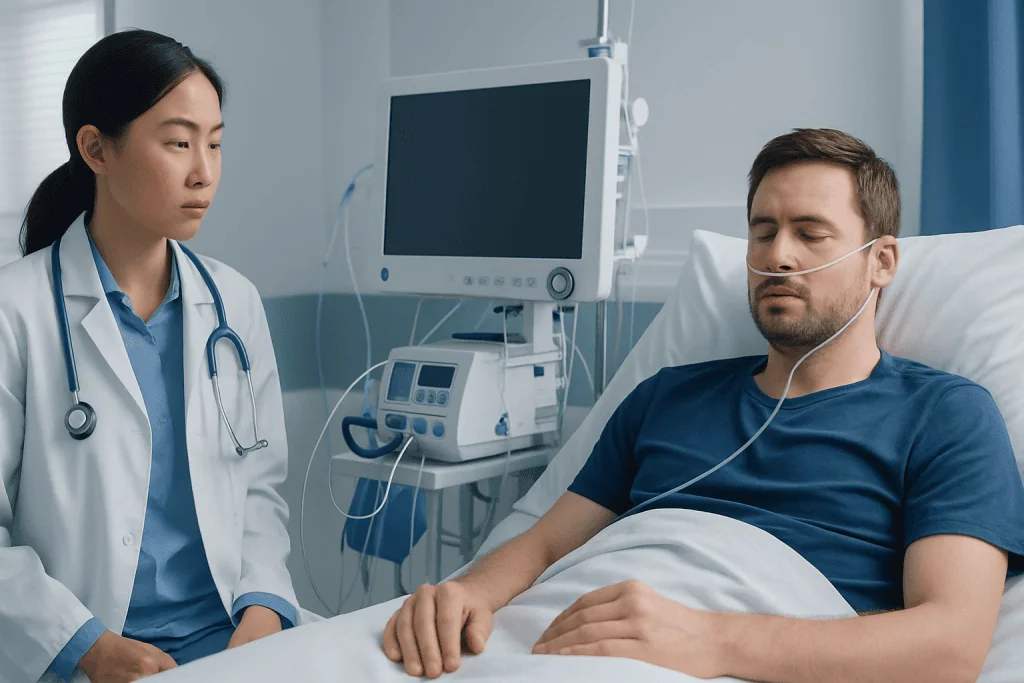
Most illnesses happen when the body is exposed to an infection or another stressor it cannot fully adapt to at that moment. Viruses and bacteria are among the most common causes. These germs spread through close contact, respiratory droplets, contaminated hands, shared surfaces, unsafe food, or untreated water. Whether exposure leads to illness depends on the type of germ, how much exposure occurred, and how the immune system responds.
Not all feeling sick is caused by infection. Some people feel unwell because of allergies, side effects from medication, dehydration, lack of sleep, heavy alcohol use, overheating, migraines, or blood sugar changes. Digestive upset may follow food poisoning, food intolerance, or conditions such as gastroenteritis. Fatigue, feverish feelings, and body aches can also occur with inflammatory illnesses or as part of chronic medical disorders.
Individual risk is not the same for everyone. Young children, older adults, pregnant people, and those with chronic lung disease, diabetes, cancer treatment, or weakened immunity may become sick more easily or develop more significant symptoms. This is one reason medicine focuses on prevention and early evaluation rather than on trying to induce illness.
Common symptoms and what they may mean
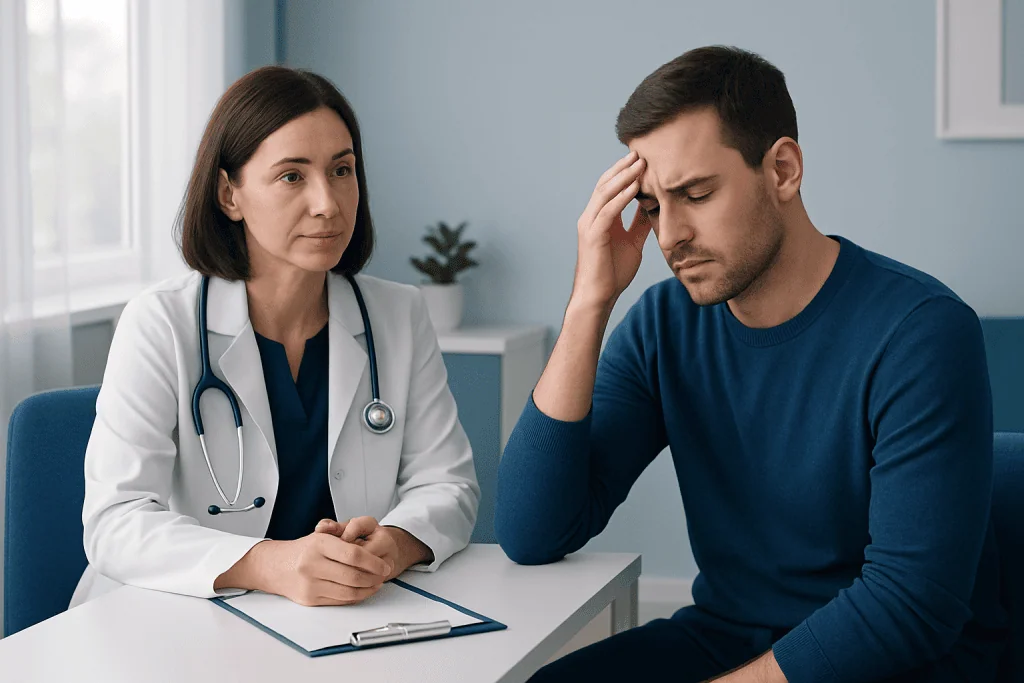
The sensation of being “sick” can mean many different things. Some people mean fever, chills, or body aches. Others mean nausea, cough, headache, sore throat, diarrhea, exhaustion, or a general sense that something is wrong. These symptoms often overlap, so doctors look at patterns rather than one symptom alone.
Respiratory symptoms such as a runny nose, sore throat, cough, sneezing, or mild fever often point to a viral infection. Stomach cramps, vomiting, or diarrhea may suggest foodborne illness or a viral digestive infection. Rash, itching, and swelling can fit with allergy, infection, or skin irritation. Persistent tiredness may reflect poor sleep, stress, anemia, thyroid disease, depression, or another noninfectious cause.
Some symptoms deserve urgent attention because they can signal a more serious problem. These include shortness of breath, blue lips, severe chest pain, fainting, stiff neck, inability to keep fluids down, severe abdominal pain, new weakness, or a high fever in a very young infant. When symptoms are intense, unusual, or rapidly progressing, a medical review is safer than self-diagnosis.
Why some people get sick more often
Getting sick often does not always mean the immune system is “weak,” but it may reflect repeated exposure or a health issue worth checking. People who work closely with children, travel frequently, live in shared housing, or spend time in crowded indoor spaces may encounter more viruses. Seasonal changes also matter, as respiratory infections spread more easily during colder months when people stay indoors.
Lifestyle factors can lower the body’s resilience. Poor sleep, high stress, smoking, limited physical activity, heavy alcohol use, and inadequate nutrition may make recovery harder and can increase vulnerability to infection. Hand-to-face habits, inconsistent handwashing, and poor food safety practices also raise risk. In some cases, repeated illness is linked to asthma, chronic sinus disease, allergies, or conditions such as influenza during seasonal outbreaks.
Sometimes frequent illness points to an underlying medical condition. Diabetes, anemia, kidney disease, autoimmune disorders, or medications that suppress immunity can all affect how the body handles infections. A clinician may consider broader evaluation if someone is ill unusually often, has infections that are severe or hard to treat, or loses weight, has night sweats, or experiences prolonged fatigue.
How a doctor finds the cause
When someone feels sick and the reason is not obvious, a doctor usually starts with a clear symptom history. They ask when symptoms began, whether there was fever, cough, vomiting, diarrhea, pain, rash, or fatigue, and whether anything makes symptoms better or worse. Recent travel, sick contacts, new foods, medication changes, workplace exposures, and vaccination history can all help narrow the possibilities.
The physical examination then looks for clues such as dehydration, throat inflammation, lung sounds, abdominal tenderness, swollen lymph nodes, skin changes, or signs of allergic reaction. In many mild viral illnesses, this may be enough to recommend home care and monitoring. If symptoms are more severe or prolonged, tests may be needed.
Possible tests include blood work, urine testing, throat swabs, stool tests, or imaging such as a chest X-ray. If breathing problems are present, doctors may assess oxygen levels and consider evaluation for infections like pneumonia. In more complex cases, clinicians may use a comprehensive check-up or diagnostic imaging to look for causes outside a simple self-limited infection.
Treatment and safe self-care
Treatment depends on the cause. Many viral illnesses improve with rest, fluids, lighter meals if needed, and over-the-counter symptom relief recommended by a clinician or pharmacist. Antibiotics do not treat viral infections, so they are only used when a bacterial illness is likely or confirmed. If symptoms are due to allergy, reflux, migraine, medication effects, or a chronic disease, treatment targets that underlying issue instead.
At home, practical self-care includes drinking enough fluids, getting sleep, avoiding alcohol if dehydrated or feverish, and paying attention to warning signs. People with vomiting or diarrhea may benefit from small frequent sips of fluid and bland foods as tolerated. If cough or cold symptoms are present, limiting close contact with others and washing hands regularly can reduce spread.
Medical treatment is more important when symptoms are persistent, severe, or affecting breathing, hydration, or daily function. Depending on the situation, a doctor may recommend internal medicine evaluation or referral to another specialty. Near the end of the care pathway, some international patients choose centers such as Acibadem International, where multidisciplinary specialists in JCI-accredited hospitals evaluate and treat common and complex causes of illness.
Prevention: the healthier question to ask
Instead of asking how to get sick, the more useful question is how to reduce the chances of illness. Evidence-based prevention begins with handwashing, staying current with recommended vaccines, sleeping regularly, eating a varied diet, and keeping shared spaces well ventilated when respiratory infections are circulating. Avoiding close contact with people who are acutely ill can also help.
Food and water safety matter just as much. Proper refrigeration, cooking foods thoroughly, washing produce, and using clean drinking water lower the risk of stomach infections. During travel, extra care with water, ice, and uncooked foods may be sensible depending on the destination. For people who get sick often, it may help to review daily routines, stress levels, and chronic conditions with a doctor.
Prevention also includes knowing personal triggers. Some people repeatedly feel “sick” because of migraine, reflux, allergies, skipped meals, or poor sleep rather than infection. Keeping a simple symptom diary can reveal patterns and make a medical consultation more productive if symptoms continue.
When to seek medical care
Medical advice is worth seeking if symptoms last longer than expected, keep returning, or interfere with normal eating, drinking, sleep, or daily activities. This is especially true for infants, older adults, pregnant people, and anyone with heart disease, lung disease, diabetes, cancer treatment, or a weakened immune system.
Prompt medical review is important for trouble breathing, chest pain, severe dehydration, confusion, fainting, a very stiff neck, seizures, blood in vomit or stool, or severe abdominal pain. A persistent high fever, worsening cough, or signs of low oxygen may need same-day assessment. If symptoms feel out of proportion to a common cold or stomach bug, it is reasonable to seek care earlier.
In an emergency, local emergency services should be used. For non-emergency concerns, a primary care doctor or urgent care clinician can often assess symptoms, decide whether tests are needed, and explain the next steps clearly and safely.
Frequently asked questions
Is there a safe way to intentionally get sick?
No. Medicine does not recommend trying to become ill, because there is no safe or predictable way to do it. Even a mild infection or episode of vomiting can lead to dehydration, missed complications, or spread to other people.
Why do people feel sick even when they do not have an infection?
Many noninfectious issues can cause the same general feeling, including dehydration, lack of sleep, stress, migraine, allergies, medication side effects, or blood sugar changes. Chronic medical conditions can also cause fatigue, nausea, aches, or poor appetite. A clinician looks at the full pattern of symptoms to tell these causes apart.
How can someone tell whether an illness is viral or bacterial?
Symptoms alone do not always give a definite answer. Viral illnesses often cause cough, congestion, sore throat, aches, and fatigue that improve with time, while some bacterial infections cause more localized symptoms or persist longer, but there is overlap. A doctor may use the exam and, if needed, tests to decide whether antibiotics are appropriate.
When should repeated illness be checked by a doctor?
It is sensible to seek evaluation if illnesses happen very often, are unusually severe, last a long time, or are accompanied by weight loss, night sweats, or prolonged fatigue. Frequent infections can reflect repeated exposure, but sometimes they suggest asthma, allergies, diabetes, anemia, or an immune-related problem.
What should someone do first when they start feeling sick?
Rest, hydrate, and monitor the main symptoms such as fever, cough, vomiting, diarrhea, pain, or shortness of breath. It can help to note when symptoms started and whether there was a recent sick contact, travel, or suspicious food exposure. If symptoms worsen or warning signs appear, medical care should be sought.
Can stress or poor sleep really make someone feel sick?
Yes. High stress and sleep loss can lead to fatigue, headache, nausea, low appetite, body aches, and a reduced ability to cope with infections. They may not directly cause a specific infection, but they can make people feel unwell and may affect recovery.
References
- Centers for Disease Control and Prevention
- World Health Organization
- National Institutes of Health
- American Academy of Family Physicians
- Mayo Clinic
This article is for general information only and is not a substitute for professional medical advice. Please consult a qualified doctor about your individual situation.
Explore treatments in Turkey — costs, top hospitals & a free quote
JCI-accredited · board-certified surgeons · reply within 24h
Add us as a Preferred Source to see more of our trusted health content across Google Search, AI Overviews and Discover.

More from the Health Library


Related Specialists

Dr. Hüseyin Demir
Neurosurgery
Dr. Buket Karsavuranoğlu Seven
Internal Medicine
Fzt. Ömür Akgül
Physical Medicine & Rehabilitation
Dr. Egemen Duygu
Cardiology