How to Improve Posture? Here Is What the Evidence Says

Most posture problems are related to habits, muscle balance, work setup, and prolonged sitting rather than a serious disease. Evidence supports regular movement, strength training, flexibility work, and ergonomic changes more than trying to hold a rigid "perfect" posture all day.
Key Takeaways
- Most posture problems are related to habits, muscle balance, work setup, and prolonged sitting rather than a serious disease.
- Evidence supports regular movement, strength training, flexibility work, and ergonomic changes more than trying to hold a rigid "perfect" posture all day.
- Posture that causes persistent pain, neurological symptoms, breathing issues, or a noticeable spinal deformity needs medical evaluation.
- Doctors assess posture by reviewing symptoms, daily activities, muscle strength, joint movement, and sometimes imaging.
- Improving posture is usually gradual and works best when small daily changes are practiced consistently.
How to improve posture usually comes down to a few practical steps: changing positions often, strengthening core and upper back muscles, improving workstation setup, and building body awareness during daily activities. Most posture concerns are not dangerous, but ongoing pain, weakness, numbness, or a visible spinal curve should be assessed by a doctor.
Overview: what the evidence says about posture
For most people, the answer to how to improve posture is straightforward: move more often, sit and stand in varied positions, strengthen the muscles that support the spine, and adjust daily habits that place repeated strain on the neck, shoulders, and back. Research suggests there is no single “perfect” posture that everyone must maintain all day. Instead, the healthiest approach is a comfortable, balanced posture that changes regularly and does not provoke pain.
Many people worry that poor posture always leads to serious damage. In reality, mild slouching or temporary postural imbalance is common and often harmless, especially after long hours at a desk, driving, phone use, or fatigue. What matters more is whether posture is linked to symptoms such as ongoing pain, stiffness, headaches, reduced mobility, or difficulty with daily tasks.
It is also helpful to distinguish posture from structural spinal conditions. Habit-related posture changes may improve with exercise and ergonomics, while some people have underlying conditions such as scoliosis or age-related spinal changes that need medical assessment. A patient-friendly, evidence-based plan focuses less on “sitting up straight” all the time and more on building resilience, strength, and movement variety.
Common signs of posture-related strain
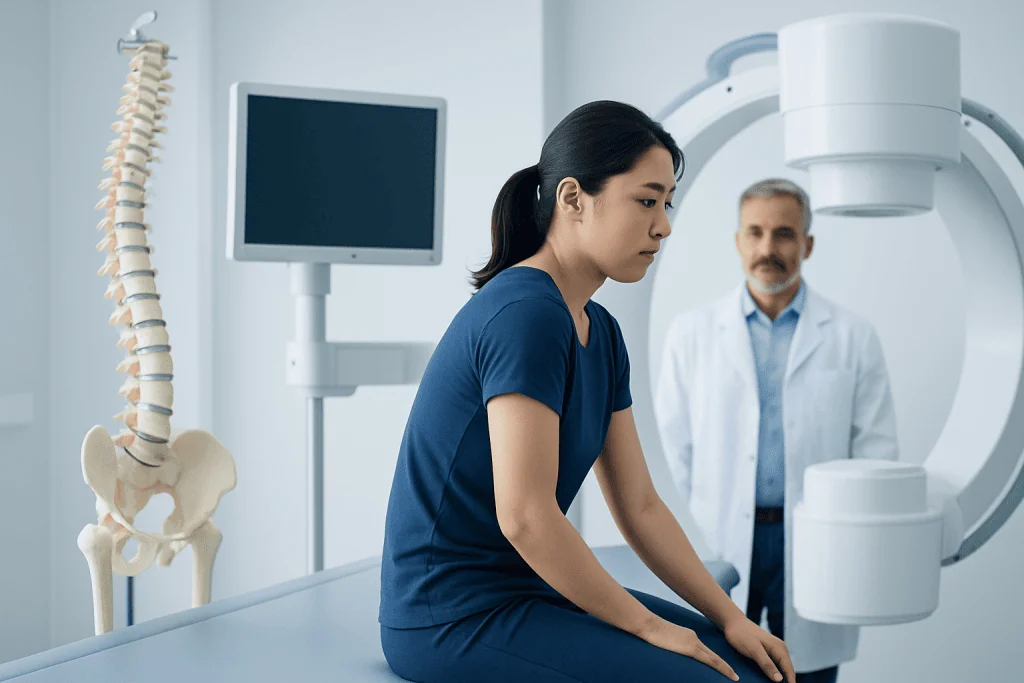
Posture-related symptoms often develop gradually. Common complaints include neck tension, upper back aching, shoulder tightness, low back discomfort, and feeling stiff after sitting for long periods. Some people also notice that their head drifts forward, their shoulders round inward, or they feel tired when trying to maintain an upright sitting position.
Headaches can sometimes be associated with posture, especially when neck muscles are tense after prolonged screen use. Others may experience reduced flexibility, discomfort during exercise, or a sense that one side of the body works harder than the other. These symptoms are often manageable and may improve with movement breaks, exercise, and workstation adjustments.
Posture can also affect confidence, breathing comfort, and overall body awareness. However, posture alone does not explain every ache or pain. Stress, sleep quality, fitness level, previous injury, vision issues, and repetitive tasks can all contribute. If symptoms persist or worsen, a clinician can help determine whether the problem is mainly postural or related to another musculoskeletal or neurological cause.
Why posture changes happen

Posture is influenced by many factors, not just willpower. Long periods of sitting, frequent phone or laptop use, weak or deconditioned muscles, reduced flexibility, and poorly adjusted workstations are common contributors. Fatigue also matters: when muscles tire, people naturally adopt positions that feel easier in the short term but may increase strain over time.
Physical conditioning plays an important role. Weakness in the core, gluteal, upper back, and shoulder-supporting muscles can make it harder to maintain a comfortable, balanced posture during daily activities. Tight chest muscles, hip flexors, and hamstrings may also influence body alignment. Previous injuries, arthritis, osteoporosis, and chronic pain can further change how a person stands or moves.
Emotional factors should not be overlooked. Stress can lead to muscle guarding in the shoulders and neck, while low mood may affect energy and body awareness. In some people, a visible posture change reflects a medical issue rather than a habit alone, such as kyphosis or other spinal problems. That is why persistent or unusual changes deserve a proper evaluation rather than self-blame.
How to improve posture in everyday life
The most effective posture advice is usually practical and sustainable. Instead of trying to hold one rigid position, it helps to alternate positions frequently. Standing up every 30 to 60 minutes, walking briefly, stretching gently, and changing the angle of the hips, knees, and shoulders can reduce strain. For desk work, the screen should generally be at eye level, the shoulders relaxed, the feet supported, and the elbows near the body.
Strengthening exercises are supported by evidence because they improve endurance and control. Programs that target the deep trunk muscles, upper back, shoulder blades, and hips are often useful. Many people benefit from guided physical therapy and rehabilitation to learn safe exercises, improve mobility, and correct movement patterns that keep symptoms going.
Simple body-awareness habits can also help. These include keeping the phone closer to eye level, avoiding carrying heavy bags on one side, using both hands when possible for loads, and changing sleep or reading positions if they trigger strain. Helpful exercise types may include walking, swimming, yoga, Pilates, and resistance training, provided they are done with good technique and adjusted to the person’s needs.
- Take short movement breaks throughout the day.
- Strengthen the core, hips, and upper back.
- Stretch tight areas such as the chest and hip flexors.
- Set up workstations to reduce neck and shoulder strain.
- Focus on comfort and variety rather than a stiff “perfect” position.
When posture may need medical review
Most posture concerns are not urgent, but some symptoms should prompt medical attention. A person should seek review if posture changes are accompanied by severe or persistent pain, numbness, tingling, weakness, balance problems, loss of hand coordination, or pain that travels down an arm or leg. Breathing difficulty, fever, unexplained weight loss, or recent significant trauma are also warning signs.
It is especially important to seek assessment if there is a new or worsening visible spinal curve, uneven shoulders, a prominent hump, or loss of height. In children and adolescents, noticeable asymmetry of the shoulders or rib cage may need evaluation to rule out structural spine conditions. In older adults, increasing stooping can sometimes be linked to osteoporosis or vertebral fractures.
Posture should also be assessed when self-care has not helped after several weeks, or when daily function is affected. If pain is centered in the spine or linked to nerve symptoms, a doctor may consider conditions such as a herniated disc or other spine disorders. Seeking care does not mean something serious is likely; it simply helps identify the right treatment and avoid prolonged discomfort.
How doctors assess posture problems
A medical evaluation usually begins with a detailed history. The doctor asks when the posture change or pain began, what activities make it better or worse, whether there has been an injury, and whether there are symptoms such as numbness, weakness, headaches, or difficulty walking. Daily routines, occupation, exercise habits, and sleep setup may also be reviewed.
The physical examination often includes observing how the person stands, sits, walks, and bends. The clinician may assess spinal alignment, muscle tenderness, joint flexibility, balance, reflexes, and muscle strength. This helps distinguish common postural strain from structural problems or nerve involvement. In many cases, the diagnosis is made clinically without extensive testing.
Imaging or other tests are used when there are red flags or signs of an underlying condition. X-rays may help assess spinal alignment or curvature, while MRI can be useful if nerve compression or disc disease is suspected. Some patients may benefit from specialist input through orthopedics or a spine-focused rehabilitation team, depending on the findings and severity of symptoms.
Treatment options if self-care is not enough
Treatment depends on the cause. If the issue is mainly muscle imbalance or mechanical strain, the first-line approach is usually exercise-based care, ergonomic changes, and activity modification rather than medication alone. Guided rehabilitation can improve strength, flexibility, posture awareness, and confidence in movement. Recovery is often gradual, and consistency matters more than intensity.
When pain limits progress, a doctor may recommend short-term symptom management while the person works on the underlying problem. This may include heat, activity pacing, or other conservative treatments. If the posture problem is related to a structural spinal disorder, arthritis, osteoporosis, or nerve compression, treatment becomes more individualized and may involve imaging review and specialist planning.
Some people with persistent neck or back pain may be assessed by spine surgery specialists, although surgery is not needed for typical posture-related strain. Near the end of a care pathway, patients who need international evaluation may choose centers such as Acibadem International, where multidisciplinary specialists in JCI-accredited hospitals assess and treat spine, musculoskeletal, and rehabilitation-related conditions for international patients.
Prevention and long-term self-care
Long-term posture improvement is usually built on routines that are realistic enough to keep. A person does not need to monitor posture every minute. It is more helpful to attach small habits to regular parts of the day, such as standing during phone calls, stretching after meetings, taking a short walk after meals, or checking screen height at the start of work.
General fitness supports posture because strong, well-conditioned muscles tolerate daily loads better. Regular aerobic exercise, resistance training, and mobility work all contribute. Sleep, stress management, and visual comfort also matter; if a person strains to see a screen or remains tense all day, posture is likely to suffer. Comfortable shoes and sensible bag use can make a difference as well.
Improvement should be measured by function and comfort, not by trying to force the body into a rigid ideal. Better posture often means fewer aches, easier movement, and less fatigue during normal activities. If symptoms recur despite good habits, it is reasonable to consult a qualified doctor or physical therapist for a more tailored plan.
Frequently asked questions
Can posture really be improved?
Yes, posture can often be improved, especially when the main causes are muscle weakness, stiffness, prolonged sitting, or poor ergonomics. Improvement is usually gradual and comes from consistent movement, strengthening, and habit changes rather than a quick fix.
How long does it take to improve posture?
Many people notice some relief within a few weeks after changing work habits and starting exercises. More lasting improvement often takes longer because the body needs time to build strength, flexibility, and better movement patterns.
Is there one perfect posture everyone should aim for?
No. Evidence does not support one rigid posture that is ideal for every person at all times. A comfortable, balanced posture that changes regularly is usually more realistic and healthier than trying to stay perfectly upright all day.
Do posture correctors work?
Some posture supports may provide short-term feedback or comfort, but they do not replace active muscle strengthening and ergonomic changes. If used too much, they may encourage dependence rather than helping the body build its own support.
What exercises are best for posture?
Exercises that strengthen the upper back, shoulder stabilizers, core, and hips are commonly helpful. Stretching the chest and hip flexors and improving overall mobility can also support better posture, especially when exercises are matched to the person's needs.
When should someone worry that posture means a medical problem?
Medical review is important if posture change comes with persistent or severe pain, numbness, weakness, balance problems, breathing difficulty, or a visible spinal deformity. A new curve, loss of height, or symptoms after injury should also be assessed.
This article is for general information only and is not a substitute for professional medical advice. Please consult a qualified doctor about your individual situation.
Joint and spine care in Turkey — expert assessment & treatment
JCI-accredited · board-certified surgeons · reply within 24h
Add us as a Preferred Source to see more of our trusted health content across Google Search, AI Overviews and Discover.

More from the Health Library

Is It Better to Eat Before or After a Workout? Here Is What the Evidence Says

How to Stop Diarrhea in Adults Fast? Causes, Explanations, and Next Steps

Does Metformin Cause Diarrhea? Causes, Explanations, and Next Steps

Are Banana Chips Good for You? Causes, Explanations, and Next Steps

How Many Times Should You Poop a Day? Here Is What the Evidence Says