How to increase estrogen: A Complete Medical Guide for Patients

Low estrogen is a symptom or hormonal state, not a diagnosis by itself. Safe treatment starts with identifying the cause, such as menopause, hypothalamic suppression, ovarian conditions, or certain medications.
Key Takeaways
- Low estrogen is a symptom or hormonal state, not a diagnosis by itself.
- Safe treatment starts with identifying the cause, such as menopause, hypothalamic suppression, ovarian conditions, or certain medications.
- Diet and lifestyle can support hormone health, but they do not replace medical care when estrogen is significantly low.
- Hormone therapy may help some patients, but it is not appropriate for everyone and requires individualized evaluation.
- Medical advice is important if low estrogen causes missed periods, hot flashes, infertility concerns, vaginal dryness, or bone health issues.
How to increase estrogen safely depends on why estrogen is low in the first place. For some people, the answer involves improving nutrition, reducing excessive exercise, or managing stress, while others may need targeted medical treatment such as hormone therapy under a doctor’s care.
Overview: what it means to increase estrogen
For patients asking how to increase estrogen, the safest answer is that estrogen should be raised only after the underlying cause is understood. Estrogen levels can fall for many reasons, including menopause, low body weight, intense exercise, chronic stress, some medications, breastfeeding, or conditions that affect the ovaries or brain’s hormone signals.
Estrogen is not a single-purpose hormone. It supports menstrual cycles, fertility, bone strength, vaginal and urinary tissue health, skin elasticity, and temperature regulation. Because estrogen acts throughout the body, low levels may affect more than reproduction alone.
There is no one best method for everyone. Some people improve their estrogen balance by correcting an energy deficit, restoring body weight, or treating an underlying condition. Others benefit from medical treatment, including prescription hormone therapy, especially when low estrogen is linked to menopause or premature ovarian insufficiency.
Signs and symptoms of low estrogen
Low estrogen can feel different depending on age, life stage, and the speed of the hormone change. In younger women, it often shows up as irregular or missed periods, difficulty becoming pregnant, low sex drive, vaginal dryness, or mood and sleep changes. In perimenopause or menopause, common symptoms include hot flashes, night sweats, and vaginal discomfort.
Some symptoms are easy to overlook because they develop gradually. Patients may notice trouble concentrating, joint aches, headaches, dry skin, or discomfort during sex. Recurrent urinary urgency or burning without infection can also be related to low estrogen because this hormone helps maintain healthy tissues in the lower urinary tract.
Longer-term low estrogen may affect bone density and raise fracture risk. This matters in both postmenopausal women and younger women with prolonged menstrual loss due to undernutrition, overtraining, or hormonal disorders. When symptoms overlap with other hormone-related conditions such as polycystic ovary syndrome, proper medical assessment is especially important.
Why estrogen may be low

Menopause is one of the most common reasons estrogen falls. During perimenopause, the ovaries gradually produce less estrogen, and levels may fluctuate before declining more consistently. This is a natural transition, but symptoms can still affect quality of life and may be treatable.
In younger patients, low estrogen may happen when the body does not have enough energy available to support normal hormone production. This can result from significant weight loss, restrictive eating, very intense exercise, or chronic illness. Stress can also affect the hypothalamus and pituitary gland, which help regulate ovarian hormone production.
Other causes include premature ovarian insufficiency, thyroid disease, pituitary disorders, chemotherapy, radiation, and certain medicines that suppress estrogen. After childbirth, estrogen commonly stays lower for a period, especially during breastfeeding. Some people may also have low estrogen after surgical removal of the ovaries.
Because the causes vary so widely, treatment should not begin with supplements or hormones alone. The right plan depends on whether the issue is temporary, age-related, medication-related, or caused by a specific medical condition.
How doctors evaluate low estrogen
Diagnosis begins with a careful review of symptoms, menstrual history, age, pregnancy status, weight changes, exercise patterns, medications, and personal or family history. A doctor may ask when periods changed, whether hot flashes are present, and whether there are fertility concerns, pain during sex, or bone health risk factors.
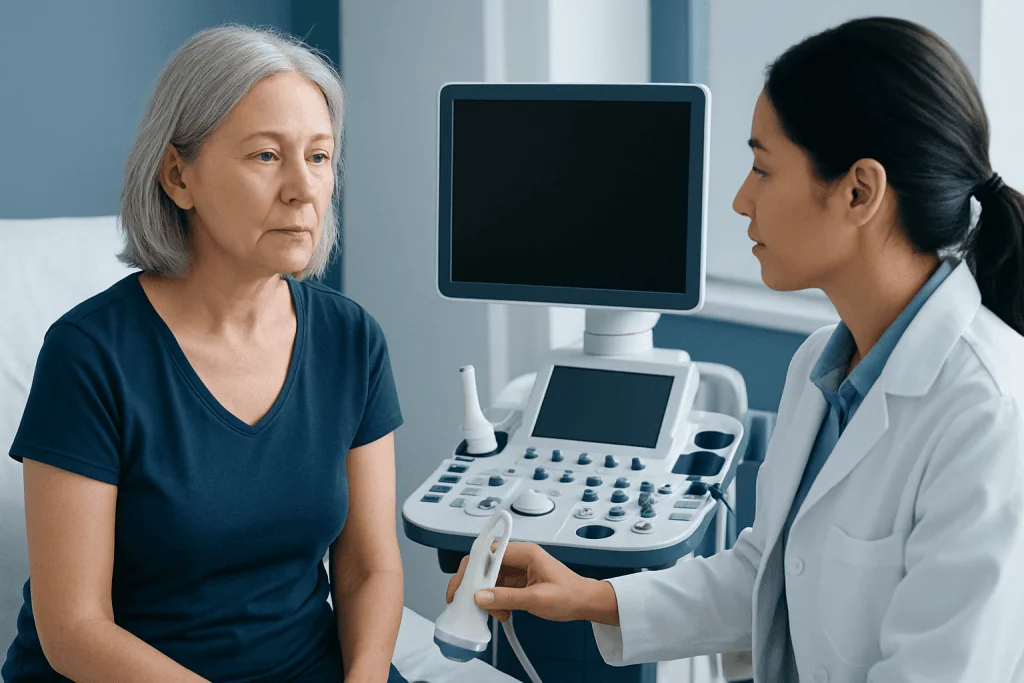
Testing is guided by the clinical picture rather than one hormone value alone. Blood tests may include estradiol, follicle-stimulating hormone, luteinizing hormone, thyroid tests, prolactin, and sometimes pregnancy testing or additional reproductive hormone tests. In some patients, pelvic ultrasound may be used to evaluate the ovaries and uterus, particularly if periods are absent or irregular.
If low estrogen is prolonged or there is concern about fracture risk, bone density evaluation may be recommended. This is especially relevant in postmenopausal women and in younger patients with functional hypothalamic amenorrhea. In selected cases, assessment may also involve broader endocrinology and metabolic diseases care to identify hormonal causes beyond the ovaries themselves.
Medical ways to increase estrogen
When symptoms are significant or long-term estrogen deficiency may affect bone, vaginal, or overall health, doctors may recommend prescription treatment. The most established option is hormone therapy, which may be systemic or local depending on the symptoms. Systemic therapy is used more often for broader menopausal symptoms such as hot flashes, while local vaginal estrogen can help with dryness, irritation, and discomfort during sex.
Hormone treatment is individualized. A doctor considers age, medical history, whether the uterus is present, clotting risk, history of certain cancers, migraine patterns, liver disease, and cardiovascular risk factors. Because not every patient is a candidate, self-starting estrogen products without supervision is not considered safe.
In younger women with premature ovarian insufficiency or persistent low estrogen, hormone replacement may be recommended until the average age of natural menopause, unless there is a reason not to use it. If the goal is fertility, the approach may differ, and evaluation through fertility and IVF care can help clarify the best path when ovulation problems are present.
When low estrogen is related to another disorder, treatment focuses on the cause. For example, improving thyroid control, adjusting medications, treating pituitary issues, or managing gynecologic conditions may help restore a healthier hormonal pattern. In complex cases, care may involve gynecology specialists working alongside endocrinology teams.
Can estrogen be increased naturally?
Natural approaches can support estrogen production when low levels are driven by lifestyle factors, but they are not a quick fix and may not be enough for everyone. The most important step is restoring adequate energy intake. If the body is under-fueled, normal reproductive hormone signaling may slow down as a protective response. Eating enough calories, including healthy fats and balanced protein and carbohydrates, is often more important than focusing on any single “estrogen-boosting” food.
Reducing excessive exercise can also help in some patients, especially athletes or people with very high training loads. This does not mean stopping activity altogether, but rather creating a healthier balance between exercise, recovery, and nutrition. Sleep and stress management matter too, since chronic stress can disrupt hormone signaling from the brain to the ovaries.
Foods that contain phytoestrogens, such as soy, flaxseed, legumes, and some whole grains, may have mild estrogen-like effects in the body. These foods can be part of a healthy diet, but they do not work like prescription estrogen and should not be expected to correct significant deficiency. Over-the-counter supplements marketed for hormone balance may vary in quality and can interact with medications, so they should be discussed with a clinician first.
For some patients, low estrogen is connected to broader reproductive concerns rather than lifestyle alone. If periods remain irregular, absent, or associated with pain or fertility difficulties, a gynecologic review can help identify related conditions such as endometriosis or ovulatory disorders.
Self-care, bone health, and day-to-day support
Even when formal treatment is needed, daily habits still play an important role. A balanced diet with enough calcium, vitamin D, protein, and overall energy supports bone and muscle health. Weight-bearing exercise is helpful for bones, but exercise should be appropriately matched to nutritional intake and physical condition.
Patients with vaginal dryness or discomfort may benefit from non-hormonal moisturizers and lubricants, especially while waiting for medical evaluation. Dressing in layers, limiting overheating, and identifying triggers such as alcohol or very spicy food may help some people manage hot flashes, although results vary.
Smoking cessation is strongly recommended because smoking can worsen menopausal symptoms and negatively affect bone and cardiovascular health. Alcohol moderation, regular sleep, and routine preventive care also support overall hormone health. Patients should avoid assuming all symptoms are due to estrogen alone, since anemia, thyroid disease, depression, and other conditions can sometimes cause similar complaints.
Near the end of the diagnostic journey, some patients benefit from multidisciplinary assessment, particularly when symptoms overlap with metabolic, fertility, or menopause-related concerns. Acibadem International’s multidisciplinary specialists and JCI-accredited hospitals diagnose and treat hormone-related conditions for international patients when specialist evaluation is needed.
When to seek medical care
Medical care is recommended if periods stop for several months and pregnancy is not the explanation, or if menstrual cycles become very irregular without a clear reason. Patients should also seek advice for persistent hot flashes, vaginal dryness, pain during sex, unexplained infertility, or symptoms that interfere with sleep, daily activities, or emotional well-being.
Prompt evaluation is especially important for low estrogen symptoms in adolescents or younger women, after cancer treatment, after ovarian surgery, or when there has been rapid weight loss. Bone pain, a fracture after a minor injury, or long-standing amenorrhea should also be assessed because prolonged estrogen deficiency may weaken bones.
Urgent medical attention may be needed for symptoms such as severe pelvic pain, heavy abnormal bleeding, chest pain, sudden shortness of breath, or new neurological symptoms. These problems are not typical signs of low estrogen alone and should not be managed with home remedies.
Frequently asked questions
What is the fastest way to increase estrogen?
The fastest appropriate option depends on why estrogen is low. If symptoms are due to menopause or a medical condition causing estrogen deficiency, a doctor may consider prescription hormone therapy. If low estrogen is linked to undernutrition or overtraining, recovery usually requires restoring energy balance rather than using quick fixes.
Can diet alone increase estrogen?
Diet can help when low estrogen is related to inadequate calorie intake, low body weight, or restrictive eating. A balanced diet with enough energy, healthy fats, and protein supports normal hormone production. However, diet alone may not correct estrogen deficiency caused by menopause, ovarian insufficiency, or other medical disorders.
Do soy foods increase estrogen levels?
Soy contains phytoestrogens, which are plant compounds that can have mild estrogen-like effects in the body. For some people, soy foods may modestly help with certain symptoms, but they do not replace the body’s own estrogen or prescription hormone therapy. Whole soy foods can be part of a healthy diet unless a doctor advises otherwise.
Is low estrogen dangerous?
Low estrogen is not always dangerous, but it should not be ignored when it is persistent or symptomatic. Over time, it can contribute to bone loss, vaginal and urinary symptoms, and fertility problems. The level of concern depends on age, symptoms, duration, and the underlying cause.
How do doctors test for low estrogen?
Doctors usually combine symptom review, menstrual history, and physical assessment with selected blood tests. Estradiol may be measured along with other hormones such as FSH, LH, prolactin, or thyroid markers. In some cases, imaging or bone density testing is also useful.
Can stress lower estrogen?
Yes, significant physical or emotional stress can affect the brain signals that help regulate ovarian hormone production. In some people, this contributes to missed periods and lower estrogen, especially when combined with under-eating or intense exercise. Addressing stress is helpful, but medical review is still important if symptoms continue.
References
- American College of Obstetricians and Gynecologists
- North American Menopause Society
- National Institute on Aging
- Office on Women's Health
- Endocrine Society
This article is for general information only and is not a substitute for professional medical advice. Please consult a qualified doctor about your individual situation.
Explore treatments in Turkey — costs, top hospitals & a free quote
JCI-accredited · board-certified surgeons · reply within 24h
Add us as a Preferred Source to see more of our trusted health content across Google Search, AI Overviews and Discover.