How to Increase Thrombocyte Count? Here Is What the Evidence Says

A low thrombocyte (platelet) count is not always dangerous, especially if it is mild and there are no bleeding symptoms. The safest way to increase thrombocyte count is to identify and treat the underlying cause rather than relying on supplements or home remedies alone.
Key Takeaways
- A low thrombocyte (platelet) count is not always dangerous, especially if it is mild and there are no bleeding symptoms.
- The safest way to increase thrombocyte count is to identify and treat the underlying cause rather than relying on supplements or home remedies alone.
- Medical review is important for unusual bruising, nosebleeds, bleeding gums, blood in urine or stool, or very heavy periods.
- Common causes include infections, medicines, alcohol use, vitamin deficiencies, liver or spleen problems, and immune thrombocytopenia.
- Doctors may repeat the blood test, review medicines, and order tests for nutritional, immune, infectious, or bone marrow causes.
How to increase thrombocyte count usually starts with finding the cause, because a mildly low platelet count is often temporary or harmless and may return to normal on its own. When treatment is needed, doctors focus on correcting deficiencies, stopping triggering medicines, treating infections or immune causes, and monitoring for bleeding risk.
Overview: What really helps increase thrombocyte count?
For most people, how to increase thrombocyte count is less about a single food or supplement and more about understanding why the count is low in the first place. A mildly low platelet count is common on routine blood work, and in many cases it is temporary, causes no symptoms, and improves after recovery from a viral illness or after removing a trigger such as alcohol or a medicine.
Thrombocytes, also called platelets, are blood cells that help the body form clots and stop bleeding. When the count drops too low, bruising or bleeding may become more likely. However, the number alone does not tell the whole story. Doctors look at how low the count is, whether it is stable or falling, and whether there are signs of active bleeding or another illness.
The most evidence-based way to raise platelets is to treat the underlying cause. That may mean correcting a vitamin B12 or folate deficiency, stopping a medication linked to low platelets, treating an infection, managing immune-related platelet destruction, or treating a bone marrow problem. Self-care can support recovery, but it should not replace proper diagnosis.
What low thrombocyte count means
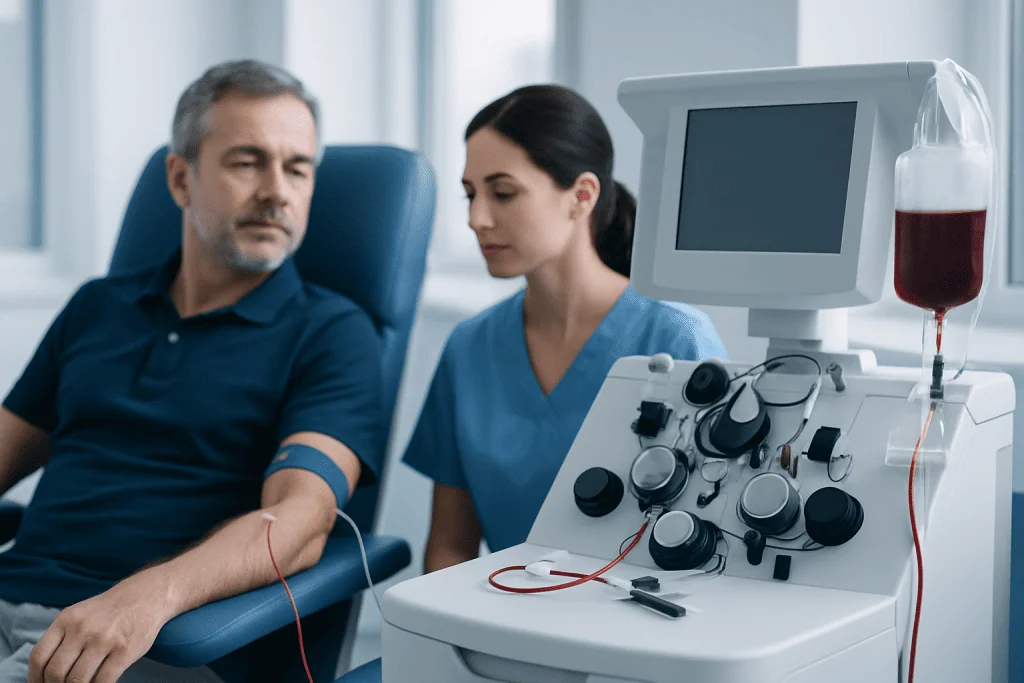
Low thrombocyte count is called thrombocytopenia. Platelets are made in the bone marrow and circulate in the bloodstream until they are used to help control bleeding. A low count can happen because the body is making fewer platelets, destroying them too quickly, or trapping them in an enlarged spleen.
Some people discover thrombocytopenia by chance during a routine blood test and feel completely well. Others notice easy bruising, pinpoint red or purple spots on the skin called petechiae, frequent nosebleeds, bleeding gums, prolonged bleeding from minor cuts, or heavier menstrual bleeding. Severe bleeding is less common, but it needs urgent medical attention.
Not every low result reflects a true medical problem. Occasionally, platelets clump in the test tube and create a falsely low reading. This is one reason doctors often repeat the complete blood count and may review the blood smear before deciding what the result means.
Symptoms and red flags that need attention

Many people with mild thrombocytopenia have no symptoms at all. When symptoms do appear, they often relate to bleeding under the skin or from the nose, gums, or menstrual flow. Fatigue can occur if there is another underlying condition, but platelets themselves do not usually cause tiredness unless bleeding leads to anemia.
Medical review is important if there is unusual bruising, new petechiae, repeated nosebleeds, bleeding that is hard to stop, black or bloody stools, blood in the urine, vomiting blood, severe headache, confusion, or any bleeding after an injury that seems excessive. People who are pregnant, undergoing cancer treatment, or taking blood thinners should also seek prompt advice if a low platelet count is reported.
These symptoms do not always mean something serious, but they should not be ignored. Doctors will also ask about recent infections, vaccinations, alcohol use, new medicines, family history of blood disorders, autoimmune symptoms, and any previous abnormal blood tests. If immune thrombocytopenia is suspected, a specialist may evaluate for immune thrombocytopenia.
Common causes and risk factors
There are many possible reasons for a low platelet count. Temporary drops may happen with viral infections, including common respiratory infections. Certain medicines can also lower platelets, either by suppressing bone marrow production or by triggering immune destruction. Alcohol use, liver disease, enlarged spleen, pregnancy-related conditions, and nutritional deficiencies such as low vitamin B12 or folate are other common possibilities.
Sometimes the immune system mistakenly attacks platelets, leading to immune thrombocytopenia. In other situations, bone marrow disorders reduce platelet production. Chemotherapy and some other cancer treatments may have this effect as well. Infections, autoimmune diseases, and chronic medical conditions can all play a role.
Risk factors include a history of autoimmune disease, liver disease, heavy alcohol use, recent medication changes, recent infection, and treatment for cancer. Rarely, inherited conditions affect platelet number or function. Because the causes are so varied, there is no universal remedy that works for everyone.
- Reduced production: bone marrow disorders, chemotherapy, vitamin deficiencies
- Increased destruction: immune thrombocytopenia, infections, medicine-related reactions
- Sequestration: enlarged spleen trapping platelets
- Dilution or consumption: major bleeding, severe illness, or certain clotting disorders
How doctors diagnose the cause
If someone wants to know how to increase thrombocyte count, the first medical step is usually confirmation of the result. A doctor often repeats the complete blood count, reviews a blood smear, and asks about symptoms, medicines, supplements, alcohol intake, infections, and personal or family history. This helps distinguish a harmless lab variation from a true platelet problem.
Further tests depend on the clinical picture. These may include liver function tests, vitamin B12 and folate levels, viral testing, inflammatory or autoimmune markers, and sometimes ultrasound if spleen or liver disease is suspected. If there are additional abnormalities in red or white blood cells, or if the cause remains unclear, referral to hematology may be recommended.
In selected cases, a doctor may consider bone marrow evaluation, especially if there are signs that blood cell production is affected. Treatment is guided by the diagnosis, not just by the platelet number. If a broader blood disorder is suspected, evaluation for thrombocytopenia may help clarify the next steps.
Evidence-based ways to increase thrombocyte count
The most reliable way to increase thrombocyte count is to address the reason it is low. If a medicine is responsible, a doctor may advise stopping or changing it. If there is a vitamin deficiency, replacement can help restore normal platelet production. If alcohol is contributing, reducing or stopping alcohol may allow the count to improve. When an infection is the cause, platelets often recover as the infection resolves.
For immune-related thrombocytopenia, treatment may include medicines that reduce platelet destruction or stimulate platelet production. In more severe or persistent cases, specialist care is important. Depending on the situation, treatment might involve immunotherapy or other hematology-directed approaches. Platelet transfusion is generally reserved for active bleeding, procedures, or very low counts where immediate support is needed.
Nutrition has a supportive role, especially when a deficiency is present, but it is not a substitute for medical care. A balanced diet with adequate protein, folate, vitamin B12, iron, and vitamin C supports blood health overall. However, there is limited high-quality evidence that specific foods can rapidly raise platelets in otherwise unexplained thrombocytopenia.
People should be cautious with supplements, herbal products, or internet remedies that promise to boost platelets quickly. Some can interfere with clotting, interact with medicines, or delay diagnosis. If the cause relates to a blood or bone marrow condition, targeted evaluation such as bone marrow biopsy may be needed to guide treatment safely.
Self-care, prevention, and what to avoid
Self-care focuses on reducing bleeding risk while the cause is being evaluated or treated. It is wise to avoid contact sports or activities with a high risk of injury if platelet counts are significantly low. Using a soft toothbrush, shaving carefully, and limiting alcohol can also help. Any over-the-counter medicine or supplement should be reviewed with a clinician, especially if it may affect bleeding.
Some medicines can make bleeding more likely even if they do not directly lower platelets. Examples may include aspirin, nonsteroidal anti-inflammatory drugs, and anticoagulants, but no one should stop a prescribed medicine without medical advice. Good nutrition, hydration, rest during recovery from illness, and follow-up blood tests are practical and supportive steps.
Prevention is not always possible because thrombocytopenia has many causes. Still, avoiding unnecessary alcohol excess, attending routine checkups, and discussing medication side effects early may reduce risk in some people. For patients who need specialized care, Acibadem International’s multidisciplinary specialists in JCI-accredited hospitals diagnose and treat blood disorders for international patients, including advanced evaluation such as hematology assessment when appropriate.
When to seek medical care
A mild, symptom-free low platelet count often does not require emergency care, but it does deserve follow-up with a doctor, especially if it is new or persistent. Medical review becomes more important if the count is falling, other blood test results are abnormal, or there are symptoms such as bruising, petechiae, nosebleeds, or bleeding gums.
Urgent care is needed for severe headache, confusion, blood in vomit, urine, or stool, black stools, chest pain, shortness of breath, major trauma, or bleeding that does not stop. Pregnant patients, children, and people with cancer, liver disease, or immune conditions should seek individualized medical advice promptly if thrombocytopenia is suspected.
In practical terms, the safest answer to how to increase thrombocyte count is this: confirm the result, identify the cause, and treat that cause with medical guidance. Home measures may support overall health, but persistent or symptomatic thrombocytopenia should always be assessed by a qualified clinician.
Frequently asked questions
What is the fastest way to increase thrombocyte count?
The fastest safe approach depends on why the platelet count is low. In some cases, stopping a triggering medicine, treating an infection, or correcting a deficiency helps the count recover. In urgent situations with active bleeding or very low counts, hospital-based treatment may be needed.
Can food alone raise platelet count?
Food can help if low platelets are linked to poor nutrition or vitamin deficiencies such as low folate or vitamin B12. A healthy diet supports blood cell production, but food alone usually does not fix immune, medication-related, liver, spleen, or bone marrow causes. Persistent thrombocytopenia should be medically evaluated.
Is a low thrombocyte count always dangerous?
No. Mild thrombocytopenia is often temporary and may cause no problems at all. The level of risk depends on how low the count is, whether it is dropping, and whether the person has bleeding symptoms or an underlying illness.
Which symptoms suggest low platelets need urgent attention?
Urgent symptoms include bleeding that does not stop, black or bloody stools, blood in urine or vomit, severe headache, confusion, or significant bleeding after an injury. These symptoms need prompt medical assessment because they may signal serious bleeding or another underlying condition.
Can stress cause low platelet count?
Stress by itself is not considered a common direct cause of thrombocytopenia. However, illness, poor sleep, alcohol use, or medications taken during stressful periods may contribute indirectly. A doctor can help identify the true cause if the platelet count is low.
Should someone exercise with a low platelet count?
Light activity may be fine for some people, but the answer depends on the platelet level and bleeding risk. High-impact exercise, contact sports, and activities with a fall risk may need to be avoided when platelets are significantly low. A clinician can give individualized guidance.
This article is for general information only and is not a substitute for professional medical advice. Please consult a qualified doctor about your individual situation.
Explore treatments in Turkey — costs, top hospitals & a free quote
JCI-accredited · board-certified surgeons · reply within 24h
Add us as a Preferred Source to see more of our trusted health content across Google Search, AI Overviews and Discover.

More from the Health Library

How to Set Boundaries? Causes, Explanations, and Next Steps

Can You Eat Kiwi Skin? Here Is What the Evidence Says

Itchy Umbilicus: Common Causes, Related Conditions, and When to See a Doctor

Temple Headache: Possible Causes and When to Seek Care

Tailbone Pain: Possible Causes and When to Seek Care