Tailbone Pain: Possible Causes and When to Seek Care

Tailbone pain often results from bruising, inflammation, or strain around the coccyx. Pain is usually worse when sitting, leaning back, standing up from a chair, or during bowel movements.
Key Takeaways
- Tailbone pain often results from bruising, inflammation, or strain around the coccyx.
- Pain is usually worse when sitting, leaning back, standing up from a chair, or during bowel movements.
- Most mild cases improve with activity changes, cushions, pain relief, and time.
- Medical evaluation is important if pain follows major trauma, lasts more than a few weeks, or is linked to numbness, weakness, fever, or bowel or bladder changes.
- Diagnosis may include a physical examination and imaging when fracture, dislocation, or another condition is suspected.
Tailbone pain is discomfort around the coccyx, the small bone at the bottom of the spine. It is commonly linked to a fall, prolonged sitting, childbirth, or strain, and while many cases improve with simple measures, persistent or worsening pain should be assessed by a doctor.
Overview: what tailbone pain usually means
Tailbone pain refers to discomfort in or around the coccyx, the small triangular bone at the very end of the spine. Doctors may also call it coccydynia. In many people, the pain begins after a fall onto the buttocks, prolonged sitting on a hard surface, repetitive pressure, or childbirth. It may feel like a deep ache, sharp tenderness, or pain that becomes noticeable during specific movements.
The coccyx helps support the body in a seated position and serves as an attachment point for muscles, tendons, and ligaments. Because of this, even a minor injury or irritation can make everyday activities uncomfortable. Sitting, leaning back, rising from a chair, driving, or passing stool may all increase symptoms.
Tailbone pain is often mechanical, meaning it relates to strain, pressure, or inflammation rather than a dangerous underlying disease. Even so, it can overlap with other causes of lower back, pelvic, or buttock pain. A careful assessment helps distinguish tailbone pain from nearby problems such as a herniated disc or referred pain from the lower spine.
Symptoms and how tailbone pain may feel
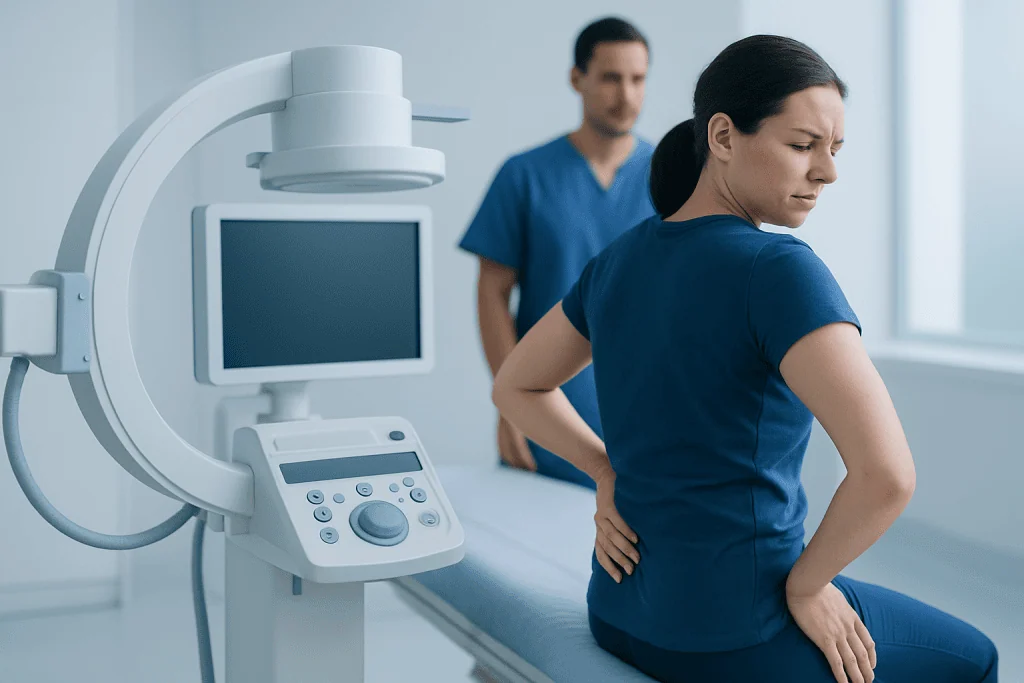
The most common symptom is pain directly over the tailbone, especially when sitting. Some people can point to one exact tender spot, while others notice a broader ache in the lower buttock area. The pain may be dull and constant or sharp with movement.
Typical patterns include increased pain when leaning backward in a chair, standing up after sitting, during long car rides, or with bowel movements. In some cases, discomfort also appears during sexual intercourse or around menstruation because of pressure changes in the pelvic area. Tenderness when the area is touched is also common.
Although tailbone pain itself is usually localized, associated symptoms matter. Numbness, tingling, leg weakness, fever, drainage, unexplained weight loss, or changes in bladder or bowel control are not typical of simple coccyx irritation and need prompt medical attention. These features may suggest a different cause that requires further evaluation.
Possible causes and risk factors

A direct fall is one of the most frequent causes of tailbone pain. The coccyx can become bruised, strained, dislocated, or occasionally fractured. Repetitive microtrauma is another common cause. This can happen with prolonged sitting, cycling, rowing, or frequent pressure on hard or narrow surfaces. In some people, no single event is remembered, but irritation develops gradually.
Childbirth can also strain or injure the coccyx, especially after a difficult vaginal delivery. Changes in posture, pelvic floor tension, and ligament stretching may contribute. People with either very low body weight or obesity can be more prone to symptoms because body mechanics and pressure distribution while sitting may place extra stress on the coccyx.
Less common causes include arthritis, joint hypermobility, infection, and tumors involving the coccyx or nearby tissues. Pain may also be referred from the lower back, sacroiliac joints, pelvic floor muscles, or nearby nerves. When symptoms radiate, coexist with back pain, or include nerve-related complaints, doctors may also consider conditions affecting the spine, such as spinal alignment problems or disc disease.
- Common risks: falls, prolonged sitting, repetitive pressure, childbirth
- Contributing factors: poor posture, obesity, very low body weight, pelvic floor tension
- Less common but important causes: fracture, dislocation, infection, arthritis, tumor, referred spinal pain
How doctors diagnose tailbone pain
Diagnosis begins with a detailed history. A doctor will usually ask when the pain started, whether there was an injury, what movements make it worse, and whether there are symptoms such as fever, numbness, constipation, or bowel and bladder changes. This history often provides the first clues about whether the problem is localized coccyx pain or something else.
A physical examination may include checking posture, tenderness over the coccyx, nearby muscles, and the lower back. The doctor may assess range of motion, gait, and nerve function in the legs. In selected cases, a rectal examination can help evaluate coccyx mobility and tenderness, especially when instability or dislocation is suspected.
Imaging is not needed for every patient, but it may be useful after significant trauma, when pain persists, or when a more serious cause is possible. X-rays can sometimes show fracture or abnormal coccyx position. MRI may be recommended if soft tissues, inflammation, infection, or referred pain from the spine is suspected. Depending on symptoms, doctors may also evaluate for related spinal causes with tests used in MRI scanning.
Treatment options: from self-care to specialist support
Most cases of tailbone pain improve without surgery. Early treatment focuses on reducing pressure and irritation. Practical steps include avoiding long periods of sitting, leaning slightly forward when seated, using a wedge or coccyx cushion, and changing position regularly. A doctor may recommend over-the-counter pain relievers if they are safe for the individual, along with ice in the first days after an injury and later, in some cases, gentle heat.
If symptoms last, treatment may include physical therapy, posture training, pelvic floor therapy, and guided stretching. These approaches can help when muscle tension, poor sitting mechanics, or surrounding soft-tissue strain are contributing to pain. For people whose symptoms overlap with lower back conditions, a specialist may assess whether physical therapy and rehabilitation would help improve movement and reduce strain on the coccyx.
When conservative care is not enough, doctors may consider targeted injections to reduce pain and inflammation or to confirm the source of symptoms. In rare, carefully selected cases with severe chronic pain, surgery to remove part or all of the coccyx may be discussed. If imaging suggests an unstable fracture, dislocation, or another structural issue, assessment by spine surgery specialists may be appropriate, though surgery is not the usual treatment for simple tailbone pain.
Prevention and daily self-care
Preventing tailbone pain often comes down to reducing prolonged pressure and improving body mechanics. Taking standing or walking breaks during long desk work, flights, or car trips can help. A supportive seat cushion may reduce direct pressure on the coccyx, especially for people who have had previous symptoms.
Good posture also matters. Sitting with the feet supported, hips balanced, and body weight distributed more evenly can decrease strain on the lower spine and coccyx. If exercise or cycling seems to trigger symptoms, adjusting technique, seat position, or training load may help. Gentle flexibility and core-strengthening exercises, guided by a qualified clinician when needed, may support recovery and reduce recurrence.
Self-care should stay within reasonable limits. Persistent pain should not simply be pushed through, especially if it changes walking, sleep, bowel habits, or the ability to work and sit comfortably. For international patients who need further assessment, Acibadem International’s multidisciplinary specialists in JCI-accredited hospitals evaluate and treat conditions affecting the spine, pelvis, and coccyx.
When to seek medical care
Medical review is a good idea if tailbone pain is severe, follows a major fall or accident, or does not begin to improve after a few weeks of self-care. A doctor should also assess pain that repeatedly returns, interferes with sitting or daily function, or makes sleep difficult. Persistent symptoms deserve evaluation because the cause may be more than a simple bruise.
Urgent care is important if tailbone pain is accompanied by fever, redness, swelling, drainage, unexplained weight loss, pain at night that does not ease with position changes, or a known history of cancer. Immediate assessment is also needed for numbness, leg weakness, or trouble controlling the bladder or bowels, as these symptoms can point to a nerve-related emergency.
Patients do not need to decide on their own whether the pain is coming from the coccyx, lower back, or pelvis. A qualified doctor can sort through the possibilities and guide the next steps. Early evaluation is especially helpful when the pain may be related to trauma, childbirth, infection, or another condition requiring specific treatment.
Frequently asked questions
How long does tailbone pain usually last?
Mild tailbone pain from bruising or strain often improves over days to a few weeks. Recovery can take longer if there is ongoing pressure on the area, a more significant injury, or contributing problems such as pelvic floor tension. Pain that continues beyond a few weeks should be assessed by a doctor.
Can tailbone pain happen without a fall?
Yes. Tailbone pain can develop from prolonged sitting, repetitive pressure, poor posture, cycling, childbirth, or gradual irritation of the coccyx and surrounding ligaments. In some cases, no single triggering event is identified.
What is the best way to sit with tailbone pain?
Many people feel better sitting slightly forward rather than leaning back directly onto the coccyx. A wedge or coccyx cushion can reduce pressure, and frequent position changes are helpful. If sitting remains very painful, a medical evaluation is reasonable.
Is tailbone pain a sign of cancer?
Most tailbone pain is not caused by cancer. It is more commonly related to injury, pressure, inflammation, or referred pain from nearby structures. However, persistent pain with unexplained weight loss, night pain, or a history of cancer should be medically reviewed.
Do I need an X-ray or MRI for tailbone pain?
Not always. Many cases can be managed initially based on symptoms and examination alone. Imaging is more likely to be used after significant trauma, when pain persists, or when the doctor suspects fracture, dislocation, infection, or another cause outside the coccyx itself.
Can exercise help tailbone pain?
Gentle movement can help recovery, especially when guided by a clinician or physical therapist. The right plan may include posture work, stretching, and strengthening while avoiding exercises that place direct pressure on the coccyx. Painful activities should be modified rather than forced.
References
- National Institute of Arthritis and Musculoskeletal and Skin Diseases
- American Academy of Orthopaedic Surgeons
- National Health Service
- MedlinePlus
- World Health Organization
This article is for general information only and is not a substitute for professional medical advice. Please consult a qualified doctor about your individual situation.
Joint and spine care in Turkey — expert assessment & treatment
JCI-accredited · board-certified surgeons · reply within 24h
Add us as a Preferred Source to see more of our trusted health content across Google Search, AI Overviews and Discover.

More from the Health Library



Related Specialists

Dt. Hakan Necip İşcan
Dentistry
Prof. Dr. Rıza Türköz
Cardiovascular Surgery
Prof. Dr. Derya Eroğlu
Gynecology & Obstetrics
Prof. Dr. Gamze Erfan
Dermatology