Temple Headache: Possible Causes and When to Seek Care

Temple headache is a symptom, not a diagnosis, and the cause may range from muscle tension to migraine or jaw-related problems. One-sided throbbing pain with nausea, light sensitivity, or aura can suggest migraine.
Key Takeaways
- Temple headache is a symptom, not a diagnosis, and the cause may range from muscle tension to migraine or jaw-related problems.
- One-sided throbbing pain with nausea, light sensitivity, or aura can suggest migraine.
- Jaw pain, teeth grinding, and temple tenderness may point to temporomandibular joint strain.
- Red-flag features include a sudden worst-ever headache, new headache after age 50, vision loss, weakness, confusion, fever, or stiff neck.
- Most temple headaches improve when the underlying trigger is identified and treated.
A temple headache is pain felt on one or both sides of the head near the temples. It is often linked to tension headaches, migraine, jaw clenching, or sinus and eye strain, but certain patterns such as sudden severe pain, scalp tenderness, fever, weakness, or vision changes should be assessed promptly.
What a temple headache can mean
A temple headache is pain felt in the soft areas at the sides of the forehead, just behind the eyes. In many people, it is caused by common problems such as tension-type headache, migraine, jaw clenching, poor sleep, dehydration, or eye strain. The exact meaning depends on how the pain feels, how long it lasts, what triggers it, and whether other symptoms appear with it.
This type of headache is best thought of as a clue rather than a condition by itself. For example, a steady band-like ache at both temples often suggests muscle tension, while throbbing pain on one side with nausea may fit migraine. Less commonly, temple pain can be linked to sinus inflammation, nerve irritation, blood vessel inflammation, or a headache disorder that needs specialist evaluation.
Most temple headaches are not dangerous, but context matters. A new or unusual pattern, especially in an older adult or someone with other neurological symptoms, deserves medical attention. Looking at timing, severity, associated symptoms, and personal medical history helps narrow down the cause and guide treatment safely.
Common symptoms and patterns
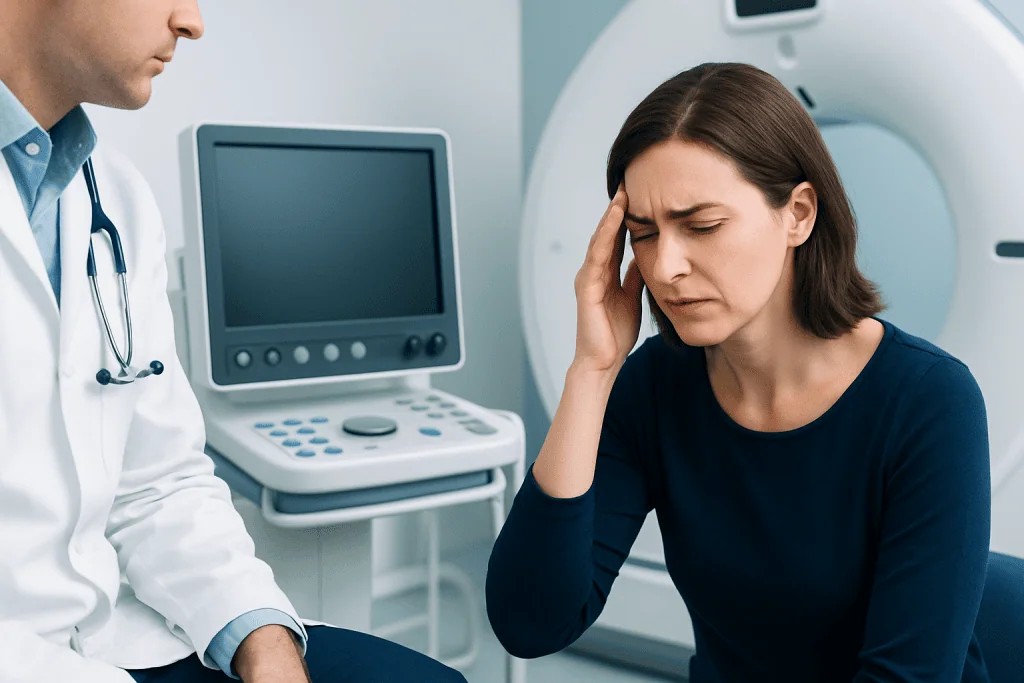
Temple headache may feel dull, tight, pressing, throbbing, stabbing, or pulsing. It can affect one temple or both. Some people notice tenderness when touching the temples, while others feel pain spreading to the forehead, around the eyes, behind the head, or into the jaw and neck.
Associated symptoms can help suggest the source. Migraine often causes light or sound sensitivity, nausea, vomiting, and worsening with activity. Tension-type headache more often brings a steady pressure or tightness without nausea. Jaw-related pain may be worse in the morning or after chewing, and may come with clicking, clenching, or facial soreness.
It can also help to notice timing and triggers. Temple pain may occur after long screen time, skipped meals, dehydration, stress, poor posture, alcohol use, or inadequate sleep. Keeping a simple symptom diary can be useful, especially if headaches are frequent or seem to follow a pattern.
- One-sided throbbing pain may suggest migraine.
- Both-sided pressure may suggest tension-type headache.
- Pain with chewing or jaw clicking may suggest TMJ strain.
- Pain with nasal congestion or facial pressure may suggest sinus involvement.
- Sudden severe pain is a warning sign and needs urgent assessment.
Possible causes of temple headache

Tension-type headache is one of the most common reasons for pain in the temples. Tight muscles in the scalp, neck, and shoulders can create a pressure-like sensation. Stress, anxiety, prolonged desk work, poor posture, and lack of sleep are common contributors. The pain is often mild to moderate and does not usually cause vomiting.
Migraine is another frequent cause. Migraine pain may affect the temple on one side or both sides and is often throbbing or pulsating. Many people also have nausea, sensitivity to light or sound, or temporary visual symptoms. If migraine is suspected, related information about migraine may be helpful.
Temporomandibular joint disorders can also cause temple pain. The temporomandibular joints connect the jaw to the skull, close to the temples. Teeth grinding, jaw clenching, bite changes, or joint inflammation can lead to headache-like discomfort that may worsen with chewing or waking up.
Other possible causes include sinus inflammation, eye strain, medication-overuse headache, caffeine withdrawal, dehydration, viral illness, and high blood pressure in some cases. Less common but important causes include giant cell arteritis, especially in adults over 50 with scalp tenderness or jaw pain, and serious neurological conditions such as bleeding around the brain. New temple pain with neurological symptoms may overlap with symptoms seen in stroke, which requires immediate emergency care.
Risk factors and red flags
Several factors increase the chance of developing temple headaches. These include a personal or family history of migraine, high stress levels, poor sleep, skipped meals, dehydration, prolonged screen use, neck strain, anxiety, and frequent use of pain medicines. Teeth grinding during sleep and untreated vision problems can also contribute.
Age matters too. In younger adults, temple headaches are more often related to tension or migraine. In older adults, especially those over 50, a new temple headache should be taken more seriously because conditions such as giant cell arteritis become more relevant. This condition can affect blood vessels and may threaten vision if not treated promptly.
Some symptoms suggest the need for urgent medical evaluation rather than home care. These include sudden severe headache, fainting, confusion, weakness, numbness, trouble speaking, seizures, fever with stiff neck, new headache after a head injury, or any headache paired with vision loss. Persistent temple pain with scalp tenderness, jaw pain while chewing, or unexplained weight loss also needs prompt attention.
How doctors diagnose the cause
Diagnosis starts with a careful history. A doctor usually asks when the temple headache began, how often it happens, how long it lasts, where it is located, how intense it feels, and whether there are triggers such as stress, missed meals, menstruation, certain foods, jaw clenching, or poor sleep. Associated symptoms such as nausea, fever, congestion, tearing, vision changes, or neurological symptoms are especially important.
The physical examination may include checking blood pressure, eye movements, vision, the jaw joints, sinus tenderness, scalp tenderness, neck muscles, and a neurological exam. In people over 50 with new temple pain, blood tests may be used to look for inflammation if giant cell arteritis is suspected. If a structural or urgent cause needs to be ruled out, doctors may request imaging such as MRI or CT scan.
Most people with recurrent, typical tension headaches or migraine do not need extensive testing. However, testing is important when headaches are new, changing, unusually severe, associated with abnormal neurological findings, or not responding as expected to treatment. The goal is to identify the cause accurately while avoiding unnecessary investigations.
Treatment options and symptom relief
Treatment depends on the cause. Tension-type headaches often improve with rest, hydration, regular meals, stress management, stretching, and short-term use of over-the-counter pain relief when appropriate. If neck and shoulder muscle tension plays a role, posture correction and physical therapy may help. Migraine treatment may include medicines to stop an attack, prevent future attacks, or reduce nausea. In some cases, evaluation in neurology care is helpful for frequent or disabling headaches.
If jaw clenching or temporomandibular joint problems are contributing, treatment may focus on reducing clenching, improving sleep habits, and addressing dental or bite-related issues. Warm compresses, gentle jaw rest, and avoiding hard chewing can help some people. If sinus disease is involved, treatment is directed toward the underlying inflammation or infection rather than the temple pain alone.
Medication-overuse headache is another important issue. Taking pain relievers too often can make headaches more frequent over time. A doctor can help review current medicines and plan a safer long-term approach. For recurring migraine or difficult-to-control headaches, treatments may also include trigger management, behavioral strategies, and specialist-guided preventive therapy.
Self-care and prevention
Many temple headaches can be reduced by paying attention to daily habits. Regular sleep, good hydration, balanced meals, and limiting skipped meals can make a meaningful difference. Screen breaks, an ergonomic work setup, and gentle stretching of the neck and shoulders may lower muscle tension that can radiate to the temples.
Stress management is also important. Relaxation exercises, paced breathing, mindfulness, and regular physical activity can help some people reduce headache frequency. If headaches seem related to caffeine, alcohol, certain foods, or hormonal changes, a diary may help identify patterns. For people who clench their jaw, noticing daytime habits and discussing nighttime grinding with a dentist or doctor may be useful.
Preventive care also means using pain medicines carefully. Frequent self-treatment without medical advice can complicate the picture and sometimes worsen headaches over time. If temple headaches are happening often, are disrupting work or sleep, or are becoming more severe, a formal assessment is the safest way to prevent ongoing discomfort and to rule out uncommon but important causes.
When to seek medical care
Medical care is important if a temple headache is new, severe, or different from a person’s usual pattern. It is also wise to seek care if the pain keeps returning, lasts longer than expected, interferes with normal life, or does not improve with rest and simple measures. New headaches in adults over 50 deserve particular attention.
Urgent or emergency assessment is needed for a sudden explosive headache, any headache with weakness, numbness, trouble speaking, confusion, seizure, fainting, high fever, stiff neck, or loss of vision. Temple pain with scalp tenderness or pain while chewing should also be assessed promptly because of the possibility of inflamed blood vessels.
For international patients who need further evaluation, Acibadem International’s multidisciplinary specialists and JCI-accredited hospitals diagnose and treat headache-related conditions using coordinated neurological and imaging services. The right pathway depends on the person’s symptoms, medical history, and examination findings.
Frequently asked questions
Is temple headache usually serious?
Most temple headaches are caused by common issues such as tension-type headache, migraine, dehydration, or jaw clenching. However, a sudden severe headache or one with neurological symptoms, fever, or vision changes should be assessed urgently.
Why do my temples hurt when I am stressed?
Stress can tighten muscles in the scalp, jaw, neck, and shoulders, which may create pressure or pain at the temples. Stress can also trigger migraine in some people, especially when combined with poor sleep or skipped meals.
Can jaw clenching cause temple pain?
Yes. Jaw clenching and teeth grinding can strain the temporomandibular joints and nearby muscles, leading to pain in the temples, face, or ears. Symptoms may be worse in the morning or after chewing.
How can someone tell if a temple headache is migraine?
Migraine often causes throbbing or pulsating pain, commonly on one side, and may come with nausea, sensitivity to light or sound, or visual aura. Not everyone has all of these features, so a doctor may be needed to confirm the pattern.
What helps relieve a temple headache at home?
Rest, hydration, regular meals, reduced screen exposure, and a calm dark room may help, depending on the cause. Gentle neck stretches and stress reduction can also be useful, but frequent or worsening headaches should be discussed with a doctor.
When should someone go to the emergency department for temple pain?
Emergency care is needed for a sudden worst-ever headache, headache with weakness, numbness, trouble speaking, confusion, seizure, fainting, stiff neck, or loss of vision. These features can signal a serious condition that needs urgent treatment.
References
- National Institute of Neurological Disorders and Stroke
- American Migraine Foundation
- Mayo Clinic
- National Health Service
- Cleveland Clinic
This article is for general information only and is not a substitute for professional medical advice. Please consult a qualified doctor about your individual situation.
Hair transplant in Turkey — costs, graft counts & a free assessment
JCI-accredited · board-certified surgeons · reply within 24h
Add us as a Preferred Source to see more of our trusted health content across Google Search, AI Overviews and Discover.
Check your numbers in seconds
BMI, calories, due date, blood pressure and 30+ more clinical calculators — free, instant, doctor-reviewed ranges.