How to Lose Arm Fat? Causes, Explanations, and Next Steps

Arm fat cannot usually be reduced from one area alone; overall fat loss is the main strategy. Strength training helps the arms look firmer by building muscle under the skin.
Key Takeaways
- Arm fat cannot usually be reduced from one area alone; overall fat loss is the main strategy.
- Strength training helps the arms look firmer by building muscle under the skin.
- Genetics, age, hormones, and weight changes all affect where fat is stored.
- Sudden swelling, redness, pain, or a major difference between arms needs medical attention.
- A doctor may check for fluid retention, lymphedema, thyroid issues, or other causes if the appearance seems unusual.
For most people, arm fat is a normal pattern of fat storage rather than a medical problem. The most effective approach is usually overall fat loss through nutrition, activity, and strength training, while new one-sided swelling, pain, or skin changes should prompt medical review.
Overview: what arm fat usually means
If someone is wondering how to lose arm fat, the short answer is that arm fat is most often reduced by lowering overall body fat and strengthening the muscles of the upper arms and shoulders. In many cases, fuller upper arms are a normal body pattern influenced by genetics, age, hormones, and natural weight changes rather than a sign of disease.
It can help to know that spot reduction is limited. Exercises such as triceps dips, push-ups, and rowing movements can strengthen and shape the arm area, but they do not selectively burn fat from only the arms. A broader plan that combines nutrition, regular movement, sleep, and resistance training is usually more effective and more sustainable.
There are, however, situations where an arm that looks larger or feels heavier should be medically assessed. A sudden change, swelling in one arm, redness, tenderness, skin thickening, numbness, or shortness of breath are not typical features of ordinary fat distribution and deserve prompt evaluation.
Why some people store more fat in the arms
Body fat is not distributed evenly. Some people naturally carry more fat in the abdomen, hips, thighs, or upper arms. This pattern is shaped partly by inherited traits and partly by life stage. As body composition changes over time, the arms may look softer because of both increased fat tissue and reduced muscle mass.
Hormones can also influence where the body tends to store fat. Changes related to aging, menopause, thyroid function, or insulin resistance may affect overall weight and fat distribution. Even when weight is stable, lower muscle tone in the upper body can make the arms appear less firm.
Loose skin can also be part of the picture, especially after significant weight loss or with age-related loss of skin elasticity. In these cases, the concern may not be fat alone. Understanding the difference between fat, reduced muscle tone, fluid buildup, and excess skin can help guide realistic next steps.
People sometimes compare one arm with the other and notice a difference. A mild difference between the dominant and non-dominant side can be normal, especially in athletes or people whose work involves repetitive arm use. A clear increase in size on one side, however, should not automatically be assumed to be fat.
Can arm fat be targeted with exercise alone?

Many people search for one exercise that will melt arm fat, but the body does not usually burn fat from a single chosen area. When a person creates a steady energy deficit through eating patterns and activity, the body draws on stored fat from different regions according to biology. The arms may slim down as part of that overall process, but the pace varies from person to person.
That said, arm-focused exercise is still very useful. Strength training improves muscle tone in the triceps, biceps, shoulders, chest, and upper back. As these muscle groups become stronger, the arms may look firmer and daily activities often feel easier. Helpful movements can include rows, overhead presses, push-ups against a wall or bench, triceps extensions, and resistance-band work.
Aerobic activity supports overall fat loss and heart health. Walking, cycling, swimming, dancing, and similar activities can all contribute. Pairing regular cardio with structured strength work is often more effective than relying on either approach alone.
If someone is unsure where to begin, medically guided weight management treatment options may be discussed when excess weight is affecting health and standard lifestyle measures have not been enough. A personalized plan should always take age, current fitness, medical conditions, and previous injuries into account.
Common causes and factors that affect arm appearance
Several everyday factors can make the upper arms appear larger or softer. Weight gain increases fat stores throughout the body, though not always evenly. Reduced physical activity can lower muscle tone, while rapid weight changes may leave some loose skin behind. Aging also naturally reduces muscle mass and skin elasticity.
Hormonal and metabolic conditions may contribute to weight gain or fluid retention. For example, an underactive thyroid may slow metabolism and cause puffiness in some people. If symptoms such as tiredness, feeling cold, constipation, dry skin, or unexplained weight change are also present, a doctor may consider conditions such as thyroid disorders as part of the assessment.
Not all enlargement of the arm is fat. Swelling from fluid, inflammation, injury, or problems with lymphatic drainage can change arm size. One example is lymphedema, which can cause heaviness, tightness, and persistent swelling, often affecting one arm more than the other.
Less commonly, arm fullness may reflect a skin or soft tissue issue rather than body fat. If there is a lump, increasing firmness, warmth, or tenderness, a clinician may look for other explanations and decide whether imaging or specialist review is needed.
What doctors look for if the change seems unusual
Most concerns about arm fat do not require extensive testing. However, if the appearance changes suddenly, affects only one arm, or comes with pain or swelling, a medical review is sensible. A doctor will usually begin by asking when the change started, whether it is getting worse, and whether there are related symptoms such as shortness of breath, breast or chest symptoms, numbness, weakness, fever, or skin changes.
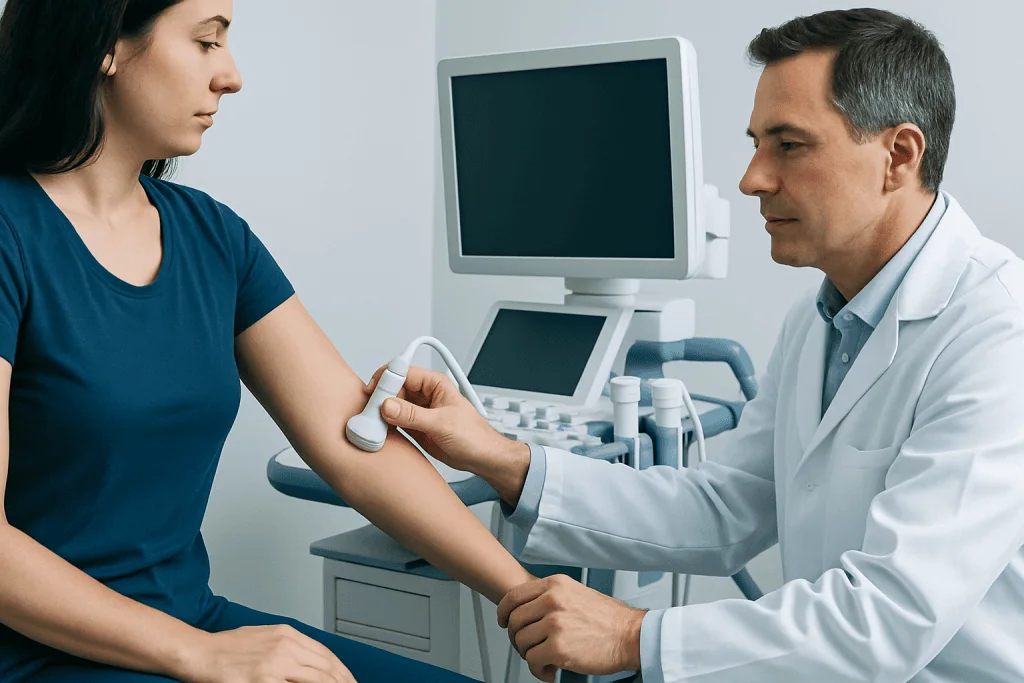
The physical examination may include measuring both arms, checking for pitting swelling, evaluating the skin, and feeling for tenderness, masses, or enlarged lymph nodes. The clinician may also assess posture, shoulder movement, and signs of muscle loss or injury. This helps separate ordinary fat distribution from fluid retention, inflammation, nerve problems, or vascular causes.
Tests depend on the findings. Blood tests may be used when thyroid disease, metabolic issues, or inflammation are possible. Ultrasound can help if there is concern about a mass, fluid collection, or blood vessel problem. When lymphatic problems are suspected, a doctor may consider specialist assessment and imaging tailored to that question. In selected cases, check-up and diagnostic evaluation helps clarify whether the issue is cosmetic, lifestyle-related, or linked to an underlying health condition.
Practical next steps to reduce arm fat
A realistic plan starts with overall habits rather than isolated arm workouts. A balanced eating pattern that supports a gradual calorie deficit is usually the foundation for fat loss. This often means emphasizing vegetables, fruit, beans, whole grains, lean protein, and unsaturated fats while reducing frequent intake of sugary drinks, highly processed snacks, and oversized portions.
Protein intake can help preserve muscle while losing weight, especially when paired with resistance training. Hydration, regular sleep, and stress management also matter because they affect appetite, energy, and recovery. Very restrictive diets may lead to short-term weight changes but are often harder to sustain.
For exercise, a helpful goal is a mix of aerobic movement and two or more strength sessions each week. Upper-body exercises may include rows, chest presses, assisted push-ups, triceps work, shoulder presses, and carrying exercises. Lower-body and core training should not be ignored, because whole-body muscle building supports energy use and physical function.
If loose skin remains after major weight loss, lifestyle measures may improve tone but may not fully tighten excess tissue. In some cases, people ask about body contouring procedures after their weight has stabilized. For individuals considering options after substantial weight change, obesity surgery may be relevant in selected cases when obesity is affecting health, while others may prefer non-surgical lifestyle treatment under medical supervision.
When to seek medical care
It is sensible to seek medical care if one arm becomes noticeably larger than the other, especially over a short period. Assessment is also important if there is pain, redness, warmth, skin thickening, visible veins, numbness, weakness, reduced movement, or a new lump. These features are not typical of ordinary arm fat.
Urgent care is needed if arm swelling is paired with chest pain, shortness of breath, severe weakness, or sudden color change in the arm or hand. These symptoms can signal a more serious circulation or clotting problem and should not be managed with exercise or diet alone.
People who have had breast, chest, or lymph node surgery should also mention any new arm swelling early, because this can be related to lymphatic drainage problems. If a person is unsure whether the issue is cosmetic or medical, starting with a general physician is reasonable. Near the end of the evaluation pathway, Acibadem International’s multidisciplinary specialists in JCI-accredited hospitals can assess arm swelling, weight-related concerns, and associated conditions for international patients.
Frequently asked questions
Is it possible to lose fat only from the arms?
Usually not. The body tends to lose fat overall rather than from one exact area, so arm fat typically decreases as total body fat decreases. Arm exercises are still helpful because they build muscle and improve shape and strength.
What exercises help the arms look firmer?
Exercises that work the triceps, biceps, shoulders, chest, and upper back can improve muscle tone. Examples include rows, push-ups, overhead presses, resistance-band exercises, and triceps extensions. A full-body strength program is usually more effective than arm work alone.
Why do my arms stay large even when I am active?
Genetics and hormones strongly influence where fat is stored, so some people keep more fullness in the arms despite regular exercise. The appearance may also relate to loose skin or lower muscle mass rather than fat alone. A clinician can help if the change seems unusual or one-sided.
Can hormones cause arm fat?
Hormones can affect overall weight and fat distribution, but they are rarely the only reason. Aging, menopause, thyroid problems, and insulin resistance may all play a role. If arm fullness comes with fatigue, unexplained weight change, or other symptoms, medical advice is reasonable.
When is arm fullness not just fat?
It may not be simple fat if one arm swells more than the other or if there is pain, redness, heaviness, skin thickening, numbness, or a lump. These signs can suggest fluid buildup, inflammation, injury, or a circulation problem. A doctor can examine the arm and decide whether tests are needed.
How long does it take to notice a change in arm fat?
The timeline varies with starting weight, genetics, consistency, and whether muscle is also being built. Many people notice changes gradually over weeks to months rather than days. Steady habits usually work better than quick fixes.
References
- Centers for Disease Control and Prevention
- National Institutes of Health
- American College of Sports Medicine
- National Health Service
- World Health Organization
This article is for general information only and is not a substitute for professional medical advice. Please consult a qualified doctor about your individual situation.
Medical weight-loss options in Turkey — costs & eligibility
JCI-accredited · board-certified surgeons · reply within 24h
Add us as a Preferred Source to see more of our trusted health content across Google Search, AI Overviews and Discover.
Check your numbers in seconds
BMI, calories, due date, blood pressure and 30+ more clinical calculators — free, instant, doctor-reviewed ranges.