How to Low High BP? Causes, Explanations, and Next Steps

A single high blood pressure reading does not always mean a medical emergency, but it should be rechecked correctly. Most people lower blood pressure through a combination of lifestyle changes and, when appropriate, medication.
Key Takeaways
- A single high blood pressure reading does not always mean a medical emergency, but it should be rechecked correctly.
- Most people lower blood pressure through a combination of lifestyle changes and, when appropriate, medication.
- High blood pressure often has no symptoms, which is why regular measurement is important.
- Chest pain, severe shortness of breath, weakness, confusion, or vision changes with a high reading require urgent care.
- Doctors look for repeat high readings, possible underlying causes, and signs of heart, kidney, or blood vessel effects.
How to low high bp usually means first confirming the blood pressure reading, then using proven steps such as reducing salt, staying active, managing stress, and taking prescribed treatment if needed. High blood pressure is often manageable and commonly causes no immediate harm, but certain symptoms or very high readings need prompt medical attention.
Overview: How to lower high blood pressure safely
For many people, the answer to how to low high bp begins with calm, practical steps rather than panic. A mildly or moderately high reading is often not immediately dangerous, especially if the person feels well. The safest first step is to sit quietly for five minutes, avoid caffeine or smoking, and repeat the measurement with the right cuff size and good positioning.
If blood pressure remains high over time, it usually improves with a combination of lifestyle changes and, when needed, medical treatment. These changes can include reducing salt intake, maintaining a healthy weight, being physically active, limiting alcohol, sleeping well, and taking prescribed medicines consistently. The goal is not a sudden drop at home, but a steady and safe return to a healthier range.
What matters most is context. A person with repeated high readings but no warning signs usually needs a routine medical review, while someone with very high blood pressure plus symptoms such as chest pain, severe headache, confusion, trouble breathing, or weakness may need urgent care. Knowing the difference helps people respond appropriately and avoid both delay and unnecessary alarm.
Why blood pressure can be high
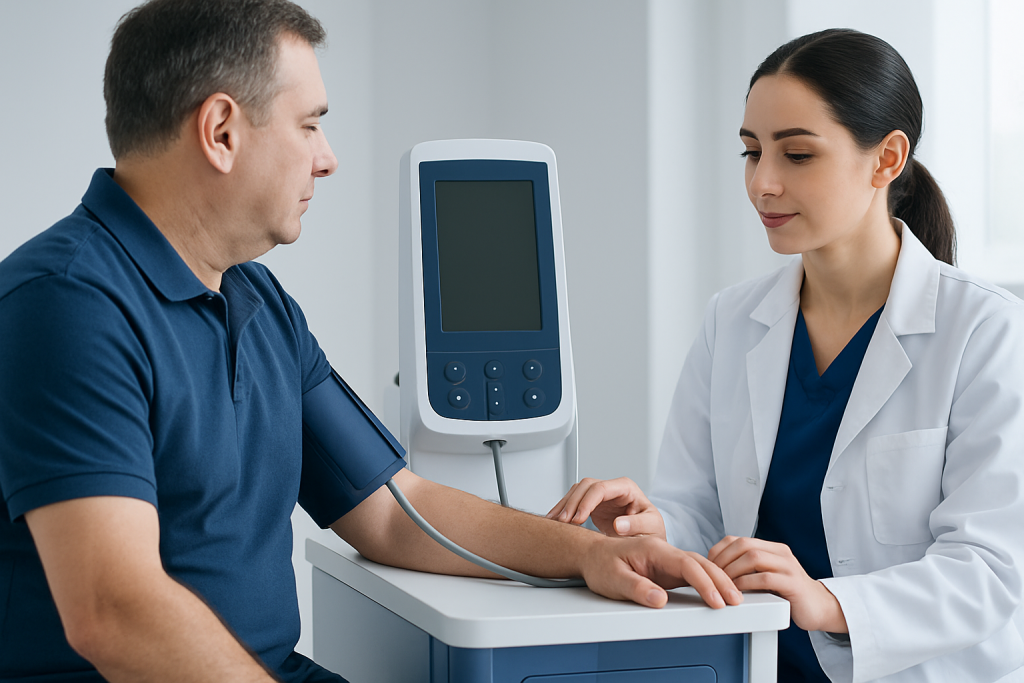
Blood pressure reflects the force of blood pushing against artery walls. It naturally changes throughout the day and may rise temporarily with stress, pain, exercise, caffeine, nicotine, or certain medications. Because of this, one elevated reading does not always mean a person has long-term high blood pressure.
Persistent high blood pressure, also called hypertension, usually develops gradually. In many adults, there is no single cause. Instead, several factors work together, including genetics, increasing age, excess body weight, a high-salt eating pattern, physical inactivity, poor sleep, and long-term stress. Alcohol overuse and smoking can also contribute.
Sometimes high blood pressure is linked to another medical issue. Doctors may consider kidney disease, hormone disorders, sleep apnea, thyroid problems, pregnancy-related conditions, or the effects of medications such as decongestants, steroids, some pain relievers, and certain contraceptives. Finding and treating an underlying cause can be an important part of blood pressure control.
- Common contributors: salt-heavy diet, weight gain, inactivity, stress, alcohol, smoking
- Temporary triggers: anxiety, pain, caffeine, recent exercise, poor sleep
- Possible medical causes: kidney disease, endocrine disorders, sleep apnea, pregnancy-related hypertension
Symptoms, warning signs, and when high BP needs urgent attention
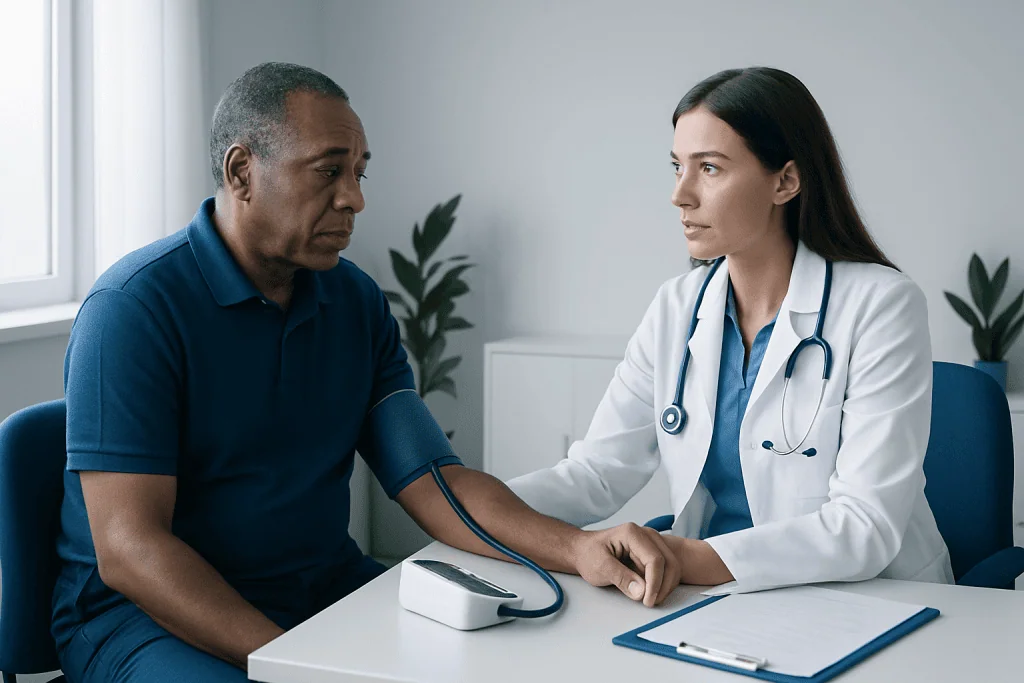
Most high blood pressure causes no clear symptoms at all. This is why it is often called a silent condition. Many people discover it only during a routine check, home monitoring, or assessment for another health issue.
Even so, some people may notice headaches, a feeling of pounding in the chest, flushing, or lightheadedness when blood pressure is elevated. These symptoms are not specific and can happen for many reasons, so they cannot confirm high blood pressure by themselves. A proper reading is still needed.
Urgent medical assessment is important if a high blood pressure reading happens together with red-flag symptoms. These include chest pain, severe shortness of breath, fainting, new confusion, severe headache unlike usual headaches, trouble speaking, weakness or numbness on one side, seizures, or sudden vision changes. These symptoms may suggest a blood pressure emergency or another serious condition, including possible stroke or heart problems.
If a person has an extremely high reading and feels unwell, it is safer to seek immediate medical care than to try to lower it quickly at home. Rapid unsupervised changes can be risky. Clinical teams can evaluate whether urgent treatment, observation, or further testing is needed.
What to do at home after a high reading
When a home monitor shows a high reading, the first step is to pause and repeat it carefully. The person should sit with their back supported, feet flat on the floor, legs uncrossed, and arm resting at heart level. They should avoid talking during the measurement and wait at least five minutes after sitting quietly. Taking two or three readings one minute apart often gives a more reliable picture.
It also helps to review possible short-term triggers. A recent coffee, cigarette, stressful event, missed blood pressure medicine dose, or brisk activity just before checking can all raise the result. If the person feels well and the reading is not dangerously high, recording the numbers and checking again later the same day or over several days is often more useful than reacting to a single result.
People should not double medication doses unless a doctor has specifically advised this. Instead, they should continue prescribed treatment exactly as directed, stay hydrated unless they have been told to restrict fluids, and contact a healthcare professional if readings remain repeatedly elevated. Home monitors can be very useful, but they work best when used consistently and interpreted alongside medical advice.
How doctors diagnose high blood pressure and look for causes
Doctors diagnose high blood pressure based on repeated measurements, not a single isolated reading in most cases. They may check blood pressure in both arms, review the person’s home readings, and sometimes recommend ambulatory monitoring, which measures blood pressure over 24 hours during daily activities and sleep. This helps identify white-coat hypertension, where readings are higher in medical settings, and masked hypertension, where office readings look normal but home readings are high.
The medical review usually includes questions about diet, exercise, sleep, stress, family history, smoking, alcohol, and medicines or supplements. A physical examination may look for signs of heart, kidney, hormone, or blood vessel problems. Basic tests often include blood work, a urine test, and sometimes an electrocardiogram to look for effects on the heart.
If there are clues to an underlying cause, further tests may be recommended. These can involve kidney evaluation, hormone testing, sleep studies, or imaging. In some cases, doctors may use cardiology evaluation or a structured health check-up to assess overall cardiovascular risk and guide treatment decisions more precisely.
Treatment options: lifestyle changes and medicines
For many patients, the foundation of treatment is lifestyle change. Reducing salt intake can make a meaningful difference, especially when most sodium comes from packaged or restaurant foods rather than the salt shaker alone. Eating more vegetables, fruits, beans, whole grains, and lean protein while limiting highly processed foods supports heart and blood vessel health.
Regular physical activity is also important. Even moderate exercise performed consistently can help lower blood pressure over time. Weight reduction, if needed, often improves blood pressure as well. Other useful steps include limiting alcohol, stopping smoking, improving sleep habits, and learning ways to manage stress such as breathing exercises, mindfulness, or counseling when stress is persistent.
When lifestyle measures are not enough, doctors may prescribe medication. Several medication types can be effective, and the choice depends on the patient’s age, other health conditions, kidney function, and possible side effects. Some people need one medicine, while others need a combination. If blood pressure is difficult to control, a more specialized review may be needed, including assessment by a hypertension center.
Treatment works best when it is individualized and followed consistently. People should not stop medicines simply because they feel well, since high blood pressure often causes no symptoms even when it is still affecting the heart, kidneys, eyes, and arteries.
Prevention and self-care for long-term control
Preventing high blood pressure or keeping it controlled usually depends on daily habits more than short-term fixes. Home blood pressure monitoring can help people understand patterns and see whether changes are working. Bringing a log of readings to appointments often helps doctors make better treatment decisions.
Self-care is most effective when it is realistic and sustained. Small changes done regularly, such as cooking with less salt, walking most days of the week, or reducing late-night alcohol use, often matter more than dramatic but short-lived efforts. Good sleep and treatment of snoring or sleep apnea can also support blood pressure control.
People with diabetes, kidney disease, heart disease, or a history of pregnancy-related blood pressure problems may need closer follow-up. In such cases, coordinated care is important because blood pressure goals and treatment choices can be more individualized. Near the end of the care pathway, some international patients may choose centers such as Acibadem International, where multidisciplinary specialists in JCI-accredited hospitals assess and treat blood pressure-related conditions.
When to seek medical care
A routine appointment is appropriate when home or clinic readings are repeatedly high, even if the person feels fine. This is especially important if there is a family history of hypertension, kidney disease, heart disease, or stroke, or if the person has diabetes, obesity, or sleep apnea. Early assessment can help prevent long-term complications.
More urgent medical review is needed if blood pressure is very high and accompanied by symptoms such as chest pain, severe shortness of breath, confusion, fainting, severe headache, sudden weakness, trouble speaking, or vision loss. These symptoms should not be watched at home in the hope that they will pass.
Anyone who is pregnant and develops high blood pressure, headache, swelling, or visual symptoms should contact a healthcare professional promptly. Children and teenagers with repeated high readings also need medical assessment, since causes and treatment can differ from adults.
Frequently asked questions
What is the fastest safe way to lower high blood pressure at home?
The safest immediate step is to sit quietly, rest for several minutes, and repeat the reading correctly. If the reading is still high but there are no warning symptoms, it is usually better to monitor, avoid triggers such as caffeine or smoking, and contact a doctor for guidance rather than trying to force a rapid drop.
Can anxiety cause a temporary high blood pressure reading?
Yes. Stress and anxiety can temporarily raise blood pressure, sometimes noticeably. That is why repeated measurements taken after resting are more reliable than a single reading during a stressful moment.
If I feel normal, do I still need treatment for high blood pressure?
Often, yes. High blood pressure commonly causes no symptoms, but it can still strain the heart, kidneys, eyes, and blood vessels over time. A doctor can decide whether lifestyle changes alone are enough or whether medication is also needed.
What foods help lower blood pressure?
Meals built around vegetables, fruits, beans, whole grains, nuts, and lean proteins can support healthier blood pressure. The most important dietary step for many people is reducing excess sodium from processed and restaurant foods.
How long does it take to lower blood pressure?
This depends on the cause and the treatment plan. Some improvements can appear within days to weeks after lifestyle changes or starting medication, but stable control usually requires ongoing habits and regular follow-up.
When should a high blood pressure reading be considered an emergency?
A high reading becomes more concerning when it occurs with symptoms such as chest pain, severe shortness of breath, confusion, fainting, severe headache, weakness, trouble speaking, or sudden vision changes. In that situation, prompt medical assessment is important.
References
- American Heart Association
- Centers for Disease Control and Prevention
- National Heart, Lung, and Blood Institute
- World Health Organization
- European Society of Cardiology
This article is for general information only and is not a substitute for professional medical advice. Please consult a qualified doctor about your individual situation.
Explore treatments in Turkey — costs, top hospitals & a free quote
JCI-accredited · board-certified surgeons · reply within 24h
Add us as a Preferred Source to see more of our trusted health content across Google Search, AI Overviews and Discover.
Check your numbers in seconds
BMI, calories, due date, blood pressure and 30+ more clinical calculators — free, instant, doctor-reviewed ranges.

More from the Health Library



Related Specialists

Dr. Ahmet Arif Ağlar
Cardiovascular Surgery
Dr. Berna Türkay
Anesthesiology
Assoc. Prof. Dr. Halenur Bozdağ
Gynecology & Obstetrics
Dr. Alpaslan Koç
Ophthalmology