

How to Lower Resting Heart Rate? A Doctor-Reviewed Answer

Many cases of a higher resting heart rate are harmless and linked to lifestyle or temporary triggers. Regular aerobic exercise, better sleep, stress management, hydration, and limiting stimulants can help lower resting heart rate over time.
Key Takeaways
- Many cases of a higher resting heart rate are harmless and linked to lifestyle or temporary triggers.
- Regular aerobic exercise, better sleep, stress management, hydration, and limiting stimulants can help lower resting heart rate over time.
- A doctor may check blood pressure, thyroid function, anemia, medications, and heart rhythm if the heart rate is persistently abnormal.
- Urgent medical care is needed for chest pain, fainting, severe shortness of breath, or a very fast or irregular heartbeat.
- Resting heart rate should be interpreted together with symptoms, overall health, and physical fitness.
A mildly high resting heart rate is often related to everyday factors such as stress, deconditioning, caffeine, poor sleep, or dehydration, and it can often improve with lifestyle changes. Medical review is important if the heart rate stays elevated, is unusually low, or comes with symptoms such as chest pain, fainting, shortness of breath, or palpitations.
Overview: What helps lower a resting heart rate?
For many adults, the best way to lower resting heart rate is not a quick fix but a set of steady habits: regular aerobic activity, good sleep, enough fluids, less nicotine and excess caffeine, and better stress control. Resting heart rate often reflects how hard the body has to work at baseline, so improving overall cardiovascular fitness and reducing common triggers can gradually bring it down.
In many cases, a slightly higher resting heart rate is not dangerous. It may rise during periods of emotional stress, pain, poor sleep, illness, fever, dehydration, or after alcohol, nicotine, or stimulant use. It can also be higher in people who are just starting an exercise program, because the heart becomes more efficient with training over time.
Still, not every abnormal heart rate should be dismissed. A persistently high rate, an unusually low rate with symptoms, or an irregular pulse may need medical assessment. The most helpful approach is to first look for common lifestyle causes, then recognize the warning signs that call for review, and finally understand how a doctor checks for underlying problems.
What is a resting heart rate and what is considered normal?
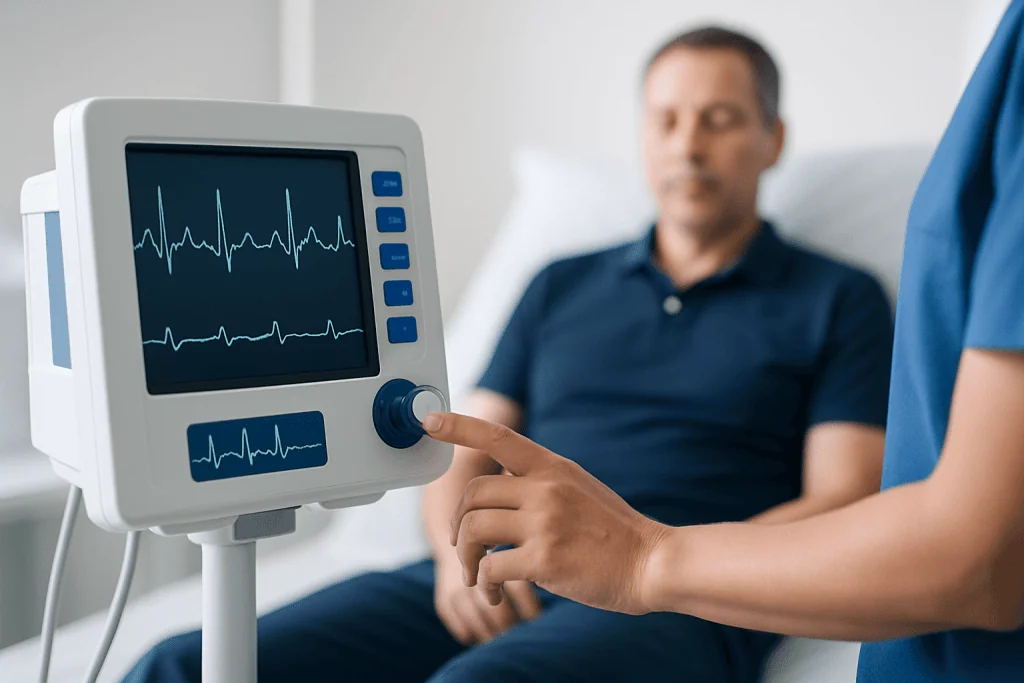
Resting heart rate is the number of times the heart beats per minute while the body is calm, awake, and at rest. It is usually measured after sitting quietly for several minutes, ideally not right after exercise, stress, or caffeine. Many healthy adults have a resting heart rate somewhere between 60 and 100 beats per minute, though the exact number varies from person to person.
A lower resting heart rate is often seen in people with good aerobic fitness because the heart can pump blood more efficiently with each beat. Well-trained athletes may naturally have resting rates below 60 without any symptoms. By contrast, a higher resting heart rate may reflect lower fitness, stress, stimulant use, dehydration, or sometimes a medical issue.
The number matters less in isolation than in context. A resting heart rate of 85 may be normal for one person and unusually high for another if their usual baseline is much lower. Tracking patterns over time, along with symptoms such as dizziness or palpitations, is often more useful than focusing on a single reading.
Common reasons resting heart rate may be higher than usual

Everyday factors are among the most common reasons for a higher resting heart rate. These include emotional stress, anxiety, poor sleep, dehydration, fever, pain, hot weather, alcohol, smoking, and stimulants such as caffeine or certain decongestants. Even a large meal or not eating enough for long periods can affect how the body responds and influence pulse rate.
Physical deconditioning is another frequent factor. When fitness is low, the heart may need to beat faster to meet the body’s needs at rest and during activity. As endurance improves through consistent exercise, stroke volume often increases, meaning the heart can circulate blood more effectively with fewer beats.
Some medical conditions can also raise resting heart rate. These include overactive thyroid, anemia, infections, lung disease, dehydration from vomiting or diarrhea, and heart rhythm conditions. Certain medicines may contribute as well. If symptoms suggest a rhythm disorder, a doctor may evaluate for causes such as arrhythmia.
- Stress or panic
- Too much caffeine, nicotine, or alcohol
- Dehydration or fever
- Low fitness level
- Thyroid problems or anemia
- Heart rhythm abnormalities or medication effects
Ways to lower resting heart rate naturally and safely
The most reliable long-term strategy is regular aerobic exercise. Walking, cycling, swimming, and other moderate activities help the heart become stronger and more efficient. The key is consistency rather than intensity. Sudden very hard exercise is not necessary for most people and may not be appropriate for those with symptoms or known heart disease.
Stress management also matters. Deep breathing, mindfulness, yoga, relaxing routines, and limiting constant stimulation can reduce sympathetic nervous system activation, which is the body’s “fight or flight” response. Better sleep can have a similar effect. Many people notice that poor sleep and stress raise heart rate the next day.
Hydration, avoiding smoking, and reducing excess caffeine or alcohol can help as well. Maintaining a healthy weight and treating conditions such as sleep apnea may further improve cardiovascular strain. For people who need structured support, doctors may assess related problems and, when appropriate, recommend care such as cardiac rehabilitation as part of a broader heart health plan.
It is best not to self-treat with supplements or medications specifically to slow the heart without medical guidance. Some products can interact with medicines or worsen underlying rhythm problems. If the resting rate stays persistently elevated despite healthy changes, medical review is sensible.
Red flags: when a heart rate needs medical review
A faster resting heart rate is often harmless, but some situations should not be ignored. Medical review is recommended if the heart rate remains higher than usual for days to weeks without a clear reason, becomes suddenly abnormal, or is accompanied by other symptoms. The same is true for a very low heart rate if it causes dizziness, weakness, or fainting.
Urgent or emergency care is needed for chest pain, fainting, severe shortness of breath, confusion, blue lips, or a racing or irregular heartbeat that feels dramatic or does not settle. These symptoms can signal a significant rhythm problem, reduced blood flow, or another urgent condition. Symptoms that happen during exercise deserve particular attention.
Palpitations, skipped beats, and sudden bursts of rapid heartbeat may point to a rhythm issue rather than simple stress. In these cases, doctors may evaluate for conditions such as atrial fibrillation or other electrical problems of the heart. Reassuringly, many causes are treatable once identified.
How doctors find the cause
When someone asks how to lower resting heart rate, doctors first try to understand why it is elevated. The assessment usually begins with questions about symptoms, timing, exercise habits, sleep, stress, caffeine or nicotine use, alcohol intake, recent illness, and medicines or supplements. A doctor also checks blood pressure, temperature, oxygen level, and the pulse itself, including whether it is regular or irregular.
Basic tests may include an electrocardiogram to look at the heart’s rhythm and electrical activity. Depending on the situation, blood tests may be used to check for anemia, thyroid disease, infection, electrolyte problems, or other metabolic causes. If episodes come and go, a wearable monitor may help capture the rhythm during symptoms.
Some people also need an echocardiogram, which uses ultrasound to assess heart structure and function. If palpitations or fast heartbeats are frequent or unexplained, the doctor may arrange electrophysiology testing or additional rhythm monitoring. In selected cases, broader cardiology evaluation helps determine whether treatment should target lifestyle, an underlying medical problem, or a heart rhythm disorder.
Medical treatment options if lifestyle changes are not enough
Treatment depends on the cause. If dehydration, fever, anemia, thyroid disease, anxiety, poor sleep, or stimulant use is driving the heart rate, treating that issue often improves the pulse. Sometimes simply adjusting a medication, reducing caffeine, or recovering from an infection is enough to return the resting heart rate toward a person’s usual baseline.
If a heart rhythm disorder is present, treatment may involve medication, rhythm monitoring, or procedure-based care. The right option depends on the type of rhythm problem, symptoms, and overall heart health. In some cases, specialists consider therapies such as cardiac ablation when symptoms are significant or the rhythm is not well controlled by other means.
People with suspected structural heart disease, recurring palpitations, or concerning symptoms may be referred to a heart specialist. Near the end of the care pathway, if international patients need evaluation, Acibadem International’s multidisciplinary specialists and JCI-accredited hospitals diagnose and treat heart rhythm and cardiovascular conditions using guideline-based care.
Self-care, monitoring, and when to seek medical care
Home monitoring can be useful if done calmly and consistently. It helps to check the pulse or a wearable device reading at the same time each day, after several minutes of quiet rest, and to note sleep, stress, exercise, caffeine, alcohol, or illness. Trends are usually more meaningful than isolated numbers. A sudden change from a person’s usual pattern is often worth discussing with a doctor.
Practical self-care steps include regular moderate exercise, gradual fitness building, staying hydrated, sleeping enough, stopping smoking, limiting energy drinks, and learning stress-reduction techniques. These changes usually work gradually over weeks to months rather than overnight. If symptoms such as fatigue or lightheadedness appear during these efforts, medical advice is important before increasing activity.
Medical care should be sought promptly for chest pain, fainting, significant breathlessness, a very rapid or pounding heartbeat, or an irregular rhythm that does not settle. Non-urgent medical review is appropriate for a resting heart rate that stays higher than expected, repeated palpitations, or concern about whether a low or high pulse is normal in context. With proper evaluation, many causes are either benign or manageable.
Frequently asked questions
Can drinking water lower resting heart rate?
It can help if dehydration is part of the problem. When the body is low on fluids, the heart may beat faster to maintain circulation, so rehydration may bring the rate closer to normal.
How long does it take to lower resting heart rate with exercise?
It usually takes weeks to months of regular aerobic exercise to notice a sustained change. The timeline varies with age, fitness level, sleep, stress, and any underlying health conditions.
Is a low resting heart rate always healthier?
Not always. A lower resting heart rate can reflect good cardiovascular fitness, but if it is very low and causes dizziness, fatigue, fainting, or weakness, it needs medical evaluation.
Can anxiety raise resting heart rate?
Yes. Anxiety and stress activate the nervous system and can increase heart rate even at rest. Managing stress, improving sleep, and checking for other contributing factors can help.
Should caffeine be stopped completely?
Not everyone needs to avoid caffeine completely, but too much can raise heart rate or trigger palpitations in some people. It is often reasonable to reduce intake and observe whether symptoms improve.
When should someone worry about a high resting heart rate?
Concern is more appropriate when the rate is persistently higher than usual, suddenly changes, or comes with chest pain, fainting, shortness of breath, severe fatigue, or an irregular heartbeat. Those situations deserve medical review, and some require urgent care.
References
- American Heart Association
- National Heart, Lung, and Blood Institute
- Centers for Disease Control and Prevention
- European Society of Cardiology
- Mayo Clinic
This article is for general information only and is not a substitute for professional medical advice. Please consult a qualified doctor about your individual situation.
Heart care in Turkey — expert evaluation and treatment
JCI-accredited · board-certified surgeons · reply within 24h
Add us as a Preferred Source to see more of our trusted health content across Google Search, AI Overviews and Discover.
Check your numbers in seconds
BMI, calories, due date, blood pressure and 30+ more clinical calculators — free, instant, doctor-reviewed ranges.

More from the Health Library



Related Specialists

Assoc. Prof. Dr. Murat Urkan
General Surgery
Assoc. Prof. Dr. Bahadir Osman Bozkirli
General Surgery
Dr. Artunç Kaan Turanoğlu
Otorhinolaryngology
Prof. Dr. Şükrü Yazar
Aesthetic Plastic & Reconstructive Surgery