How to Make Bones and Joints Strong: Everyday Steps That Help

Weight-bearing and muscle-strengthening exercise helps maintain bone density and supports joint stability. Calcium, vitamin D, protein, and an overall balanced diet are important for bone and joint health.
Key Takeaways
- Weight-bearing and muscle-strengthening exercise helps maintain bone density and supports joint stability.
- Calcium, vitamin D, protein, and an overall balanced diet are important for bone and joint health.
- Healthy body weight, posture, and body mechanics can reduce unnecessary joint stress.
- Avoiding smoking and limiting alcohol can help protect bone strength over time.
- Persistent pain, swelling, stiffness, or repeated fractures should be assessed by a doctor.
Strong bones and joints are built over time through daily habits such as regular movement, balanced nutrition, and injury prevention. Simple lifestyle choices can help protect mobility, reduce strain, and support long-term musculoskeletal health at every age.
Overview
Bones and joints work together to support movement, balance, and everyday activities. Bones provide structure and protect internal organs, while joints allow different parts of the body to move smoothly. Muscles, tendons, ligaments, and cartilage also play important roles in keeping the musculoskeletal system strong and comfortable.
Bone and joint health changes throughout life. During childhood and adolescence, the body builds bone mass quickly. In adulthood, the goal is to maintain bone strength and protect the joints from wear, injury, and inflammation. With aging, bones may become less dense and joints may become stiffer, but healthy habits can still make a meaningful difference.
There is no single food, supplement, or exercise that guarantees strong bones and joints. Instead, long-term health usually depends on a combination of regular physical activity, good nutrition, adequate sleep, and medical care when needed. Small everyday choices often add up over time.
Why Bone and Joint Strength Matters

Strong bones help lower the risk of fractures and support good posture, balance, and physical independence. This becomes especially important with age, when bone loss can increase the chance of broken bones after a fall. Healthy bones also provide a stable foundation for muscles to work effectively.
Healthy joints help people move with less pain and stiffness. Joints that are supported by strong muscles and healthy cartilage are often better able to handle daily demands such as walking, climbing stairs, lifting, and exercise. Joint protection also matters for people who spend long hours sitting, standing, or repeating the same motions.
Bone and joint health is closely linked to overall quality of life. When movement is comfortable, it is easier to stay active, maintain a healthy weight, and support heart health, mental well-being, and sleep. Protecting the musculoskeletal system is therefore an important part of general health, not only orthopedic care.
Nutrition That Supports Bones and Joints
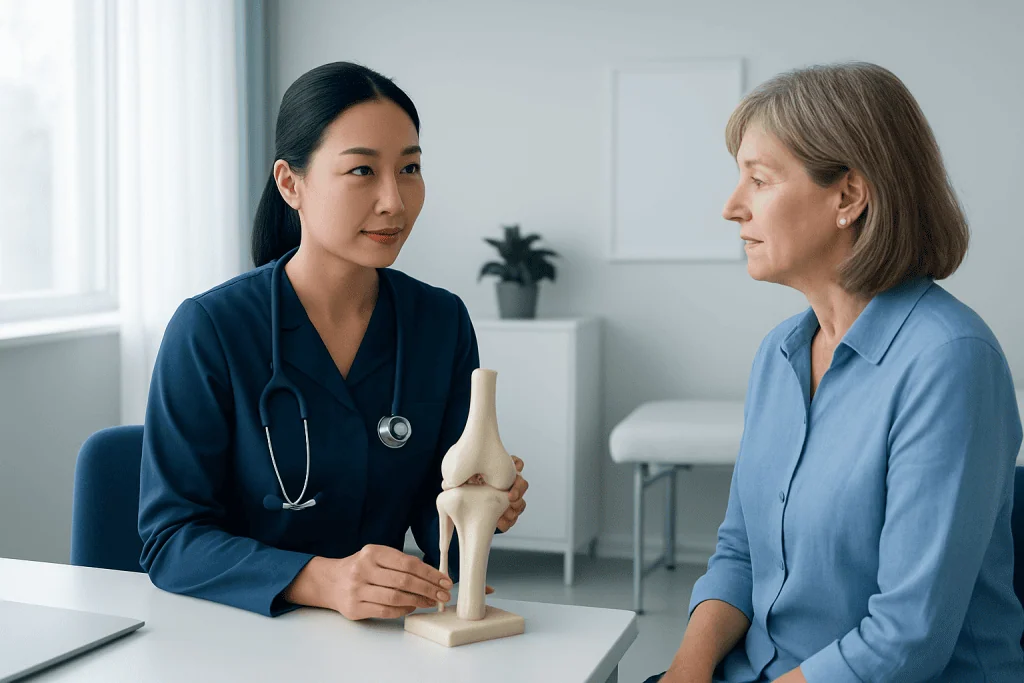
Nutrition is one of the foundations of strong bones and joints. Calcium is essential for bone structure, and vitamin D helps the body absorb and use calcium effectively. Good dietary sources of calcium include milk, yogurt, cheese, fortified plant-based drinks, tofu made with calcium, and some leafy greens. Vitamin D can come from sunlight exposure, fortified foods, and supplements when a doctor advises them.
Protein is also important because bones contain a protein framework, and muscles help protect and stabilize joints. Balanced meals that include beans, lentils, eggs, fish, dairy, lean meat, soy foods, nuts, and seeds can support musculoskeletal health. Other nutrients such as magnesium, phosphorus, vitamin K, and vitamin C also contribute to bone formation and connective tissue health.
For joint health, an overall anti-inflammatory eating pattern may be helpful. This often includes vegetables, fruits, whole grains, legumes, nuts, olive oil, and fish rich in omega-3 fats. Staying well hydrated can also support general joint function, although hydration alone does not treat joint disease.
A few practical habits can help:
- Choose a varied, nutrient-rich diet rather than relying only on supplements.
- Include calcium-rich foods regularly.
- Discuss vitamin D testing or supplements with a doctor if there is limited sun exposure or higher risk of deficiency.
- Limit highly processed foods and excess sugary drinks.
- Avoid very restrictive diets that may reduce protein or mineral intake.
Best Types of Exercise for Strong Bones and Joints
Exercise is one of the most effective ways to strengthen bones and protect joints. Weight-bearing activities encourage bones to stay strong because they work against gravity. Examples include walking, hiking, dancing, stair climbing, and some forms of aerobics. Higher-impact activity may help some people, but it is not suitable for everyone, especially if there is existing joint damage or osteoporosis risk.
Muscle-strengthening exercise is equally important. Strong muscles reduce strain on joints and improve balance and stability. Resistance bands, free weights, bodyweight exercises, and supervised strength training can all be useful. Core strength also supports posture and helps protect the spine and hips during everyday movement.
Flexibility and balance training help keep joints moving comfortably and may reduce the risk of falls. Stretching, yoga, tai chi, and mobility exercises can improve range of motion and coordination. These activities are often most effective when combined with regular walking or strength training rather than done alone.
The best exercise plan is one that matches a person’s age, fitness level, and medical history. People with chronic pain, previous fractures, arthritis, or spinal problems may benefit from guidance from a doctor or physiotherapist before starting a new routine.
Lifestyle Habits That Protect Joints and Bone Density
Body weight has a direct effect on joint health. Excess weight increases pressure on weight-bearing joints such as the knees, hips, and lower back. Even modest, steady weight management can help reduce joint strain and improve mobility. At the same time, being underweight may increase the risk of low bone density, so the goal is a healthy, sustainable balance.
Posture and body mechanics also matter. Sitting with proper support, avoiding long periods in one position, and lifting objects with the legs rather than the back can help protect joints and the spine. Repetitive motions at work or during sports should be balanced with rest, stretching, and technique correction when needed.
Smoking can weaken bones over time and may interfere with the body’s ability to heal after injury. Excess alcohol may also affect bone formation and increase fall risk. Getting enough sleep and managing long-term stress can support recovery, physical activity, and healthy lifestyle routines.
Footwear is another often-overlooked factor. Supportive shoes can improve alignment and reduce stress on the ankles, knees, hips, and lower back. People with flat feet, gait changes, or chronic pain may benefit from advice on footwear or orthotics from a qualified clinician.
Common Risks to Bone and Joint Health
Several factors can weaken bones or place stress on joints. Aging is a natural contributor, but family history, hormone changes, low physical activity, nutritional deficiencies, and some long-term medical conditions can also play a role. Certain medicines, such as prolonged corticosteroid use, may affect bone density and should be monitored by a doctor when relevant.
Joint problems can develop from overuse, previous injuries, inflammatory conditions, or gradual cartilage wear. People may notice stiffness after rest, discomfort with activity, reduced flexibility, swelling, or a grinding sensation. In some cases, symptoms may be related to conditions such as osteoarthritis or bone thinning linked to osteoporosis.
Falls are a major concern, especially in older adults. Poor balance, vision problems, weak muscles, unsafe home environments, and medicines that cause dizziness can increase fall risk. Fall prevention is therefore an important part of protecting both bones and joints.
For some people, sports injuries or sudden trauma may damage ligaments, cartilage, or bone. Early evaluation of significant injuries can help reduce long-term complications and guide recovery, whether this involves rest, rehabilitation, or specialist treatment.
Screening, Diagnosis, and Treatment Options
Doctors assess bone and joint health by reviewing symptoms, medical history, lifestyle factors, and family history. A physical examination may check posture, joint swelling, range of motion, muscle strength, tenderness, and balance. Blood tests may sometimes be used to look for vitamin deficiencies, inflammation, or other contributing health issues.
If there is concern about bone loss, a bone density scan may be recommended. Imaging such as X-rays, ultrasound, MRI, or CT scans may help evaluate pain, injury, arthritis, or suspected structural problems. Early assessment is especially important after a low-impact fracture, ongoing joint swelling, or pain that limits daily life.
Treatment depends on the cause. Many people improve with a combination of exercise guidance, physiotherapy, nutrition support, weight management, and pain-relief strategies advised by a clinician. When symptoms are related to injury or advanced joint disease, care may include physical therapy and rehabilitation or other orthopedic treatments.
Some situations require more specialized care. Depending on the diagnosis, treatment may involve medicines to protect bone density, injections for certain joint conditions, or surgery such as knee replacement or hip replacement when joint damage is severe and conservative options no longer help. For international patients, Acibadem International’s multidisciplinary specialists and JCI-accredited hospitals diagnose and treat bone and joint conditions with individualized care plans.
Prevention and When to See a Doctor
Prevention starts with daily habits. Regular activity, a balanced diet, healthy weight, and avoiding smoking can all support strong bones and joints. It is also helpful to build strength gradually, warm up before exercise, and use proper technique during sports or lifting. At home, reducing fall hazards such as loose rugs, poor lighting, and clutter can make a meaningful difference.
People should consider medical advice if they have persistent joint pain, visible swelling, morning stiffness that lasts, repeated sprains, back pain with weakness or numbness, or a fracture after a minor fall. Evaluation is also important for those with strong family history of osteoporosis, early menopause, chronic inflammatory disease, or long-term medicine use that affects bones.
Children and teenagers with frequent fractures, bone pain, limping, or sports injuries should also be assessed promptly. In older adults, sudden loss of mobility, severe hip or back pain, or a fall followed by difficulty standing needs timely attention.
Many bone and joint problems can be managed more effectively when identified early. A doctor can help tailor exercise, nutrition, and treatment choices to a person’s age, symptoms, and overall health goals.
Frequently asked questions
What is the best daily habit for strong bones and joints?
There is not one single best habit, but regular physical activity is one of the most effective. Weight-bearing exercise, strength training, and healthy eating together provide the strongest long-term support for bones and joints.
Which foods are most important for bone health?
Foods rich in calcium, vitamin D, and protein are especially important. Dairy products, fortified foods, beans, tofu, fish, eggs, nuts, seeds, and leafy greens can all be part of a bone-supportive diet.
Can joints become stronger with exercise?
Exercise does not rebuild worn cartilage, but it can strengthen the muscles around the joints and improve stability. This often reduces strain, supports better movement, and may lessen discomfort over time.
Does walking help strengthen bones?
Yes, walking is a useful weight-bearing activity that can help maintain bone strength, especially when done regularly. It also supports joint mobility, balance, and overall fitness, although some people may benefit from adding resistance exercise as well.
Are supplements enough to protect bones?
Supplements can help in some cases, especially when calcium or vitamin D intake is low, but they are not a complete solution. Bone health is best supported by a balanced diet, exercise, lifestyle habits, and medical guidance when needed.
How can someone protect their joints during daily activities?
Using good posture, lifting correctly, avoiding repetitive strain, and maintaining a healthy weight can all help. Supportive footwear, regular breaks from sitting, and strengthening the muscles around vulnerable joints are also useful strategies.
When should bone or joint pain be checked by a doctor?
Pain should be assessed if it lasts more than a few weeks, keeps returning, limits activity, or is accompanied by swelling, weakness, numbness, or fever. A doctor should also evaluate pain after a fall or injury, especially if there is difficulty bearing weight.
References
- World Health Organization
- International Osteoporosis Foundation
- National Institute of Arthritis and Musculoskeletal and Skin Diseases
- Centers for Disease Control and Prevention
- NHS
This article is for general information only and is not a substitute for professional medical advice. Please consult a qualified doctor about your individual situation.
Joint and spine care in Turkey — expert assessment & treatment
JCI-accredited · board-certified surgeons · reply within 24h
Add us as a Preferred Source to see more of our trusted health content across Google Search, AI Overviews and Discover.

More from the Health Library



Related Specialists

Prof. Dr. Ergün Seyfeli
Cardiology
Dr. Tuğba Çelebi
Internal Medicine
Dr. Ufuk Güngör
Physical Medicine & Rehabilitation
Assoc. Prof. Dr. Arzu Yurci
Gynecology & Obstetrics