How to Make Hair Thicker? Here Is What the Evidence Says

Hair thickness can refer to the width of individual strands, the number of growing hairs or the appearance of fullness. Gentle styling, adequate protein and correction of proven nutrient deficiencies can support healthy hair growth.
Key Takeaways
- Hair thickness can refer to the width of individual strands, the number of growing hairs or the appearance of fullness.
- Gentle styling, adequate protein and correction of proven nutrient deficiencies can support healthy hair growth.
- Pattern hair loss is common and may respond to early, clinician-guided treatment.
- Supplements are not a reliable solution unless a true nutritional deficiency is present.
- Sudden shedding, patchy hair loss, scalp inflammation or hair loss with other symptoms needs medical review.
Many people can make hair look and feel thicker by reducing breakage, treating scalp problems and addressing nutritional or medical causes of shedding. A gradual change in hair density is often not dangerous, but sudden loss, patchy bald areas or scalp symptoms should be assessed by a clinician.
How to Make Hair Thicker: What Usually Helps
For many people, hair that seems thinner is related to normal aging, inherited pattern hair loss, temporary shedding after stress or illness, or breakage from heat and chemical processing. The most evidence-based approach is to identify which of these is happening, protect the hair that is present and treat any underlying medical cause. There is no single shampoo, food or supplement that can reliably create new hair follicles.
Hair can appear fuller when breakage is reduced, the scalp is healthy and shedding has settled. Treatments may also help preserve or increase density in some forms of hair loss, especially when started early. A dermatologist or primary care clinician can distinguish thinning from shedding and recommend options suited to the person’s health, age, pregnancy status and goals.
Most gradual hair thinning is not an emergency. However, prompt assessment is sensible for rapid or patchy loss, scalp pain or scaling, loss of eyebrows or body hair, or hair loss accompanied by fatigue, weight change, menstrual changes or other new symptoms. These features can point to a treatable skin, hormonal, nutritional or autoimmune condition.
What “Thicker Hair” Can Mean
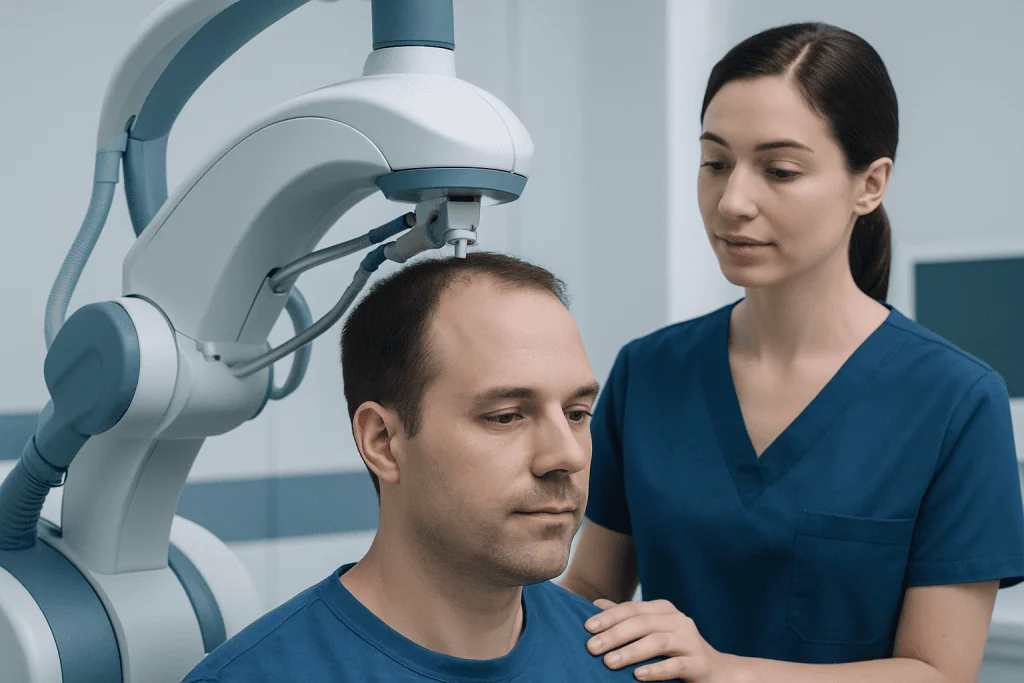
Hair thickness is not one single measure. Individual hairs may be naturally fine or coarse, which is largely influenced by genetics. Hair density means how many hairs grow from a given area of scalp, while hair volume is the visible fullness created by density, strand diameter, curl pattern and styling. A person may have fine hair without having hair loss.
Hair growth also follows a cycle. Most scalp hairs spend years in the growing phase, while a smaller number naturally shed each day. After a physical or emotional stressor, more hairs can shift into a resting phase and shed several months later. This temporary process, called telogen effluvium, often improves once the trigger resolves, although regrowth takes time.
In androgenetic alopecia, also called female-pattern or male-pattern hair loss, genetically susceptible follicles gradually produce finer, shorter hairs. This commonly causes widening of the central part in women or recession and thinning at the crown in men. It is different from breakage, where hairs snap along the shaft and leave uneven short lengths rather than shedding from the root.
Common Reasons Hair Looks Thinner

Inherited pattern hair loss is among the most common reasons for progressive thinning. It can affect adults of any sex and may begin in the teens or later in life. Hormonal changes around pregnancy, menopause or conditions involving excess androgens can influence the growth cycle, although not every person with thinning has a hormonal disorder.
Temporary diffuse shedding may follow fever, major surgery, childbirth, significant weight loss, restrictive eating, severe stress or a new medication. Iron deficiency, thyroid disease and inadequate intake of protein or certain nutrients can also contribute in some people. A clinician should interpret blood tests in the context of symptoms, diet and the pattern of hair loss rather than assuming that every low or borderline result explains thinning.
Scalp disorders can affect growth and comfort. Dandruff, psoriasis, fungal infections and inflammatory conditions may cause itching, flakes, redness or scaling. Repeated tight hairstyles, extensions, harsh chemical treatments, frequent bleaching and high-heat tools can cause breakage or traction alopecia. Long-standing traction can damage follicles permanently, so changing damaging practices early matters.
- Family history of gradual thinning may suggest pattern hair loss.
- Recent illness, childbirth or a stressful event may suggest temporary shedding.
- Itching, pain, flakes or pustules may suggest a scalp condition.
- A sharply defined patch of loss may need evaluation for alopecia areata or another cause.
Daily Steps That Protect Hair and Improve Fullness
Healthy hair care cannot change a person’s genetic follicle count, but it can reduce breakage and improve the appearance of volume. Washing frequency should suit the scalp and hair type. People with an oily scalp may need more frequent washing, while those with dry, textured or tightly curled hair may prefer less frequent cleansing and regular conditioning. Keeping the scalp clean does not cause hair loss.
It is helpful to use conditioner on the hair lengths, detangle gently with a wide-tooth comb or fingers, and avoid pulling wet hair. Limiting repeated bleaching, relaxing, perming and very high heat can reduce shaft damage. Heat protectants, lower tool temperatures and looser hairstyles are practical measures. If a style causes pain, headache, bumps or tension at the hairline, it is too tight.
For cosmetic fullness, a haircut that removes visibly damaged ends, lightweight volumizing products and styling techniques may make hair look thicker without changing growth. Hair fibers and tinted scalp products can camouflage areas of reduced density. These options are generally temporary and should be used as directed, particularly if the scalp is sensitive.
Nutrition should focus on regular, balanced meals with adequate protein and a variety of fruits, vegetables, whole grains and nutrient-rich foods. Crash diets and very low-calorie eating can trigger shedding. Unless testing confirms a deficiency or a clinician recommends it, high-dose biotin, iron, zinc or other supplements are not routinely advised and may cause side effects or interfere with laboratory tests.
Medical Treatments With Evidence
Treatment depends on the diagnosis. For androgenetic alopecia, topical minoxidil is an established option that may help prolong the growing phase and improve density for some adults. Results are gradual and usually take several months. Shedding can temporarily increase when treatment begins, and benefits generally lessen if it is stopped. A clinician or pharmacist can advise on appropriate use, potential irritation and whether it is suitable during pregnancy or breastfeeding.
Some people may be candidates for prescription medicines that influence androgen activity or other aspects of hair growth. These medications require medical assessment because their risks, monitoring needs and suitability differ by sex, reproductive plans and medical history. A clinician may also treat conditions such as thyroid disease, iron deficiency, scalp inflammation or fungal infection when these are contributing to hair loss.
Procedures such as low-level light therapy, platelet-rich plasma injections and hair transplantation are sometimes considered for selected patients. The quality of evidence and expected benefit varies among procedures, and they are not appropriate for every type of shedding. Hair transplantation may be an option for stable pattern hair loss when there is enough healthy donor hair, but it does not stop ongoing thinning in untreated areas.
Choosing treatment based on the cause is more useful than trying multiple unproven products. People with progressive inherited thinning may benefit from early discussion with a dermatologist, while people with temporary shedding may mainly need reassurance, trigger management and follow-up as regrowth occurs.
How Doctors Assess Hair Thinning
A medical assessment usually begins with a history of when the thinning started, how quickly it progressed, whether shedding is diffuse or localized, recent illnesses, diet changes, stressors, medications and family history. The clinician may ask about menstrual regularity, acne, unwanted facial hair, fatigue, temperature intolerance or changes in weight when hormonal or thyroid causes are possible.
During the examination, the clinician looks at the distribution of thinning, the hair shafts and the scalp. They may perform a gentle hair-pull test or use magnification to assess follicles. Signs such as redness, scale, broken hairs, scarring or smooth patches can help narrow the diagnosis.
Blood tests are not necessary for everyone, but may be recommended when history or examination suggests a medical contributor. Depending on the situation, these can include tests for anemia or iron stores, thyroid function and other nutritional or hormonal factors. Occasionally, a dermatologist may recommend a scalp biopsy when scarring alopecia or another less common diagnosis is suspected.
A clear diagnosis helps avoid unnecessary supplements and delayed care. It also sets realistic expectations: hair grows slowly, and even effective treatment usually requires consistent use and several months before changes can be judged fairly.
When to Seek Medical Care
Medical review is recommended when hair loss is sudden, severe or continuing for more than a few months without improvement. A person should also arrange an appointment for round or patchy bald spots, visible scalp scarring, pain, burning, marked itching, pus-filled bumps or thick scaling. These signs may indicate a condition that benefits from prompt treatment.
It is also important to seek advice if thinning occurs with fatigue, paleness, unexplained weight change, bowel changes, irregular periods, fertility concerns, acne, increased facial hair or other new health symptoms. Children with hair loss should be assessed, as causes and treatment considerations can differ from those in adults.
People who are pregnant, breastfeeding, planning pregnancy or taking regular medicines should consult a qualified clinician before starting hair-loss medications or supplements. Acibadem International’s multidisciplinary specialists at JCI-accredited hospitals can evaluate hair and scalp concerns and coordinate care for international patients when needed.
Frequently asked questions
Can hair actually become thicker?
Individual strand width is mostly determined by genetics, so it cannot usually be permanently changed in a major way. However, reducing breakage, treating scalp disease and addressing hair loss can improve the number and quality of visible hairs. This can make hair look and feel fuller over time.
What foods help make hair thicker?
A balanced diet with enough protein, iron-containing foods, healthy fats, fruits and vegetables supports normal hair growth. No single food has been proven to make hair dramatically thicker. People with suspected nutrient deficiency should seek medical advice rather than self-treating with high-dose supplements.
Do biotin supplements help with thinning hair?
Biotin can help when a person has a true biotin deficiency, but this is uncommon. In people without deficiency, evidence that biotin improves hair growth is limited. High-dose biotin can also interfere with certain blood test results, so it is important to tell a clinician about any supplement use.
How long does it take to see thicker-looking hair?
Hair growth is slow, so visible improvement often takes several months. Temporary shedding after illness or stress may settle gradually as the growth cycle resets. Treatments for pattern hair loss also need consistent use and periodic review before their effect can be assessed.
Can stress make hair thinner?
Significant physical or emotional stress can trigger increased shedding in some people, often a few months after the event. This type of shedding is commonly temporary, although recovery can take time. Persistent or severe shedding should still be evaluated to rule out other contributing causes.
Is frequent shampooing bad for thinning hair?
Shampooing does not cause hair follicles to stop growing. Hairs that are already in the shedding phase may come out during washing, which can make hair loss seem worse than it is. Using a gentle shampoo and avoiding aggressive rubbing or pulling can help protect fragile hair shafts.
This article is for general information only and is not a substitute for professional medical advice. Please consult a qualified doctor about your individual situation.
Hair transplant in Turkey — costs, graft counts & a free assessment
JCI-accredited · board-certified surgeons · reply within 24h
Add us as a Preferred Source to see more of our trusted health content across Google Search, AI Overviews and Discover.

More from the Health Library

Flu Rash: Common Causes, Related Conditions, and When to See a Doctor

Can You Eat Kiwi Skin? Here Is What the Evidence Says

Which Fish Is Good for Uric Acid? Causes, Explanations, and Next Steps

Head Pain After Crying: Common Causes, Related Conditions, and When to See a Doctor

Baby Rash Types with Pictures: Possible Causes and When to Seek Care