

How to Prepare for a Neuro-Ophthalmology Appointment
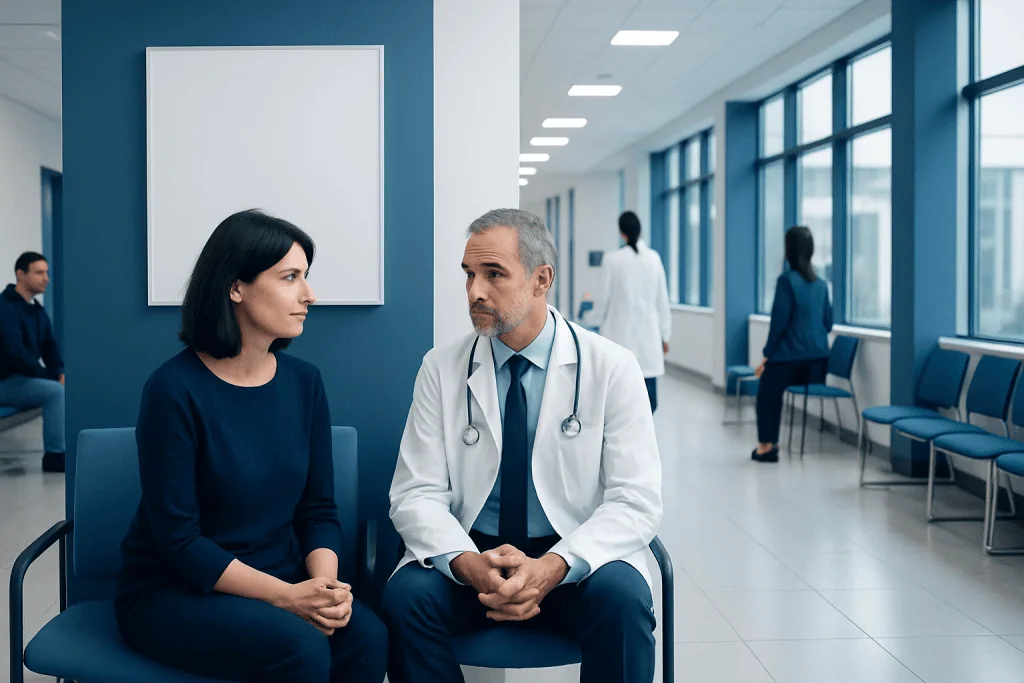
Bring previous eye tests, scans, referral notes, and a full medication list. Write down symptoms carefully, including when they started and what makes them better or worse.
Key Takeaways
- Bring previous eye tests, scans, referral notes, and a full medication list.
- Write down symptoms carefully, including when they started and what makes them better or worse.
- Expect tests of vision, eye movements, pupils, and the optic nerve, and sometimes additional imaging or blood tests.
- If the eyes may be dilated, arranging transport home can be helpful.
- A companion can help remember details and provide useful observations about symptoms.
A neuro-ophthalmology appointment evaluates vision problems that may be linked to the eyes, optic nerves, brain, or nervous system. Preparing ahead can help the specialist understand symptoms clearly and make the visit more efficient and reassuring.
Overview: What a Neuro-Ophthalmology Appointment Is
A neuro-ophthalmology appointment focuses on visual symptoms that may involve both the eyes and the nervous system. Neuro-ophthalmologists evaluate how the eyes, optic nerves, eye muscles, brain pathways, and related nerves work together. Patients are often referred when symptoms are not explained by a routine eye exam alone, or when there is concern about a neurological cause of vision changes.
Common reasons for referral include double vision, unexplained vision loss, drooping eyelids, abnormal pupils, optic nerve swelling, visual field loss, or headaches with visual symptoms. Some people are referred after an MRI or CT scan, while others come after seeing an ophthalmologist, neurologist, emergency physician, or family doctor. The purpose of the visit is to understand the pattern of symptoms and decide whether the problem is primarily ocular, neurological, or both.
Preparation can make the appointment smoother and more productive. Because these visits often involve reviewing past records and comparing test results over time, organized information is especially helpful. Good preparation also helps patients ask the right questions and feel more confident during the evaluation.
When Someone May Be Referred to Neuro-Ophthalmology
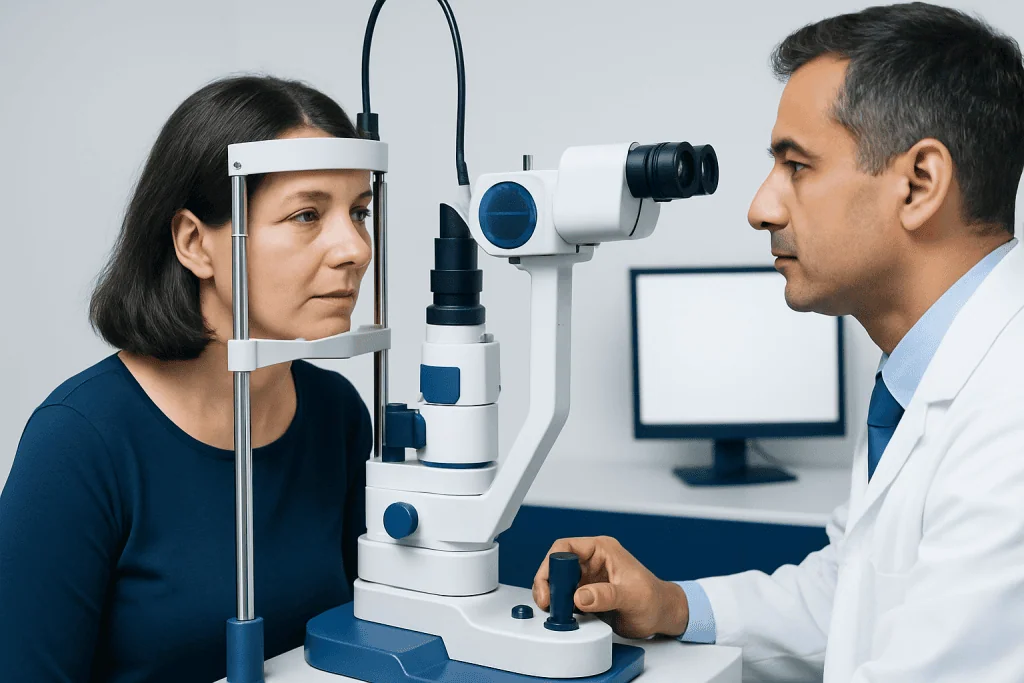
A neuro-ophthalmology visit may be recommended when vision symptoms suggest a problem beyond the surface of the eye. Examples include blurred vision that cannot be fully corrected with glasses, reduced side vision, sudden changes in color vision, eye movement problems, or episodes of temporary vision loss. Referral may also be advised if the optic nerve appears abnormal on examination.
Some symptoms happen with known conditions such as migraine, multiple sclerosis, stroke, thyroid eye disease, diabetes, autoimmune disorders, or increased pressure around the brain. In other cases, the cause is not yet known. A neuro-ophthalmologist helps sort through these possibilities and may coordinate care with specialists in neurology care, endocrinology, neurosurgery, or general ophthalmology when needed.
Patients may also be sent for evaluation after an abnormal visual field test, unusual eye movements, or persistent double vision. In children and older adults, appointments may require extra planning because symptoms can be harder to describe or may overlap with other conditions. Knowing why the referral was made can help patients prepare relevant records and questions.
How to Prepare Before the Visit

One of the best ways to prepare for a neuro-ophthalmology appointment is to gather all relevant medical information in one place. This includes recent eye exam reports, glasses prescriptions, visual field test results, optic nerve photos, MRI or CT reports, hospital discharge summaries, referral letters, and blood test results if available. If scans were performed elsewhere, patients should ask whether the images themselves can be shared in addition to the written report.
It is also helpful to make a simple symptom timeline. This can include when symptoms began, whether they came on suddenly or gradually, whether one or both eyes are affected, how long episodes last, and whether symptoms are constant or intermittent. Patients should note associated issues such as headache, eye pain, dizziness, weakness, numbness, imbalance, eyelid drooping, or changes in speech. Small details can help the specialist narrow the causes.
A current medication list is important, including eye drops, over-the-counter medicines, vitamins, supplements, and any recent medication changes. Some medications can affect vision, eye pressure, pupils, or the nervous system. Patients should also list allergies, past surgeries, chronic medical conditions, and any family history of neurological or eye disease.
Because the appointment may include pupil dilation or lengthy testing, practical planning matters too. Patients may wish to bring sunglasses, a written list of questions, and a companion for support. If blurred vision after dilation is a possibility, arranging transportation home can be a sensible precaution.
What to Bring to the Appointment
Bringing the right items can save time and reduce the chance that important information is missed. Patients should bring identification, insurance or administrative documents if applicable, their glasses and contact lenses, a list of current medications, and copies of prior records. If the patient has had neuroimaging, it is often helpful to bring both the written report and the image disc or digital access details if available.
For people who have symptoms such as intermittent drooping, crossed eyes, abnormal eye movements, or episodes of unequal pupils, photos or short videos captured safely on a phone may be useful. These can show what happens during an episode that is not visible during the appointment. Symptom diaries can also be helpful, especially for fluctuating problems.
A written list may include:
- When the symptom first appeared
- Whether it is getting better, worse, or staying the same
- What triggers it, such as fatigue, reading, bright light, coughing, or certain head positions
- Whether there is pain, headache, nausea, or neurological symptoms
- Previous diagnoses and treatments tried
If another person has noticed changes in walking, facial appearance, balance, or eye alignment, bringing that person can sometimes add useful context. A companion can also help remember instructions after the consultation.
What Usually Happens During the Evaluation
Neuro-ophthalmology appointments are often more detailed than a standard vision check. The visit usually begins with a conversation about symptoms, past medical history, medications, and previous test results. The doctor may ask very specific questions about timing, triggers, and whether symptoms affect one eye or both. Even if the symptom seems minor, it is worth mentioning.
The examination may include testing of visual acuity, color vision, peripheral vision, pupils, eyelids, eye alignment, and eye movements. The doctor may examine the front and back of the eyes and assess the optic nerve. In some cases, the appointment also includes imaging of the retina or optic nerve, formal visual field testing, or photographs to document findings. If needed, the specialist may work with colleagues in ophthalmology or arrange further neurological assessment.
Some patients need additional investigations after the visit. These may include MRI, CT, blood tests, or other assessments depending on the suspected cause. For example, when symptoms relate to pressure on the optic nerve, inflammation, or brain pathways controlling vision, imaging can be important. Where appropriate, the specialist may explain whether findings are more consistent with conditions such as optic neuritis or pituitary tumor affecting the visual pathways.
Because the exam can be thorough, the appointment may take longer than a typical clinic visit. This is normal and often reflects the complexity of visual and neurological symptoms. Patients should not worry if several tests are repeated, as comparison across different parts of the exam is often necessary for an accurate assessment.
Questions to Ask the Specialist
Patients do not need to know medical terminology to ask good questions. A simple written list can help guide the discussion and make sure important concerns are covered. Good questions often focus on diagnosis, the next steps, possible tests, treatment options, and what symptoms should prompt urgent follow-up.
Examples of useful questions include: What is the most likely cause of the symptoms? Are there other possible explanations? Do I need more tests now, or can symptoms be monitored? Could any of my medications be contributing? If treatment is needed, what are the main options and what should I expect from them?
It may also help to ask how quickly the problem usually changes and whether there are warning signs that require urgent attention. Patients can ask if reading, screen use, driving, or work activities should be adjusted temporarily. If a diagnosis overlaps with broader neurological care, the doctor may discuss referral for brain and nerve surgery or other specialty evaluation when appropriate, although many neuro-ophthalmic problems are managed without surgery.
After the Appointment: Next Steps and Self-Care
After the visit, patients may receive a diagnosis, a plan for further testing, or a period of observation with follow-up. Some conditions can be identified at the first appointment, while others require comparison of scans, repeat visual field testing, or consultation with other specialists. Clear follow-up is important, especially if symptoms are changing.
Patients should keep copies of new test results and note any changes in vision, double vision, headaches, pain, or neurological symptoms between visits. If treatment is prescribed, taking medications exactly as advised and reporting side effects promptly can help avoid unnecessary delays. People who wear glasses or use prisms for double vision should use them as directed and mention whether they help.
Simple self-care measures may support comfort, although they do not replace medical treatment. Depending on the symptom, these might include using adequate lighting, reducing glare, taking breaks during reading, avoiding driving if vision is unsafe, and protecting the eyes from bright light after dilation. If the care plan involves other departments, coordinated management can be important. Acibadem International’s multidisciplinary specialists and JCI-accredited hospitals diagnose and treat neuro-ophthalmic conditions for international patients when this type of coordinated evaluation is needed.
It is reassuring to remember that preparation is not about having every answer before the appointment. It is mainly about giving the specialist the clearest possible picture so that diagnosis and care planning can move forward efficiently.
When to Seek Urgent Medical Attention
Some symptoms should not wait for a routine appointment. Sudden vision loss, new severe double vision, sudden drooping of the face or eyelid, severe eye pain with vision change, symptoms suggestive of stroke, or a sudden severe headache with visual symptoms require prompt medical attention. These situations may need emergency evaluation rather than an outpatient clinic visit.
Urgent review may also be needed for rapidly worsening visual field loss, new weakness or numbness, confusion, trouble speaking, or significant symptoms after head injury. If there is uncertainty about whether symptoms are urgent, contacting a doctor or emergency service is the safest choice. Early evaluation can be important even when symptoms later improve.
For non-emergency concerns, patients should still contact the clinic sooner if symptoms change noticeably while waiting for an appointment. New episodes, increasing frequency, or added neurological symptoms may affect how quickly the patient needs to be seen. Keeping a brief record of these changes can be very helpful when speaking with the care team.
Frequently asked questions
Do patients need a referral for a neuro-ophthalmology appointment?
This depends on the healthcare system, insurance rules, and the clinic. Many patients are referred by an ophthalmologist, neurologist, emergency physician, or primary care doctor because the symptoms may involve both vision and the nervous system. Even when a referral is not strictly required, previous medical records are still very helpful.
Should patients expect their pupils to be dilated?
Many neuro-ophthalmology visits include dilation so the specialist can examine the optic nerve and retina more fully. Dilation can cause temporary light sensitivity and blurred near vision for several hours. Bringing sunglasses and planning transport home can be helpful.
What if symptoms are intermittent and not present on the day of the appointment?
Intermittent symptoms are common in neuro-ophthalmology. A symptom diary, photographs, or short videos taken safely during episodes can provide valuable information. Patients should describe how often episodes happen, how long they last, and whether anything seems to trigger them.
How long does a neuro-ophthalmology appointment usually take?
These appointments are often longer than routine eye visits because the history and examination are more detailed. The exact length depends on the symptoms and whether testing such as visual fields or imaging is performed on the same day. Patients should allow extra time in case the evaluation is more extensive than expected.
Is it necessary to bring old scans and test results?
Yes, whenever possible. Previous MRI, CT, visual field tests, optic nerve photographs, and eye exam notes can help the specialist compare findings over time and avoid repeating tests unnecessarily. Bringing both the written report and the actual images is often useful.
Can a family member or friend come to the appointment?
In most cases, yes, if clinic policy allows it. A companion can help remember instructions, provide observations about symptoms, and offer practical support after dilation or testing. This can be especially helpful for older adults, children, or anyone feeling anxious about the visit.
References
- American Academy of Ophthalmology
- North American Neuro-Ophthalmology Society
- National Eye Institute
- National Institute of Neurological Disorders and Stroke
This article is for general information only and is not a substitute for professional medical advice. Please consult a qualified doctor about your individual situation.
Explore treatments in Turkey — costs, top hospitals & a free quote
JCI-accredited · board-certified surgeons · reply within 24h
Add us as a Preferred Source to see more of our trusted health content across Google Search, AI Overviews and Discover.

More from the Health Library



Related Specialists

Dr. Süha Alzafer
Pulmonology
Prof. Dr. Levent Türkeri
Urology
Dr. Soner Dileklen
Internal Medicine
Dr. Ersin Adem Hadzhiyusein
Inpatient Clinic Physicians Clinical Service