

How to Prepare for Cancer Treatment: Tests, Medications, and Questions to Ask

Preparation for cancer treatment usually includes blood tests, imaging, and other checks tailored to the cancer type and planned therapy. A full medication review is important because prescription drugs, supplements, and herbal products can affect treatment safety.
Key Takeaways
- Preparation for cancer treatment usually includes blood tests, imaging, and other checks tailored to the cancer type and planned therapy.
- A full medication review is important because prescription drugs, supplements, and herbal products can affect treatment safety.
- Patients benefit from asking clear questions about goals, side effects, fertility, nutrition, work, and follow-up care.
- Practical planning for transport, help at home, finances, and emotional support can make treatment easier to manage.
- Not every patient needs the same tests or steps; the care team personalizes preparation based on the diagnosis and overall health.
Preparing for cancer treatment often involves medical tests, a careful review of medicines, and practical planning for daily life. Knowing what to expect and what to ask can help patients feel more informed, organized, and supported before treatment begins.
Overview: What Cancer Treatment Preparation Means
Cancer treatment preparation is the process of getting medically and practically ready before therapy begins. It often starts soon after diagnosis and may include confirming the type and stage of cancer, checking general health, reviewing medicines, and discussing the treatment plan. Depending on the situation, treatment may involve surgery, chemotherapy, radiation therapy, immunotherapy, targeted therapy, hormone therapy, or a combination of these approaches.
The goal of preparation is to help treatment start as safely and smoothly as possible. This stage gives the care team important information about how the body is functioning and whether any medical issues should be addressed first. It also gives the patient and family time to understand the plan, make arrangements at home or work, and ask questions that matter to them.
Preparation can feel overwhelming, especially when many appointments are scheduled close together. Even so, each step has a purpose. Learning what to expect can reduce uncertainty and help patients feel more in control as they move toward treatment.
Common Tests Before Cancer Treatment
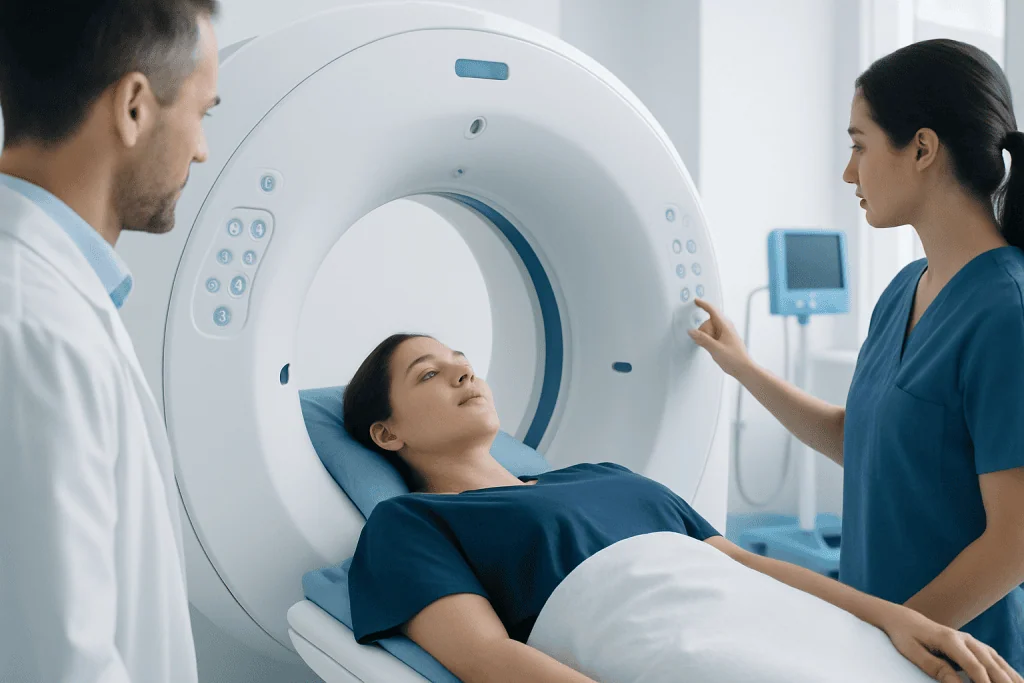
Before treatment begins, doctors often order tests to learn more about the cancer and about the patient’s overall health. The exact tests depend on the cancer type, symptoms, age, medical history, and the treatment being considered. Some tests confirm the diagnosis, while others help the team decide which treatment is most suitable.
Common blood tests may include a complete blood count, kidney and liver function tests, electrolyte levels, and clotting studies. These tests can show whether the body is ready for treatment and whether there are conditions that need attention first. In some cases, tumor markers or infection screening may also be needed.
Imaging tests such as CT, MRI, ultrasound, PET, or X-rays may be used to understand the size of the tumor and whether it has spread. A biopsy is often essential to confirm the exact cancer type. Some patients also need heart or lung function tests before therapies that may affect these organs, and others may have genetic or molecular testing to help guide targeted treatment decisions.
- Blood tests to assess overall health and organ function
- Imaging to define the location and extent of disease
- Biopsy or pathology review to confirm diagnosis
- Heart, lung, or kidney assessments when treatment could affect these organs
- Molecular or genetic testing when it may change treatment choices
Medication Review and Health Information to Share

One of the most important preparation steps is giving the care team a complete list of everything the patient takes. This includes prescription medicines, over-the-counter drugs, vitamins, herbal products, protein powders, and traditional remedies. Some substances can interact with cancer treatments, increase bleeding risk, affect anesthesia, or change how the liver and kidneys process medication.
Patients should also tell the team about allergies, prior reactions to medicines, implanted devices, and any long-term conditions such as diabetes, heart disease, asthma, kidney disease, autoimmune conditions, or infections. A history of pregnancy, breastfeeding, or fertility concerns should also be discussed early, because some cancer treatments can affect reproductive health.
It can help to bring medicine bottles, a written list, or photos of labels to appointments. Patients should not stop or start medications on their own unless a doctor advises it. If changes are needed, the team will explain which medicines to continue, hold, or adjust before surgery, chemotherapy, or radiation therapy.
Questions to Ask Before Starting Treatment
Asking questions is an important part of cancer care. Patients do not need to remember everything at once, and it is often helpful to write questions down before each visit. Bringing a family member or trusted friend can also make it easier to listen, take notes, and review information later.
Many patients want to understand the diagnosis, the goal of treatment, and what the next few weeks may look like. Others want to know how treatment might affect daily activities such as eating, sleeping, working, travel, childcare, or exercise. There is no single right set of questions; the best questions are the ones that help the patient feel informed and prepared.
- What type of cancer is it, and what stage is it?
- What is the main goal of treatment: cure, control, or symptom relief?
- What treatment options are recommended, and why?
- What side effects are common, and which ones need urgent attention?
- Will treatment affect fertility, sexual health, or menopause?
- Are there food, medicine, or activity restrictions?
- How often will appointments, scans, and blood tests be needed?
- Who should be contacted after hours if a problem develops?
If the treatment plan includes procedures such as chemotherapy, radiation therapy, or cancer surgery, patients can ask how to prepare for each one specifically. Understanding the steps in advance often reduces stress and helps with practical planning.
Practical Planning for Home, Work, and Daily Life
Cancer treatment affects more than the body. It can change routines, energy levels, and responsibilities at home or work, so practical planning is an important part of preparation. Even simple arrangements made early can make treatment days less stressful.
Patients may want to plan transportation, especially if treatment causes fatigue or if driving is not recommended after certain medicines or procedures. Some people arrange help with meals, school runs, pet care, or household tasks during the first days after treatment. Others prepare a bag for hospital visits with documents, a medication list, snacks, water, and comfortable clothing.
Work and financial planning can also be useful. Patients may wish to ask about expected treatment timing, likely recovery days, and any activity restrictions so they can discuss leave or flexible schedules with employers. Social workers, nurse navigators, and patient support services can often help with emotional support, practical concerns, and access to community resources.
Nutrition, Fertility, and Emotional Well-Being
Good preparation also includes discussing broader health needs that may affect treatment tolerance and recovery. Eating well, staying hydrated, and treating dental problems or infections before treatment may be recommended in some cases. However, there is no single cancer diet for everyone, so patients should be cautious about restrictive diets or supplements promoted without medical evidence.
Fertility should be addressed before treatment starts if future pregnancy or parenthood is important to the patient. Some cancer therapies can affect the ovaries, testes, or hormone function. Depending on the situation and available time, the care team may discuss options such as sperm, egg, or embryo preservation before treatment.
Emotional health matters too. Anxiety, sadness, sleep problems, and uncertainty are common around the time of diagnosis and treatment planning. Seeking support from counselors, psychologists, support groups, spiritual care providers, or loved ones can help patients cope. For some people, learning more about the diagnosis, including related conditions such as breast cancer or lung cancer, can make conversations with the care team clearer and more focused.
The Days Just Before Treatment Starts
In the final days before treatment, the care team may give specific instructions based on the type of therapy. For surgery, this may include fasting rules, medication changes, preoperative bathing, or arrival times. For systemic treatment such as chemotherapy or immunotherapy, patients may be told what to eat and drink, what medicines to take beforehand, and how long the visit is expected to last.
It is helpful to confirm practical details in advance, such as insurance or authorization paperwork, transport, and who to call if symptoms change before the first session. Patients should also report any new fever, cough, vomiting, severe pain, or signs of infection, as these issues may affect whether treatment should proceed as scheduled.
Some people find it helpful to prepare emotionally as well as practically. Rest, gentle activity if advised, and organizing support can make the first day feel more manageable. Near the start of care, a center such as Acibadem International may support international patients through multidisciplinary specialists and JCI-accredited hospitals that diagnose and treat cancer with individualized planning.
When to Contact the Care Team Before Treatment
Patients should contact their cancer team if anything changes between the planning visit and the start of treatment. New symptoms do not always mean a serious problem, but they can be important. Early communication helps the team decide whether the treatment plan, timing, or supportive care needs to be adjusted.
Reasons to call may include fever, chills, shortness of breath, chest pain, worsening pain, confusion, new bleeding, severe diarrhea or vomiting, or trouble eating and drinking. It is also important to report exposure to contagious illness, a positive test for an infection, or any hospitalization since the last appointment.
Patients should also reach out if they are unsure about instructions, medications, transport, or appointment details. No concern is too small when someone is preparing to begin cancer treatment. Clear communication can help prevent avoidable complications and improve confidence going into therapy.
Frequently asked questions
What tests are usually done before cancer treatment starts?
Many patients have blood tests, imaging scans, and a biopsy or pathology review before treatment. Some also need heart, lung, or kidney function tests, depending on the planned therapy. The exact combination depends on the type of cancer and the patient's general health.
Why does the doctor need a full list of medications and supplements?
Cancer treatment can interact with prescription drugs, pain relievers, vitamins, and herbal products. Some can increase bleeding risk, affect anesthesia, or change how treatment works in the body. Sharing a complete list helps the team make treatment safer.
Should patients change their diet before cancer treatment?
Diet advice should be individualized, because nutritional needs vary by cancer type, symptoms, and treatment plan. In general, staying hydrated and maintaining balanced nutrition are helpful. Patients should ask their team before starting special diets or supplements.
Is it normal to feel anxious before starting cancer treatment?
Yes, anxiety and uncertainty are very common before treatment begins. Many people feel better after learning the plan, writing down questions, and bringing support to appointments. Professional emotional support can also be helpful.
What are the most important questions to ask before treatment?
Helpful questions often cover the treatment goal, expected benefits, possible side effects, treatment schedule, and signs that need urgent medical attention. Patients may also want to ask about fertility, work, travel, exercise, and follow-up appointments. The best questions are the ones that fit the patient's own priorities and concerns.
Can cancer treatment affect fertility?
Yes, some cancer treatments can affect fertility temporarily or permanently. This depends on the patient's age, the type of treatment, and the organs involved. If future fertility is important, it is best to discuss preservation options before treatment starts.
References
- National Cancer Institute
- American Cancer Society
- World Health Organization
- National Comprehensive Cancer Network
- European Society for Medical Oncology
This article is for general information only and is not a substitute for professional medical advice. Please consult a qualified doctor about your individual situation.
Oncology care in Turkey — second opinion and treatment plan
JCI-accredited · board-certified surgeons · reply within 24h
Add us as a Preferred Source to see more of our trusted health content across Google Search, AI Overviews and Discover.

More from the Health Library



Related Specialists

Prof. Dr. Mehmet Serdar Binnet
Orthopedic Surgery & Traumatology
Assoc. Prof. Dr. Sibel Aka
Pediatrics
Prof. Dr. Metin Gürsürer
Cardiology
Dr. Haldun Şentürk
Emergency Service