How to Prepare for Your First Oncology Appointment
Bring medical records, test results, a medication list, and insurance or identification documents. Write down symptoms, personal health history, and questions before the appointment.
Key Takeaways
- Bring medical records, test results, a medication list, and insurance or identification documents.
- Write down symptoms, personal health history, and questions before the appointment.
- Consider taking a family member or trusted friend for support and note-taking.
- Be prepared to discuss diagnosis, staging, treatment options, benefits, risks, and next steps.
- Ask how urgent decisions are and whether more tests are needed before treatment begins.
A first oncology appointment can feel overwhelming, but preparation can make the visit more focused and easier to manage. Bringing the right information, knowing what to expect, and having questions ready can help a patient and family feel more confident.
Overview
A first oncology appointment is an important step after a cancer concern, abnormal test, or confirmed diagnosis. The main goal of this visit is to review the available medical information, understand what is known so far, and decide what additional tests or discussions may be needed. In many cases, treatment does not begin at the first visit, because the care team may first need to confirm the diagnosis, determine the stage, or review pathology and imaging in detail.
Being prepared can help the appointment feel more manageable. Patients often feel anxious because there is a lot of new information, unfamiliar medical terms, and uncertainty about what comes next. A simple plan for what to bring, what to ask, and who should attend can make the conversation clearer and more productive.
Oncology care is usually individualized. The appointment may involve a medical oncologist, surgical oncologist, radiation oncologist, or a multidisciplinary team depending on the type of cancer and the patient’s needs. Good preparation helps the specialist understand the full picture and helps the patient take an active role in decisions.
What to Bring to the Appointment
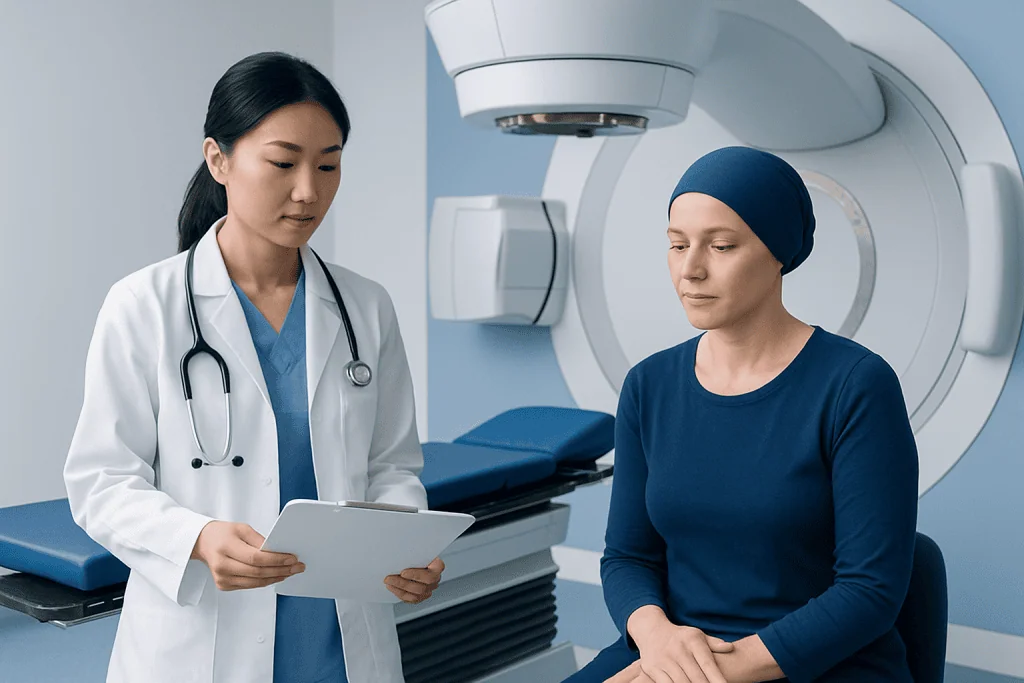
Practical preparation often starts with gathering documents. If possible, patients should bring copies of recent test results, pathology reports, biopsy results, imaging reports, and a summary from the referring doctor. If scans were done elsewhere, the oncology clinic may ask for the actual images on a disc or through a secure digital transfer, not just the written report.
It is also helpful to bring a complete list of medicines, including prescription drugs, over-the-counter products, vitamins, herbal supplements, and any allergies. Some supplements and medicines can affect treatment planning, blood clotting, or future procedures, so accuracy matters. A short medical history that includes major illnesses, surgeries, and family history of cancer can also be useful.
Patients may want to organize these items in a folder or on a phone note so they are easy to access. Common items to bring include:
- Identification and insurance documents, if applicable
- Referral papers and contact details for other doctors
- Pathology, biopsy, blood test, and imaging reports
- Scans or CDs if requested by the clinic
- A medication and supplement list
- A notebook, pen, or device for notes
- A list of questions and symptoms
If the appointment is in another city or country, it may help to confirm in advance whether translated records are needed. This can reduce delays and make the consultation smoother.
How to Prepare Questions and Personal Information
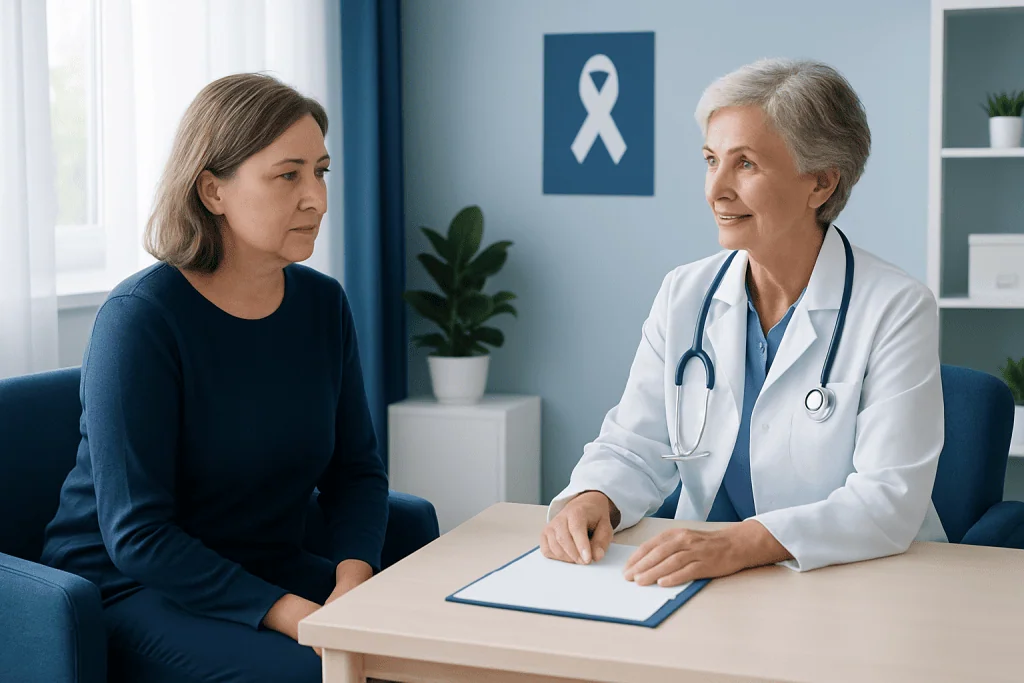
Before the visit, patients can spend a little time writing down the main symptoms, when they started, and whether they have changed. It may also help to note weight loss, appetite changes, pain, fatigue, bleeding, bowel or urinary changes, fevers, cough, or any other concerns. Even details that seem minor can be relevant in oncology.
Preparing questions ahead of time can make it easier to remember what matters most. Many people find it useful to list the top three concerns first, because appointments can feel fast when there is a lot to discuss. Questions may focus on the diagnosis, whether more tests are needed, what stage the cancer may be, what treatment options exist, and what the goals of treatment are.
Helpful questions may include:
- What type of cancer is suspected or confirmed?
- Has it been staged, or are more tests needed?
- What treatment options are available, and what are their goals?
- What are the likely benefits, side effects, and risks of each option?
- How quickly does a decision need to be made?
- Will treatment affect fertility, work, travel, or daily activities?
- Should genetic, molecular, or biomarker testing be considered?
It is also reasonable to ask for plain-language explanations. If something is unclear, patients should feel comfortable asking the doctor to repeat or rephrase information.
What Usually Happens During the First Oncology Visit
The first oncology appointment usually begins with a review of the patient’s history, symptoms, and prior test results. The doctor may perform a physical examination and ask detailed questions about when symptoms began, how they have changed, and whether there is a family history of cancer or related conditions. This information helps the team understand the likely diagnosis and whether the current information is complete.
In many cases, the oncologist will explain the difference between diagnosis, grade, and stage. Diagnosis identifies the type of cancer, grade describes how abnormal the cancer cells look, and stage refers to how far the cancer has spread. If any of this information is missing, the doctor may recommend further tests such as blood tests, additional imaging, or a review of biopsy samples.
The oncologist may also discuss broad treatment approaches. Depending on the cancer type, this could include surgery, chemotherapy, radiation therapy, targeted therapy, immunotherapy, hormone therapy, or careful monitoring. Some patients may be referred to other specialists for coordinated planning, such as radiation oncology or medical oncology services.
Not every question will be answered at one visit, especially if test results are still pending. Even so, the appointment often provides a clearer roadmap of the next steps and a better sense of the timeline ahead.
How to Manage Emotions and Bring Support
Feeling worried, numb, confused, or overwhelmed before an oncology appointment is very common. A possible cancer diagnosis can affect not only physical health but also sleep, concentration, appetite, work, and family life. Preparing emotionally does not mean feeling calm all the time; it means making the visit easier to navigate despite uncertainty.
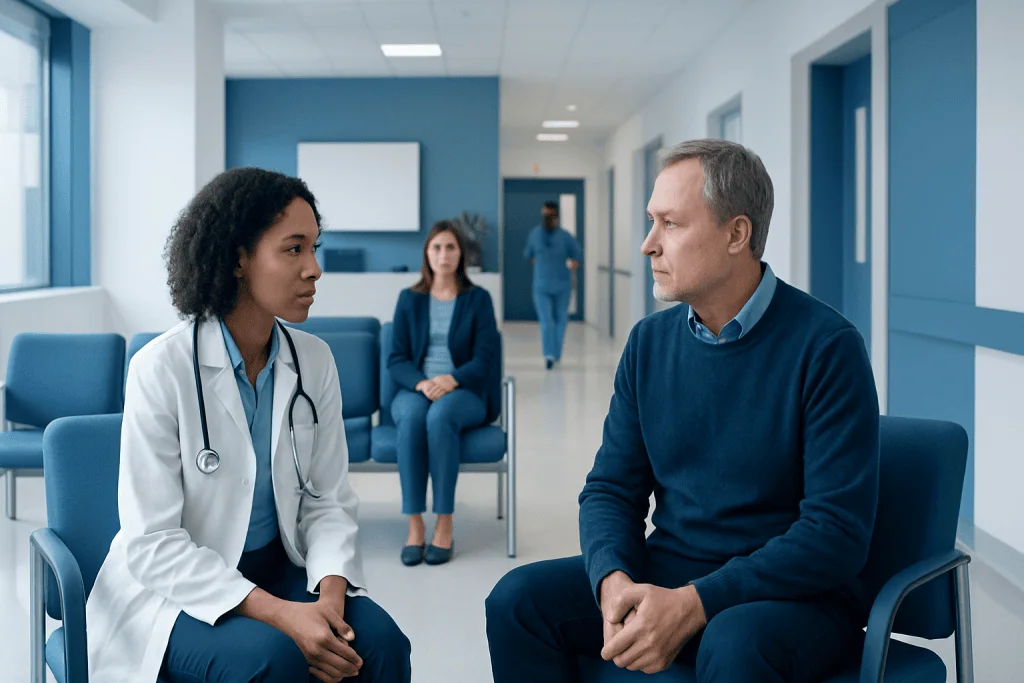
Many patients benefit from bringing a trusted family member or friend. This person can listen, take notes, remind the patient of important questions, and provide comfort during a stressful discussion. If an in-person companion is not possible, some clinics may allow a support person to join by phone or video.
Simple strategies can also help on the day of the visit. Patients may wish to arrive early, wear comfortable clothing, bring water, and allow extra time in case the consultation runs longer than expected. Taking notes or asking permission to record part of the discussion on a phone may also help, depending on local clinic policy.
If anxiety feels intense, it is appropriate to tell the care team. Oncology clinics are used to these concerns and may be able to suggest counseling, patient navigation, social work support, or educational resources.
Understanding Treatment Planning and Next Steps
After the initial review, the oncologist may outline a treatment plan or explain what must happen before a plan is finalized. Some cancers require surgery first, while others are treated initially with medicines or radiation. In certain situations, a multidisciplinary tumor board or specialist team meeting helps confirm the best approach based on pathology, imaging, and overall health.
Patients may hear terms such as curative treatment, adjuvant treatment, neoadjuvant treatment, palliative treatment, or supportive care. These terms describe the goal or timing of treatment rather than the patient’s worth or the seriousness of symptoms. Asking what the recommended approach is meant to achieve can help patients understand why a certain plan is being suggested.
It is often useful to ask about practical issues as well. For example, patients may want to know how often treatment is given, how long appointments take, what side effects are common, whether hospital admission is expected, and what symptoms should prompt an urgent call. If surgery is part of care, the oncologist may discuss referral for surgical oncology or related specialist evaluation.
At the end of the visit, patients should try to leave with a clear understanding of the next steps, such as more tests, another consultation, or a treatment start date. A written summary or follow-up plan can be very helpful if a great deal of information was discussed.
Practical Tips Before and After the Appointment
A few practical steps can make the experience smoother. Before the visit, patients should confirm the clinic location, arrival time, and whether fasting is needed for any same-day blood work or imaging. It is also worth checking whether someone will help coordinate records from other hospitals or whether the patient needs to bring them personally.
After the appointment, many people find it helpful to review their notes and write down any new questions. If something remains unclear, the clinic may be able to clarify it through a nurse line, patient portal, or follow-up visit. Keeping all reports, appointments, and medicine changes in one place can make ongoing care easier to manage.
Patients should also remember that seeking a second opinion can be appropriate, especially if the diagnosis is complex or treatment choices are difficult. A second opinion does not necessarily delay care, and it can sometimes provide reassurance that the proposed plan is suitable. For some patients, further evaluation in dedicated cancer treatment programs may help coordinate care across specialties.
Near the end of the process, some patients and families may explore treatment at experienced international centers. Acibadem International’s multidisciplinary specialists and JCI-accredited hospitals provide diagnosis and treatment planning for international patients with oncology needs.
When to Contact the Doctor Before the Visit
While waiting for an oncology appointment, patients should contact a doctor sooner if symptoms change significantly or become urgent. Examples include severe or worsening pain, heavy bleeding, trouble breathing, new confusion, dehydration, inability to eat or drink, or a rapid decline in general condition. These problems may need prompt medical attention rather than waiting for a scheduled consultation.
It is also important to ask for advice if there is a fever after a recent procedure, signs of infection, or any concerning symptom related to a known diagnosis. If the patient has already started treatment elsewhere, the oncology clinic should be informed about any serious side effects or emergency visits.
For non-urgent concerns, patients can contact the clinic ahead of time to ask whether specific records, slides, or scan images are needed. Clarifying this in advance may prevent delays and help the first appointment focus more on decision-making and support.
Frequently asked questions
How long does a first oncology appointment usually take?
The length can vary depending on the complexity of the case and how many records need to be reviewed. Many first visits are longer than routine appointments because the doctor may discuss diagnosis, possible staging, further tests, and treatment options. Patients should allow extra time in case the consultation runs longer than expected.
Should a patient bring someone to the first oncology appointment?
Many people find it very helpful to bring a trusted family member or friend. A support person can take notes, help remember questions, and provide emotional reassurance. If an in-person companion is not possible, some clinics may allow phone or video participation.
What if all test results are not ready before the appointment?
It is still often worthwhile to attend the visit, because the oncologist can review what is available and explain what information is still needed. The doctor may recommend more imaging, pathology review, or blood tests before a final treatment plan is made. This is common and does not necessarily mean something is wrong.
Is it okay to ask for a second opinion after the first visit?
Yes, asking for a second opinion is a normal part of cancer care, especially when treatment choices are complex. It can help confirm the diagnosis and support confidence in the plan. In many cases, it does not significantly delay treatment when arranged promptly.
What questions are most important to ask the oncologist?
Key questions usually include the exact diagnosis, whether the cancer has been staged, what treatment options are available, and what the goals of treatment are. Patients may also ask about side effects, timing, daily life impact, and whether more tests are needed. Writing questions down in advance can help ensure the most important topics are covered.
Will treatment start at the first oncology appointment?
Not always. Some patients need additional tests, pathology review, or consultations with other specialists before treatment begins. The first appointment is often focused on understanding the diagnosis and creating a safe, personalized treatment plan.
References
- National Cancer Institute
- American Society of Clinical Oncology
- National Comprehensive Cancer Network
- World Health Organization
This article is for general information only and is not a substitute for professional medical advice. Please consult a qualified doctor about your individual situation.
Oncology care in Turkey — second opinion and treatment plan
JCI-accredited · board-certified surgeons · reply within 24h
Add us as a Preferred Source to see more of our trusted health content across Google Search, AI Overviews and Discover.

Medical Oncology Department
Medical treatment of cancer with chemotherapy, immunotherapy and targeted therapies under a multidisciplinary tumor board.
60 specialists in this unit