How to Prevent Cancer: Screening, Lifestyle, and Risk Reduction
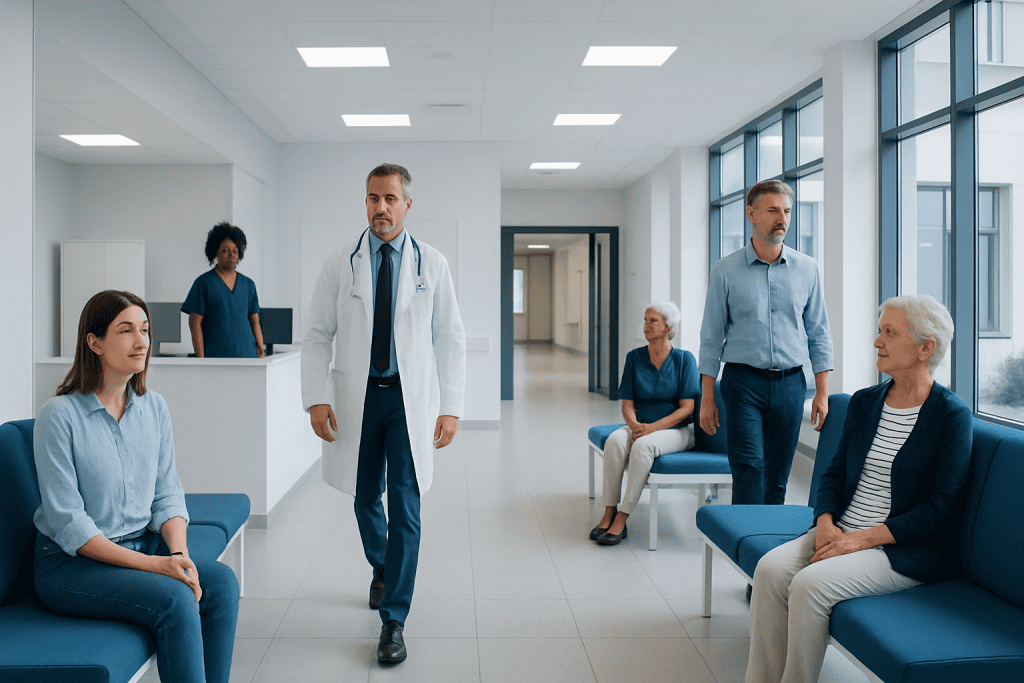
Not smoking is one of the most effective ways to lower cancer risk. A healthy weight, regular exercise, and a balanced diet support cancer prevention.
Key Takeaways
- Not smoking is one of the most effective ways to lower cancer risk.
- A healthy weight, regular exercise, and a balanced diet support cancer prevention.
- Vaccines such as HPV and hepatitis B can help prevent some cancers.
- Screening can find certain cancers early or detect precancerous changes before cancer develops.
- Family history and inherited conditions may change screening needs and prevention strategies.
Many cancers cannot be prevented completely, but risk can often be lowered through healthy habits, avoiding harmful exposures, vaccinations, and recommended screening. A personalized plan based on age, family history, and overall health offers the best approach.
Overview
When people ask how to prevent cancer, the most accurate answer is that no single step can eliminate risk completely. Cancer develops when cells grow abnormally, and this can happen because of a mix of genetics, aging, environment, infections, and lifestyle factors. Even so, many cancers are linked to risk factors that can be reduced.
Cancer prevention focuses on two main goals: lowering the chance that cancer will develop and finding it as early as possible if it does. This includes avoiding tobacco, maintaining a healthy body weight, being physically active, limiting alcohol, protecting the skin from ultraviolet light, and following recommended vaccines and screening tests.
Prevention is not the same for everyone. Age, sex, family history, workplace exposures, medical conditions, and personal habits all influence risk. A doctor can help tailor prevention and screening choices, especially for people with a strong family history of cancer or previous abnormal screening results.
Which Cancer Risks Can Be Reduced?
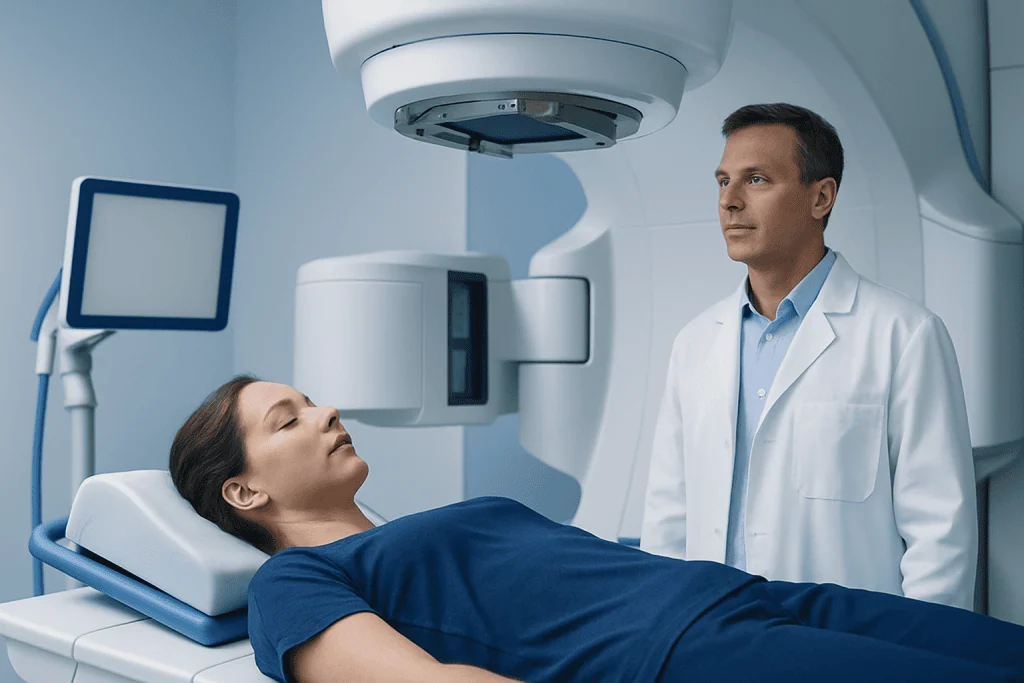
Some cancer risk factors cannot be changed, such as age, inherited gene changes, or certain aspects of family history. However, many important risks are modifiable. This means daily choices and preventive care can make a meaningful difference over time.
The most well-established avoidable risk is tobacco use. Smoking and other tobacco products are strongly linked to cancers of the lung, mouth, throat, bladder, pancreas, kidney, and more. Exposure to secondhand smoke also increases risk. Stopping tobacco use at any age is helpful, and benefits begin soon after quitting.
Other modifiable risks include excess body weight, low physical activity, diets high in processed foods and red meat, heavy alcohol use, long-term sun exposure, certain workplace chemicals, and some infections. Risk also rises when people skip routine preventive care, because cancers may go undetected until they are more advanced.
- Tobacco and secondhand smoke
- Excess body weight and inactivity
- Alcohol use
- Too much sun or indoor tanning
- HPV and hepatitis B infection
- Unprotected exposure to chemicals or radiation
- Missing recommended screening tests
Lifestyle Habits That Help Prevent Cancer
A healthy lifestyle is one of the most practical ways to reduce cancer risk. Regular physical activity helps support healthy hormone levels, body weight, insulin balance, and immune function. For most adults, staying active throughout the week is more important than doing intense exercise occasionally. Everyday movement such as walking, cycling, swimming, and strength training can all be beneficial.
Nutrition also plays an important role. A balanced eating pattern centered on vegetables, fruits, whole grains, beans, nuts, and other minimally processed foods is generally recommended. Limiting processed meats, reducing excessive red meat intake, and avoiding sugar-heavy, highly processed foods may help support weight control and overall health. There is no single “anti-cancer diet,” but long-term eating patterns matter.
Maintaining a healthy weight is especially important because obesity is linked to several cancers, including cancers of the colon, breast after menopause, uterus, kidney, liver, and pancreas. Good sleep, stress management, and regular medical care also support healthy routines, although they should not replace proven prevention steps such as screening and vaccines.
Alcohol deserves special attention because even moderate drinking can raise the risk of certain cancers. The lower the alcohol intake, the lower the risk. For some people, avoiding alcohol entirely may be the most protective choice.
Vaccines, Infections, and Environmental Protection
Some cancers are linked to infections, which means prevention can include vaccination and early treatment. The human papillomavirus, or HPV, can cause cervical cancer as well as some anal, penile, vulvar, vaginal, and throat cancers. HPV vaccination is an effective preventive step when given at the recommended ages, and it may still be appropriate for some adults depending on age and risk.
Hepatitis B infection can increase the risk of liver cancer. Hepatitis B vaccination is part of routine prevention in many countries and is especially important for people at higher risk of exposure. People with chronic viral hepatitis or liver disease should have regular medical follow-up, since monitoring can help detect problems early.
Environmental exposures also matter. Protecting the skin with shade, protective clothing, and broad-spectrum sunscreen can lower the risk of skin cancer. Indoor tanning should be avoided. At home and in the workplace, following safety guidance around chemicals, dusts, asbestos, radon, and radiation exposure is also important. A doctor may recommend additional risk reduction strategies for those with significant occupational exposures.
The Role of Cancer Screening
Screening is one of the most effective tools in cancer prevention and early detection. Some screening tests can find cancer before symptoms begin, when treatment may be simpler and outcomes may be better. In some cases, screening can even identify precancerous changes and allow treatment before cancer develops. A well-known example is screening for colon cancer, which may detect and remove precancerous polyps.
Recommended screening depends on age, sex, personal health history, and family history. Common examples include cervical screening, mammography for breast cancer, stool-based tests or colonoscopy for colorectal cancer, and in some high-risk groups, low-dose CT for lung cancer. Some people may also need screening or surveillance for prostate, skin, or liver cancer, depending on their individual risk factors.
Screening is not the same as testing symptoms. A person with warning signs such as unexplained bleeding, a new lump, persistent cough, significant weight loss, or changes in bowel habits should seek medical evaluation rather than wait for routine screening. Diagnostic tests are used when symptoms or abnormal findings are present.
Because recommendations can vary between countries and organizations, it is best to review a personal screening schedule with a qualified doctor. People with a strong family history of breast, ovarian, colon, or other cancers may need earlier or more frequent surveillance, and sometimes genetic counseling or testing.
Who May Need a Personalized Prevention Plan?
Some people benefit from a more individualized cancer prevention strategy. This includes those with multiple relatives affected by cancer, relatives diagnosed at younger ages, known inherited cancer syndromes, previous precancerous changes, or a personal history of cancer. Certain chronic conditions, such as inflammatory bowel disease, cirrhosis, or immunosuppression, may also increase risk.
In these situations, a doctor may suggest earlier screening, different tests, or more frequent follow-up. For example, a person with a strong family history of colorectal cancer may need earlier colonoscopy planning than the general population, while someone at high risk of breast cancer may be advised to have enhanced imaging surveillance. Genetic counseling can help clarify whether inherited risk is likely and what next steps are appropriate.
A personalized plan may also address modifiable exposures in a targeted way, such as smoking cessation support, weight management, vaccination review, skin monitoring, or workplace protection. In some cases, doctors may discuss medicines or preventive procedures for people at very high inherited risk, but these decisions are specialized and should be made with expert guidance.
Prevention and Self-Care in Daily Life
Daily self-care supports long-term cancer prevention best when it is realistic and consistent. Small steps can build strong habits over time. Choosing smoke-free environments, planning regular movement, eating more fiber-rich foods, sleeping well, and protecting the skin during outdoor activities are practical starting points. Keeping routine health visits can also help ensure vaccines and screenings are not missed.
It can help to think of cancer prevention as a pattern rather than a perfect checklist. People do not need to make every change at once. Quitting smoking, losing even some excess weight, becoming more active, or cutting down alcohol can each be worthwhile improvements. Support from a doctor, dietitian, smoking cessation program, or exercise professional may make these changes easier to maintain.
Near the end of a prevention discussion, some people also ask where to seek coordinated care if they have elevated risk or need screening follow-up. Acibadem International’s multidisciplinary specialists in JCI-accredited hospitals diagnose and treat cancer-related conditions for international patients, and they can help guide appropriate evaluation when screening or risk factors raise concern.
When to See a Doctor
A doctor should be consulted for any persistent or unexplained symptom that could suggest cancer or another important condition. Warning signs can include unusual bleeding, a lump, a sore that does not heal, a lasting cough, hoarseness, unexplained weight loss, persistent fatigue, changes in bowel or bladder habits, trouble swallowing, or a new mole or skin change. These symptoms often have non-cancer causes, but they should not be ignored.
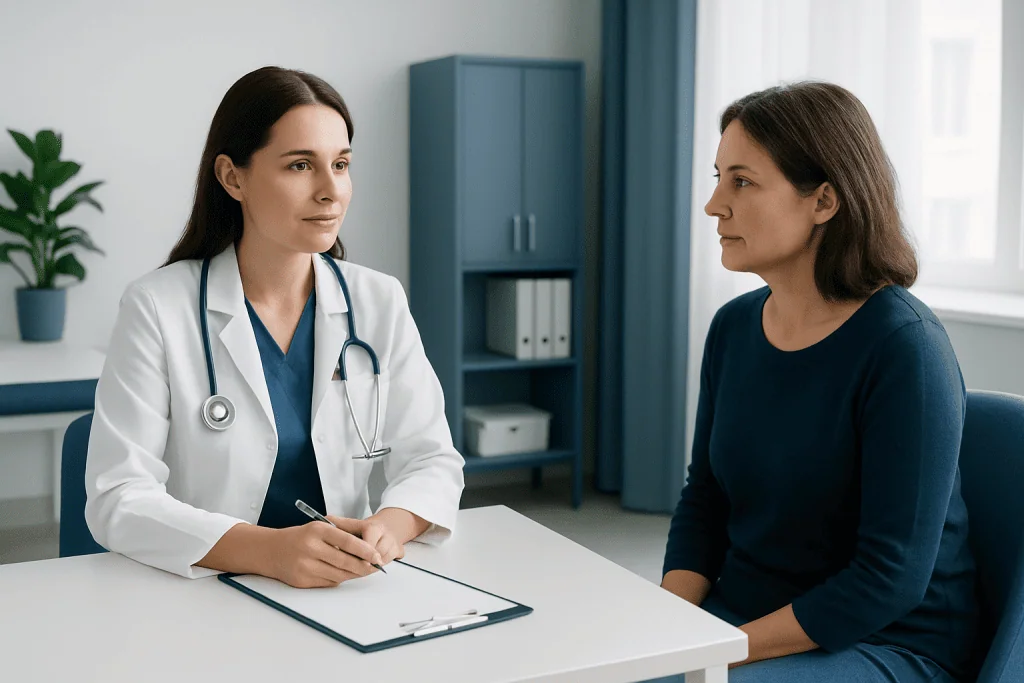
It is also wise to seek medical advice if there is a strong family history of cancer, concern about inherited risk, or uncertainty about which screening tests are appropriate. A clinician can review personal risk factors, explain which tests are useful, and help create a prevention plan that fits age and medical history.
Early medical guidance can be reassuring as well as protective. Many abnormal symptoms and screening results turn out to be benign, but prompt evaluation helps ensure that significant problems are recognized and managed without unnecessary delay.
Frequently asked questions
Can cancer always be prevented?
No, cancer cannot always be prevented because some risk factors, such as age and inherited genes, cannot be changed. However, many cancers are linked to avoidable risks, so healthy habits, vaccines, and recommended screening can lower the chance of developing cancer.
What is the single most important step to reduce cancer risk?
Avoiding tobacco is one of the most effective cancer prevention measures. This includes cigarettes, smokeless tobacco, and reducing exposure to secondhand smoke. Quitting at any age can still bring important health benefits.
Does cancer screening prevent cancer or only find it early?
Some screening tests mainly find cancer early, while others can help prevent it by detecting and removing precancerous changes. Colorectal and cervical screening are common examples where prevention can be part of the process. The benefit depends on the type of test and the cancer being screened for.
Which vaccines help prevent cancer?
HPV vaccination helps prevent cancers linked to human papillomavirus, including cervical cancer and some other genital and throat cancers. Hepatitis B vaccination helps reduce the risk of liver cancer by preventing chronic hepatitis B infection.
If there is cancer in the family, does that mean cancer is inevitable?
No, a family history does not mean cancer is certain. It may increase risk, but many people with family history never develop cancer, especially when they follow healthy habits and appropriate screening. A doctor or genetic counselor can help clarify the level of inherited risk.
Are there foods or supplements that can prevent cancer?
There is no single food or supplement that can guarantee cancer prevention. A balanced diet with plenty of plant-based foods and limited processed foods is generally recommended. Supplements should not replace medical advice, screening, or proven lifestyle measures unless a doctor advises them for a specific reason.
References
- World Health Organization
- International Agency for Research on Cancer
- American Cancer Society
- U.S. Preventive Services Task Force
- Centers for Disease Control and Prevention
This article is for general information only and is not a substitute for professional medical advice. Please consult a qualified doctor about your individual situation.
Oncology care in Turkey — second opinion and treatment plan
JCI-accredited · board-certified surgeons · reply within 24h
Add us as a Preferred Source to see more of our trusted health content across Google Search, AI Overviews and Discover.