How to Prevent Drooling When Sleeping? Causes, Explanations, and Next Steps

Occasional drooling during sleep is usually not a sign of serious illness. Side sleeping, nasal congestion, mouth breathing, and certain medications commonly contribute to sleep drooling.
Key Takeaways
- Occasional drooling during sleep is usually not a sign of serious illness.
- Side sleeping, nasal congestion, mouth breathing, and certain medications commonly contribute to sleep drooling.
- Persistent, worsening, or new drooling should be assessed if it comes with choking, snoring, daytime sleepiness, weakness, or swallowing trouble.
- Doctors look at nasal, dental, sleep, digestive, and neurological causes when evaluating nighttime drooling.
- Treatment depends on the cause and may include home measures, medication review, reflux care, or assessment for sleep apnea.
Drooling during sleep is common and often harmless, especially when it happens occasionally or during deep sleep. Preventing it usually involves improving sleep position, keeping the nose clear, and addressing factors such as congestion, reflux, mouth breathing, or sleep apnea.
Overview: Why drooling during sleep happens
For many people, drooling during sleep is more of a nuisance than a health problem. Saliva production is normal, and small amounts can escape the mouth during sleep when the lips part, the head turns to one side, or swallowing becomes less frequent in deeper stages of sleep. In that sense, the answer to how to prevent drooling when sleeping is often simple: improve sleep position, breathe more easily through the nose, and address any condition that keeps the mouth open at night.
Most occasional drooling is harmless. It becomes more important to look further when drooling is persistent, starts suddenly, is heavy enough to disturb sleep, or happens along with loud snoring, choking episodes, swallowing difficulty, reflux symptoms, facial weakness, or daytime sleepiness. Those features may point to an underlying issue rather than a simple sleep habit.
Nighttime drooling can be influenced by several body systems at once. The nose and sinuses affect whether a person can keep the mouth closed, the digestive system may contribute through acid reflux, the mouth and jaw influence lip seal and saliva control, and sleep disorders can change breathing patterns. Because of this, prevention works best when it focuses on the likely cause rather than using a one-size-fits-all remedy.
Common causes of drooling in sleep
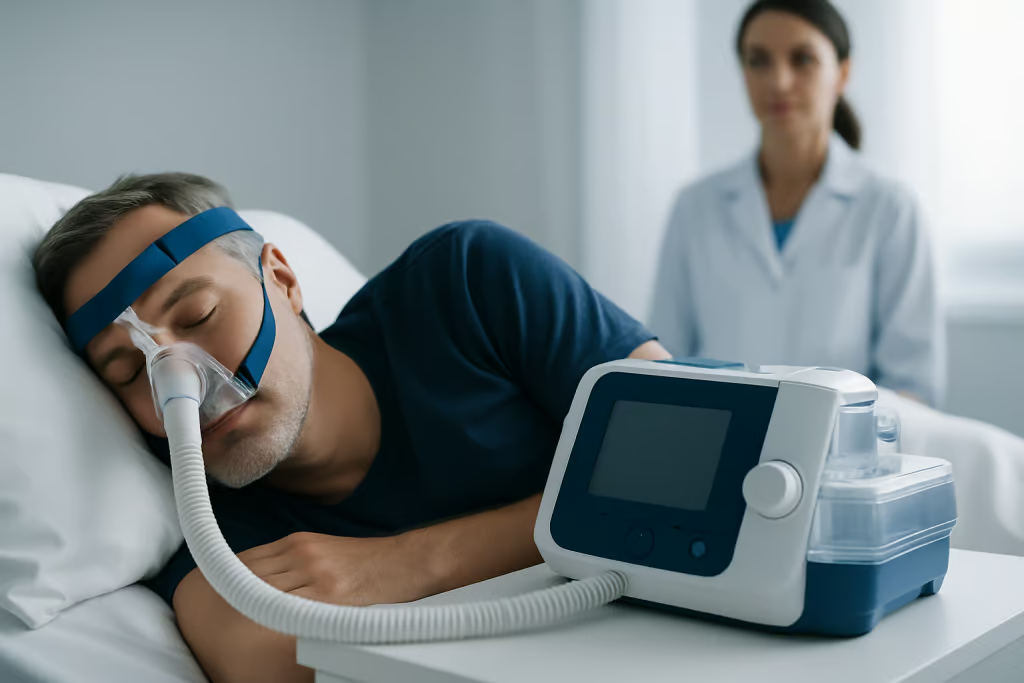
The most common reason for drooling at night is sleeping with the mouth open. This often happens in people who sleep on their side or stomach, have nasal congestion from allergies or a cold, or naturally relax their jaw during sleep. Saliva then pools and escapes because it is not swallowed as often as during the day.
Mouth breathing is another frequent contributor. When the nose is blocked, the body shifts to breathing through the mouth, which makes lip closure harder to maintain. Conditions such as a deviated septum, enlarged tonsils, sinus inflammation, or chronic allergies can all increase the chance of nighttime drooling.
Sleep-related conditions may also play a role. People with sleep apnea may breathe irregularly, snore, and repeatedly open the mouth during sleep, all of which can make drooling more likely. Gastroesophageal reflux can irritate the throat and increase saliva production in some people, while certain medicines, especially those that cause sedation or affect saliva control, may contribute as well.
Less commonly, drooling is related to problems with swallowing, muscle control, or nerve function. This is more likely when drooling also occurs while awake, when speech seems different, or when there is facial drooping, weakness, tremor, or difficulty managing food and liquids.
How to prevent drooling when sleeping at home

The most practical first step is changing sleep position. Sleeping on the back can help some people keep saliva from draining out of the mouth, although it is not ideal for everyone, especially if snoring or sleep apnea is present. A supportive pillow that keeps the head and neck aligned may reduce mouth opening and improve comfort.
Keeping the nose clear is often just as important. A gentle saline rinse or spray before bed, reducing exposure to bedroom allergens, and managing seasonal allergies can make nasal breathing easier. If congestion is frequent, an ear, nose, and throat specialist may help look for structural causes such as chronic sinus problems or enlarged tissues.
Good oral and sleep habits can also help. These include staying well hydrated, avoiding heavy alcohol intake before bed, and maintaining regular sleep hours. Dental alignment, mouthguard use, or jaw position may matter in some cases, so a dental evaluation can be useful if the mouth tends to fall open or if there is teeth grinding.
Some people benefit from addressing related conditions directly. For example, managing acid reflux through lifestyle changes and medical advice may reduce nighttime irritation and excess saliva. If snoring, mouth breathing, or repeated awakenings are present, assessment for a sleep disorder is worthwhile rather than focusing only on the drooling itself.
Signs that suggest a more specific underlying problem
Drooling is more likely to need medical review when it does not fit the usual pattern of occasional sleep-related leakage. Red flags include new or sudden onset, drooling that also happens during the day, trouble swallowing, coughing or choking during meals, unexplained weight loss, persistent hoarseness, repeated pneumonia, or significant daytime fatigue.
Snoring deserves special attention when it is loud, frequent, or paired with pauses in breathing, gasping, morning headaches, or unrefreshing sleep. In that situation, drooling may be a clue that the person is sleeping with the mouth open because airflow through the nose or throat is not normal. Evaluation for sleep apnea treatment may be appropriate if these symptoms are present.
Neurological symptoms should not be ignored. Facial weakness, slurred speech, poor coordination, a tremor, or trouble controlling saliva while awake can suggest a problem affecting muscles or nerves rather than sleep position alone. These symptoms should be assessed promptly, especially if they appear suddenly.
- Occasional drooling without other symptoms is usually benign.
- Drooling with nasal blockage often points to mouth breathing.
- Drooling with snoring or choking may suggest a sleep-related breathing disorder.
- Drooling with swallowing or neurological symptoms needs medical assessment.
How doctors diagnose the cause
When a person seeks help for sleep drooling, the evaluation usually starts with a careful history. A doctor may ask when the drooling began, whether it happens every night, what sleep position is typical, whether there is nasal blockage, heartburn, snoring, witnessed pauses in breathing, medication use, and whether saliva control is also difficult during the day.
The physical examination often includes the nose, throat, mouth, teeth, tongue, jaw, and neck. The doctor may look for signs of nasal obstruction, enlarged tonsils, irritation from reflux, dental problems, or changes in muscle strength and coordination. If the history suggests a specific cause, targeted testing may follow.
Depending on symptoms, diagnostic steps can include a sleep assessment, a swallowing evaluation, or review by an ENT, dental, digestive, or neurological specialist. If reflux seems important, evaluation related to reflux may be helpful. If jaw or oral structure contributes, treatment planning can sometimes involve oral and dental health support.
This stepwise approach matters because there is no single test for nighttime drooling itself. The goal is to identify whether the issue comes mainly from sleep habits, nasal blockage, digestive irritation, dental or jaw factors, or a less common neurological or swallowing problem.
Treatment options based on the cause
Treatment is guided by what is driving the drooling. If sleep position and mouth opening are the main issues, simple measures such as posture changes, pillow adjustment, and nasal care may be enough. For allergy-related congestion, treating the allergy and improving bedroom air quality can make a noticeable difference.
If the nose or throat is structurally blocked, specialist care may be useful. Managing chronic sinus symptoms, enlarged tonsils, or other airway issues can improve nasal breathing and reduce the tendency to sleep with the mouth open. In selected patients, ENT-based evaluation and sinusitis treatment may be part of the plan when chronic inflammation or obstruction is contributing.
When reflux is part of the picture, treatment usually focuses on reducing irritation and nighttime regurgitation through diet timing, head-of-bed elevation, weight management where appropriate, and medicines recommended by a doctor. If a sleep disorder is found, treatment aims at restoring normal breathing during sleep, which often helps drooling as well as snoring and daytime fatigue.
Drooling caused by swallowing or neurological disorders needs a more individualized plan. That may include therapy to improve swallowing safety, medication review, and specialist follow-up. The purpose is not only comfort but also reducing the risk of aspiration, dehydration, and sleep disruption.
Prevention and self-care habits that may help long term
Long-term prevention is usually about supporting normal nose breathing and good sleep quality. Regularly washing bedding, reducing dust exposure, keeping pets out of the bedroom if allergies are a trigger, and using a bedroom environment that does not dry or irritate the airway can all help some people. Good hydration also supports normal saliva consistency.
Evening habits matter. Alcohol can relax the jaw and throat, making mouth opening and snoring more likely, so limiting alcohol close to bedtime may reduce drooling. Large late meals may worsen reflux in susceptible people, which can indirectly increase saliva and throat irritation overnight.
If a person has ongoing snoring, chronic congestion, or suspected reflux, treating those issues is usually more effective than trying to stop drooling alone. A symptom diary can be useful, noting sleep position, congestion, alcohol intake, reflux symptoms, and how often drooling occurs. Patterns often become clearer over a few weeks.
Near the end of a diagnostic journey, some patients benefit from coordinated care across sleep medicine, ENT, gastroenterology, dentistry, and neurology. Acibadem International’s multidisciplinary specialists and JCI-accredited hospitals diagnose and treat conditions related to nighttime drooling for international patients when further evaluation is needed.
When to seek medical care
Medical care is appropriate if drooling is persistent, worsening, or affecting sleep quality and daily life. It is also sensible to seek review if home measures do not help after a reasonable trial, especially when nasal blockage, reflux, or snoring are clearly present.
Prompt medical attention is important if drooling starts suddenly or comes with facial drooping, weakness, slurred speech, severe swallowing trouble, chest infection symptoms, or repeated choking. These are not typical features of simple sleep drooling and need timely assessment.
For children, occasional drooling can be part of development, but persistent drooling outside the usual age range, loud snoring, mouth breathing, or swallowing concerns should be discussed with a pediatrician. For adults, the key question is whether drooling is an isolated nuisance or part of a broader pattern that points to an underlying condition.
Frequently asked questions
Is drooling in sleep normal?
Yes, occasional drooling during sleep is common and usually harmless. It often happens when the mouth opens during deep sleep or when a person sleeps in a position that lets saliva escape.
How to prevent drooling when sleeping most effectively?
The most effective steps are often improving sleep position, keeping the nose clear, and reducing mouth breathing. If drooling is frequent, it also helps to check for contributing problems such as allergies, reflux, snoring, or sleep apnea.
Can sleeping position affect drooling?
Yes. Side and stomach sleeping can make saliva pool and leak more easily, especially if the mouth falls open. For some people, sleeping on the back with good head and neck support reduces drooling, although this is not ideal if it worsens snoring.
Does snoring or sleep apnea cause drooling?
They can contribute. Snoring and sleep apnea often involve mouth breathing, airway narrowing, and repeated mouth opening during sleep, all of which can make drooling more likely.
Can acid reflux cause drooling at night?
Yes, in some people reflux can irritate the throat and trigger extra saliva production. If drooling happens with heartburn, sour taste, chronic throat clearing, or nighttime cough, reflux may be part of the cause.
When is nighttime drooling a sign of something serious?
It deserves medical attention if it is new, severe, persistent, or linked with swallowing difficulty, choking, daytime drooling, loud snoring, facial weakness, or speech changes. These features may suggest a sleep disorder, swallowing problem, or neurological condition.
References
- American Academy of Sleep Medicine
- National Institute of Neurological Disorders and Stroke
- National Institute of Dental and Craniofacial Research
- American Academy of Otolaryngology–Head and Neck Surgery
- National Institute of Diabetes and Digestive and Kidney Diseases
This article is for general information only and is not a substitute for professional medical advice. Please consult a qualified doctor about your individual situation.
Persistent digestive symptoms? Get evaluated in Turkey
JCI-accredited · board-certified surgeons · reply within 24h
Add us as a Preferred Source to see more of our trusted health content across Google Search, AI Overviews and Discover.