How to Relieve Diverticulitis Pain Fast? Causes, Explanations, and Next Steps

Fast relief often begins with bowel rest, hydration, and medical guidance rather than home remedies alone. Mild diverticulitis can improve with conservative care, but severe pain or fever needs prompt evaluation.
Key Takeaways
- Fast relief often begins with bowel rest, hydration, and medical guidance rather than home remedies alone.
- Mild diverticulitis can improve with conservative care, but severe pain or fever needs prompt evaluation.
- Doctors confirm the cause with an exam, blood tests, and sometimes a CT scan.
- Treatment depends on severity and may include fluids, pain control, antibiotics, or hospital care.
- Preventing future flares usually focuses on long-term diet, hydration, physical activity, and follow-up care.
How to relieve diverticulitis pain fast usually starts with resting the bowel, drinking clear fluids if tolerated, and arranging medical advice, because many mild cases settle but some need antibiotics or urgent care. Most abdominal pain is not dangerous, yet new or worsening left lower abdominal pain with fever, vomiting, or trouble passing stool should be assessed promptly.
Overview: what helps diverticulitis pain quickly
For people searching how to relieve diverticulitis pain fast, the safest short answer is to rest the digestive tract, sip clear fluids if they can be kept down, avoid heavy meals, and seek medical advice early. Many episodes turn out to be mild and improve with conservative treatment, but abdominal pain can have several causes, so it is important not to assume it is harmless without an appropriate assessment.
Diverticulitis happens when small pouches in the wall of the colon, called diverticula, become inflamed or infected. The pain is often felt in the lower left side of the abdomen, although the exact location can vary. The discomfort may build gradually or come on more suddenly, and it can range from a dull ache to more intense cramping or tenderness.
Quick pain relief matters, but so does using the right approach. Self-care may help while waiting for guidance, yet strong pain, fever, vomiting, or bloating can point to a more significant flare or another urgent abdominal problem. A doctor can help confirm whether symptoms fit diverticulitis or another digestive condition.
What diverticulitis pain feels like
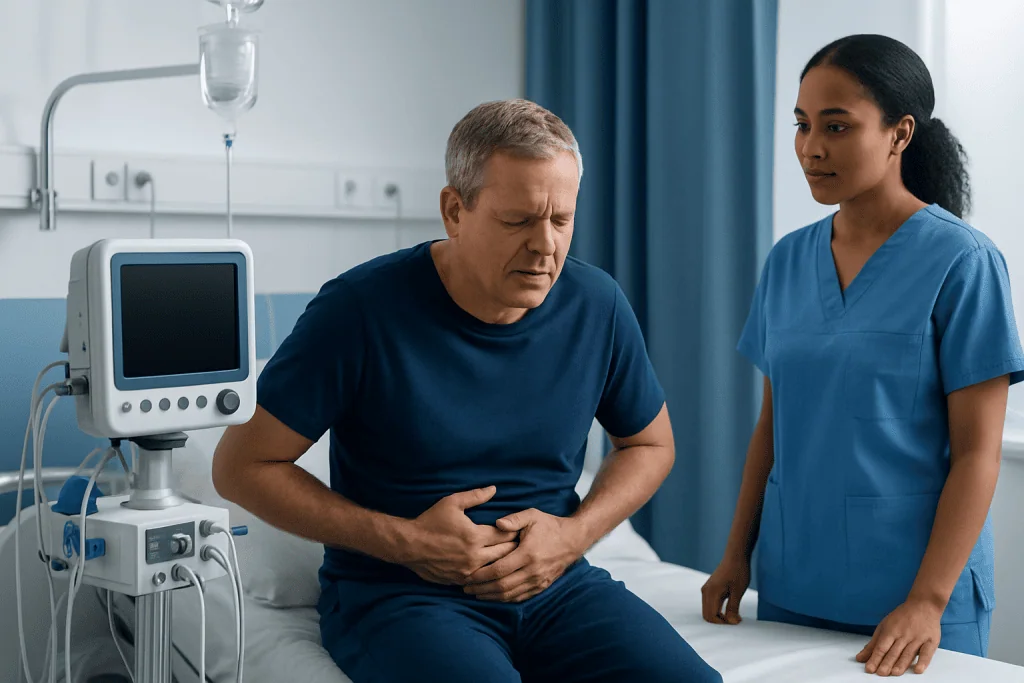
Diverticulitis pain is commonly described as steady, localized abdominal pain rather than brief, shifting cramps. It often affects the lower left abdomen and can become worse with movement, coughing, or pressing on the area. Some people also notice tenderness, a sense of fullness, or pain that develops alongside bloating.
Other symptoms can appear at the same time. These may include fever, chills, nausea, vomiting, constipation, diarrhea, reduced appetite, or difficulty passing gas. Not every person has the same pattern, and milder cases may mainly cause abdominal discomfort and bowel habit changes.
Because many digestive and urinary conditions can cause similar pain, symptoms alone do not always give a clear diagnosis. Kidney stones, appendicitis, irritable bowel syndrome, urinary infections, and gynecologic conditions can overlap. That is why persistent or first-time severe abdominal pain should be discussed with a clinician rather than treated as routine indigestion.
Immediate self-care steps that may ease pain
If a doctor has previously advised home care for a mild flare, a short period of digestive rest may help. This often means choosing clear liquids for a limited time, such as water, broth, or other easy-to-tolerate fluids, then gradually returning to foods as symptoms improve. Drinking enough fluid is important, especially if appetite is low or there has been vomiting or diarrhea.
Rest can also reduce discomfort. Gentle activity around the home is usually fine if it feels comfortable, but strenuous exercise and heavy lifting are best avoided until symptoms settle. Some people find that a warm compress placed on the abdomen brings temporary comfort, although it should not be hot enough to burn the skin.
Over-the-counter pain relief should be approached carefully. It is safest to ask a doctor or pharmacist which options are appropriate, because some medicines can irritate the digestive tract or mask worsening symptoms. Laxatives should not be started without medical advice when significant abdominal pain is present.
These measures may help symptoms feel more manageable, but they do not replace assessment when warning signs are present. If pain is intense, keeps worsening, or is paired with fever, vomiting, faintness, or a swollen abdomen, medical review should not be delayed.
Why diverticulitis happens and who is more likely to get it
Diverticulitis develops from diverticulosis, a common condition in which small pouches form in the colon wall. Many people with diverticulosis never have symptoms. Problems begin when one or more pouches become inflamed, irritated, or infected, which can trigger pain and digestive upset.
The exact cause of a flare is not always clear. Factors thought to contribute include changes in pressure inside the colon, alterations in the gut microbiome, and local inflammation. A previous history of diverticulitis can also increase the chance of another episode.
Risk tends to rise with age, although younger adults can also be affected. Other factors linked with diverticulitis include obesity, smoking, low physical activity, and some dietary patterns that are low in fiber over the long term. Certain medications may also play a role in some individuals, which is why a full medication review can be useful during a medical visit.
How doctors diagnose the cause of the pain
When someone presents with possible diverticulitis, a doctor usually starts with a careful history and physical examination. They ask where the pain is located, when it began, whether there is fever or vomiting, and whether there have been previous attacks. They may also ask about bowel habits, urinary symptoms, medications, and other medical conditions.
Blood tests are commonly used to look for signs of inflammation or infection and to check general health status. A urine test may help exclude urinary causes of pain. In many cases, imaging is important because it can show how severe the inflammation is and whether complications such as an abscess are present.
A CT scan of the abdomen and pelvis is often the most useful test when the diagnosis is uncertain or symptoms are more significant. In some situations, the doctor may also arrange follow-up evaluation of the colon after recovery, such as a colonoscopy, to assess bowel health and rule out other causes of symptoms. If imaging is needed, CT scanning can help guide the next steps in treatment.
Treatment options: from home care to hospital treatment
Treatment depends on how mild or severe the episode is. Uncomplicated diverticulitis may be managed at home with close medical follow-up, temporary diet modification, fluids, and pain relief advice. In selected cases, a doctor may prescribe antibiotics, although not every mild episode requires them.
When symptoms are more severe, oral intake is poor, or there are signs of complications, treatment may need to be provided in hospital. This can include intravenous fluids, stronger pain management, bowel rest, and antibiotics if infection is suspected or confirmed. If an abscess or blockage develops, additional procedures may sometimes be needed.
A small number of people experience recurrent attacks or complicated disease that may require surgical input. In that setting, doctors may discuss colon surgery or related procedures, depending on the location and severity of disease. The goal is to control the current episode safely and reduce the impact of future problems.
For international patients who need evaluation, Acibadem International’s multidisciplinary specialists and JCI-accredited hospitals diagnose and treat digestive conditions using coordinated imaging, gastroenterology, and surgical care when appropriate.
Prevention and longer-term self-care after recovery
Once the acute pain has settled and a doctor confirms it is safe to do so, long-term prevention usually focuses on overall bowel health rather than very restrictive eating. Many people are advised to work toward a balanced, fiber-rich eating pattern over time, along with good hydration. Any dietary changes should be introduced gradually and tailored to individual tolerance.
Regular physical activity may support healthier bowel function and general digestive wellness. Avoiding smoking and maintaining a healthy weight can also lower the risk of future flares. People who have repeated symptoms should keep follow-up appointments so their care plan can be adjusted.
It can also help to notice personal patterns. Some people benefit from keeping a simple record of symptoms, bowel habits, and foods eaten during recovery, not to identify a single cause but to support discussions with their clinician. If pain recurs frequently, further evaluation by a gastroenterology specialist may be recommended.
When to seek medical care
Prompt medical care is important if abdominal pain is severe, comes on suddenly, or continues to worsen over hours. The same is true if pain is accompanied by fever, repeated vomiting, faintness, a hard or swollen abdomen, rectal bleeding, or inability to pass stool or gas. These features can suggest a more serious flare or another condition that needs urgent attention.
Even milder symptoms deserve review if they are new, if there is a first episode of suspected diverticulitis, or if home measures are not helping within a short time. Recurrent attacks should also be discussed, because follow-up may be needed to confirm the diagnosis and plan prevention.
Seeking care early is usually the quickest route to proper pain relief. Once the cause of the pain is clear, treatment can be targeted more safely and effectively, reducing the chance of complications and supporting a smoother recovery.
Frequently asked questions
How can someone relieve diverticulitis pain fast at home?
The safest first steps are usually resting the bowel, drinking clear fluids if tolerated, and contacting a doctor for guidance. Home care may help mild symptoms, but severe pain, fever, or vomiting needs prompt medical assessment because stronger treatment may be necessary.
Is it safe to use a heating pad for diverticulitis pain?
A warm compress or heating pad on a low setting may provide temporary comfort for some people. It should not be used as a substitute for medical evaluation if symptoms are severe, and it should never be hot enough to cause skin injury.
Does diverticulitis always need antibiotics?
No. Some uncomplicated, mild cases may improve without antibiotics under a doctor’s supervision. The decision depends on symptom severity, overall health, and whether there are signs of infection or complications.
What foods should be avoided during a flare?
During an acute flare, doctors often recommend a short period of clear liquids or very gentle foods, depending on symptom severity. Once symptoms improve, a person is usually guided back toward a normal balanced diet rather than staying on long-term restrictions.
When should someone go to the emergency room for possible diverticulitis?
Emergency care is appropriate for severe or worsening abdominal pain, high fever, repeated vomiting, marked bloating, fainting, rectal bleeding, or inability to pass stool or gas. These symptoms can signal complications or another urgent abdominal condition.
Can diverticulitis pain go away on its own?
Mild episodes can improve with conservative care and medical follow-up. However, because abdominal pain has many possible causes and diverticulitis can sometimes worsen, it is important to get professional advice rather than wait too long.
This article is for general information only and is not a substitute for professional medical advice. Please consult a qualified doctor about your individual situation.
Diverticulitis in Turkey — costs, top hospitals & a free quote
JCI-accredited · board-certified surgeons · reply within 24h
Add us as a Preferred Source to see more of our trusted health content across Google Search, AI Overviews and Discover.

General Surgery
Open, laparoscopic and robotic surgery for a broad range of abdominal and soft-tissue conditions.
119 specialists in this unitGeneral Surgery Specialists at Acibadem





More from the Health Library

What Is Sassafras? A Doctor-Reviewed Answer

Can Low Blood Pressure Cause Headaches? Here Is What the Evidence Says

Botox vs Fillers: Key Differences and How Doctors Tell Them Apart

Why Am I Dry Down There All of a Sudden? A Doctor-Reviewed Answer

Does Garlic Make You Gassy? Causes, Explanations, and Next Steps