How to remove pimples naturally and permanently: What Works at Home, What Doesn’t, and When to See a Doctor

There is no instant permanent cure for pimples, but many people can control breakouts long term. Gentle cleansing, non-comedogenic products, and proven over-the-counter acne ingredients are more reliable than harsh home remedies.
Key Takeaways
- There is no instant permanent cure for pimples, but many people can control breakouts long term.
- Gentle cleansing, non-comedogenic products, and proven over-the-counter acne ingredients are more reliable than harsh home remedies.
- Natural options such as tea tree oil may help some mild acne, but they should be used cautiously and are not risk-free.
- Picking, scrubbing, toothpaste, lemon juice, and undiluted oils often worsen inflammation and can cause marks.
- Painful, deep, widespread, or scarring acne should be assessed by a doctor.
How to remove pimples naturally and permanently usually means reducing new breakouts with consistent skin care, not making acne disappear forever overnight. Some at-home steps are evidence-based and helpful, while many popular remedies are unproven or can irritate the skin and make pimples last longer.
Overview: what really works for pimples at home
For people searching how to remove pimples naturally and permanently, the most accurate answer is that home care can help calm mild breakouts and prevent new ones, but there is rarely a permanent overnight fix. Pimples form when pores become clogged with oil, dead skin cells, and inflammation, sometimes with an overgrowth of acne-related bacteria. The goal of treatment is to reduce these triggers consistently and safely.
The strongest evidence supports a simple routine: gentle cleansing, avoiding pore-clogging products, not picking the skin, and using proven acne ingredients when needed. Some “natural” remedies may soothe mild acne, but natural does not always mean effective or gentle. In fact, several common home remedies can irritate the skin barrier and leave darker marks or scars.
A useful way to think about pimples is not “remove one spot forever,” but “reduce current inflammation and lower the chance of future breakouts.” That is why long-term skin habits matter more than aggressive spot treatments. If acne is persistent, painful, or leaving scars, medical treatment for acne is often the most effective path.
Why pimples happen
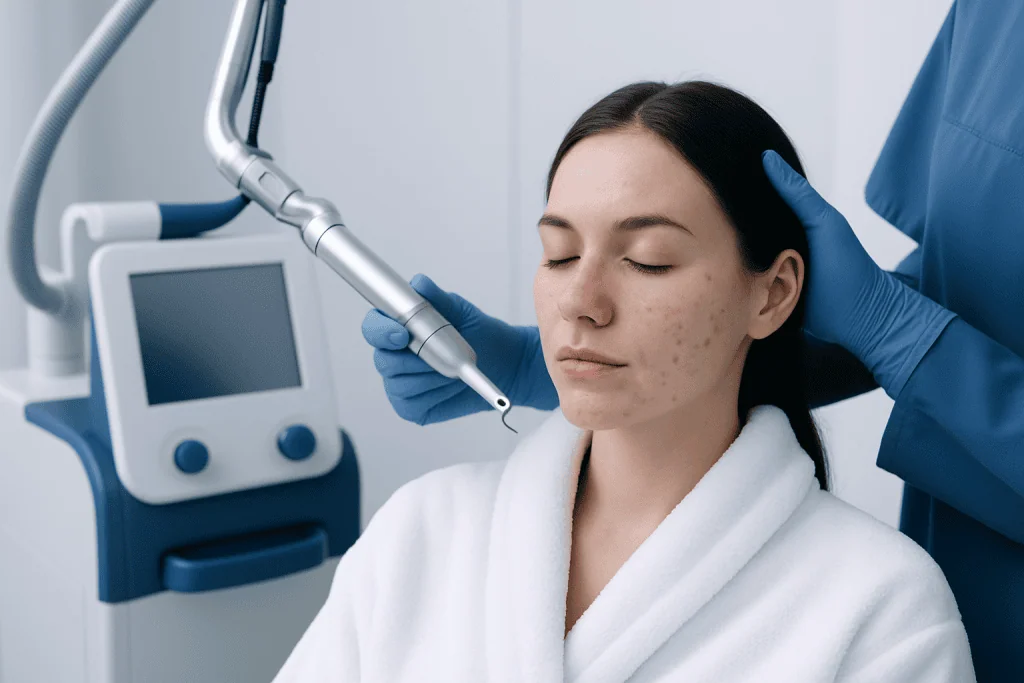
Pimples develop when hair follicles become blocked. Several factors can contribute at the same time: increased oil production, buildup of dead skin cells, inflammation, and hormonal changes. This is why breakouts often appear during puberty, around menstrual cycles, during times of stress, or when certain skin and hair products clog pores.
Not every pimple has the same cause. Whiteheads and blackheads are clogged pores, while red bumps and pus-filled lesions reflect more inflammation. Deep, tender nodules or cyst-like spots tend to last longer and are more likely to scar. These types usually need more than home care alone.
Diet is a common concern. Research suggests that some people may notice worse acne with high-glycemic foods or certain dairy products, but triggers vary from person to person. Rather than cutting out many foods at once, it is usually more helpful to watch for patterns and discuss persistent concerns with a clinician.
Other contributors can include friction from helmets or masks, heavy cosmetics, oily hair products, and some medications. Acne can also overlap with related skin conditions such as rosacea, so a correct diagnosis matters when breakouts do not behave like typical pimples.
Evidence-backed home care that can help
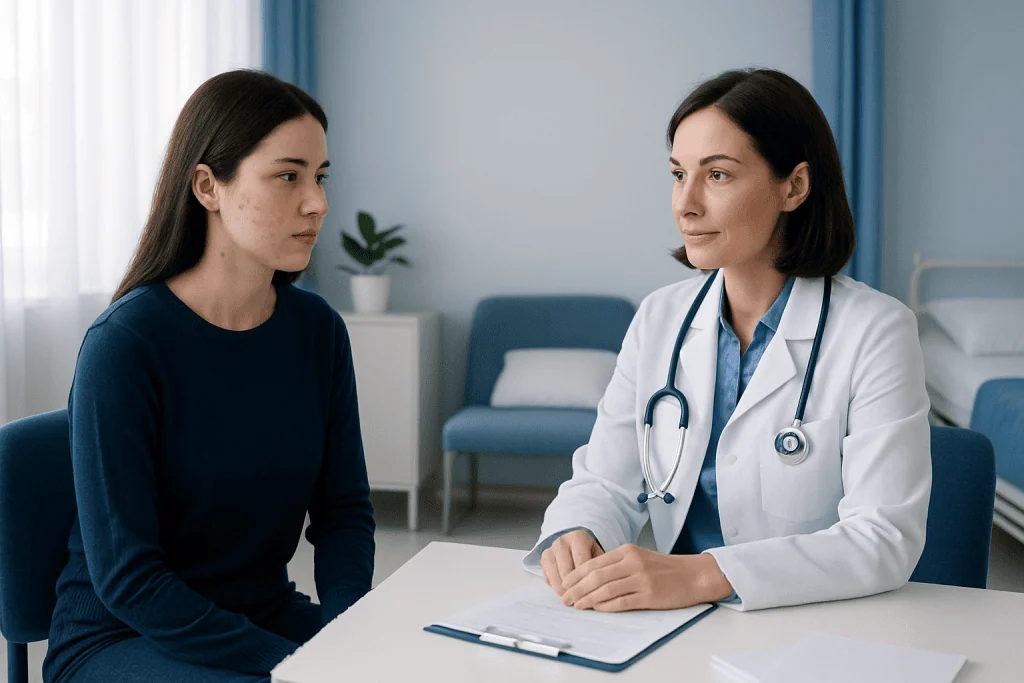
The most effective home approach starts with a gentle routine. Wash the face twice daily and after sweating with a mild, fragrance-free cleanser. Use lukewarm water, pat the skin dry, and avoid scrubbing brushes or rough exfoliants. Follow with a non-comedogenic moisturizer, because overly dry or irritated skin may become more inflamed and harder to treat.
For many people, over-the-counter acne ingredients work better than purely natural remedies. Salicylic acid can help unclog pores, while benzoyl peroxide can reduce acne-causing bacteria and inflammation. Adapalene gel is another evidence-based option for preventing clogged pores over time. These ingredients are not “natural,” but they are well studied and are often the most dependable home treatments before prescription care. They can be included as part of a broader acne treatment plan.
Among natural options, diluted tea tree oil has some evidence for mild acne, but it may still irritate sensitive skin and should never be used undiluted. Colloidal oatmeal-based soothing products or a simple cool compress may also help calm irritation around a pimple, though they do not treat the root cause. Hydrocolloid pimple patches are another practical at-home option; they are not natural remedies, but they can protect the spot from touching and reduce picking.
- Choose oil-free, non-comedogenic makeup and sunscreen.
- Remove makeup before sleep.
- Wash pillowcases, hats, and phone surfaces regularly.
- Keep hair products away from the forehead and cheeks.
- Start one new product at a time to monitor irritation.
Popular natural remedies: what helps, what does not, and what may harm
Many home remedies are widely shared online, but their safety and effectiveness vary. Tea tree oil has limited evidence and may help some people with mild acne when properly diluted in a prepared product. Aloe vera may soothe irritated skin, especially if used alongside proven acne ingredients, but on its own it is unlikely to clear persistent pimples.
Some remedies are mostly anecdotal. Honey masks, green tea applications, zinc supplements, apple cider vinegar, turmeric pastes, and ice are often discussed. A few may temporarily reduce redness or feel calming, but evidence is inconsistent, and they are not reliable long-term treatments. Supplements should not be started casually, because even over-the-counter products can cause side effects or interact with medicines.
Several common “DIY fixes” are more likely to cause problems than benefits. Toothpaste, lemon juice, baking soda, garlic, alcohol, and undiluted essential oils can irritate or even burn the skin. This can worsen inflammation, trigger post-inflammatory dark marks, and delay healing. Scrubbing hard, squeezing pimples, or using multiple strong products at once can have similar effects.
In short, a remedy is best judged by clinical evidence and skin safety, not by whether it is natural. If a home approach causes stinging, peeling, increased redness, or more breakouts, it is reasonable to stop and switch to a simpler routine.
A realistic routine for reducing breakouts long term
People often use the word “permanently” when they mean “keep pimples from coming back so often.” Long-term control usually comes from a routine followed for weeks to months, because skin turnover takes time. Most acne treatments need patience before their full benefit becomes clear.
A practical routine may include a gentle cleanser, a light non-comedogenic moisturizer, sunscreen each morning, and one acne treatment product introduced gradually. For example, a person might use salicylic acid for clogged pores or benzoyl peroxide for inflamed spots, while watching for dryness. If the skin becomes irritated, using the product less often or adding moisturizer can help.
Lifestyle measures can support skin health, even though they are not stand-alone cures. Managing stress, sleeping regularly, avoiding smoking, and changing out of sweaty clothing promptly may help some people. If breakouts seem linked to shaving, sports equipment, or cosmetics, adjusting those exposures can make a difference.
If acne tends to leave marks, scar prevention becomes part of treatment. The main steps are not picking, treating inflammation early, and protecting healing skin with sunscreen. In some cases, doctors may recommend chemical peels or other targeted options for persistent post-acne changes once active breakouts are under better control.
When to seek medical care
Medical care is important promptly if pimples are very painful, deep, rapidly worsening, widespread, associated with fever, or leaving pits and scars. A doctor should also assess acne-like bumps that are unusually persistent, involve significant redness around the eyes or nose, or do not improve with basic care. These features can suggest severe acne or another skin condition that needs different treatment.
It is also reasonable to seek help if over-the-counter care has not improved the skin after about 8 to 12 weeks, or if breakouts are affecting confidence, mood, sleep, or daily life. Hormonal acne, adult-onset acne, and recurrent chin or jawline breakouts may need a more individualized plan. Dark spots after pimples, especially in deeper skin tones, may also benefit from medical advice to avoid worsening pigmentation.
Dermatologists can offer treatments that home care cannot, including prescription creams, oral medicines, hormonal treatment in appropriate patients, drainage of large lesions in select cases, and strategies to prevent scars. Depending on the skin findings, care may overlap with dermatology services for diagnosis and follow-up.
For international patients who need evaluation, Acibadem International’s multidisciplinary specialists and JCI-accredited hospitals diagnose and treat acne and related skin concerns with individualized care plans.
Medical treatment options if home care is not enough
When pimples are frequent or inflammatory, prescription treatment may be more effective than repeated experimentation with home remedies. Doctors may recommend stronger topical retinoids, topical or oral antibiotics for limited periods, azelaic acid, or other therapies depending on the acne pattern and skin sensitivity. For some women, hormonal approaches may also be considered.
Moderate to severe acne often benefits from combination treatment rather than a single product. This is because one medicine may target clogged pores while another reduces inflammation. Following the plan carefully is important, since stopping and starting can make acne seem unpredictable.
Once active breakouts improve, some people need treatment for leftover scars or discoloration. Options vary and may include prescription pigment treatments, procedural therapies, or laser treatment in selected cases. These are usually considered after inflammation is controlled, because treating scars while acne is still active is often less effective.
A clinician can also rule out conditions that mimic acne, such as folliculitis, perioral dermatitis, or rosacea. This is one reason self-diagnosis has limits: a treatment that helps one type of bump may worsen another.
Frequently asked questions
Can pimples be removed naturally and permanently?
Home care can help many mild breakouts improve and can lower the chance of new pimples forming, but there is usually no single permanent natural cure. Long-term control is more realistic than permanent removal, especially because hormones, genetics, and skin type play a role.
What is the safest natural remedy to try for pimples?
A cautious option is a prepared, diluted tea tree oil product designed for skin, but even this can irritate some people. It is best to patch-test first and avoid using undiluted essential oils, lemon juice, or toothpaste on the skin.
How long does it take for home treatment to work?
Most evidence-based home treatments need several weeks to show clear improvement. A fair trial is often about 8 to 12 weeks, as long as the routine is gentle and used consistently.
Does popping a pimple help it go away faster?
Usually not. Squeezing can push inflammation deeper into the skin, increase swelling, and raise the risk of infection, dark marks, and scarring.
Are diet changes enough to clear acne?
Diet may influence acne in some people, but it is not the only cause and usually is not the only solution. If a person notices consistent food-related flare-ups, it can help to discuss patterns with a doctor rather than making very restrictive changes alone.
When should someone see a doctor for pimples?
Medical advice is important if pimples are painful, deep, leaving scars, spreading widely, or not improving after a few months of proper home care. A doctor should also be consulted if breakouts are affecting self-esteem or if the rash may not be acne.
References
- American Academy of Dermatology
- National Institute of Arthritis and Musculoskeletal and Skin Diseases
- Mayo Clinic
- National Health Service
- Cochrane
This article is for general information only and is not a substitute for professional medical advice. Please consult a qualified doctor about your individual situation.
Explore treatments in Turkey — costs, top hospitals & a free quote
JCI-accredited · board-certified surgeons · reply within 24h
Add us as a Preferred Source to see more of our trusted health content across Google Search, AI Overviews and Discover.