How to Stay Awake? Here Is What the Evidence Says

The safest long-term way to stay awake is to address the cause of sleepiness rather than relying only on caffeine. Short sleep, poor sleep quality, shift work, dehydration, illness, medications, and sleep disorders are common reasons for daytime drowsiness.
Key Takeaways
- The safest long-term way to stay awake is to address the cause of sleepiness rather than relying only on caffeine.
- Short sleep, poor sleep quality, shift work, dehydration, illness, medications, and sleep disorders are common reasons for daytime drowsiness.
- Bright light, brief activity, a cool environment, water, and a short early nap may help temporarily.
- Persistent sleepiness, falling asleep unintentionally, loud snoring, or drowsy driving should prompt medical review.
- Doctors often evaluate sleep habits, medications, mental health, and possible conditions such as sleep apnea, anemia, or thyroid disease.
Most episodes of sleepiness are linked to short sleep, stress, irregular schedules, or temporary lifestyle factors. To stay awake more effectively, the evidence supports prioritizing adequate sleep, strategic light exposure, movement, hydration, and medical evaluation when sleepiness is persistent, severe, or unexplained.
How to stay awake: what helps most
For many people, the most effective answer to how to stay awake is simple: get enough good-quality sleep and remove common triggers of drowsiness. When that is not possible in the moment, evidence-based short-term measures include bright light exposure, moving the body, drinking water, taking a brief nap if safe and practical, and using caffeine carefully rather than continuously.
Occasional tiredness is common and often harmless, especially after a late night, stress, travel, or a busy schedule. However, persistent daytime sleepiness is different from normal end-of-day tiredness. If someone regularly struggles to stay alert despite enough time in bed, falls asleep unintentionally, or feels sleepy while driving, the cause deserves attention.
The goal is not only to push through fatigue but also to understand why it is happening. Daytime sleepiness may reflect sleep deprivation, poor sleep habits, medication effects, mood disorders, or an underlying medical problem such as sleep apnea. Finding the reason is usually more helpful than trying one stimulant after another.
Why people feel sleepy during the day
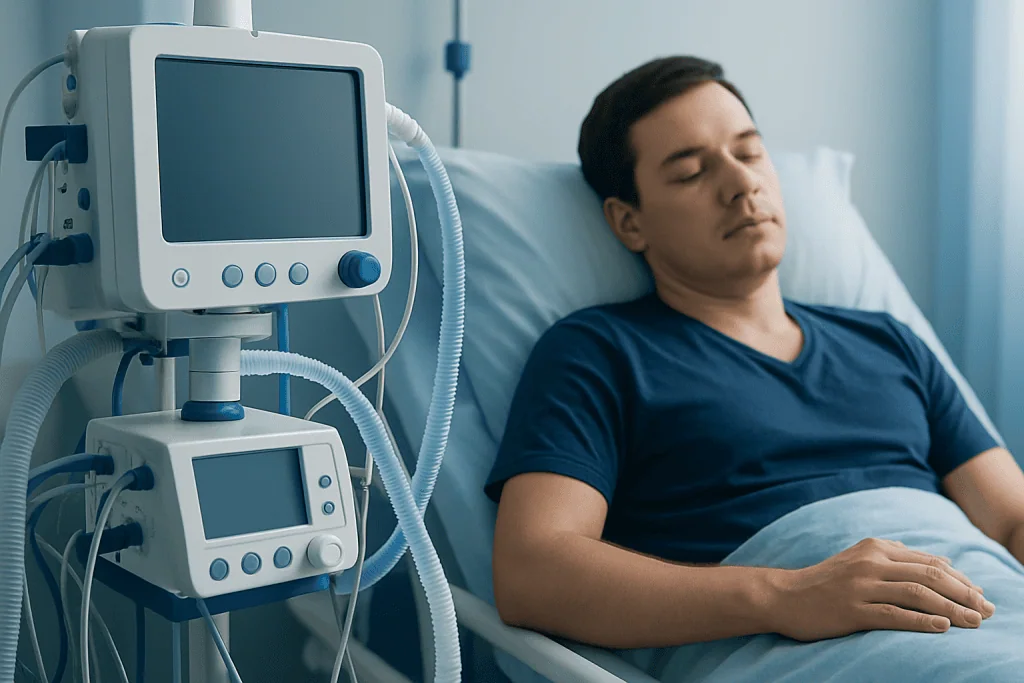
Sleepiness has many possible causes, and several may happen at the same time. The most common is simply not getting enough sleep. Adults generally need regular, sufficient sleep on most nights, and even mild sleep restriction over several days can reduce alertness, concentration, and reaction time.
Other common contributors include poor sleep quality, shift work, jet lag, dehydration, skipped meals, alcohol use, and long periods of sitting. Some people feel sleepy because their body clock is out of sync with work or school demands. Others are affected by stress, anxiety, or depression, which can disturb both sleep quantity and sleep quality.
Medications are another important cause. Antihistamines, some pain medicines, sedatives, certain antidepressants, anti-nausea drugs, and some blood pressure medications can all increase drowsiness. Medical conditions may also play a role, including anemia, low thyroid function, infections, chronic pain, pregnancy, and neurological or sleep-related conditions.
- Short or interrupted sleep
- Irregular sleep schedule
- Shift work or jet lag
- Alcohol or sedating medications
- Stress, anxiety, or depression
- Sleep disorders such as insomnia or sleep apnea
- Medical issues such as anemia, thyroid disease, or infection
What to do right away when sleepiness hits

If someone needs to stay awake in the short term, the best-supported strategies are practical rather than extreme. Bright light, especially daylight or a bright indoor light source, can help signal wakefulness to the brain. Standing up, walking, stretching, or taking a few minutes of physical activity often improves alertness more safely than continuing to sit still while drowsy.
Hydration may help if mild dehydration is contributing. Eating a balanced snack can also be useful, particularly if someone has gone a long time without food. Heavy meals, alcohol, and very warm rooms may worsen drowsiness, so a lighter meal and a cooler, well-lit environment may make it easier to stay alert.
Caffeine can improve alertness for some people, but it works best when used strategically. Large or repeated amounts may cause jitters, palpitations, digestive upset, or later sleep disruption, which can create a cycle of more fatigue the next day. A short nap may help, especially for shift workers, but longer naps or late-day naps can sometimes make nighttime sleep worse.
Most importantly, someone who feels sleepy while driving should not try to “push through.” Pulling over safely, resting, switching drivers, or changing plans is safer than relying on a window, loud music, or more coffee.
Habits that improve alertness over time
Long-term alertness usually depends on consistent sleep habits. Going to bed and waking up at similar times each day helps regulate the body clock. A dark, quiet sleep environment, limiting late caffeine, reducing screen use close to bedtime, and setting aside enough time for sleep can make a meaningful difference.
Daily routines also matter. Regular physical activity supports better sleep quality and daytime energy, though intense exercise very close to bedtime may not suit everyone. Exposure to morning light can help strengthen the sleep-wake cycle, especially for people who feel groggy for hours after waking or those with irregular schedules.
People with chronic difficulty falling asleep or staying asleep may need a structured plan for sleep improvement. Support from a doctor or sleep specialist may include sleep hygiene guidance, behavioral approaches, or evaluation for conditions such as insomnia. In some cases, formal sleep study testing is needed to look for disrupted breathing or other sleep-related problems.
When sleepiness may signal a health problem
Daytime sleepiness should be taken more seriously when it is persistent, worsening, or out of proportion to recent sleep loss. Frequent unplanned naps, trouble staying awake during conversations or work, morning headaches, and waking unrefreshed may point to a sleep disorder rather than a simple lifestyle issue.
Loud snoring, pauses in breathing during sleep, gasping, and dry mouth on waking are common clues for obstructive sleep apnea. People who live with a partner may hear about these symptoms before they notice them themselves. Sleep apnea can affect concentration, mood, blood pressure, and overall health if it is not recognized.
Other warning signs include weight change, intolerance to cold, heavy menstrual bleeding, low mood, fever, night sweats, or symptoms of chronic illness. These can suggest anemia, thyroid problems, infection, depression, or other medical conditions. When the pattern is unclear, doctors may recommend tests such as blood work or targeted sleep evaluation, including treatment for sleep apnea when appropriate.
How doctors evaluate persistent daytime sleepiness
Medical assessment usually begins with a careful history. A doctor may ask how long the sleepiness has been present, how many hours of sleep a person gets, whether they snore, what medications or supplements they take, whether they work shifts, and whether there are symptoms of anxiety, depression, or another illness. A sleep diary or wearable data may sometimes help show patterns, although medical interpretation is still important.
The physical examination may include weight, blood pressure, airway features, thyroid examination, and a general review for signs of anemia, infection, or neurological disease. Depending on the situation, blood tests may be used to check for common contributors such as iron deficiency, vitamin deficiencies, thyroid disorders, blood sugar problems, or inflammation.
If a sleep disorder is suspected, a doctor may refer the patient to a sleep specialist. Testing can include overnight monitoring, home sleep apnea testing in selected cases, or more advanced assessment if the history suggests narcolepsy, unusual movements during sleep, or complex breathing issues. If needed, neurology consultation may also help when symptoms involve concentration problems, unusual sleep attacks, or other neurological concerns.
When to seek medical care
It is reasonable to seek medical advice if sleepiness lasts more than a few weeks, returns regularly despite good sleep habits, or interferes with work, school, relationships, or driving. Falling asleep unintentionally, especially while sitting quietly, in meetings, or behind the wheel, should not be ignored.
Prompt evaluation is also important if daytime sleepiness comes with loud snoring, witnessed pauses in breathing, chest pain, shortness of breath, fainting, severe mood symptoms, confusion, weakness, or a sudden change in alertness. These symptoms may point to a condition that needs more than lifestyle adjustment.
For international patients who need further assessment, Acibadem International’s multidisciplinary specialists and JCI-accredited hospitals evaluate sleep-related symptoms and underlying medical causes using a coordinated approach.
Frequently asked questions
What is the fastest way to stay awake?
Short-term alertness usually improves most with bright light, getting up to move, drinking water, and taking a brief break from passive tasks. Caffeine may help some people, but it should be used carefully because too much can disrupt later sleep and worsen next-day fatigue.
Why do I feel sleepy even after sleeping all night?
Sleeping for many hours does not always mean the sleep was restorative. Interrupted sleep, sleep apnea, insomnia, medications, mood disorders, and medical conditions such as anemia or thyroid disease can all cause daytime sleepiness despite time spent in bed.
Can caffeine replace sleep?
No. Caffeine can temporarily improve alertness, but it does not restore the brain and body functions that depend on real sleep. It may also mask dangerous drowsiness, especially during driving or safety-sensitive work.
Is taking a nap a good way to stay awake later?
A short nap can improve alertness for some people, especially if they are sleep deprived or doing shift work. However, long naps or naps taken late in the day may make it harder to fall asleep at night.
When is daytime sleepiness a sign of a sleep disorder?
It may suggest a sleep disorder when it happens often, persists despite adequate sleep, or comes with snoring, gasping, morning headaches, unplanned sleep episodes, or poor concentration. A doctor or sleep specialist can help determine whether testing is needed.
Should someone see a doctor for trouble staying awake?
Yes, especially if the problem is persistent, affects daily life, or creates a risk while driving or working. Medical review is also important if there are other symptoms such as breathing pauses during sleep, low mood, weight change, fever, or sudden worsening fatigue.
References
- American Academy of Sleep Medicine
- Centers for Disease Control and Prevention
- National Heart, Lung, and Blood Institute
- National Institute of Neurological Disorders and Stroke
- Mayo Clinic
This article is for general information only and is not a substitute for professional medical advice. Please consult a qualified doctor about your individual situation.
Explore treatments in Turkey — costs, top hospitals & a free quote
JCI-accredited · board-certified surgeons · reply within 24h
Add us as a Preferred Source to see more of our trusted health content across Google Search, AI Overviews and Discover.
Check your numbers in seconds
BMI, calories, due date, blood pressure and 30+ more clinical calculators — free, instant, doctor-reviewed ranges.

More from the Health Library



Related Specialists

Prof. Dr. M. Sinan Ersin
General Surgery
Fzt. Kezban Ataş
Physical Medicine & Rehabilitation
Dr. Nihal Üstün
Aesthetic Plastic & Reconstructive Surgery
Dr. Mehmet Akkuşaklı
Emergency Service