How to Stop Myself From Being Sick? A Doctor-Reviewed Answer

Feeling sick is often temporary and may improve with hydration, bland foods, fresh air, and avoiding triggers. Red flags such as chest pain, severe dehydration, vomiting blood, confusion, or severe abdominal pain need prompt medical care.
Key Takeaways
- Feeling sick is often temporary and may improve with hydration, bland foods, fresh air, and avoiding triggers.
- Red flags such as chest pain, severe dehydration, vomiting blood, confusion, or severe abdominal pain need prompt medical care.
- A doctor will usually diagnose the cause by asking about timing, triggers, medicines, associated symptoms, and sometimes ordering tests.
- Treatment depends on the cause and may include anti-nausea medicine, treatment of dehydration, infection, reflux, migraine, or another underlying condition.
- Frequent or unexplained nausea should be medically reviewed, especially if it lasts more than a few days or keeps coming back.
Most episodes of feeling sick or nauseated are short-lived and improve with rest, fluids, and simple self-care. The safest approach is to first look for warning signs, then consider likely triggers such as infection, food, motion, reflux, migraine, stress, pregnancy, or medication side effects.
Overview: what to do first if feeling sick
If a person is asking how to stop themselves from being sick, the answer is often reassuring: many short episodes of nausea or vomiting are harmless and settle within hours to a couple of days. Common causes include a mild stomach virus, something eaten that did not agree with the stomach, motion sickness, stress, migraine, acid reflux, or a medication side effect.
The first step is practical self-care. Small sips of water or an oral rehydration drink, a short break from heavy meals, and bland foods such as toast, rice, bananas, or crackers can help. It is also sensible to avoid alcohol, greasy foods, very strong smells, and intense activity until the stomach feels steadier.
At the same time, it is important to check for warning signs rather than assuming every case is minor. Vomiting blood, black stools, severe stomach pain, fainting, confusion, chest pain, signs of dehydration, or vomiting that will not stop all need prompt medical review. This balance between reassurance and red-flag awareness is the safest way to approach nausea.
If symptoms are persistent, recurrent, or associated with weight loss, fever, severe headache, pregnancy, or a new medicine, a doctor can assess the cause. Evaluation usually starts with a clear symptom history, then focused examination and tests only when needed.
What nausea can feel like
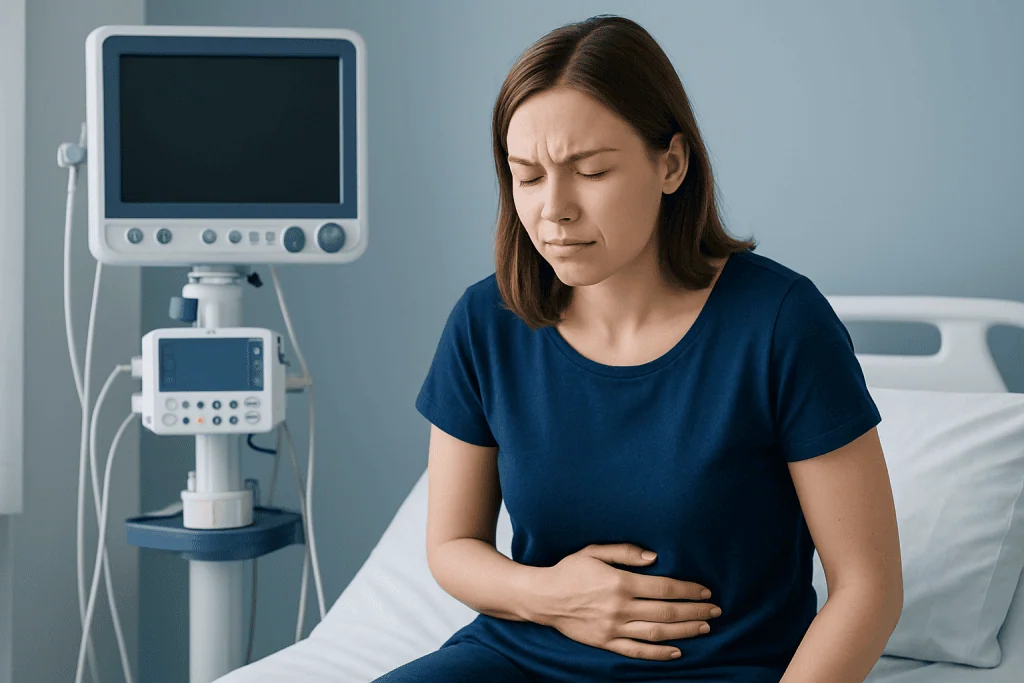
Feeling sick usually means nausea, an unsettled sensation in the stomach that may come with an urge to vomit. Some people describe it as queasiness, churning, fullness, or a wave-like discomfort that comes and goes. Others notice sweating, salivation, dizziness, belching, or reduced appetite before vomiting occurs.
Nausea can happen on its own or alongside other symptoms. Diarrhea and stomach cramps suggest a digestive cause, while a spinning feeling may point toward motion sickness or an inner ear problem. Heartburn can suggest reflux, and headache with light sensitivity may fit migraine.
The timing also matters. Nausea after meals may relate to indigestion, gallbladder problems, or delayed stomach emptying. Morning nausea may occur in pregnancy, acid reflux, or some medication effects. Sudden nausea with fever and diarrhea may be due to gastroenteritis, while repeated episodes over weeks may need a broader medical evaluation.
Because this symptom can have many causes, the goal is not only to stop the immediate discomfort but also to recognize the pattern. Understanding when it started, what makes it worse, and what other symptoms are present helps guide the next step.
Common causes and risk factors

Nausea is a symptom rather than a disease, so there are many possible explanations. Common short-term causes include viral gastroenteritis, food poisoning, overeating, alcohol, dehydration, motion sickness, anxiety, and medication side effects. Some antibiotics, pain medicines, iron tablets, and chemotherapy drugs are well known to upset the stomach.
Digestive conditions are another frequent reason. Acid reflux and gastritis can cause upper stomach discomfort, burning, bloating, and nausea. Gallbladder disease, stomach ulcers, constipation, and delayed stomach emptying may also lead to repeated queasiness, especially around meals.
Not all causes begin in the stomach. Migraine, inner ear conditions, pregnancy, kidney problems, liver disease, metabolic disturbances, and infections elsewhere in the body can all trigger nausea. In some cases, severe pain itself can make a person feel sick.
Certain risk factors make nausea more likely or more serious:
- Recent travel or motion exposure
- New medications or supplements
- Pregnancy possibility
- Recent surgery or anesthesia
- Diabetes, kidney disease, or liver disease
- Frequent heartburn or known digestive disorders
- Exposure to sick contacts or suspicious food
- Older age or very young age, when dehydration can develop faster
How doctors find the cause
If nausea is severe, recurrent, or unexplained, a doctor usually begins with a detailed history. They ask when the symptom started, whether vomiting is present, what the vomit looks like, whether there is pain, diarrhea, fever, headache, dizziness, or weight loss, and whether symptoms are linked to meals, travel, medicines, or stress.
A physical examination may include checking hydration, temperature, blood pressure, the abdomen, and sometimes the ears or nervous system depending on the symptom pattern. In many mild and short-lived cases, no extensive testing is needed. Supportive care and observation may be enough.
When symptoms last longer, come back often, or suggest a more specific condition, tests may be recommended. These can include blood tests, urine tests, a pregnancy test when relevant, stool tests, or imaging such as ultrasound or CT. In selected cases, a doctor may recommend endoscopy to look for inflammation, ulcers, bleeding, or other upper digestive causes.
This stepwise approach matters because treatment works best when matched to the cause. A person with dehydration needs fluid replacement, someone with reflux may need digestive treatment, and someone with migraine-related nausea may need a different plan entirely.
Treatment options that may help
The best way to stop being sick depends on why it is happening. For mild nausea, supportive care is often effective: small frequent sips of clear fluids, bland foods in small portions, rest, and avoiding strong odors. Some people tolerate cold foods better than hot meals, and eating slowly can reduce stomach irritation.
If vomiting has already happened, it often helps to pause solid food briefly and restart with fluids first. Once fluids stay down, bland foods can be added gradually. If dehydration is developing, a doctor may advise oral rehydration solutions or, in more severe situations, hospital-based fluid treatment.
Medicines may also be used when appropriate. Doctors sometimes prescribe anti-nausea medications, acid-suppressing treatments for reflux or gastritis, migraine treatment, or antibiotics only when there is a clear bacterial reason. If a medicine is causing the problem, a clinician may adjust the dose or change the medication rather than simply adding another drug.
When nausea comes from an identifiable digestive disorder, targeted treatment may be needed. For example, reflux symptoms may improve with gastroenterology care, and persistent upper abdominal complaints may need review for conditions such as gastroesophageal reflux disease or other stomach disorders. Near the end of the care pathway, some patients may be assessed in specialized centers; Acibadem International’s multidisciplinary specialists in JCI-accredited hospitals diagnose and treat digestive and related conditions for international patients.
Prevention and self-care strategies
Prevention depends on personal triggers. If motion causes nausea, sitting where movement feels less intense, focusing on the horizon, and avoiding large meals before travel may help. If certain foods trigger symptoms, keeping a simple diary can reveal patterns such as greasy meals, very spicy foods, caffeine, or alcohol.
Eating habits matter. Smaller, more frequent meals may be easier to tolerate than large portions, especially for people who feel sick when very hungry or very full. Staying well hydrated throughout the day, eating slowly, and not lying flat immediately after meals can also reduce symptoms.
Stress and poor sleep can worsen nausea in some people, even when the main cause is physical rather than emotional. Gentle breathing exercises, adequate rest, and a calm environment may make symptoms easier to manage. People with frequent reflux, recurring migraines, or chronic digestive symptoms may benefit from longer-term medical follow-up rather than repeated self-treatment.
Home care is useful only when symptoms are mild and improving. If a person cannot keep fluids down, urinates much less than usual, becomes very weak, or notices new severe pain, home remedies should not delay professional advice.
When to seek medical care
Most nausea passes without complications, but some situations should be treated as urgent. Medical care is important if there is vomiting blood, material that looks like coffee grounds, black stools, severe or worsening abdominal pain, chest pain, shortness of breath, confusion, stiff neck, seizure, or a severe sudden headache. These symptoms may point to a problem beyond simple stomach upset.
Prompt review is also needed when dehydration is possible. Warning signs include very little urine, dry mouth, dizziness on standing, unusual sleepiness, fast heartbeat, or inability to keep fluids down for many hours. Infants, older adults, and people with chronic illnesses can become dehydrated more quickly.
A non-urgent appointment is reasonable if nausea lasts more than a few days, keeps returning, causes weight loss, starts after a new medicine, or comes with persistent heartburn, swallowing difficulty, repeated vomiting, or ongoing bloating. Pregnancy-related nausea also deserves medical guidance if it is severe or prevents eating and drinking.
In short, the safest answer to how to stop oneself from being sick is to combine simple early self-care with careful attention to red flags. If symptoms do not follow the expected pattern of quick improvement, a qualified doctor can identify the cause and recommend the right treatment plan.
Frequently asked questions
How can someone stop feeling sick quickly at home?
For mild nausea, small sips of water or an oral rehydration drink, rest, fresh air, and bland foods in small amounts are often the most helpful first steps. It is best to avoid greasy meals, alcohol, and strong smells until symptoms ease. If vomiting is frequent or fluids cannot be kept down, medical advice is important.
Is it better to eat or not eat when feeling sick?
Many people do better with a short break from heavy food, followed by small amounts of bland foods once nausea settles a little. Going too long without eating can sometimes worsen queasiness, so light foods such as toast, crackers, rice, or bananas may help. The key is small portions and gradual reintroduction.
When is nausea a sign of something serious?
Nausea becomes more concerning when it comes with severe abdominal pain, chest pain, confusion, dehydration, vomiting blood, black stools, or a severe headache. Symptoms that last more than a few days, keep returning, or cause weight loss also deserve medical review. The symptom itself is common, but the associated features guide urgency.
Can stress or anxiety make a person feel sick?
Yes. Stress and anxiety can affect the gut-brain connection and lead to nausea, appetite changes, bloating, or stomach discomfort. However, recurring nausea should not automatically be blamed on stress until other medical causes have been considered.
What tests might a doctor order for repeated nausea?
A doctor may start with blood tests, urine tests, or a pregnancy test when relevant, depending on the history and examination. Some people may need stool testing, ultrasound, CT, or endoscopy if symptoms suggest a digestive cause. Testing is usually tailored to the symptom pattern rather than done all at once.
Can acid reflux cause nausea?
Yes, acid reflux can sometimes cause nausea along with heartburn, sour taste, belching, or discomfort after meals. If reflux symptoms are frequent, wake a person at night, or are associated with swallowing problems or weight loss, they should be evaluated by a clinician. Treating the reflux may improve the nausea as well.
References
- National Institute of Diabetes and Digestive and Kidney Diseases
- National Health Service
- American College of Gastroenterology
- Mayo Clinic
- MedlinePlus
This article is for general information only and is not a substitute for professional medical advice. Please consult a qualified doctor about your individual situation.
Persistent digestive symptoms? Get evaluated in Turkey
JCI-accredited · board-certified surgeons · reply within 24h
Add us as a Preferred Source to see more of our trusted health content across Google Search, AI Overviews and Discover.
Check your numbers in seconds
BMI, calories, due date, blood pressure and 30+ more clinical calculators — free, instant, doctor-reviewed ranges.