How to Stop Snoring? A Doctor-Reviewed Answer

Snoring is common and is often related to airflow narrowing in the nose, mouth, or throat during sleep. Simple changes such as side sleeping, treating allergies, avoiding alcohol late in the evening, and maintaining a healthy weight can help.
Key Takeaways
- Snoring is common and is often related to airflow narrowing in the nose, mouth, or throat during sleep.
- Simple changes such as side sleeping, treating allergies, avoiding alcohol late in the evening, and maintaining a healthy weight can help.
- Snoring can sometimes be a sign of obstructive sleep apnea, especially if there are breathing pauses, choking, morning headaches, or daytime fatigue.
- Doctors assess snoring by reviewing symptoms, examining the nose and throat, and sometimes ordering a sleep study.
- Treatment depends on the cause and may include lifestyle changes, nasal treatment, oral devices, CPAP, or selected procedures.
How to stop snoring depends on why it happens, but many people improve with simple steps such as sleeping on the side, reducing nasal congestion, avoiding alcohol before bed, and managing weight. Snoring is often harmless, but loud habitual snoring with pauses in breathing, gasping, daytime sleepiness, or high blood pressure should be checked by a doctor.
Overview: how to stop snoring
For many people, how to stop snoring starts with a reassuring fact: snoring is very common and is often harmless. It usually happens when airflow becomes partly blocked as the tissues of the nose, soft palate, tongue, or throat vibrate during sleep. In mild cases, practical changes at home can noticeably reduce the noise.
Simple measures often help. Sleeping on the side instead of the back, managing nasal congestion, avoiding alcohol close to bedtime, keeping a regular sleep schedule, and addressing excess weight can all reduce snoring in the right person. The best approach depends on the cause, so the first step is to notice when snoring happens, how loud it is, and whether other symptoms are present.
What matters most is separating ordinary snoring from snoring that may point to a sleep-breathing problem. If snoring is loud and frequent and is linked with pauses in breathing, choking or gasping during sleep, significant daytime sleepiness, or difficult-to-control blood pressure, medical review is important. A doctor can then look for conditions such as sleep apnea and guide treatment.
Why snoring happens
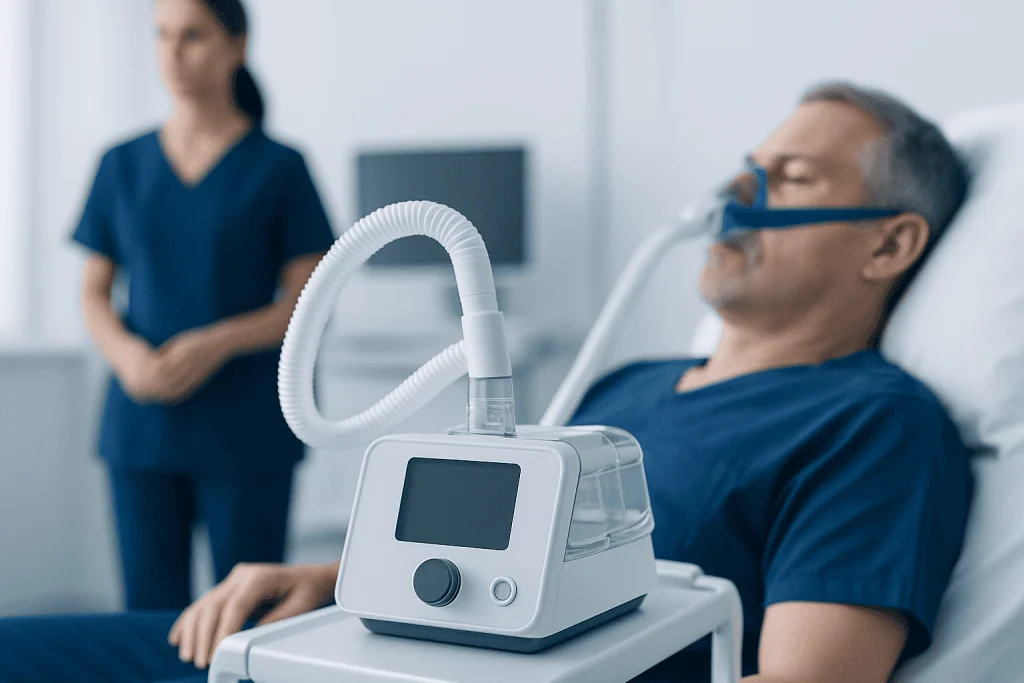
Snoring is a sound created by vibration in the upper airway. During sleep, the muscles of the throat relax. If the airway becomes narrower than usual, air passing through it causes the soft tissues to flutter. The narrower the passage, the more likely snoring becomes.
Several parts of the airway can contribute. Swelling inside the nose from allergies or a cold may force someone to breathe through the mouth. A long soft palate, enlarged tonsils, a tongue that falls backward during sleep, or the shape of the jaw can also reduce airflow space. Sleeping on the back often makes this worse because gravity pulls the tongue and soft tissues backward.
Snoring does not always mean disease. However, repeated narrowing that also disturbs oxygen levels or sleep quality may signal obstructive sleep apnea. This is why doctors ask not only about the sound itself, but also about breathing pauses, poor-quality sleep, headaches on waking, and daytime concentration problems.
Common causes and risk factors

There is rarely just one reason for snoring. Common contributors include nasal congestion, seasonal allergies, colds, sinus irritation, enlarged tonsils, a deviated septum, being overweight, alcohol use in the evening, sedating medications, and sleep deprivation. Age can also play a role because tissues may become more relaxed over time.
Body position matters. Many people snore more when lying on the back and less when sleeping on the side. Some notice worse snoring after a heavy evening meal, alcohol, or a period of poor sleep. Others may have a structural issue in the nose or throat that narrows the airway every night, even if they otherwise feel well.
Risk factors that make doctors more alert include obesity, a large neck circumference, high blood pressure, a family history of sleep apnea, and symptoms suggesting disrupted breathing during sleep. In children, snoring may be linked to enlarged adenoids or tonsils and should not be ignored if it is frequent.
- Nasal blockage from allergies, infection, or anatomy
- Sleeping on the back
- Alcohol or sedative use before bed
- Excess body weight
- Enlarged tonsils, adenoids, or a relaxed soft palate
- Possible obstructive sleep apnea
Symptoms that need attention
Occasional quiet snoring without other symptoms is usually less concerning. More attention is needed when snoring is loud, habitual, and associated with signs that sleep quality or breathing may be affected. Bed partners often notice important details before the person who snores does.
Warning signs include observed pauses in breathing, gasping, choking, restless sleep, waking unrefreshed, dry mouth on waking, morning headaches, memory or concentration problems, and excessive daytime sleepiness. Some people also wake frequently to urinate or feel irritable because sleep has been fragmented.
These symptoms can overlap with sleep disorders more broadly, but they especially raise concern for sleep apnea. If the person also has heart disease, uncontrolled blood pressure, or significant fatigue while driving or working, prompt medical assessment is sensible and safe.
What a doctor will check
Medical assessment of snoring is usually straightforward and starts with a careful history. A doctor asks when the snoring began, whether it happens every night, whether it is worse in certain positions, and whether anyone has witnessed breathing pauses or choking. They also ask about sleep quality, daytime sleepiness, alcohol use, smoking, medications, allergies, weight changes, and other medical conditions.
The physical examination focuses on the upper airway. The doctor may inspect the nose for blockage, the throat for enlarged tonsils or a long soft palate, and the jaw or tongue position for airway narrowing. Blood pressure, body weight, and neck size may also be relevant because they help estimate the chance of obstructive sleep apnea.
If sleep apnea is suspected, a sleep study may be recommended. This can be done in a sleep laboratory or, in some cases, with home monitoring. The goal is to see whether snoring is simply noisy breathing or part of a disorder that needs more specific treatment, such as sleep apnea treatment.
Treatment options for snoring
Treatment works best when it matches the cause. If nasal blockage is the main issue, managing allergies, reducing inflammation, or treating a structural nasal problem may help. If body position is the trigger, side sleeping can be very effective. If weight gain has made snoring worse, gradual and sustainable weight management may reduce airway narrowing over time.
For some people, oral appliances fitted by trained dental or sleep specialists help keep the airway open by adjusting the jaw or tongue position during sleep. If sleep apnea is confirmed, continuous positive airway pressure, commonly called CPAP, is often one of the most effective treatments. It uses gentle air pressure to prevent airway collapse during sleep.
Selected patients benefit from procedures when anatomy is the main problem. For example, persistent nasal obstruction may need assessment for septoplasty, and enlarged tonsils or related throat issues may require ENT review. In broader airway evaluation, specialists may also look at whether treatment for snoring treatment or related ENT procedures is appropriate. The right choice depends on symptoms, examination findings, and sleep study results.
Self-care steps that may reduce snoring
Many people can lessen snoring with consistent home measures. Side sleeping is one of the simplest strategies because it reduces the backward fall of the tongue and soft palate. Raising the head slightly may help some people as well, though side sleeping is often more important than pillow height alone.
It also helps to keep the nose as clear as possible. Treating allergies, using saline rinses if advised, staying hydrated, and avoiding cigarette smoke can improve airflow. Limiting alcohol in the hours before bed is important because alcohol relaxes the throat muscles and can make snoring louder and more frequent.
Healthy sleep habits matter too. Going to bed at regular times, getting enough sleep, and addressing excess weight can all improve snoring in the long term. If over-the-counter products are being considered, it is wise to discuss them with a pharmacist or doctor, especially if symptoms suggest sleep apnea, since these products do not treat breathing pauses.
- Sleep on the side rather than the back
- Avoid alcohol near bedtime
- Manage allergies and nasal congestion
- Maintain a healthy weight if advised
- Keep a regular sleep schedule
- Seek review if snoring remains loud or frequent
When to seek medical care
A doctor should assess snoring if it is new, getting worse, or causing concern for the person or their bed partner. Medical review is especially important if there are witnessed breathing pauses, choking or gasping during sleep, pronounced daytime sleepiness, waking with headaches, difficulty concentrating, or high blood pressure. Children who snore regularly should also be evaluated.
Urgency is greater if sleepiness affects driving, work safety, or daily function. People with heart disease, stroke risk factors, obesity, or resistant high blood pressure should not assume snoring is harmless. A sleep or ENT specialist can help determine whether snoring is simple, positional, or part of a more significant breathing disorder.
For international patients who need further evaluation, Acibadem International’s multidisciplinary specialists and JCI-accredited hospitals diagnose and treat snoring and related sleep-breathing conditions. Depending on the findings, care may involve ENT assessment, sleep testing, or treatment planning for related concerns such as tonsil surgery.
Frequently asked questions
Is snoring always a sign of sleep apnea?
No. Many people snore without having sleep apnea, especially when they have a cold, allergies, nasal blockage, or sleep on their back. However, loud habitual snoring combined with breathing pauses, gasping, or daytime sleepiness should be checked by a doctor.
What is the best sleeping position to stop snoring?
For many adults, sleeping on the side helps most because it reduces the tendency of the tongue and soft palate to fall backward. Snoring often becomes worse when lying flat on the back. Position changes may not fully solve snoring if there is nasal obstruction or sleep apnea.
Can losing weight help reduce snoring?
Yes, in people whose snoring is linked to excess weight, gradual weight loss can reduce pressure around the airway and improve airflow during sleep. It is not an instant fix, but it can be an important part of long-term improvement. A doctor can help identify whether weight is a major factor.
Do nasal strips or decongestants work for snoring?
They may help if snoring is mainly due to nasal congestion or reduced airflow through the nose. They are less likely to help if the main problem is deeper in the throat or if sleep apnea is present. Persistent snoring should still be assessed rather than managed only with temporary products.
When should someone worry about snoring?
Snoring deserves medical attention if it is frequent, very loud, worsening, or associated with choking, gasping, breathing pauses, morning headaches, or daytime fatigue. Concern is also higher if the person has high blood pressure, obesity, or falls asleep unintentionally during the day. These features can point to a sleep-related breathing disorder.
How is snoring diagnosed?
Doctors diagnose the cause of snoring by taking a sleep history, asking about symptoms, and examining the nose, mouth, and throat. If sleep apnea is suspected, they may recommend a sleep study at home or in a sleep laboratory. The findings guide the most appropriate treatment.
This article is for general information only and is not a substitute for professional medical advice. Please consult a qualified doctor about your individual situation.
Explore treatments in Turkey — costs, top hospitals & a free quote
JCI-accredited · board-certified surgeons · reply within 24h
Add us as a Preferred Source to see more of our trusted health content across Google Search, AI Overviews and Discover.
Check your numbers in seconds
BMI, calories, due date, blood pressure and 30+ more clinical calculators — free, instant, doctor-reviewed ranges.

Otorhinolaryngology Specialists at Acibadem





More from the Health Library

How Long to Bake Chicken Breast? Here Is What the Evidence Says

What Is a Virus? Causes, Explanations, and Next Steps

Tirzepatide vs Semaglutide: Key Differences and How Doctors Tell Them Apart

Rash Tiny Bumps on Hands Explained: Common Triggers and Red Flags

Bottom Right Pain Stomach: Common Causes, Related Conditions, and When to See a Doctor