How to Strengthen Bones and Joints Naturally

A balanced diet with enough protein, calcium, vitamin D, and other key nutrients supports bone strength and joint tissue repair. Weight-bearing, resistance, and flexibility exercises help maintain bone density and keep joints moving comfortably.
Key Takeaways
- A balanced diet with enough protein, calcium, vitamin D, and other key nutrients supports bone strength and joint tissue repair.
- Weight-bearing, resistance, and flexibility exercises help maintain bone density and keep joints moving comfortably.
- Healthy body weight reduces stress on weight-bearing joints such as the knees, hips, and lower back.
- Avoiding smoking, limiting alcohol, and getting enough sleep can support bone remodeling and recovery.
- Persistent pain, swelling, stiffness, or reduced mobility should be assessed by a qualified doctor.
Strong bones and flexible joints depend on a mix of nutrition, movement, healthy habits, and timely medical care. With consistent daily choices, many people can support bone density, reduce joint strain, and maintain mobility at any age.
Overview
How to strengthen bones and joints naturally starts with understanding that both tissues respond to everyday habits. Bones constantly remodel throughout life, while joints rely on healthy cartilage, muscles, ligaments, and synovial fluid to move smoothly.
Natural support does not mean avoiding medical care. Rather, it means building a routine that includes nutrient-rich food, regular exercise, posture awareness, and recovery time. These habits can help preserve mobility, reduce wear and tear, and support long-term musculoskeletal health.
People often think about bone health only after a fracture or about joint health only after pain begins. In reality, prevention matters early, especially for older adults, postmenopausal women, people with low activity levels, and those with a family history of osteoporosis or joint problems.
Symptoms of Poor Bone or Joint Health
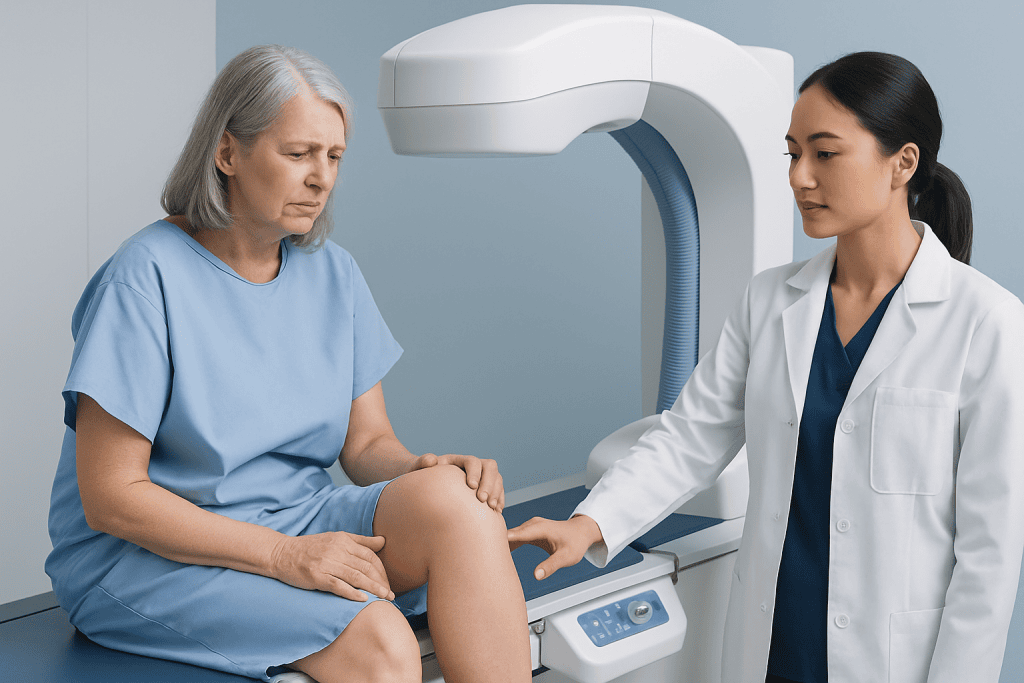
Weak bones may not cause symptoms at first. Over time, warning signs can include height loss, stooped posture, fractures after minor falls, or back pain related to spinal compression fractures. Bone loss is often silent until it becomes advanced, which is why prevention and screening are important.
Joint problems may show up as pain, swelling, stiffness, clicking, reduced range of motion, or discomfort during activity. Symptoms may be mild at first and become more noticeable after prolonged standing, climbing stairs, or repetitive use.
Muscle weakness, frequent sprains, difficulty rising from a chair, or fatigue during movement can also contribute to joint strain. Because bones, joints, and muscles work together, changes in one part of the system may affect the others.
Causes & Risk Factors

Bone and joint strength are influenced by age, hormones, genetics, activity level, nutrition, and certain medical conditions. Bone density usually declines with aging, and joint cartilage can become less resilient over time.
Common risk factors for weaker bones include low calcium intake, vitamin D deficiency, smoking, excessive alcohol use, inactivity, low body weight, early menopause, and long-term use of some medications that affect bone metabolism. Joint problems may be more likely with excess body weight, prior injury, poor muscle support, repetitive strain, and inflammatory conditions.
Family history matters as well. People with relatives who have osteoporosis, fractures, osteoarthritis, rheumatoid arthritis, or autoimmune disease may need earlier attention to bone and joint protection. Some health conditions, such as thyroid disorders, celiac disease, and inflammatory bowel disease, can also affect musculoskeletal health.
Diagnosis
Doctors assess bones and joints using a combination of history, physical examination, and, when needed, imaging or laboratory tests. The goal is to identify the cause of pain, stiffness, weakness, or fracture risk and to distinguish age-related changes from treatable conditions.
For bone health, a doctor may recommend a bone density test such as DEXA when osteoporosis risk is a concern. Blood tests may be used to check vitamin D, calcium, thyroid function, kidney function, or markers of inflammation depending on the situation.
For joint symptoms, evaluation may include X-rays, ultrasound, MRI, or blood tests if inflammatory arthritis or another systemic cause is suspected. If symptoms are persistent or function is limited, early assessment can help guide safe and effective care.
Treatment Options
Natural strategies are most effective when they are personalized. A doctor, physiotherapist, or dietitian may suggest a plan that combines exercise, nutrition, and symptom management based on age, medical history, and activity level.
Exercise is central. Weight-bearing activities such as walking, dancing, stair climbing, and low-impact jogging can stimulate bone maintenance, while resistance training helps preserve muscle support around joints. Flexibility and balance exercises, including yoga or tai chi, may improve movement quality and reduce fall risk.
Nutrition also matters. Adequate protein supports muscle and tissue repair, while calcium and vitamin D are essential for bone mineralization. A varied diet with fruits, vegetables, whole grains, legumes, nuts, and healthy fats provides additional nutrients that support connective tissue and overall health.
In some cases, targeted treatment is needed alongside lifestyle measures. For example, people with significant osteoporosis, inflammatory arthritis, or a healing fracture may benefit from medical treatment or rehabilitation. Where appropriate, a specialist may recommend options such as osteoporosis treatment or joint-focused rehabilitation, including joint replacement surgery for advanced joint damage when non-surgical measures are no longer enough. For some degenerative spine problems, spine surgery may be considered after careful evaluation.
Prevention & Self-care
Daily habits can make a meaningful difference over time. A regular routine of movement, balanced meals, hydration, and rest helps protect both bones and joints. Small changes are often easier to maintain than drastic short-term efforts.
Helpful self-care habits include:
- Eat calcium-rich foods such as dairy products, fortified alternatives, leafy greens, tofu, and canned fish with bones.
- Get vitamin D through safe sun exposure, fortified foods, or supplements if recommended by a doctor.
- Include resistance and weight-bearing exercise several times per week as tolerated.
- Maintain a healthy body weight to reduce stress on hips, knees, and the spine.
- Use good posture and ergonomic support at work and home.
- Warm up before exercise and increase activity gradually to avoid overuse injuries.
- Stop smoking and limit alcohol, as both can weaken bone and impair recovery.
Sleep and recovery are also important. The body repairs tissue during rest, so chronic sleep deprivation may make pain more difficult to manage and may interfere with healthy physical activity patterns.
When to See a Doctor
Medical evaluation is recommended if bone or joint pain lasts more than a few weeks, worsens over time, or interferes with daily activities. The same is true for swelling, warmth, repeated joint locking, unexplained weakness, or stiffness that lasts for an extended period each morning.
People should also seek assessment after a fall, a suspected fracture, sudden loss of function, or new back pain with numbness, tingling, or changes in bladder or bowel control. These symptoms may need prompt medical attention.
Because bone loss is often silent, people with risk factors for osteoporosis may benefit from screening even without symptoms. An experienced doctor can determine whether lifestyle changes alone are enough or whether further testing and treatment are needed.
Acibadem International’s multidisciplinary specialists and JCI-accredited hospitals diagnose and treat bone, joint, and spine conditions for international patients in a coordinated, patient-centered way.
Natural Ways to Build Better Bone and Joint Habits
Many people do best when they focus on consistency rather than perfection. A realistic weekly routine that includes walking, strength work, balanced meals, and recovery days is often more effective than occasional intensive effort.
It can also help to protect joints during everyday tasks. Lifting with the legs, avoiding long periods of sitting, using supportive footwear, and varying repetitive movements can reduce unnecessary strain. For people with early joint discomfort, low-impact exercise such as swimming or cycling may be easier to tolerate than high-impact sports.
When nutritional needs are uncertain, a dietitian can help people plan meals that support bone and joint health without unnecessary restrictions. This is especially useful for older adults, vegetarians, people with digestive disorders, and those recovering from injury.
Frequently asked questions
Can bones and joints really get stronger naturally?
Yes. Bones respond to weight-bearing and resistance exercise, and joints benefit from healthy muscles, movement, and weight control. Nutrition, sleep, and avoiding smoking also support the body’s natural repair processes.
What foods are best for bone health?
Foods rich in calcium and protein are especially helpful, along with vitamin D sources and a generally varied diet. Dairy products, fortified alternatives, leafy greens, legumes, nuts, and fish are common examples.
Is walking enough exercise for stronger bones?
Walking is a good start, especially for general activity and balance, but it may not be enough by itself for every person. Many people also need some form of resistance training and other weight-bearing exercise to better support bone density and muscle strength.
How can someone protect aging joints?
Maintaining a healthy weight, strengthening the muscles around the joints, and using low-impact exercise can reduce strain. Good posture, proper footwear, and regular movement breaks also help.
Do supplements help strengthen bones and joints?
Some people may benefit from calcium, vitamin D, or other supplements, but needs vary and too much can cause problems. A doctor can help decide whether food alone is enough or whether a supplement is appropriate.
When should joint pain be checked by a doctor?
Joint pain should be checked if it is persistent, worsening, associated with swelling, or limiting daily activities. It should also be assessed after an injury or if there is sudden weakness, numbness, or loss of function.
References
- World Health Organization
- National Institute of Arthritis and Musculoskeletal and Skin Diseases
- National Osteoporosis Foundation
- Mayo Clinic
- Arthritis Foundation
This article is for general information only and is not a substitute for professional medical advice. Please consult a qualified doctor about your individual situation.
Joint and spine care in Turkey — expert assessment & treatment
JCI-accredited · board-certified surgeons · reply within 24h
Add us as a Preferred Source to see more of our trusted health content across Google Search, AI Overviews and Discover.