How to Swim? Causes, Explanations, and Next Steps
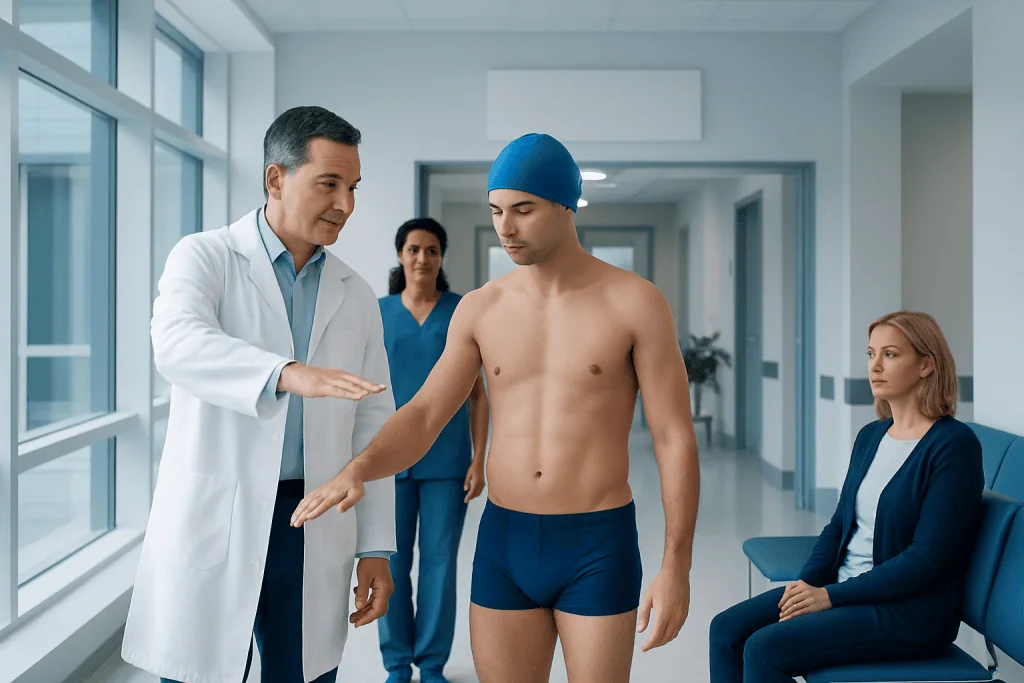
Most people learn how to swim by practicing breath control, floating, kicking, and basic strokes in a gradual way. Early difficulty in the water is common and often improves with structured lessons and repeated practice.
Key Takeaways
- Most people learn how to swim by practicing breath control, floating, kicking, and basic strokes in a gradual way.
- Early difficulty in the water is common and often improves with structured lessons and repeated practice.
- Chest pain, severe shortness of breath, fainting, major ear pain, or sudden weakness while swimming should be medically assessed.
- A doctor may look for respiratory, heart, ear, neurological, or musculoskeletal causes if symptoms happen in or after the water.
- Safe swimming includes supervision, proper technique, gradual conditioning, and avoiding water when unwell or overly tired.
How to swim usually begins with learning to float, breathe calmly, and move through the water in simple, repeatable steps. For most people, trouble learning is not a medical problem, but pain, breathing difficulty, dizziness, or panic in the water can sometimes point to an issue worth discussing with a doctor.
Overview: how to swim and why it sometimes feels difficult
How to swim can be answered simply: a person first learns to feel safe in the water, then practices floating, controlled breathing, kicking, and one basic stroke at a time. Many beginners expect swimming to feel natural right away, but it usually takes repetition, coordination, and confidence. Difficulty at first is very common and, in most cases, does not mean anything is medically wrong.
Swimming combines several body systems at once. The lungs must coordinate breathing rhythm, the arms and legs must move in sequence, and the ears and eyes help with balance and orientation. Because water changes how the body moves and breathes, even physically fit people may feel awkward at the beginning.
Most problems during early learning improve with patient instruction, shallow-water practice, and calm pacing. Still, some symptoms in the pool should not be ignored. Red flags include chest pain, marked shortness of breath, wheezing, fainting, severe dizziness, sudden weakness, or intense ear pain. These symptoms are not typical parts of learning and deserve medical review.
If a person seeks medical advice, the doctor usually starts by asking exactly what happens in the water, how long symptoms last, whether they occur only during exercise, and whether there is a history of asthma, ear disease, heart disease, anxiety, or injury. From there, the evaluation may focus on technique-related issues, conditioning, or a medical cause that needs treatment.
The basic steps to learn swimming

For most beginners, the safest path is to break swimming into small skills rather than trying to master a full stroke immediately. Learning often starts at the pool edge or in shallow water with support from a qualified instructor. The goal is not speed but calm control.
Breathing is usually the first key skill. A beginner practices inhaling through the mouth above water and exhaling slowly into the water through the nose or mouth. This helps reduce panic and prevents the instinct to hold the breath too long, which can make the body tense and tired.
Floating comes next. With the head supported at first if needed, a person learns to relax the neck, spread the body out, and let the lungs help buoyancy. Kicking can then be practiced while holding the pool edge or a float, followed by simple arm movements. Common beginner strokes include front crawl basics, back float to backstroke, and a simplified breaststroke pattern.
- Start in shallow water with supervision.
- Practice putting the face in the water and blowing bubbles.
- Learn front and back floating before full strokes.
- Add kicking, then arm movements, then side breathing.
- Use short sessions to avoid fatigue and frustration.
Why swimming may feel hard: common harmless explanations

Many non-medical reasons can make swimming feel difficult. Fear of water is one of the most common. Even mild anxiety can cause muscle tension, fast breathing, and a feeling of sinking. This can improve significantly with gradual exposure, a trusted instructor, and repeated success in shallow water.
Poor breath timing is another frequent issue. Beginners often lift the head too high to breathe, which drops the hips and legs. This creates drag and makes the body feel heavy in the water. Once breathing rhythm improves, swimming usually becomes easier and more efficient.
Body position and coordination also matter. Stiff ankles can limit kicking, weak core control can affect floating, and trying to move too fast can disrupt stroke timing. Fatigue, dehydration, and lack of conditioning may add to the problem, especially in adults who are learning later in life.
Ear fullness after swimming, mild skin irritation from chlorine, and temporary muscle soreness can happen as well. These are often minor, but persistent symptoms should still be discussed with a clinician. If ear pain or repeated infections occur, a doctor may assess for issues such as ear infection.
Symptoms during swimming that may suggest a medical issue
Some symptoms in the water are not simply part of learning. Shortness of breath that is out of proportion to effort, chest tightness, wheezing, or coughing may suggest an airway problem such as exercise-related asthma or another respiratory condition. In some people, pool chemicals can irritate sensitive airways. If symptoms are frequent, a doctor may evaluate for asthma or another lung condition.
Dizziness, fainting, palpitations, or chest pain while swimming need prompt medical attention. These may relate to dehydration or overexertion, but they can also point to a heart rhythm issue, blood pressure changes, or another cardiovascular cause. Symptoms that begin suddenly, especially with exertion, should not be dismissed.
Pain in the shoulder, neck, or lower back may come from technique, overuse, or a preexisting musculoskeletal problem. Repetitive overhead motion can strain the shoulder, while kicking may aggravate the hips or lower spine. If pain persists, activity modification and medical evaluation may be appropriate.
Occasionally, balance problems, unusual weakness, numbness, or poor coordination can interfere with swimming. These symptoms may stem from an inner ear issue, neurological disorder, or another medical problem. When symptoms are new, one-sided, or progressive, a doctor should assess them carefully.
How doctors evaluate swimming-related symptoms
When someone has trouble in the water beyond normal beginner difficulty, the medical assessment usually begins with a detailed history. The doctor may ask whether symptoms happen only while swimming or also during walking, running, or climbing stairs. They may ask about prior fainting, allergies, wheezing, ear infections, panic symptoms, shoulder injuries, and current medicines.
A physical examination often includes listening to the heart and lungs, checking oxygenation, examining the ears and nose, and assessing the muscles and joints. Depending on the symptoms, a clinician may also check balance, coordination, strength, and reflexes. This helps separate a technique issue from a medical condition.
Further testing depends on the pattern of symptoms. Possible evaluations include lung function testing, heart tracing, exercise assessment, ear examination, or imaging if injury is suspected. For people with repeated respiratory or exercise-related symptoms, breathing assessment can be especially helpful. In some cases, structured medical check-up planning can guide the next steps.
If pain or sports-related strain is the main concern, rehabilitation-based assessment may be recommended. A supervised program such as physical therapy and rehabilitation can help improve movement patterns, strength, and flexibility, especially when shoulder or back discomfort limits swimming.
Treatment options and practical next steps
The right next step depends on the cause. If the difficulty is mainly due to inexperience, formal swimming lessons are often the most effective solution. Good instruction can improve breathing rhythm, floating, body position, and confidence far more quickly than repeated trial and error alone.
When a medical issue is identified, treatment focuses on that condition. Respiratory symptoms may be managed by addressing triggers and improving airway control. Ear problems may need protection from water or treatment of infection or inflammation. Musculoskeletal pain may improve with rest, technique correction, and strengthening.
Some people benefit from broader conditioning before spending longer periods in the pool. Walking, cycling, stretching, and core exercises may make swimming easier and less tiring. If fatigue, poor exercise tolerance, or unexplained symptoms continue, a clinician may recommend more targeted evaluation, sometimes alongside supportive care such as cardiac rehabilitation or other exercise guidance when appropriate.
For people with recurrent breathing trouble, chest discomfort, or exercise intolerance, specialist input can be helpful. If an underlying heart problem is suspected, assessment linked to cardiology care may be part of a safe return-to-exercise plan.
Prevention, self-care, and safer swimming habits
Safer swimming starts before entering the water. Beginners usually do best with a calm environment, a trained instructor, and a pool depth that feels manageable. Warming up gently can reduce sudden breathlessness and muscle strain, while staying hydrated supports comfort during exercise.
Technique matters more than force. Relaxed breathing, a neutral head position, and short practice sets often work better than trying to push through fatigue. Rest breaks are sensible, especially for children, older adults, and anyone returning to activity after illness or injury.
It also helps to avoid swimming alone, particularly for inexperienced swimmers or people with medical conditions. Anyone with known asthma, seizures, heart disease, or diabetes should discuss water safety and exercise planning with their doctor. Ear protection, appropriate goggles, and post-swim drying of the ears may reduce irritation for some people.
Near the end of the care journey, some individuals may seek multidisciplinary support if symptoms persist or if they need coordinated specialist review. Acibadem International’s multidisciplinary specialists in JCI-accredited hospitals diagnose and treat swimming-related medical concerns for international patients when further assessment is needed.
When to seek medical care
Medical care is recommended if a person develops chest pain, fainting, severe shortness of breath, blue lips, confusion, or sudden weakness in the water. These symptoms are not expected during normal learning and should be treated as urgent, especially if they happen repeatedly or with minimal exertion.
A non-urgent medical appointment is sensible for wheezing, coughing after swimming, persistent ear pain, repeated dizziness, palpitations, or shoulder and back pain that keeps returning. A doctor can help determine whether the cause is technique-related, due to overuse, or linked to a respiratory, heart, ear, or neurological problem.
Parents should seek review if a child avoids swimming because of pain, frequent breathlessness, panic that does not improve with instruction, or repeated ear infections after pool use. Adults should also be assessed if they have a known chronic condition and notice a clear change in their tolerance of water exercise.
In general, learning how to swim should become easier with practice, not steadily harder. If symptoms are persistent, worsening, or concerning, professional guidance is the safest next step.
Frequently asked questions
How to swim if someone is a complete beginner?
A complete beginner usually starts by getting comfortable in shallow water, learning to blow bubbles, and practicing floating with support. Kicking and simple arm movements are then added gradually. Structured lessons with a qualified instructor often make the process safer and less stressful.
Is it normal to feel out of breath when learning how to swim?
Mild breathlessness can happen at first because swimming changes breathing rhythm and uses many muscle groups at once. It often improves as technique and fitness improve. However, wheezing, chest tightness, or marked shortness of breath should be discussed with a doctor.
Why does someone sink even when trying hard to swim?
Sinking is often related to body position, tension, or poor breath timing rather than a lack of effort. Lifting the head too high and holding the breath can make the legs drop. Relaxation, floating practice, and coached technique usually help.
Can adults learn how to swim later in life?
Yes, many adults learn to swim successfully later in life. Adults may need more time to feel comfortable in the water, but gradual practice works well. If pain, dizziness, or unusual breathlessness interferes, medical advice may be useful.
When is difficulty swimming a medical problem rather than a technique problem?
Difficulty is more likely to need medical review when it comes with chest pain, fainting, severe breathlessness, wheezing, dizziness, palpitations, or persistent pain. Repeated symptoms that do not improve with instruction also deserve attention. A doctor can help determine whether the issue is physical, respiratory, cardiovascular, neurological, or simply technical.
What should a person do if ear pain starts after swimming?
The person should stop swimming until the ear is assessed if the pain is significant, especially if there is drainage, fever, or reduced hearing. Mild irritation may settle, but persistent symptoms can suggest infection or inflammation. A clinician can advise on treatment and on safe return to the water.
References
- World Health Organization
- Centers for Disease Control and Prevention
- American Academy of Pediatrics
- American Heart Association
- American College of Sports Medicine
This article is for general information only and is not a substitute for professional medical advice. Please consult a qualified doctor about your individual situation.
Explore treatments in Turkey — costs, top hospitals & a free quote
JCI-accredited · board-certified surgeons · reply within 24h
Add us as a Preferred Source to see more of our trusted health content across Google Search, AI Overviews and Discover.
Check your numbers in seconds
BMI, calories, due date, blood pressure and 30+ more clinical calculators — free, instant, doctor-reviewed ranges.