

How to Treat Pneumonia? Here Is What the Evidence Says

Pneumonia treatment is based on the cause, severity, and the patient’s overall health. Mild cases may improve with rest, fluids, fever control, and monitoring, but bacterial pneumonia may require antibiotics.
Key Takeaways
- Pneumonia treatment is based on the cause, severity, and the patient’s overall health.
- Mild cases may improve with rest, fluids, fever control, and monitoring, but bacterial pneumonia may require antibiotics.
- Shortness of breath, chest pain, confusion, bluish lips, or worsening symptoms need urgent medical review.
- Doctors diagnose pneumonia using symptoms, a physical exam, oxygen measurement, and sometimes chest imaging or lab tests.
- Recovery can take time even after treatment starts, so rest and follow-up are important.
How to treat pneumonia depends on what is causing the infection, how severe it is, and the person’s age and overall health. Many people recover well with timely medical advice, supportive care, and close follow-up, while certain warning signs mean a doctor should assess symptoms promptly.
Overview: how to treat pneumonia
How to treat pneumonia depends on whether the infection is likely to be bacterial, viral, or less commonly fungal, as well as how sick the person feels and whether oxygen levels are affected. Many mild cases can be managed safely with supportive care and medical guidance, but some people need prescription treatment or hospital-based support.
Pneumonia is an infection of the lungs that causes inflammation in the air sacs. These air sacs may fill with fluid or pus, making breathing more difficult and leading to symptoms such as cough, fever, fatigue, and chest discomfort. The illness can range from mild to severe, which is why treatment plans are not the same for everyone.
A reassuring point is that many otherwise healthy adults recover fully, especially when the problem is recognized early and managed appropriately. At the same time, very young children, older adults, pregnant people, and those with chronic lung disease, heart disease, diabetes, weakened immunity, or cancer may face a higher risk of complications and should be assessed more carefully.
When to seek medical care
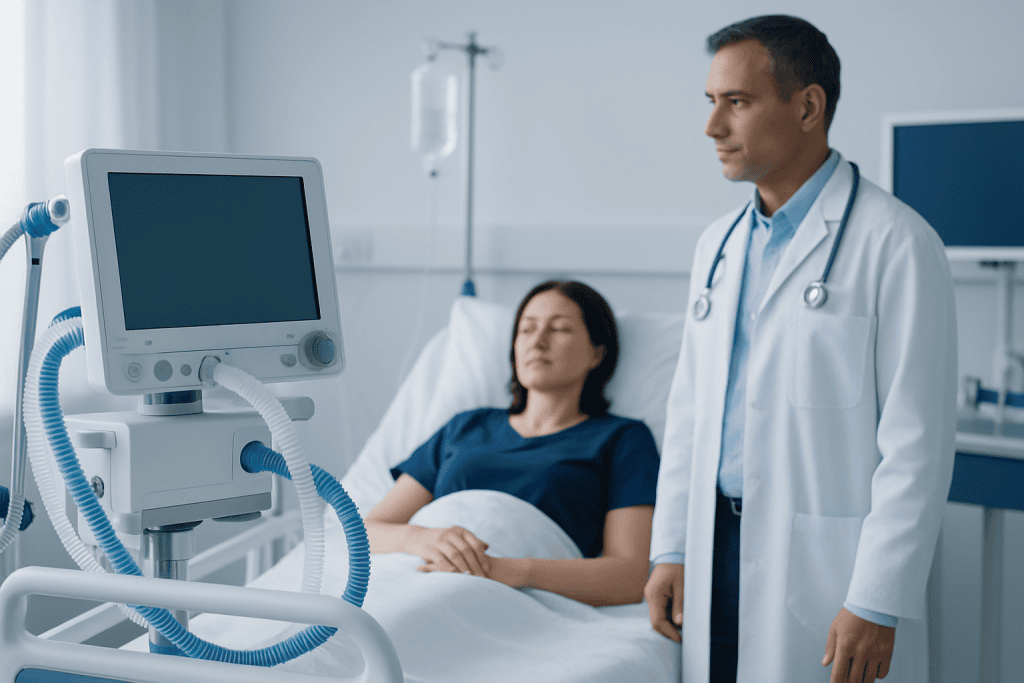
Many coughs and chest infections improve on their own, but pneumonia can sometimes become serious. Medical review is important if a person has breathing difficulty, fast breathing, high or persistent fever, chest pain with breathing or coughing, marked weakness, dehydration, or symptoms that are getting worse instead of better.
Urgent care is especially important if there is confusion, drowsiness, bluish lips or fingertips, low oxygen levels if measured at home, or severe shortness of breath. Infants, older adults, and people with chronic illness may show less typical symptoms, such as reduced appetite, worsening confusion, or sudden decline in daily functioning.
This early assessment matters because treatment is guided not only by symptoms but also by severity. Doctors look for signs that suggest a person can recover at home versus signs that point to a need for imaging, oxygen support, intravenous medicines, or observation in hospital.
Common symptoms and what they can mean
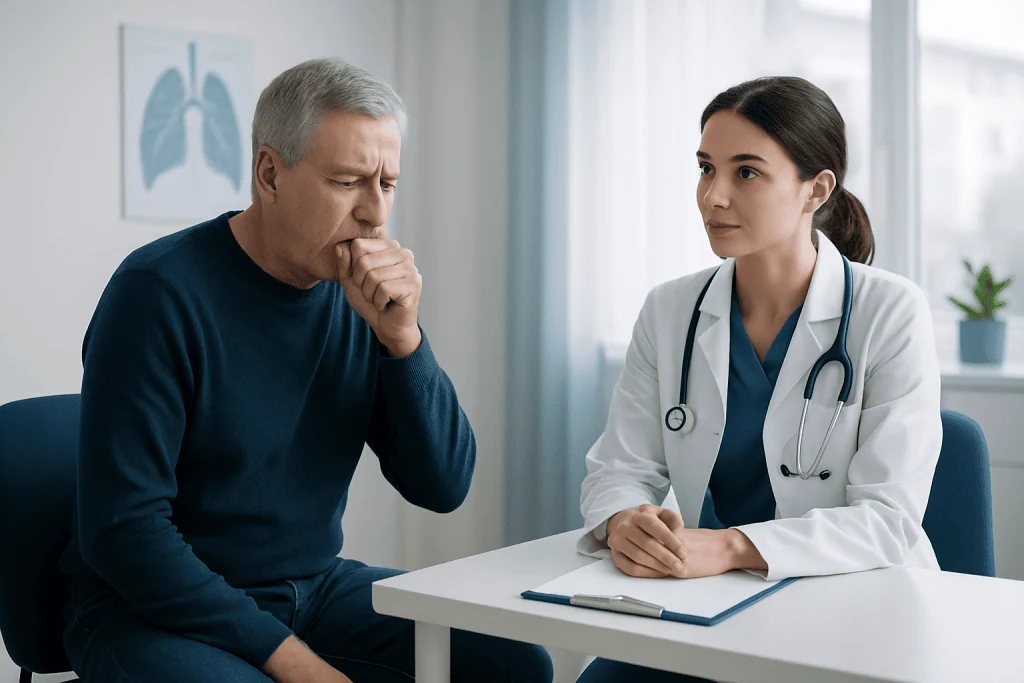
Pneumonia often causes cough, fever, chills, tiredness, and shortness of breath. Some people bring up phlegm, while others have a dry cough. Chest pain that feels sharper when taking a deep breath can also occur because the lining around the lungs may become irritated.
Symptoms do not always follow the same pattern. Viral pneumonia may begin more gradually with fever, muscle aches, and cough, while bacterial pneumonia can start suddenly with high fever and productive cough. In older adults, confusion or weakness may be more noticeable than fever.
Symptoms that may suggest a more significant illness include:
- Shortness of breath during simple activities or at rest
- Persistent fever or fever returning after initial improvement
- Rapid heartbeat or rapid breathing
- Coughing up rusty, yellow, green, or blood-streaked mucus
- New confusion, faintness, or inability to keep fluids down
Because these symptoms can overlap with other conditions, pneumonia is not diagnosed by cough alone. Similar symptoms may be seen in bronchitis or influenza, while persistent breathlessness may overlap with conditions such as asthma in some patients.
What causes pneumonia and who is at higher risk
Pneumonia is most often caused by infections. Bacteria are a common cause of community-acquired pneumonia in adults, while viruses such as influenza and respiratory syncytial virus can also lead to pneumonia. Fungal pneumonia is less common and tends to occur in people with particular environmental exposures or weakened immune systems.
Sometimes pneumonia develops after a cold or flu, when the lungs become more vulnerable to infection. It may also follow aspiration, which means food, liquid, or stomach contents enter the lungs. This can happen more easily in people with swallowing difficulties, reduced consciousness, or certain neurological conditions.
Risk factors that can increase the chance of pneumonia or a more severe course include:
- Age under 5 or older adulthood
- Smoking or exposure to air pollutants
- Chronic lung disease, including COPD or asthma
- Heart disease, diabetes, kidney disease, or liver disease
- Weakened immunity due to illness or medication
- Recent viral infection, hospitalization, or surgery
Knowing these risks helps doctors choose the safest treatment plan and decide how closely recovery should be monitored.
How doctors diagnose pneumonia
Doctors diagnose pneumonia by combining the story of the illness with physical examination findings. They ask about fever, cough, breathing difficulty, sick contacts, recent travel, smoking history, chronic diseases, and how quickly symptoms have developed. During the examination, they listen to the lungs for crackles or reduced breath sounds and check temperature, pulse, breathing rate, and oxygen levels.
If pneumonia is suspected, a chest X-ray is often used to look for areas of lung infection, especially when symptoms are moderate to severe or the diagnosis is uncertain. Some people may need blood tests, sputum testing, or viral swabs, particularly if they are very unwell, have risk factors for resistant infection, or need hospital care. In selected cases, chest X-ray imaging and more advanced CT scanning may help clarify complications or rule out other causes of symptoms.
Oxygen measurement is an important part of the assessment because it shows how well the lungs are working. Doctors may also use severity tools along with clinical judgment to decide whether home treatment is suitable or whether observation and treatment in hospital would be safer.
Treatment options: home care, medicines, and hospital care
The evidence-based approach to pneumonia treatment starts with matching care to the cause and severity. Mild viral pneumonia may improve with rest, fluids, fever control, and careful monitoring. If bacterial pneumonia is suspected or confirmed, a doctor may prescribe antibiotics. Antibiotics do not treat viral pneumonia, so they are used only when clinically appropriate.
Supportive care is important in nearly all cases. This usually includes drinking enough fluids, resting, avoiding smoking, and using doctor-recommended medicines to help with fever or aches. Cough is part of how the body clears the lungs, so cough suppressants are not right for everyone; a clinician can advise on whether they are suitable.
Some people need hospital treatment. This may be necessary if oxygen levels are low, breathing is labored, oral medicines or fluids cannot be kept down, or there are signs of complications such as sepsis, pleural effusion, or worsening respiratory failure. Hospital treatment can include oxygen, intravenous fluids, intravenous antibiotics when indicated, and close monitoring. In some cases, doctors may recommend bronchoscopy if there is concern about blockage, unusual infection, or the need to sample the airways.
Recovery often continues after the first few days of treatment. Fever may settle before energy returns fully, and cough can last for several weeks. Follow-up is especially important if symptoms are not improving as expected or if there is underlying pneumonia risk from chronic illness or recurrent infections.
Self-care during recovery and preventing pneumonia
During recovery, pacing is important. Many people feel better gradually rather than all at once, so it helps to rest, return to activity slowly, and avoid overexertion. Good hydration and regular meals support recovery, and smoking or vaping should be avoided because they can irritate healing lungs.
People should complete prescribed treatment exactly as directed and attend follow-up appointments if advised. A doctor may recommend repeat imaging or reassessment for some patients, especially older adults, smokers, or those whose symptoms linger. Worsening cough, fever returning after improvement, increased breathlessness, or new chest pain should not be ignored.
Prevention focuses on lowering exposure and improving lung resilience. Helpful steps include vaccination when recommended, hand hygiene, avoiding tobacco smoke, managing chronic conditions well, and seeking timely care for severe flu-like illness. In people who need it, supportive respiratory evaluation and pulmonary rehabilitation may help restore exercise tolerance after a significant lung infection.
For international patients who need specialist evaluation, Acibadem International’s multidisciplinary teams and JCI-accredited hospitals diagnose and treat respiratory infections and related complications with coordinated care.
Frequently asked questions
Can pneumonia go away without antibiotics?
Sometimes, yes. If pneumonia is caused by a virus and the illness is mild, supportive care such as rest, fluids, and symptom control may be enough. However, bacterial pneumonia often needs antibiotics, so a doctor should decide the most appropriate treatment.
How long does it take to recover from pneumonia?
Recovery time varies from person to person. Fever may improve within a few days of effective treatment, but tiredness and cough can last for several weeks. Older adults and people with other health conditions may need more time to return to their usual energy level.
Is pneumonia contagious?
The germs that cause pneumonia can be contagious, especially viruses and some bacteria. This does not mean everyone exposed will develop pneumonia, but close contact can spread the infection. Hand washing, covering coughs, and staying home when ill can reduce spread.
What is the difference between pneumonia and bronchitis?
Bronchitis affects the airways, while pneumonia affects the lung tissue itself. Both can cause cough, but pneumonia is more likely to cause fever, shortness of breath, chest pain, and visible changes on a chest X-ray. A medical assessment may be needed to tell them apart.
When should someone go to the hospital for pneumonia symptoms?
Hospital assessment is important if there is severe shortness of breath, low oxygen, confusion, bluish lips, dehydration, or chest pain that is significant or worsening. People with weakened immunity, older age, or serious chronic illness should seek care earlier because complications can develop more quickly.
Can someone exercise while recovering from pneumonia?
Light movement may be reasonable once symptoms begin to improve, but strenuous exercise should usually wait until breathing, fever, and energy levels have recovered. Returning too quickly can prolong fatigue. A doctor can advise when activity can be increased safely.
References
- World Health Organization
- Centers for Disease Control and Prevention
- National Heart, Lung, and Blood Institute
- American Lung Association
- Infectious Diseases Society of America
This article is for general information only and is not a substitute for professional medical advice. Please consult a qualified doctor about your individual situation.
Pneumonia in Turkey — costs, top hospitals & a free quote
JCI-accredited · board-certified surgeons · reply within 24h
Add us as a Preferred Source to see more of our trusted health content across Google Search, AI Overviews and Discover.

More from the Health Library



Related Specialists

Dr. Cennet Nalan Soyder
Neurology
Prof. Dr. Yunus Aydın
Neurosurgery
Prof. Dr. Alper Fındıkcioğlu
Thoracic Surgery
Assoc. Prof. Dr. Baki Erdem
Gynecology & Obstetrics