Hyperarousal: A Complete Medical Overview

Hyperarousal means the nervous system stays in a heightened state of alertness. Common signs include poor sleep, irritability, restlessness, jumpiness, racing thoughts, and trouble concentrating.
Key Takeaways
- Hyperarousal means the nervous system stays in a heightened state of alertness.
- Common signs include poor sleep, irritability, restlessness, jumpiness, racing thoughts, and trouble concentrating.
- It can be linked to anxiety disorders, post-traumatic stress, chronic stress, substance use, and sleep disorders.
- Diagnosis focuses on the underlying cause rather than a single test for hyperarousal itself.
- Treatment may include psychotherapy, sleep-focused care, stress reduction, and sometimes medication.
Hyperarousal is a state in which the body and mind remain unusually alert, tense, or reactive even when there is no immediate danger. It is not a disease itself, but a pattern of nervous system overactivation that can occur with stress, trauma-related conditions, anxiety, sleep problems, and some medical or mental health disorders.
Overview: what hyperarousal means
Hyperarousal is a persistent state of increased physical and mental activation. A person may feel constantly on guard, easily startled, tense, or unable to fully relax. In everyday terms, the body’s “alarm system” behaves as if it needs to stay switched on, even when the situation is safe.
This response is part of normal human biology in the short term. During stress or danger, the nervous system prepares the body to react by increasing alertness, muscle tension, heart rate, and attention to possible threats. Hyperarousal becomes a health concern when this state continues for long periods, interferes with sleep, affects mood and concentration, or disrupts work, relationships, and quality of life.
Hyperarousal is not a formal diagnosis on its own. Instead, it is a symptom pattern that can appear in several conditions, especially anxiety disorders, trauma-related disorders such as post-traumatic stress disorder (PTSD), and some sleep disorders. Understanding the underlying cause is the key step in choosing the right treatment.
How hyperarousal can feel and look
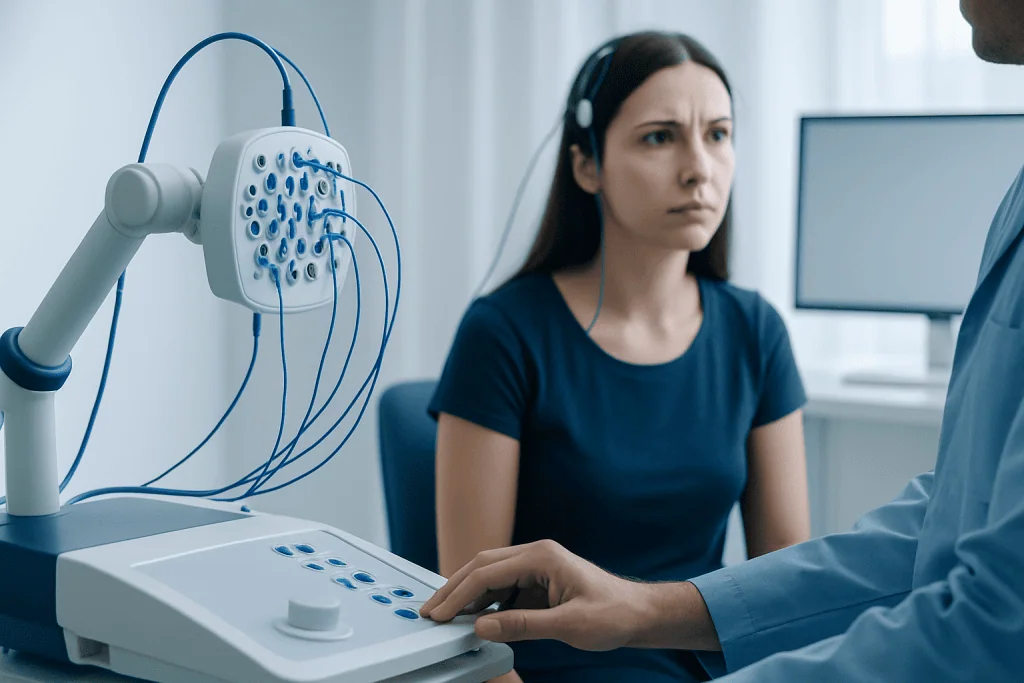
People experience hyperarousal in different ways. Some mainly notice body symptoms, such as a racing heartbeat, sweating, muscle tightness, shallow breathing, or stomach discomfort. Others are more aware of mental symptoms, including racing thoughts, constant worry, feeling unable to “switch off,” or being overly sensitive to sounds, conflict, or unexpected changes.
Sleep disturbance is especially common. A person may have trouble falling asleep, wake frequently, or feel alert at night despite being tired. Over time, poor sleep can intensify hyperarousal, creating a cycle in which the nervous system remains activated and the body gets fewer chances to recover.
Behavior changes may also appear. These can include avoiding busy places, staying unusually watchful, becoming irritable, reacting strongly to minor stressors, or having difficulty focusing on tasks. Some people feel emotionally drained but still unable to rest, which can be confusing and frustrating.
- Feeling constantly tense or “on edge”
- Being easily startled by noises or touch
- Difficulty falling or staying asleep
- Restlessness, irritability, or anger outbursts
- Racing thoughts and poor concentration
- Physical symptoms such as palpitations, sweating, or tight muscles
Common causes and related conditions

Hyperarousal can develop for many reasons, and it often has more than one contributing factor. Psychological stress is a common trigger. Ongoing pressure at work, caregiving strain, major life changes, grief, relationship conflict, or prolonged uncertainty can keep the body in a heightened stress response.
Trauma is another important cause. After a frightening or overwhelming experience, the brain may remain highly alert to possible danger. This is why hyperarousal is a well-recognized feature of trauma-related conditions, especially PTSD. Anxiety conditions, including panic attacks and generalized anxiety, can also produce a similar pattern of nervous system overactivation.
Sleep disorders may either contribute to or result from hyperarousal. Persistent insomnia is often closely linked with a body and mind that remain too activated for restful sleep. In some cases, a specialist may recommend an evaluation for sleep problems or treatment approaches such as sleep disorders treatment when poor sleep is a major part of the picture.
Other contributors can include stimulants such as caffeine, nicotine, or some medications, alcohol or substance misuse, chronic pain, hormone changes, and certain medical conditions that raise physical stress responses. Because many causes can overlap, a broad clinical assessment is often more useful than focusing on one symptom alone.
Risk factors and why hyperarousal may persist
Some people are more likely than others to develop persistent hyperarousal. A personal or family history of anxiety, depression, trauma exposure, or sleep difficulties may increase vulnerability. Repeated stress without adequate recovery time can also make the nervous system more reactive over time.
Hyperarousal may persist because the brain begins to expect threat, even in ordinary situations. The person then becomes more sensitive to internal cues such as a rapid heartbeat or external cues such as noise, crowds, or reminders of past stress. This can lead to a self-reinforcing loop in which physical sensations create more worry, and worry creates more physical activation.
Lifestyle factors matter as well. Irregular sleep, heavy caffeine intake, little exercise, constant screen exposure late at night, and limited social support can all make it harder for the body to return to a calmer baseline. Recognizing these patterns is not about blame; it helps identify practical targets for treatment and recovery.
How doctors diagnose hyperarousal
There is no single laboratory test that diagnoses hyperarousal by itself. Diagnosis begins with a careful medical history and symptom review. A doctor will usually ask when symptoms started, how often they occur, how they affect sleep and daily life, and whether there has been recent stress, trauma, medication changes, or substance use.
Because hyperarousal can overlap with other conditions, the main goal is to identify or rule out the underlying cause. Depending on the symptoms, the evaluation may include screening for anxiety disorders, trauma-related disorders, insomnia, depression, and panic symptoms. In some cases, basic medical testing may be used to look for physical contributors such as thyroid problems, heart rhythm issues, medication effects, or other health concerns.
If sleep problems are prominent, a clinician may assess sleep habits in detail or refer the person for sleep-focused evaluation and care. When significant anxiety symptoms are present, anxiety treatment may be part of the plan. The process is individualized, with attention to both emotional and physical health.
Treatment options for hyperarousal
Treatment works best when it addresses the reason the nervous system is staying activated. For many people, psychological therapies are a central part of care. Cognitive behavioral therapy and other evidence-based approaches can help reduce threat sensitivity, improve coping skills, challenge unhelpful thought patterns, and support better sleep. Trauma-focused therapy may be recommended when symptoms are tied to traumatic experiences.
Sleep improvement is often essential. Good sleep habits, a regular schedule, and structured approaches to insomnia can help break the cycle between hyperarousal and poor rest. If symptoms occur as part of broader emotional distress, a doctor may suggest psychiatric assessment and treatment to review therapy options, coexisting conditions, and whether medication may be helpful.
Medications are not the right choice for everyone, but they may be considered in selected cases, especially when symptoms are severe, persistent, or linked to anxiety, depression, trauma-related symptoms, or insomnia. The type of medication depends on the full clinical picture, and decisions should be made with a qualified clinician who can explain benefits, limitations, and possible side effects.
Self-regulation strategies can complement professional treatment. These may include breathing exercises, relaxation training, mindfulness, regular physical activity, reduced stimulant use, and a stable daily routine. In many people, recovery is gradual rather than immediate, but meaningful improvement is common when care is consistent and individualized.
Prevention and self-care strategies
Not all hyperarousal can be prevented, especially when it is related to trauma or major illness. Still, daily habits can support a healthier stress response and reduce the likelihood that temporary stress becomes persistent overactivation. A predictable routine, balanced nutrition, regular movement, and adequate sleep all help the nervous system recover.
Sleep hygiene can be particularly useful. Helpful steps include going to bed and waking up at similar times, keeping the bedroom dark and quiet, limiting alcohol close to bedtime, and reducing screen use late in the evening. Many people also benefit from limiting caffeine, especially in the afternoon and evening.
Stress management does not mean eliminating all stress. It means building recovery into daily life. Short breaks, relaxation exercises, counseling, social support, and realistic boundaries around work or caregiving can lower the body’s overall stress load. For people with persistent symptoms, self-care should support rather than replace medical evaluation.
Near the end of the care pathway, some patients seek coordinated support from centers with mental health, neurology, and sleep expertise. Acibadem International’s multidisciplinary specialists in JCI-accredited hospitals evaluate and treat hyperarousal-related conditions for international patients when a broader assessment is needed.
When to seek medical care
Medical care is appropriate if hyperarousal lasts for more than a few weeks, repeatedly disrupts sleep, causes distress, or begins to affect work, study, relationships, or daily functioning. It is also wise to seek help if symptoms follow a traumatic event, occur together with panic episodes, or lead to avoidance of normal activities.
A prompt medical assessment is important if symptoms include chest pain, fainting, severe shortness of breath, new confusion, or other concerning physical changes, because these may have causes beyond stress. Urgent help is also needed if a person feels unsafe, has thoughts of self-harm, or is unable to care for themselves.
Seeing a doctor does not mean the symptoms are “all in the mind.” Hyperarousal sits at the intersection of the brain, body, sleep, and emotional health. A careful evaluation can clarify the cause and guide safe, effective treatment.
Frequently asked questions
Is hyperarousal the same as anxiety?
No. Hyperarousal is a pattern of heightened alertness and nervous system activation, while anxiety is a broader emotional and physical state that can include worry, fear, and avoidance. Anxiety can cause hyperarousal, but hyperarousal can also occur with trauma, sleep disorders, and other conditions.
Can hyperarousal cause insomnia?
Yes. Hyperarousal often makes it hard to fall asleep, stay asleep, or feel rested because the body remains too alert for normal sleep. Poor sleep can then worsen hyperarousal, creating a cycle that may need targeted treatment.
How long can hyperarousal last?
The duration varies widely. It may last a short time after a stressful event, or it may continue for weeks or months if the underlying cause is ongoing or untreated. Persistent symptoms should be discussed with a qualified doctor.
Can hyperarousal happen after trauma?
Yes. After trauma, the brain may stay highly sensitive to possible danger, leading to startle responses, vigilance, sleep problems, and tension. This can be part of a trauma-related condition, including PTSD, but a proper assessment is needed for diagnosis.
Are there physical symptoms of hyperarousal?
Yes. Many people notice a fast heartbeat, sweating, shaky feelings, muscle tension, upset stomach, headaches, or shallow breathing. Because these symptoms can overlap with other medical conditions, they should be evaluated in context.
What kind of doctor treats hyperarousal?
Care may involve a primary care doctor, psychiatrist, psychologist, neurologist, or sleep specialist, depending on the symptoms and likely cause. Many patients benefit from a multidisciplinary approach, especially when sleep, anxiety, and trauma-related symptoms overlap.
This article is for general information only and is not a substitute for professional medical advice. Please consult a qualified doctor about your individual situation.
Explore treatments in Turkey — costs, top hospitals & a free quote
JCI-accredited · board-certified surgeons · reply within 24h
Add us as a Preferred Source to see more of our trusted health content across Google Search, AI Overviews and Discover.
Check your numbers in seconds
BMI, calories, due date, blood pressure and 30+ more clinical calculators — free, instant, doctor-reviewed ranges.

More from the Health Library

Bruising Easily: An Evidence-Based Guide for Patients

Laparoscopic surgery: Symptoms, Causes, and Treatment — Complete Patient Guide

Candida Albicans: A Complete Medical Overview

Tolterodine — Explained by Medical Evidence, Not Myths

Halo Top Ice Cream: A Complete Medical Overview