Laparoscopic surgery: Symptoms, Causes, and Treatment — Complete Patient Guide

Laparoscopic surgery uses small incisions and a camera to perform many abdominal and pelvic operations. It is a technique, not a disease, and it may be used to diagnose or treat several different conditions.
Key Takeaways
- Laparoscopic surgery uses small incisions and a camera to perform many abdominal and pelvic operations.
- It is a technique, not a disease, and it may be used to diagnose or treat several different conditions.
- Compared with open surgery, it often reduces pain, scarring, blood loss, and recovery time.
- Not every patient or condition is suitable for laparoscopy, and some procedures may need conversion to open surgery.
- Preparation, experienced surgical care, and following recovery instructions help improve safety and outcomes.
Laparoscopic surgery is a minimally invasive surgical technique that uses small cuts, a camera, and specialized instruments to diagnose or treat conditions inside the abdomen or pelvis. For many patients, it can mean less pain, shorter hospital stays, and a quicker return to daily activities compared with traditional open surgery.
Overview: What laparoscopic surgery is
Laparoscopic surgery is a type of minimally invasive surgery. Instead of making one large cut, the surgeon usually works through several small incisions using a thin camera called a laparoscope and long, fine instruments. The camera sends images to a screen, helping the surgical team see inside the body and perform the operation with precision.
This approach is commonly used for conditions affecting the abdomen and pelvis. Examples include gallbladder disease, appendicitis, hernias, gynecologic conditions, and some bowel problems. In some cases, laparoscopy is used to confirm a diagnosis; in others, it is used to treat the problem during the same procedure.
Patients often search for “symptoms of laparoscopic surgery,” but the more accurate question is usually why laparoscopic surgery is being recommended. The symptoms come from the underlying condition, not from laparoscopy itself. For example, someone may need laparoscopic surgery because of abdominal pain from gallstones, pelvic pain from endometriosis, or acute pain from appendicitis.
Although laparoscopic surgery can offer important benefits, it is still a real operation and requires careful planning, anesthesia, and recovery. A surgeon decides whether it is suitable based on the patient’s health, the suspected condition, prior surgeries, and how complex the operation is expected to be.
Why it is done and what symptoms may lead to it
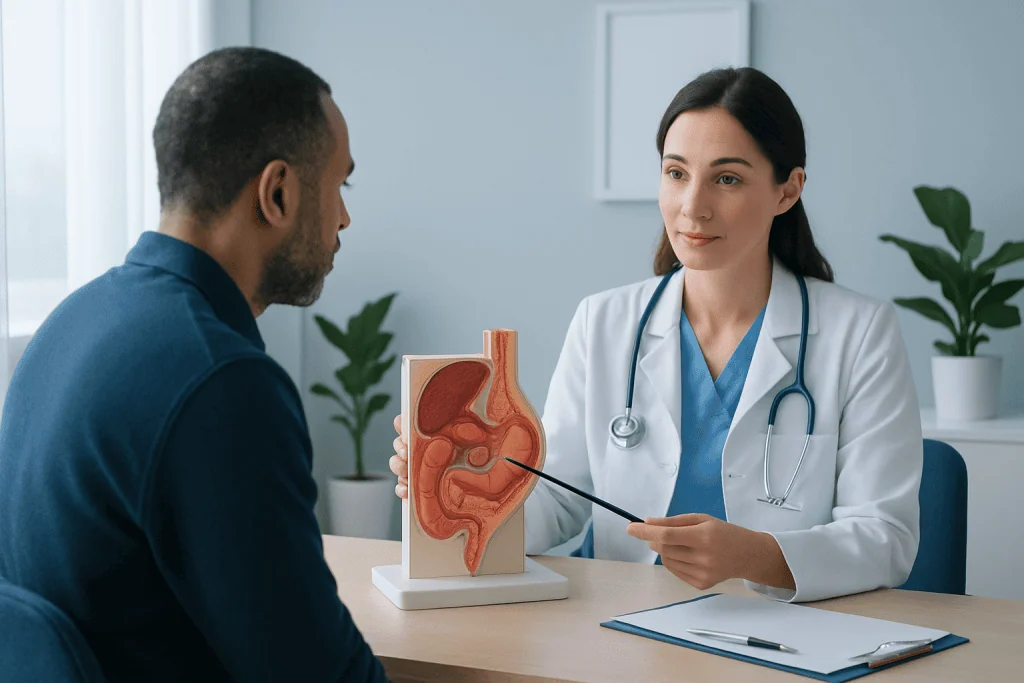
Laparoscopic surgery may be recommended when symptoms suggest a condition that needs surgical diagnosis or treatment. Common symptoms include ongoing abdominal pain, nausea, vomiting, bloating, pelvic pain, abnormal bleeding, a painful groin bulge, fever with localized tenderness, or digestive symptoms that do not improve with simpler treatment.
Sometimes imaging tests already show the cause, and laparoscopy is chosen as the treatment method. For example, it may be used for gallbladder removal in patients with recurring pain from gallstones, for surgical treatment of hernia, or for an operation related to ovarian cysts or endometriosis. In other cases, symptoms remain unclear despite scans and blood tests, and diagnostic laparoscopy can help identify the cause.
Common reasons laparoscopic surgery may be considered include:
- Gallstones or gallbladder inflammation
- Suspected or confirmed appendicitis
- Hernias in the groin or abdominal wall
- Endometriosis, ovarian cysts, or infertility evaluation
- Certain bowel conditions or adhesions
- Need for biopsy or direct inspection of abdominal organs
The exact symptoms depend on the condition being treated. A person with gallbladder disease may have pain after meals and nausea, while someone with appendicitis may have pain that worsens over hours and is accompanied by fever or loss of appetite. The role of laparoscopy is to provide access for diagnosis or treatment with smaller incisions than open surgery.
How laparoscopic surgery works
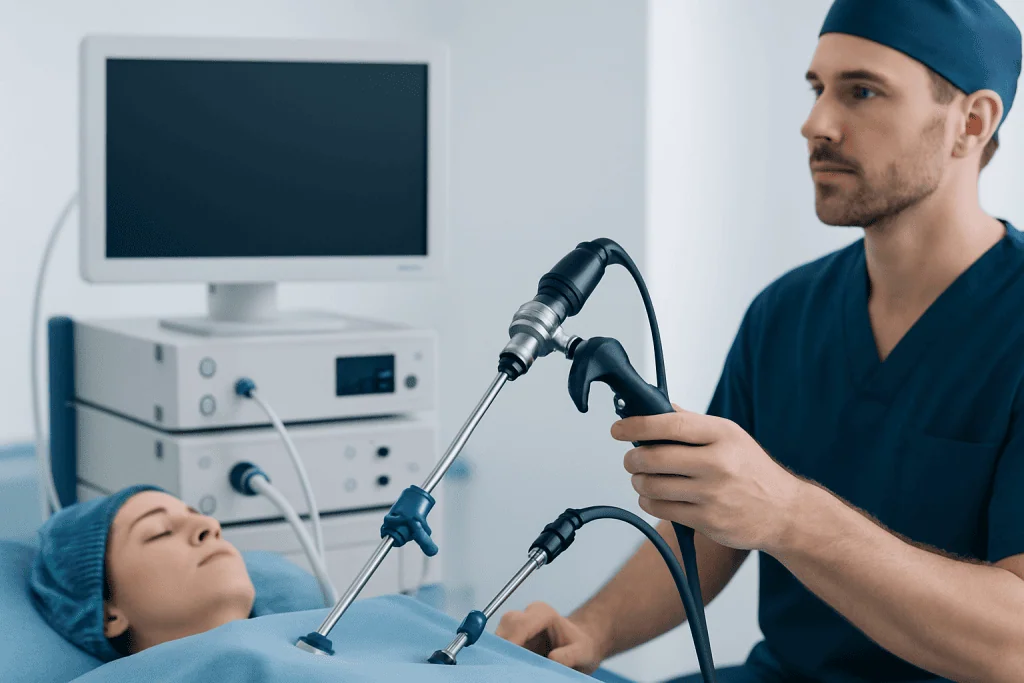
During laparoscopic surgery, the patient is usually under general anesthesia. After the skin is cleaned, the surgeon makes small incisions, often in the abdomen. Carbon dioxide gas is gently used to inflate the area so the organs can be seen more clearly and the instruments can move safely.
The laparoscope is inserted through one incision, and surgical instruments are introduced through the others. The surgeon watches a high-definition monitor while performing the procedure. Depending on the operation, tissue may be removed, repaired, biopsied, or treated through these small openings. Procedures such as gallbladder surgery and hernia repair are commonly performed this way when appropriate.
At the end of the operation, the instruments are removed, the gas is released, and the incisions are closed with stitches, glue, or small dressings. In some cases, the surgeon may decide to switch to an open operation during surgery. This is called conversion to open surgery and may be necessary for safety if there is bleeding, scarring, limited visibility, or more extensive disease than expected.
Laparoscopic surgery is sometimes discussed alongside robotic surgery. Both are minimally invasive approaches, but they are not identical. In robotic-assisted surgery, the surgeon controls robotic instruments from a console. Whether standard laparoscopy or another approach is recommended depends on the condition, available expertise, and what is safest for the patient.
Benefits, limitations, and possible risks
One reason laparoscopic surgery is widely used is that it can make recovery easier for many patients. Smaller incisions often mean less postoperative pain, reduced blood loss, shorter hospital stays, and smaller scars. Patients may also return to light daily activities sooner than after traditional open surgery, although the timeline still varies by procedure and individual health.
Even so, laparoscopy is not automatically the best option for every case. Previous abdominal surgeries can cause scar tissue that makes access more difficult. Severe infection, heavy internal bleeding, very large masses, or advanced disease may make open surgery more suitable. Some patients also have medical conditions that increase anesthesia or surgical risks regardless of the approach used.
Possible risks of laparoscopic surgery include:
- Bleeding
- Infection
- Reaction to anesthesia
- Injury to nearby organs, blood vessels, or nerves
- Blood clots
- Need to convert to open surgery
- Shoulder pain or bloating for a short time from the gas used during surgery
Most patients recover without serious problems, especially when surgery is carefully planned and performed by an experienced team. Before the operation, the surgeon explains the expected benefits, alternatives, and risks so the patient can make an informed decision.
Diagnosis, evaluation, and preparation before surgery
Before recommending laparoscopic surgery, doctors first evaluate the underlying problem. This usually begins with a medical history, symptom review, and physical examination. Blood tests, ultrasound, CT, MRI, or other imaging may be used to understand the cause of symptoms and whether surgery is necessary.
The preoperative assessment also looks at overall health. The care team may review heart and lung conditions, past operations, allergies, medications, pregnancy status where relevant, and risk factors such as smoking. This helps determine whether laparoscopic surgery is suitable and what precautions are needed.
Preparation instructions vary depending on the procedure, but commonly include fasting before surgery, adjusting certain medicines such as blood thinners under medical advice, and arranging transport home. Patients are often advised to ask practical questions in advance, such as how long recovery may take, when they can return to work, and what warning signs to watch for afterward.
In some situations, laparoscopic surgery itself becomes part of the diagnostic process. A diagnostic laparoscopy allows the surgeon to inspect the abdomen or pelvis directly when symptoms remain unexplained. If a treatable cause is found, treatment may sometimes be performed during the same procedure.
Treatment options, recovery, and aftercare
Laparoscopic surgery is one treatment approach within a broader care plan. Depending on the condition, alternatives may include medication, watchful waiting, lifestyle changes, endoscopic procedures, or open surgery. The best option depends on symptom severity, test results, urgency, and the person’s general health.
After surgery, many patients are encouraged to start moving gently as soon as it is safe, because walking can support circulation and reduce the risk of complications such as blood clots. Mild pain, tiredness, temporary bloating, and some shoulder discomfort from the gas can occur for a short time. Recovery is usually gradual, and following instructions on wound care, bathing, eating, lifting, and activity level is important.
The surgeon may recommend follow-up visits to review healing and pathology results if tissue was removed. Patients should only restart exercise, driving, work duties, or sexual activity when their doctor says it is appropriate. Depending on the reason for surgery, additional treatment may also be needed, such as appendectomy for inflamed appendix or further gynecologic or gastrointestinal care.
Near the end of the treatment journey, some patients benefit from coordinated care if they are traveling for surgery. Acibadem International’s multidisciplinary specialists and JCI-accredited hospitals diagnose and treat conditions that may require laparoscopic surgery for international patients, with plans tailored to the individual procedure and recovery needs.
Self-care after laparoscopy and when to seek medical care
Good self-care after laparoscopic surgery supports healing. Patients are usually advised to keep the incision sites clean and dry, take prescribed or recommended medicines exactly as instructed, drink enough fluids unless told otherwise, and gradually resume normal meals. Gentle movement is often helpful, but heavy lifting or strenuous activity should be avoided until the surgeon confirms it is safe.
It also helps to watch for expected versus unexpected symptoms. Mild soreness, bruising, and fatigue can be normal for a short time. However, symptoms that worsen instead of improving deserve medical attention. Keeping follow-up appointments is an important part of recovery because some complications are easier to detect early.
Medical care should be sought promptly if there is fever, worsening abdominal pain, persistent vomiting, increasing redness or discharge from the wound, chest pain, shortness of breath, fainting, leg swelling, or inability to pass urine or stool when advised this should be possible. Emergency care is especially important if symptoms are sudden or severe.
Laparoscopic surgery can be a safe and effective option, but it works best when the reason for surgery is clearly understood and the patient knows what recovery should look like. A qualified surgeon can explain whether a minimally invasive approach is appropriate and what to expect before, during, and after the operation.
Frequently asked questions
Is laparoscopic surgery the same as open surgery?
No. Laparoscopic surgery uses several small incisions, a camera, and specialized instruments, while open surgery uses a larger incision to access the area directly. Both can be effective, and the safest choice depends on the condition, the patient’s health, and the surgeon’s assessment.
How long does recovery after laparoscopic surgery usually take?
Recovery time varies widely depending on the type of operation and the patient’s overall health. Many people recover faster than they would after open surgery, but some still need days to weeks before returning to normal activities. The surgeon’s advice should guide activity, work, and exercise.
Is laparoscopic surgery painful?
Some discomfort is common, especially around the incision sites and sometimes in the shoulder due to gas used during the procedure. For many patients, pain is milder than with open surgery, but everyone’s experience is different. The care team usually provides a plan to help manage pain safely.
Can every abdominal problem be treated with laparoscopic surgery?
No. Many conditions can be managed laparoscopically, but not all are suitable for this approach. Severe infection, extensive scar tissue, major bleeding, or certain complex diseases may require open surgery or another treatment method.
Why might a surgeon switch from laparoscopic to open surgery?
A surgeon may convert to open surgery if visibility is limited, bleeding occurs, scar tissue is extensive, or the condition is more complex than expected. This is done for patient safety, not because the operation has failed. Surgeons usually discuss this possibility before the procedure.
What are the warning signs of a complication after laparoscopy?
Patients should contact a doctor promptly if they develop worsening pain, fever, vomiting, wound redness or drainage, chest pain, shortness of breath, or severe weakness. These symptoms do not always mean there is a serious problem, but they need medical review. Early attention can help prevent complications from becoming more significant.
References
- World Health Organization
- National Institute of Diabetes and Digestive and Kidney Diseases
- American College of Surgeons
- National Health Service
- Society of American Gastrointestinal and Endoscopic Surgeons
This article is for general information only and is not a substitute for professional medical advice. Please consult a qualified doctor about your individual situation.
Explore treatments in Turkey — costs, top hospitals & a free quote
JCI-accredited · board-certified surgeons · reply within 24h
Add us as a Preferred Source to see more of our trusted health content across Google Search, AI Overviews and Discover.

More from the Health Library



Related Specialists

Dr. Berna Türkay
Anesthesiology
Assoc. Prof. Dr. Mehmet Altıparmak
Aesthetic Plastic & Reconstructive Surgery
Dr. Fatma Seçil Kırdök
Gastroenterology
Assoc. Prof. Dr. Bora Özveren
Urology