Hypercholesterolemia Symptoms: Common Causes, Related Conditions, and When to See a Doctor

Most people with hypercholesterolemia have no obvious symptoms. Visible signs such as xanthomas or a gray-white ring around the cornea can suggest long-standing or inherited high cholesterol.
Key Takeaways
- Most people with hypercholesterolemia have no obvious symptoms.
- Visible signs such as xanthomas or a gray-white ring around the cornea can suggest long-standing or inherited high cholesterol.
- Symptoms like chest pain, shortness of breath, or stroke-like changes usually reflect complications, not cholesterol itself.
- A lipid blood test is the main way to diagnose hypercholesterolemia.
- Treatment often combines lifestyle changes with medicines to lower LDL cholesterol and reduce cardiovascular risk.
Hypercholesterolemia symptoms are often not noticeable at first, which is why high cholesterol is commonly found on routine blood tests rather than through day-to-day complaints. When symptoms do appear, they are usually related either to inherited cholesterol disorders or to complications affecting the heart, brain, or blood vessels.
Overview: What hypercholesterolemia symptoms usually mean
Hypercholesterolemia means having high levels of cholesterol in the blood, especially low-density lipoprotein (LDL) cholesterol, often called “bad” cholesterol. In most cases, hypercholesterolemia symptoms are absent. This is why many people feel well for years even when cholesterol is high enough to increase the risk of heart attack, stroke, or circulation problems.
When people search for hypercholesterolemia symptoms, it is important to distinguish between signs of high cholesterol itself and signs of damage that may happen over time. High cholesterol does not usually cause headache, dizziness, or general fatigue on its own. Instead, symptoms typically appear when cholesterol has contributed to plaque buildup in arteries or when an inherited disorder causes cholesterol deposits in tissues.
Because there are often no early warning signs, screening is essential. A routine lipid profile can detect elevated LDL cholesterol, low high-density lipoprotein (HDL) cholesterol, and high triglycerides before complications develop. This makes hypercholesterolemia one of the clearest examples of a condition that can be serious despite being silent.
Common signs and symptoms to know
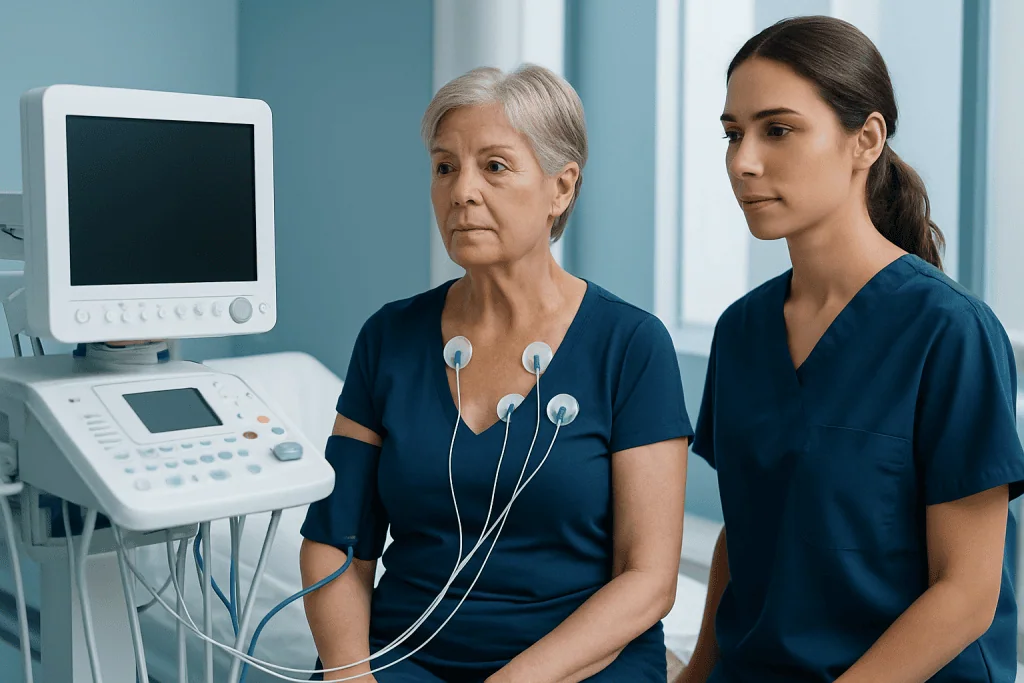
Most adults with high cholesterol notice nothing unusual. However, some people develop visible or physical signs, especially if cholesterol has been high for a long time or if there is an inherited condition such as familial hypercholesterolemia. These signs do not appear in everyone, but they can offer important clues.
Possible signs associated with hypercholesterolemia include:
- Xanthomas: yellowish cholesterol-rich deposits under the skin, often over tendons, elbows, knees, hands, or the Achilles tendon
- Xanthelasma: soft yellow plaques around the eyelids
- Corneal arcus: a pale gray or white ring around the edge of the cornea, especially when it appears at a younger age
- Tendon thickening or lumps: sometimes related to cholesterol deposits in inherited disorders
More often, what people experience are symptoms of cardiovascular disease caused by long-term plaque buildup. These may include chest pressure, shortness of breath on exertion, pain in the legs while walking, sudden weakness on one side of the body, difficulty speaking, or other symptoms linked to reduced blood flow. In that setting, the symptoms are not from cholesterol circulating in the blood directly, but from its effects on the arteries.
Why symptoms are often absent until complications develop

Cholesterol travels through the bloodstream attached to lipoproteins. When LDL levels stay high over time, cholesterol can enter artery walls and contribute to the formation of atherosclerotic plaque. This process usually develops gradually over many years, and the arteries can narrow significantly before a person notices any problem.
That is why hypercholesterolemia is sometimes described as a “silent” condition. A person may feel completely healthy while plaque is increasing in the coronary arteries, carotid arteries, or blood vessels supplying the legs. Symptoms often begin only when blood flow becomes limited or when a plaque ruptures and forms a clot.
For this reason, a careful discussion of hypercholesterolemia symptoms should always include the idea of risk rather than symptoms alone. A person can have very high LDL cholesterol and still have no complaints, while another may first discover the problem after an event such as angina, heart attack, or stroke. Regular checkups are therefore more reliable than waiting for symptoms.
Common causes and risk factors
Hypercholesterolemia can result from a combination of genetic, lifestyle, and medical factors. Diets high in saturated fats and trans fats may increase LDL cholesterol, but food is only part of the picture. Physical inactivity, excess body weight, smoking, and heavy alcohol use can also affect lipid levels and overall cardiovascular risk.
Some people develop high cholesterol because of underlying health conditions. These may include diabetes, hypothyroidism, chronic kidney disease, liver disorders, and certain hormonal or metabolic conditions. Some medicines can also contribute to unfavorable cholesterol changes. A clinician may review the full medical history to look for secondary causes that can be treated directly.
An important inherited cause is familial hypercholesterolemia, a genetic disorder that leads to very high LDL cholesterol from an early age. People with this condition may develop tendon xanthomas, early corneal arcus, or a strong family history of early cardiovascular disease. Even in children and young adults, the absence of symptoms does not mean the condition is harmless.
Risk tends to be higher with increasing age, a family history of high cholesterol or early heart disease, hypertension, diabetes, and smoking. Looking at the full risk profile helps guide how urgently treatment is needed and how low LDL cholesterol should be brought.
Related conditions linked to high cholesterol
Hypercholesterolemia is closely connected with atherosclerosis, the gradual narrowing and hardening of arteries due to plaque buildup. This process may affect different parts of the body, which is why the consequences of high cholesterol can look very different from one person to another. Related conditions often involve the heart, brain, and peripheral blood vessels.
Some of the most important conditions associated with high cholesterol include coronary artery disease, carotid artery disease, peripheral artery disease, heart attack, and ischemic stroke. High cholesterol can also occur alongside other lipid abnormalities, such as high triglycerides, which may further increase risk depending on the overall clinical picture.
These related conditions often produce the symptoms that lead someone to seek care. For example, chest discomfort with activity may suggest reduced blood flow to the heart, while calf pain during walking can point to peripheral artery disease. Sudden trouble speaking, facial drooping, or weakness on one side of the body may signal a stroke and requires emergency care.
Understanding these links helps explain why treating cholesterol is about more than a laboratory number. The goal is to reduce the chance of future vascular events and protect long-term health.
How hypercholesterolemia is diagnosed
The main test for diagnosing hypercholesterolemia is a blood lipid profile. This typically measures total cholesterol, LDL cholesterol, HDL cholesterol, and triglycerides. Depending on the person’s age, medical history, and recent food intake, the test may be done fasting or nonfasting according to the clinician’s judgment and local guidelines.
Diagnosis does not rely only on a single cholesterol number. Doctors also consider age, sex, blood pressure, diabetes status, smoking history, family history, and whether there is already known cardiovascular disease. In some cases, additional tests such as apolipoprotein B, lipoprotein(a), thyroid tests, kidney function tests, or liver tests may be used to better understand the cause and risk level.
When familial hypercholesterolemia is suspected, diagnosis may involve a detailed family history, physical examination for tendon xanthomas or corneal arcus, and sometimes genetic testing. Imaging tests can also help in selected patients by looking for evidence of atherosclerosis or complications. If a person has symptoms suggestive of heart disease, evaluation may naturally extend to cardiology assessment or preventive check-up services.
Treatment options and long-term management
Treatment aims to lower LDL cholesterol and reduce the risk of heart and blood vessel disease. For many people, the first step is lifestyle improvement: a heart-healthy eating pattern, regular physical activity, smoking cessation, weight management, and good control of related conditions such as diabetes or high blood pressure. These changes remain important even when medicines are needed.
Medication is often recommended when LDL cholesterol is clearly elevated, when a person has established cardiovascular disease, or when inherited high cholesterol is present. Statins are commonly used, and other cholesterol-lowering medicines may be added depending on treatment goals, tolerance, and overall risk. A doctor will choose therapy individually rather than using a one-size-fits-all plan.
Follow-up blood tests are usually needed to see how well treatment is working and to support long-term adherence. In higher-risk cases, especially when inherited disorders or vascular disease are involved, care may involve both internal medicine and cardiovascular surgery teams if artery disease requires procedural treatment. Near the end of the care pathway, some international patients may also choose evaluation at Acibadem International, where multidisciplinary specialists in JCI-accredited hospitals diagnose and treat cholesterol-related cardiovascular conditions.
When to seek medical care
A person should arrange a medical review if they have a strong family history of high cholesterol, early heart disease, or visible signs such as xanthomas or xanthelasma. Routine screening is also important for adults with diabetes, high blood pressure, obesity, kidney disease, or a history of smoking, even if they feel completely well.
Medical attention is especially important if symptoms suggest complications of atherosclerosis. These include chest pain or pressure, shortness of breath, pain in the legs with walking, or reduced exercise tolerance. Such symptoms do not prove cholesterol is the cause, but they deserve prompt evaluation.
Emergency care is needed for possible heart attack or stroke symptoms. These include severe chest pain, sudden weakness or numbness, facial drooping, trouble speaking, sudden vision loss, or sudden severe shortness of breath. Seeking help quickly can be lifesaving.
Even without urgent symptoms, people who have already been told they have high LDL cholesterol should follow up regularly. Ongoing care helps track cholesterol levels, review treatment response, and reduce future risk before major problems occur.
Frequently asked questions
Can a person have hypercholesterolemia symptoms without knowing it?
Yes. In fact, most people with hypercholesterolemia have no noticeable symptoms at all. High cholesterol is usually found on a blood test or after evaluation for a related cardiovascular problem.
What are the first visible signs of high cholesterol?
Some people develop yellowish deposits under the skin called xanthomas or soft yellow plaques around the eyelids called xanthelasma. A gray-white ring around the cornea, especially in a younger person, can also raise suspicion of inherited high cholesterol.
Does high cholesterol cause dizziness or headaches?
High cholesterol itself does not usually cause dizziness or headaches. If these symptoms occur, they may have another cause and should be assessed in the right clinical context. Cholesterol becomes important when it contributes to blood vessel disease over time.
How is familial hypercholesterolemia different from ordinary high cholesterol?
Familial hypercholesterolemia is an inherited disorder that causes very high LDL cholesterol from an early age. It often runs in families and may lead to visible cholesterol deposits or earlier cardiovascular disease than typical high cholesterol. Because the risk is higher, early diagnosis and treatment are especially important.
Can lifestyle changes alone treat hypercholesterolemia?
For some people, healthy eating, regular exercise, weight management, and smoking cessation can improve cholesterol levels significantly. However, many people also need medication, especially if LDL cholesterol is very high, cardiovascular disease is already present, or there is a genetic disorder. Treatment decisions should be individualized by a qualified doctor.
When should someone get tested for high cholesterol?
Testing is appropriate during routine preventive care and may be needed earlier or more often if there is a family history of high cholesterol or early heart disease. People with diabetes, high blood pressure, obesity, kidney disease, or smoking history should also discuss screening with their clinician.
References
- American Heart Association
- Centers for Disease Control and Prevention
- National Heart, Lung, and Blood Institute
- European Society of Cardiology
- World Health Organization
This article is for general information only and is not a substitute for professional medical advice. Please consult a qualified doctor about your individual situation.
Explore treatments in Turkey — costs, top hospitals & a free quote
JCI-accredited · board-certified surgeons · reply within 24h
Add us as a Preferred Source to see more of our trusted health content across Google Search, AI Overviews and Discover.
Check your numbers in seconds
BMI, calories, due date, blood pressure and 30+ more clinical calculators — free, instant, doctor-reviewed ranges.