Hypoglycemia and Pregnancy: A Complete Clinical Guide for Patients

Hypoglycemia means blood glucose is lower than the body needs and may cause shakiness, sweating, hunger, dizziness, or confusion. It is most common during pregnancy in people treated with insulin or glucose-lowering medicines, but persistent episodes without diabetes need medical assessment.
Key Takeaways
- Hypoglycemia means blood glucose is lower than the body needs and may cause shakiness, sweating, hunger, dizziness, or confusion.
- It is most common during pregnancy in people treated with insulin or glucose-lowering medicines, but persistent episodes without diabetes need medical assessment.
- A conscious person can usually treat suspected mild hypoglycemia promptly with a fast-acting carbohydrate, then recheck glucose if monitoring is available.
- Severe symptoms, loss of consciousness, seizures, or inability to swallow are emergencies and require urgent medical help.
- Regular meals, appropriate medication adjustment, glucose monitoring, and a written action plan can reduce repeated episodes.
Hypoglycemia and pregnancy can occur together, especially in people using insulin or certain diabetes medicines. Recognizing low blood sugar early, treating it promptly with fast-acting carbohydrate, and reviewing the care plan with a maternity or diabetes team can help keep pregnancy safer and more comfortable.
Overview: What Hypoglycemia Means During Pregnancy
Hypoglycemia and pregnancy refers to low blood glucose (blood sugar) occurring while a person is pregnant. Glucose is an important energy source for the body and for the developing fetus. A short-lived low reading or mild episode can often be corrected quickly, but repeated or severe episodes should be discussed with a clinician.
Low blood sugar is particularly relevant for pregnant people with type 1 diabetes, type 2 diabetes, or gestational diabetes who use insulin or some other glucose-lowering medicines. Pregnancy changes appetite, digestion, activity levels, and insulin requirements, so a treatment plan that worked before pregnancy may need adjustment.
Hypoglycemia is less common in pregnancy for people who do not have diabetes and are not taking glucose-lowering medication. However, prolonged vomiting, poor food intake, certain illnesses, or rarely an underlying medical condition can contribute. Symptoms alone cannot reliably confirm the cause, so healthcare professionals consider the overall clinical situation and, when possible, a glucose measurement.
Symptoms and How Low Blood Sugar May Feel
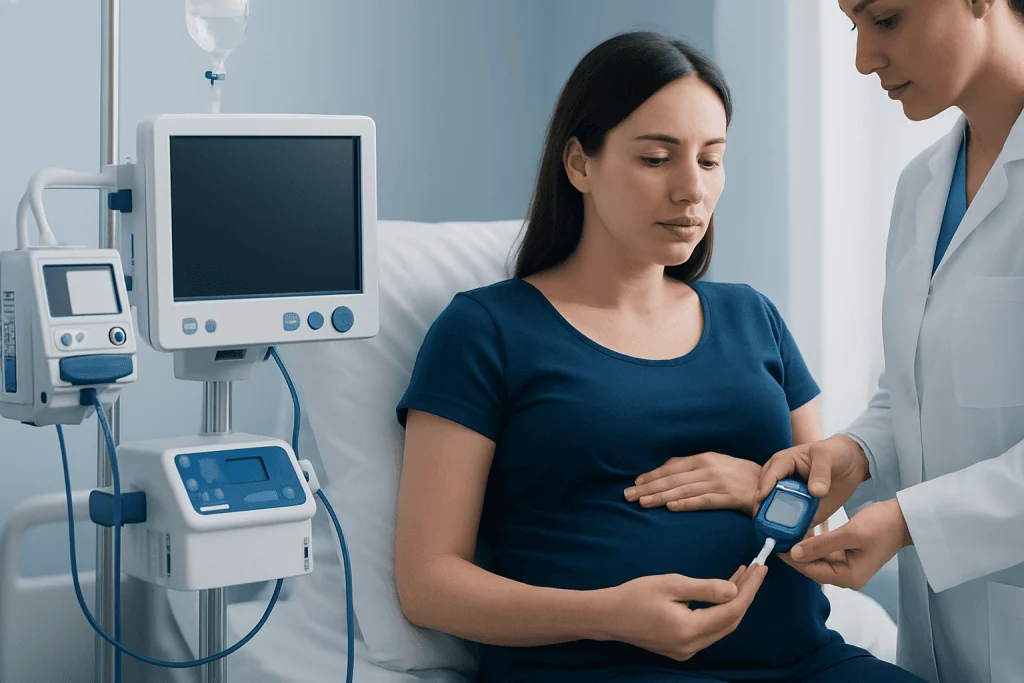
Symptoms can develop gradually or quickly. Early recognition is useful because treatment is easier before symptoms become severe. Some symptoms can overlap with common pregnancy experiences, such as nausea, fatigue, or light-headedness, so checking glucose is helpful for anyone who has been advised to monitor it.
- Shakiness, trembling, sweating, or a racing heartbeat
- Sudden hunger, nausea, tingling around the lips, or headache
- Dizziness, weakness, blurred vision, irritability, or difficulty concentrating
- Confusion, unusual behavior, poor coordination, or slurred speech in more serious episodes
Severe hypoglycemia may lead to a seizure or loss of consciousness. This is an emergency. A person who is confused, unconscious, having a seizure, or unable to swallow should not be given food or drink by mouth because of the risk of choking.
Some people with long-standing diabetes have reduced awareness of low glucose and may not notice early warning signs. This should be raised with the diabetes and maternity team, as monitoring targets, medicine timing, and safety planning may need review.
Why Hypoglycemia Can Happen in Pregnancy

For people using insulin, low blood sugar most often results from a mismatch between insulin and available carbohydrate. This may happen after delaying or skipping a meal, eating less than planned, vomiting, taking more insulin than needed, exercising more than usual, or drinking alcohol. Alcohol should be avoided during pregnancy, but it is also important to know that it can increase the risk of delayed hypoglycemia.
Insulin needs often change across pregnancy. In early pregnancy, nausea, vomiting, and increased insulin sensitivity can make lows more likely for some people with pre-existing diabetes. Later, insulin resistance often rises as pregnancy progresses, and treatment may need adjustment in the other direction. Individual patterns vary, which is why regular follow-up matters.
People with gestational diabetes may experience hypoglycemia if they are using insulin or certain oral medications, although it is less likely with nutrition and activity measures alone. Anyone with repeated lows, especially if they are not using diabetes medication, should be assessed rather than assuming symptoms are a normal part of pregnancy.
Risk can also increase with severe morning sickness, gastroenteritis, reduced appetite, kidney or liver disease, or difficulties accessing regular meals. A clinician can help identify whether medication, nutrition, illness, or another factor is contributing.
Checking and Diagnosing Low Blood Sugar
When symptoms occur, a finger-prick glucose meter or continuous glucose monitor can help determine whether they are due to low glucose. However, symptoms should be treated seriously even if a reading is unavailable, particularly for a person using insulin. The care team will provide individual glucose thresholds and targets because these may vary with the person’s treatment plan.
Diagnosis is based on the combination of symptoms, a documented low glucose value when available, and improvement after glucose is raised. Clinicians will also review the timing of meals, activity, vomiting, medicines, insulin doses, and glucose-monitoring patterns. Keeping a record of episodes can make this review much more useful.
Repeated unexplained episodes may lead to additional evaluation. This can include reviewing all medicines and supplements, assessing nutrition and hydration, and ordering blood tests if clinically appropriate. Pregnant people should not independently stop insulin or other prescribed diabetes medicines; changes should be made with medical guidance.
Continuous glucose monitoring may be useful for some pregnant people with diabetes, especially if they have frequent lows or limited awareness of symptoms. It can show trends and alerts, but readings should be interpreted in the context of symptoms and the treating team’s advice.
Treating a Low Blood Sugar Episode Safely
If the person is awake, able to swallow, and thinks they may have low blood sugar, they should take a fast-acting source of carbohydrate as advised in their individualized diabetes plan. Examples may include glucose tablets or gel, fruit juice, or a regular sweet drink. Foods high in fat, such as chocolate, may raise glucose more slowly and are usually not the best first choice for an urgent low.
If glucose monitoring is available, it should be checked again after the timeframe recommended by the care team. If it remains low or symptoms continue, another fast-acting carbohydrate treatment may be needed. Once the episode has improved, a snack or meal containing longer-lasting carbohydrate and, where suitable, protein can help prevent another low if the next planned meal is not soon.
For people prescribed glucagon, family members or close contacts should know where it is kept and how to use it. Glucagon may be used when severe hypoglycemia prevents safe swallowing, according to the clinician’s instructions. Emergency services should be contacted for unconsciousness, seizures, persistent confusion, or lack of improvement.
Following any significant episode, the person should consider what may have triggered it and notify their maternity or diabetes team as advised. Diabetes treatment during pregnancy often requires careful, ongoing adjustment rather than a one-time medication plan.
Prevention, Food Planning, and Daily Self-Care
Prevention focuses on matching food intake, activity, and medication as closely as possible. Regular meals and planned snacks may be helpful, particularly when nausea, reduced appetite, or a busy schedule makes eating less predictable. A dietitian, diabetes educator, or obstetric care team can tailor meal timing and carbohydrate intake to the individual pregnancy plan.
People who use insulin should discuss how to adjust doses around meals, exercise, illness, and vomiting. Physical activity is generally beneficial in uncomplicated pregnancy, but it can lower glucose during or after exercise. Carrying fast-acting carbohydrate and checking glucose according to the care plan can support safer activity.
It is helpful to carry an identification card or medical alert that notes diabetes and pregnancy, as well as a source of fast-acting carbohydrate. Partners, relatives, friends, and coworkers can be taught to recognize severe symptoms and to seek emergency help when needed. Do not drive if low blood sugar symptoms are present or glucose is below the target provided by the medical team.
If vomiting prevents food or fluids from staying down, the maternity or diabetes team should be contacted promptly. Illness plans may include more frequent glucose checks and, for some people with diabetes, ketone testing. The correct approach depends on the type of diabetes and prescribed treatment.
When to Seek Medical Care
Urgent medical care is needed for loss of consciousness, a seizure, severe confusion, inability to swallow, a serious injury during an episode, or symptoms that do not improve after appropriate treatment. Emergency services should be contacted in these situations. A person who is unconscious or unable to swallow should not be given anything by mouth.
A maternity clinician or diabetes team should be contacted promptly for recurrent episodes, any severe low blood sugar event, reduced awareness of symptoms, or lows associated with vomiting, illness, or difficulty eating. They should also be informed when glucose readings are repeatedly outside the agreed range, even when symptoms are mild.
Pregnant people without diabetes who develop repeated shaking, sweating, faintness, or confusion should arrange medical assessment. These symptoms have several possible causes in pregnancy, and a clinician can determine whether blood glucose or another health issue is involved.
Acibadem International’s multidisciplinary specialists and JCI-accredited hospitals support international patients with diabetes and pregnancy-related care, including individualized assessment and follow-up where appropriate.
Frequently asked questions
Is hypoglycemia common during pregnancy?
Hypoglycemia is most common in pregnant people who use insulin or certain glucose-lowering medicines for diabetes. It may also occur with missed meals, vomiting, increased activity, or changing insulin needs. Repeated episodes without diabetes medication should be assessed by a healthcare professional.
What should a pregnant person do if blood sugar feels low?
If the person is awake and can swallow safely, they should use a fast-acting carbohydrate according to their individualized diabetes plan. If possible, they should check glucose and recheck it as instructed after treatment. Persistent symptoms or repeated low readings should be reported to the maternity or diabetes team.
Can low blood sugar harm the baby?
A brief mild episode that is recognized and treated promptly is usually manageable. The main immediate concern is the pregnant person’s safety, particularly if confusion, falls, or loss of consciousness occur. Frequent or severe episodes need medical review to improve glucose management and overall pregnancy care.
Can morning sickness cause low blood sugar in pregnancy?
Yes. Nausea and vomiting can reduce food intake and make it harder to match insulin or other diabetes medicines to meals. Anyone with diabetes who cannot keep food or fluids down should contact their maternity or diabetes team promptly for individualized sick-day advice.
Should insulin be stopped after a low blood sugar episode?
Insulin should not be stopped or changed without advice from the prescribing clinician, even after a low blood sugar episode. Insulin needs can change during pregnancy, but sudden changes may cause high glucose or ketones. The healthcare team can advise on safe dose adjustments.
When is low blood sugar in pregnancy an emergency?
It is an emergency if there is loss of consciousness, seizure, severe confusion, inability to swallow, or no improvement after treatment. Emergency services should be called, and nothing should be given by mouth to someone who cannot swallow safely. A prescribed glucagon rescue treatment may be used by a trained person when indicated.
References
- American Diabetes Association
- American College of Obstetricians and Gynecologists
- National Institute of Diabetes and Digestive and Kidney Diseases
- National Health Service
- World Health Organization
This article is for general information only and is not a substitute for professional medical advice. Please consult a qualified doctor about your individual situation.
Explore treatments in Turkey — costs, top hospitals & a free quote
JCI-accredited · board-certified surgeons · reply within 24h
Add us as a Preferred Source to see more of our trusted health content across Google Search, AI Overviews and Discover.