Hypophosphatasia: An Evidence-Based Guide for Patients

Hypophosphatasia is a genetic disorder linked to changes in the ALPL gene and low alkaline phosphatase activity. Symptoms can begin before birth, in infancy, childhood, or adulthood, and may involve bones, teeth, muscles, and mobility.
Key Takeaways
- Hypophosphatasia is a genetic disorder linked to changes in the ALPL gene and low alkaline phosphatase activity.
- Symptoms can begin before birth, in infancy, childhood, or adulthood, and may involve bones, teeth, muscles, and mobility.
- Diagnosis often combines medical history, physical examination, blood tests, imaging, and genetic testing.
- Treatment is individualized and may include enzyme replacement therapy, pain management, dental care, rehabilitation, and fracture support.
- Early evaluation is important when unexplained fractures, early tooth loss, bone pain, or persistently low alkaline phosphatase are present.
Hypophosphatasia is a rare inherited condition that affects how the body mineralizes bones and teeth, often causing weak bones, fractures, dental problems, or muscle pain. Its severity varies widely, but careful diagnosis and supportive treatment can help many children and adults manage symptoms and protect bone health.
Overview: what hypophosphatasia means
Hypophosphatasia is a rare inherited metabolic bone disorder. It happens when the body does not make enough working tissue-nonspecific alkaline phosphatase, an enzyme that helps bones and teeth harden properly. When this enzyme is low or does not function well, minerals do not deposit normally into bone and tooth structure.
The condition is caused by changes in the ALPL gene. Hypophosphatasia can range from very mild to severe, and symptoms may appear at any age. Some people have mainly dental problems, while others have bone pain, repeated fractures, muscle weakness, or difficulties with growth and movement.
One reason diagnosis may be delayed is that symptoms can overlap with more common bone conditions. In adults, it may be mistaken for osteoporosis or recurrent stress injury. In children, signs such as delayed walking, bowed legs, or early loss of baby teeth may prompt further assessment.
Although hypophosphatasia is lifelong, management has improved. Care usually focuses on confirming the diagnosis, protecting bones and teeth, improving physical function, and treating complications with support from specialists in endocrinology, orthopedics, pediatrics, dentistry, rehabilitation, and genetics.
How hypophosphatasia affects the body
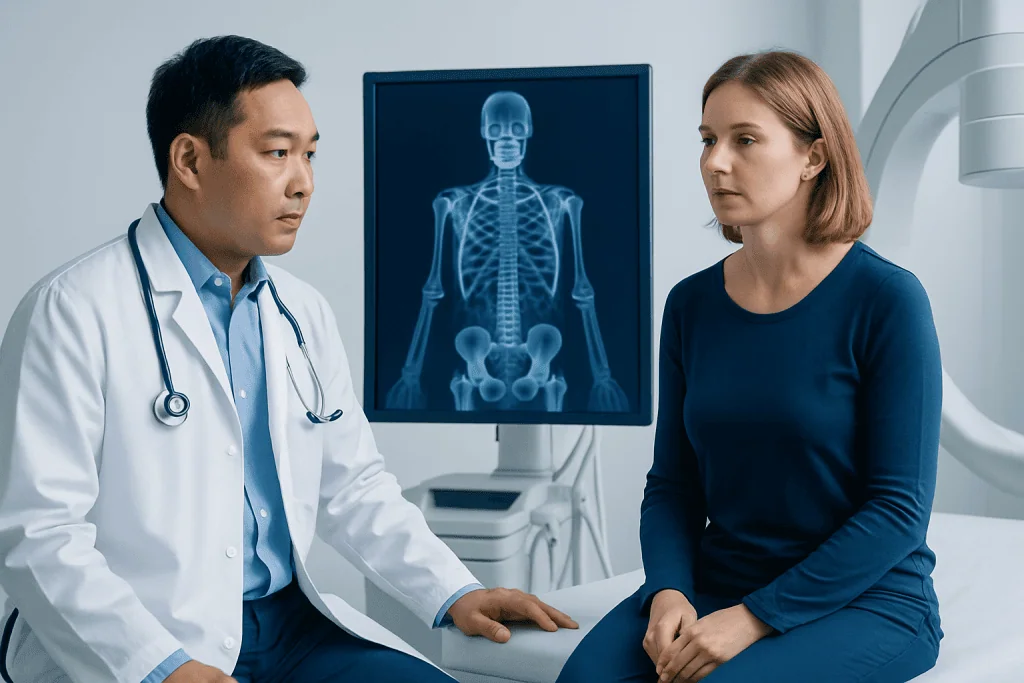
Alkaline phosphatase helps break down compounds that would otherwise interfere with mineralization. In hypophosphatasia, these compounds build up and reduce the normal hardening of bones and teeth. As a result, bones may be softer or more fragile, and teeth may not attach as firmly as expected.
The effects are not limited to the skeleton. Some people develop muscle weakness, tiredness, joint discomfort, or reduced exercise tolerance. In more severe forms, chest wall weakness or poor rib mineralization can affect breathing, especially in infancy.
Doctors often describe hypophosphatasia by the age when symptoms begin: perinatal, infantile, childhood, adult, and odonto-hypophosphatasia, which mainly affects the teeth. These categories are helpful, but the condition exists on a spectrum. Even within the same family, symptoms can vary considerably.
Because the disease affects mineralization rather than only bone density, standard assumptions about bone disease do not always apply. This is one reason careful interpretation of laboratory tests and imaging is so important when a clinician suspects hypophosphatasia.
Symptoms and possible complications
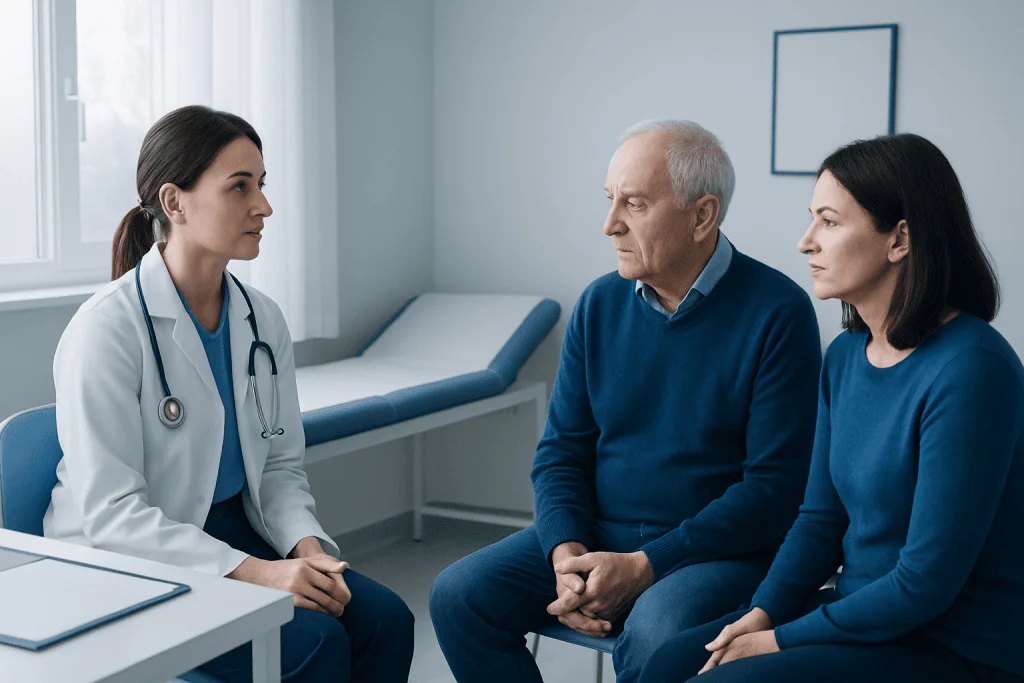
Symptoms depend on age and severity. Babies with severe disease may have poor feeding, failure to grow well, breathing difficulty, or soft skull bones. Children may develop delayed motor milestones, short stature, bowed legs, bone pain, waddling gait, or early loss of primary teeth, often with the roots still attached.
Adults may notice recurring foot pain from stress fractures, thigh pain from unusual femur fractures, chronic bone or joint pain, muscle weakness, or a history of losing teeth earlier than expected. Some people experience calcium-related problems, such as kidney issues, especially when the disease is more active in childhood.
Common features may include:
- Bone pain or tenderness
- Frequent fractures or slow fracture healing
- Muscle weakness or fatigue
- Dental problems, including loose or prematurely lost teeth
- Difficulty walking or reduced physical endurance
- Abnormal bone shape or growth in children
Complications can include mobility limitations, chronic pain, deformity, and dental loss. In severe pediatric cases, growth and respiratory health may be affected. Emotional stress is also common, especially when symptoms have been unexplained for years or when repeated fractures interfere with work, school, or family life.
Causes, inheritance, and risk factors
Hypophosphatasia is caused by pathogenic variants in the ALPL gene. This gene provides instructions for making alkaline phosphatase, which is important for normal mineralization. When the enzyme level or function is reduced, bones and teeth cannot harden in the usual way.
The condition can be inherited in either an autosomal recessive or autosomal dominant pattern, depending on the specific variant and the form of disease. Severe forms are often recessive, meaning a child inherits a nonworking gene copy from each parent. Milder forms may sometimes be dominant and can appear across several generations.
Having a family history of unexplained early tooth loss, recurrent fractures, low alkaline phosphatase, or a diagnosed metabolic bone disorder may raise suspicion. However, some people are the first recognized person in their family, especially when earlier relatives had mild symptoms that were never identified.
Risk factors do not cause hypophosphatasia in the way lifestyle factors cause some common diseases. The main risk comes from inherited genetic changes. Still, the impact of the condition may become more noticeable during times of growth, physical stress, pregnancy, aging, or after repeated orthopedic strain.
How doctors diagnose hypophosphatasia
Diagnosis begins with a careful history. A doctor will ask about bone pain, fractures, dental history, childhood development, family history, and whether blood tests have ever shown low alkaline phosphatase. Because low alkaline phosphatase can be overlooked, reviewing previous lab results may be especially helpful.
Blood testing is central. Persistently low alkaline phosphatase for age and sex is a key clue. Doctors may also measure substances that can build up when alkaline phosphatase activity is reduced, and they may check calcium, phosphate, vitamin D, kidney function, and other markers to understand the wider clinical picture.
Imaging studies can help show poorly mineralized bone, fractures, pseudofractures, or skeletal deformities. Depending on the person’s age and symptoms, clinicians may use X-rays and other targeted imaging. If there is concern about a broader bone condition, assessment may overlap with evaluation used for osteoporosis or other causes of fragility fractures.
Genetic testing can confirm ALPL-related disease and help with family counseling. In many cases, patients benefit from evaluation by specialists in endocrinology and metabolic diseases, along with orthopedics, pediatrics, or dental experts, to build a clear diagnosis and treatment plan.
Treatment options and long-term management
Treatment depends on age, severity, symptoms, and complications. The goals are to reduce pain, support bone strength and mobility, protect teeth, and prevent avoidable fractures or disability. Care is often multidisciplinary because hypophosphatasia can affect several body systems at once.
Some patients, especially those with pediatric or more symptomatic disease, may be candidates for enzyme replacement therapy under specialist supervision. Others may need fracture care, mobility support, physical therapy, and pain management. Dental follow-up is also important, particularly for children with early tooth loss or adults with ongoing periodontal concerns.
Doctors may recommend supportive measures such as:
- Monitoring bone symptoms and growth over time
- Treating fractures and pseudofractures promptly
- Physical therapy to improve strength, balance, and function
- Dental surveillance and preventive care
- Assessment by orthopedics and traumatology for deformity, fracture, or mobility problems
- Individualized rehabilitation plans through physical therapy and rehabilitation
Medication choices for other bone conditions may not always be appropriate in hypophosphatasia, so treatment decisions should be made by clinicians familiar with the disorder. Near the end of the care pathway, some international patients may choose centers such as Acibadem International, where multidisciplinary specialists in JCI-accredited hospitals evaluate and treat rare bone disorders.
Daily living, self-care, and family planning
Self-care does not replace medical treatment, but it can make daily life easier. Many people benefit from pacing activities, using supportive footwear, avoiding high-impact exercise when fractures are a concern, and maintaining regular follow-up. Gentle, supervised strengthening and low-impact movement may improve endurance and confidence.
Dental care deserves special attention. Children who lose baby teeth early and adults with persistent dental looseness should have regular assessments. Good oral hygiene, timely evaluation of pain or swelling, and coordination between dentists and medical specialists can help preserve function and comfort.
Nutrition should be balanced, but supplements should not be started casually without medical advice. Bone and mineral metabolism can be complex in hypophosphatasia, and what helps one condition may not suit another. A doctor may advise testing before recommending calcium, vitamin D, or other supplements.
Because the condition is genetic, some individuals and families benefit from genetic counseling. Counseling can explain inheritance patterns, discuss testing for relatives, and help with future pregnancy planning. This can be especially useful when a family has a history of unexplained infant bone disease, early tooth loss, or recurrent fractures.
When to seek medical care
Medical evaluation is important if a child loses baby teeth unusually early, if an adult has repeated stress fractures or slow-healing fractures, or if there is persistent bone pain with low alkaline phosphatase on routine blood work. Unexplained muscle weakness, waddling gait, or a family history of similar symptoms also deserves attention.
Urgent medical care is needed for sudden inability to bear weight, severe pain after a minor injury, signs of breathing difficulty in an infant, or symptoms that suggest a significant fracture. Any child with poor growth, delayed walking, or obvious bone deformity should be assessed without delay.
People who have already been diagnosed should seek follow-up if symptoms worsen, new fractures occur, dental issues progress, or mobility decreases. Regular review helps adjust care plans over time and may identify treatable complications earlier.
If there is uncertainty, it is reasonable to ask for review by specialists familiar with rare metabolic bone disorders. Earlier recognition can reduce unnecessary treatments and guide safer, more appropriate long-term care.
Frequently asked questions
Is hypophosphatasia the same as osteoporosis?
No. Both conditions can involve fractures, but hypophosphatasia is a genetic mineralization disorder caused by low alkaline phosphatase activity, while osteoporosis usually refers to reduced bone mass and strength from different causes. This distinction matters because treatments used for one condition may not always be suitable for the other.
Can hypophosphatasia appear for the first time in adulthood?
Yes. Some people are not diagnosed until adulthood, even if subtle signs were present earlier in life. Adult hypophosphatasia may show up as recurrent stress fractures, chronic bone pain, muscle weakness, or a history of early tooth loss.
What blood test finding raises suspicion for hypophosphatasia?
A persistently low alkaline phosphatase level is one of the main laboratory clues. Doctors interpret this result in the context of age, sex, symptoms, and other tests, because the normal range can vary and low values may sometimes be overlooked.
Does every person with an ALPL gene change have severe symptoms?
No. The severity can vary widely, even among relatives with related genetic findings. Some people have severe childhood disease, while others mainly have dental problems or mild adult symptoms.
Can children with hypophosphatasia lead active lives?
Many children can be active with the right medical support, monitoring, and activity adjustments. The safest level of activity depends on fracture risk, pain, muscle strength, and bone health, so plans should be individualized with a specialist team.
Is there a cure for hypophosphatasia?
There is no simple universal cure, but effective management is available. Depending on the form of disease, treatment may include enzyme replacement therapy, fracture care, physical therapy, pain management, and dental support to improve function and quality of life.
This article is for general information only and is not a substitute for professional medical advice. Please consult a qualified doctor about your individual situation.
Joint and spine care in Turkey — expert assessment & treatment
JCI-accredited · board-certified surgeons · reply within 24h
Add us as a Preferred Source to see more of our trusted health content across Google Search, AI Overviews and Discover.

More from the Health Library

Corona Radiata — Explained by Medical Evidence, Not Myths
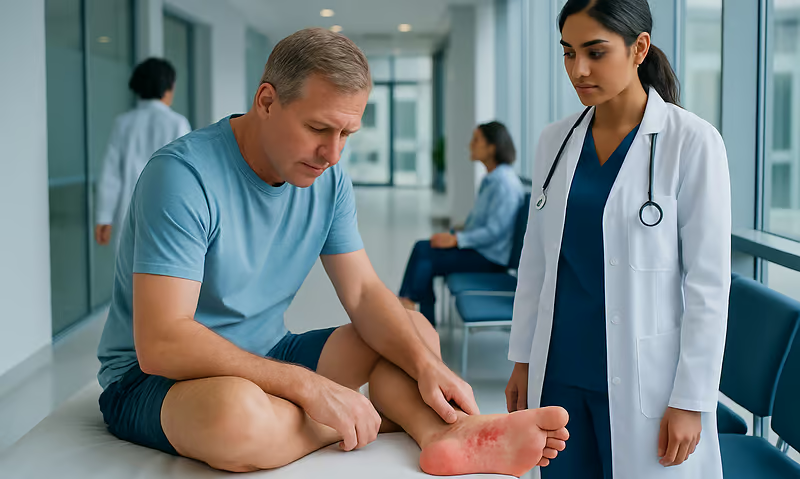
Red Patches on Feet Diabetes — Explained by Medical Evidence, Not Myths

Eyebrow Twitching — Explained by Medical Evidence, Not Myths

Rifampin — Explained by Medical Evidence, Not Myths

Nabothian Cyst — Explained by Medical Evidence, Not Myths