Nabothian Cyst — Explained by Medical Evidence, Not Myths
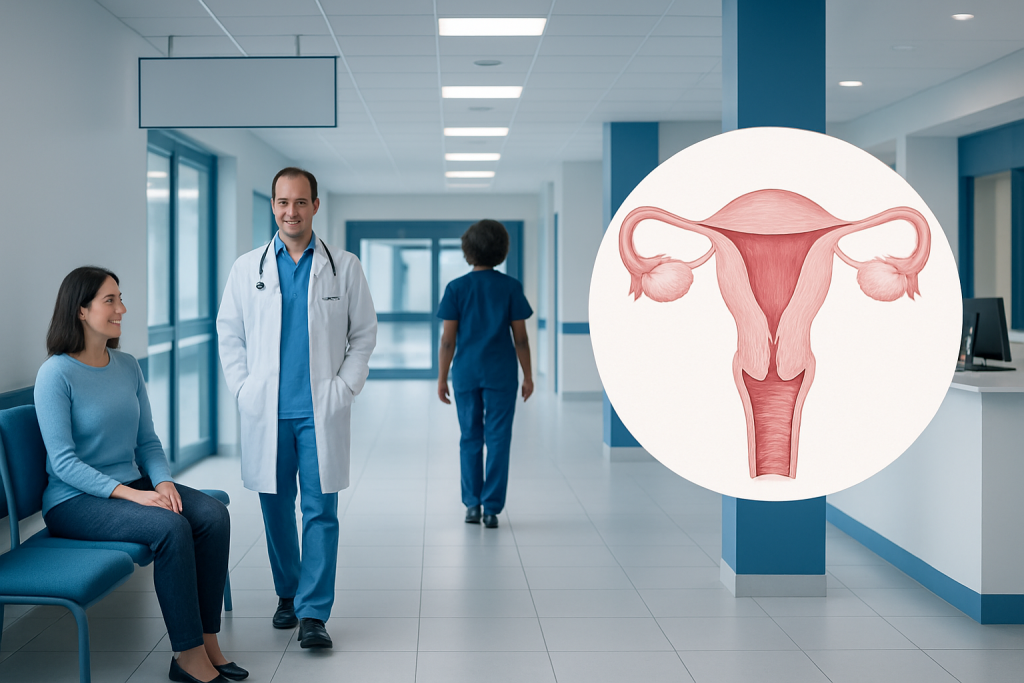
A nabothian cyst is a harmless cyst that forms when cervical glands become blocked. Most nabothian cysts cause no symptoms and are found incidentally during routine gynecologic care.
Key Takeaways
- A nabothian cyst is a harmless cyst that forms when cervical glands become blocked.
- Most nabothian cysts cause no symptoms and are found incidentally during routine gynecologic care.
- They are not cancer and do not usually affect fertility, pregnancy, or overall health.
- Doctors diagnose them mainly with pelvic examination and, when needed, ultrasound or colposcopy.
- Treatment is rarely necessary unless a cyst is unusually large, causes symptoms, or makes cervical assessment difficult.
A nabothian cyst is a small, benign mucus-filled cyst on the cervix. It is common, usually found during a pelvic exam, and most often does not cause symptoms or require treatment.
Overview: what a nabothian cyst really is
A nabothian cyst is a small sac on the surface of the cervix that contains mucus. It forms when normal mucus-producing glands in the cervix become covered by surface cells, trapping the mucus inside. This creates a smooth, rounded, benign cyst that may look white, pale yellow, or translucent during an examination.
For most people, the key fact is simple: a nabothian cyst is usually a normal and harmless finding, not a dangerous disease. It is commonly seen in adults of reproductive age and may also be found after childbirth or during routine gynecologic visits. Many people never know they have one until a clinician mentions it during a pelvic exam.
Because the word “cyst” can sound worrying, myths often spread online. In medical practice, however, nabothian cysts are generally considered a benign cervical change. They are different from infections, different from sexually transmitted diseases, and different from cervical cancer. A doctor may still evaluate the cervix carefully to confirm the diagnosis, but the cyst itself is usually not a cause for alarm.
Symptoms and how nabothian cysts are usually found
Most nabothian cysts do not cause symptoms. They are often discovered by chance during a routine pelvic examination, cervical screening visit, or imaging test done for another reason. On exam, they typically appear as small, smooth bumps on the cervix.
When symptoms do occur, they are usually related to the size or location of the cyst rather than the cyst being dangerous. A larger cyst may rarely cause a sensation of pelvic pressure, mild discomfort during intercourse, or a feeling of fullness. In some situations, a cyst may make it harder for the clinician to clearly view the cervix during an exam.
Symptoms such as unexplained bleeding, persistent pelvic pain, unusual vaginal discharge, fever, or pain that is getting worse are not typical of a simple nabothian cyst. If these problems are present, a doctor may look for other causes affecting the cervix, uterus, or pelvis, including cervical cancer or other gynecologic conditions.
- Usually no symptoms at all
- Often found during a routine pelvic exam
- Rarely linked to pressure, discomfort, or difficulty assessing the cervix
- Unusual bleeding or significant pain should prompt medical evaluation
Causes and risk factors
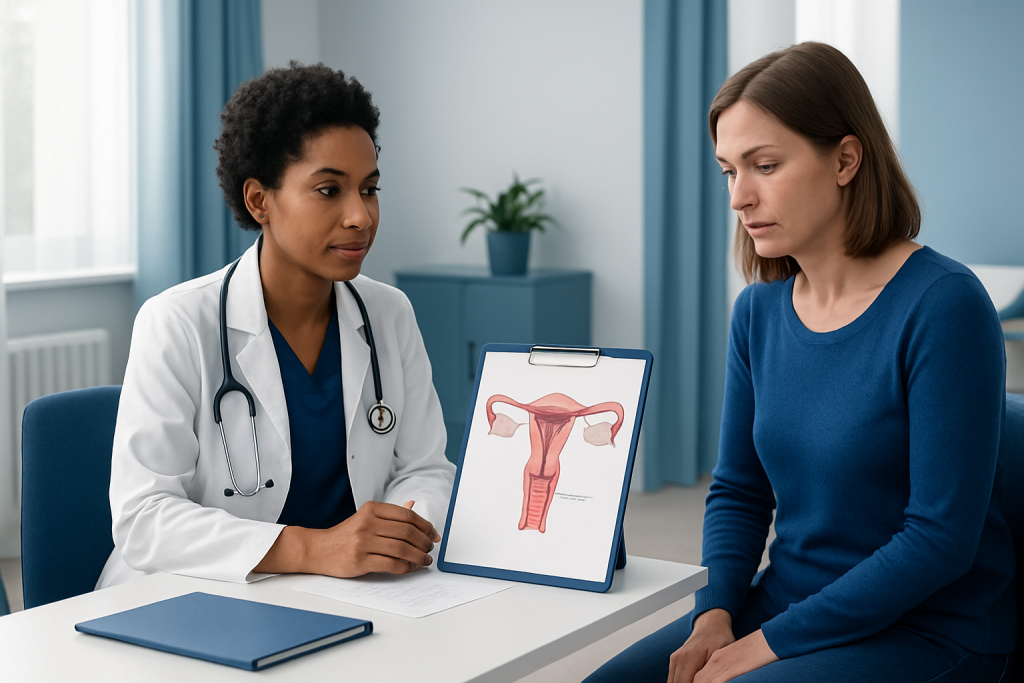
Nabothian cysts develop when mucus-producing glands in the cervix become blocked by a layer of new surface cells. This is most likely to happen during the normal healing and remodeling of the cervix. As the outer cervical tissue changes, it can cover the gland openings, and mucus becomes trapped underneath.
This process is often associated with normal reproductive changes. Nabothian cysts are commonly seen after childbirth, after minor cervical inflammation has healed, or during periods when the cervix is undergoing natural tissue changes. They may also be noted after procedures involving the cervix, although many occur without any clear trigger.
Risk factors are not the same as causes of disease in a harmful sense. A nabothian cyst is not usually linked to poor hygiene, sexual activity alone, or cancer. It also is not typically a sign of an infection. Even when a person has another cervical issue, the cyst itself often remains a separate, harmless finding.
Doctors may still consider the wider cervical history, including past Pap smear results, infections, and symptoms. This helps them confirm that the visible bump fits the expected appearance of a benign nabothian cyst rather than another cervical lesion that needs different care.
How doctors diagnose a nabothian cyst
Diagnosis usually begins with a pelvic examination. An experienced gynecologist can often recognize a nabothian cyst based on its appearance and location on the cervix. These cysts are typically smooth, rounded, and clearly defined. Small cysts often need no further testing when the rest of the cervical exam is normal.
If the cyst is larger than expected, if symptoms are present, or if the cervix cannot be assessed well, the doctor may recommend additional evaluation. This may include a transvaginal ultrasound to look at pelvic structures more closely or a colposcopic examination, which uses magnification to inspect the cervix in greater detail. In selected cases, colposcopy helps distinguish a harmless cyst from another cervical abnormality.
Routine cervical screening still matters. A nabothian cyst does not replace the need for Pap testing or human papillomavirus assessment when these are recommended based on age and medical history. If screening results are abnormal, the doctor will investigate those findings separately from the cyst.
Rarely, if the diagnosis is uncertain or the lesion has unusual features, a clinician may suggest sampling tissue or removing part of the lesion for confirmation. The goal is not because nabothian cysts are usually dangerous, but because careful diagnosis is important whenever the cervix does not look typical.
Treatment options and when no treatment is needed
In most cases, no treatment is needed for a nabothian cyst. Once the diagnosis is clear and the cyst is not causing symptoms, doctors generally recommend observation only. This means routine follow-up as part of standard gynecologic care rather than active intervention.
Treatment may be considered if a cyst is unusually large, causes discomfort, interferes with cervical examination, or creates uncertainty about the diagnosis. In these cases, a gynecologist may drain or remove the cyst using a simple office-based or minor procedural approach. The exact method depends on the size, location, and reason for treatment.
If another condition is suspected, management will focus on that underlying issue rather than on the nabothian cyst itself. For example, if symptoms suggest inflammation, abnormal bleeding, or another cervical lesion, the doctor may recommend further gynecologic evaluation or procedures such as cervical biopsy when clinically appropriate.
People who are concerned about fertility can usually be reassured. Nabothian cysts do not commonly affect the ability to become pregnant or carry a pregnancy. Only in uncommon situations, such as very large cysts altering the cervix significantly, would a specialist need to assess whether treatment is helpful.
Self-care, prevention, and follow-up
There is no specific way to prevent every nabothian cyst, because they often form as part of normal cervical healing and tissue change. The most useful step is not a special remedy, but regular gynecologic care. Routine pelvic exams and cervical screening help clinicians identify benign findings and also detect other conditions that may need treatment.
Self-care mainly involves paying attention to symptoms rather than trying to treat the cyst at home. A person should not attempt to squeeze, puncture, or use over-the-counter products on the cervix. Home treatments are not appropriate and may cause irritation, infection, or delay a proper diagnosis.
Helpful follow-up habits include keeping scheduled screening appointments, reporting new symptoms, and discussing any history of abnormal Pap tests or cervical procedures with a doctor. If there are questions about whether a cervical finding is truly benign, further assessment by a gynecologist can provide reassurance.
For patients who need broader evaluation of cervical or uterine symptoms, doctors may also investigate other causes of pelvic complaints, including uterine fibroids or abnormalities seen on imaging. At specialized centers, including Acibadem International, multidisciplinary specialists and JCI-accredited hospitals evaluate and treat gynecologic conditions for international patients when further care is needed.
When to seek medical care
A person should seek medical care if they notice unusual vaginal bleeding, bleeding after intercourse, persistent pelvic pain, unexplained vaginal discharge, or pain during sex that does not improve. These symptoms are not typical of a simple nabothian cyst and deserve professional evaluation.
Medical review is also important if a clinician has found a cervical lesion but the diagnosis is not yet certain, or if recommended cervical screening has been missed. Even though a nabothian cyst is usually harmless, the cervix can be affected by several different conditions, and symptoms should not be self-diagnosed.
Urgent care may be appropriate for severe pain, fever, heavy bleeding, or any rapidly worsening symptoms. In those situations, the doctor may assess for infection, pregnancy-related problems, or other pelvic disorders. If necessary, additional imaging such as pelvic ultrasound can help clarify the cause.
Frequently asked questions
Is a nabothian cyst cancer?
No. A nabothian cyst is a benign, mucus-filled cyst on the cervix and is not considered cancer. However, a doctor may still examine the cervix carefully to confirm that the finding has the typical appearance of a harmless cyst.
Do nabothian cysts need to be removed?
Usually not. Most nabothian cysts do not cause symptoms and do not need treatment. Removal or drainage is generally considered only if the cyst is large, bothersome, or makes it difficult for the doctor to evaluate the cervix.
Can a nabothian cyst cause pain or bleeding?
Most do not cause any symptoms. Mild discomfort or pressure can occur in uncommon cases, especially if a cyst is larger than usual. Unexplained bleeding is not typical and should be assessed by a doctor to look for other causes.
Can nabothian cysts affect pregnancy or fertility?
In most cases, no. Nabothian cysts are common benign cervical changes and usually do not interfere with conception or pregnancy. If a cyst is unusually large, a gynecologist can decide whether it needs closer evaluation.
How is a nabothian cyst diagnosed?
It is often diagnosed during a routine pelvic exam when a clinician sees a small, smooth bump on the cervix. If the appearance is not fully clear or symptoms are present, ultrasound or colposcopy may be used to confirm the diagnosis.
Can a nabothian cyst go away on its own?
Some may remain unchanged for a long time, while others may shrink or open on their own. Because they are usually harmless, doctors often simply monitor them during routine care unless symptoms develop.
This article is for general information only and is not a substitute for professional medical advice. Please consult a qualified doctor about your individual situation.
Explore treatments in Turkey — costs, top hospitals & a free quote
JCI-accredited · board-certified surgeons · reply within 24h
Add us as a Preferred Source to see more of our trusted health content across Google Search, AI Overviews and Discover.

More from the Health Library

Vegetable Glycerine: An Evidence-Based Guide for Patients

Serotonin: An Evidence-Based Guide for Patients

Lotus Root — Explained by Medical Evidence, Not Myths

Anise Seed — Explained by Medical Evidence, Not Myths

Thyme Oil: What Patients Need to Know