Hypophysectomy: How It Works, Recovery, and What to Expect

Hypophysectomy is most commonly used for pituitary tumors that cause pressure symptoms, hormone imbalance, or are difficult to control with other treatments. Many procedures are done with a transsphenoidal approach, which reaches the pituitary gland through the nose rather than through a large scalp incision.
Key Takeaways
- Hypophysectomy is most commonly used for pituitary tumors that cause pressure symptoms, hormone imbalance, or are difficult to control with other treatments.
- Many procedures are done with a transsphenoidal approach, which reaches the pituitary gland through the nose rather than through a large scalp incision.
- Recovery often involves close monitoring of vision, fluid balance, and hormone levels, with some patients needing long-term hormone replacement.
- Benefits can include relief of headaches or visual symptoms and better control of hormone excess, but surgery also carries risks such as bleeding, infection, and pituitary insufficiency.
- Care is usually planned by a team that may include neurosurgeons, endocrinologists, ENT surgeons, and imaging specialists.
Hypophysectomy is an operation to remove all or part of the pituitary gland, most often to treat a pituitary tumor or hormone-related condition. The procedure is usually performed through the nose with specialized instruments, and recovery depends on the reason for surgery, the technique used, and how pituitary hormone function is affected afterward.
Overview: what hypophysectomy is and how it works
Hypophysectomy is surgery to remove all or part of the pituitary gland. The pituitary is a small gland located at the base of the brain behind the nose. It helps control many hormones that affect growth, thyroid function, stress response, fertility, and water balance. In modern practice, hypophysectomy is most often performed to treat a pituitary tumor or another pituitary disorder that is causing symptoms or hormone problems.
The operation works by giving surgeons access to the pituitary area and removing the abnormal tissue while protecting nearby structures, especially the optic nerves, blood vessels, and normal pituitary gland when possible. In many cases, the goal is not complete removal of the entire gland but careful removal of the tumor or diseased portion. This can relieve pressure on surrounding tissues and reduce abnormal hormone production.
Most patients today have a transsphenoidal procedure, meaning the surgeon reaches the pituitary through the nose and sphenoid sinus. This approach usually avoids a large external incision and can shorten recovery compared with traditional open skull surgery. The exact plan depends on the size and location of the lesion, whether it has spread outside the gland, and the patient’s overall health.
Hypophysectomy is not the right treatment for every pituitary condition. Some people are treated with medicines, focused radiation, or careful monitoring instead. If surgery is advised, the decision is usually based on symptoms, hormone test results, imaging findings, and discussion of likely benefits and risks.
Who may need hypophysectomy
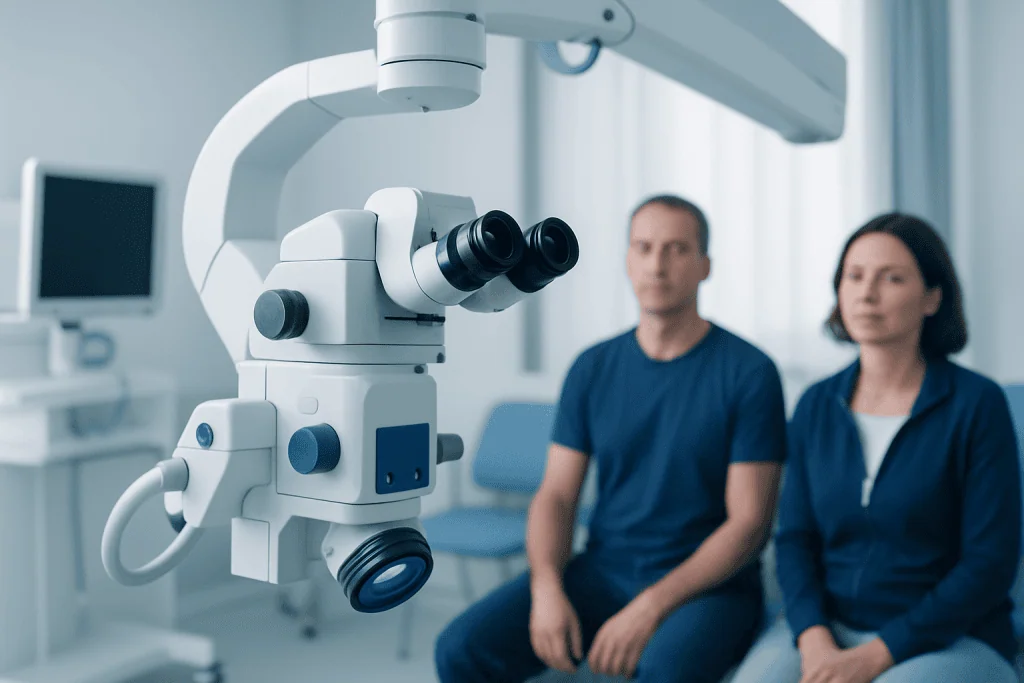
Doctors may recommend hypophysectomy when a pituitary growth is causing symptoms by pressing on nearby structures or by making too much hormone. Common reasons include pituitary adenomas that lead to vision changes, persistent headaches, or hormone-related disorders such as Cushing disease, acromegaly, or some prolactin-secreting or growth hormone-secreting tumors when medical treatment is not enough.
The procedure may also be considered for tumors that continue to grow, do not respond well to medicine, or are suspected to threaten vision because of pressure on the optic chiasm. In some cases, surgery is used to obtain a tissue diagnosis when imaging alone cannot clearly define the problem. People with a large pituitary mass, bleeding into a tumor, or rapid worsening of vision may need urgent evaluation.
Candidacy depends on more than the diagnosis alone. The surgical team considers tumor size, extension into nearby areas such as the cavernous sinus, prior treatments, age, other medical conditions, and baseline pituitary function. Before surgery, patients often undergo MRI scanning, visual field testing, and blood tests to assess hormone levels.
Conditions commonly connected to this procedure include pituitary adenoma and hormone disorders linked to excess pituitary activity. Depending on the underlying diagnosis, surgery may be part of a broader care plan that also includes endocrinology follow-up, medication, or radiation therapy.
Step by step: how the procedure is done

Hypophysectomy is performed under general anesthesia, so the patient is asleep and does not feel pain during the operation. In many hospitals, the surgery is carried out by a neurosurgeon working together with an ENT or skull base surgeon. The most common technique is endoscopic transsphenoidal surgery, which uses a thin camera and fine instruments inserted through the nostril to reach the sphenoid sinus and then the pituitary region.
After reaching the bony wall over the pituitary gland, the surgeon opens the area carefully and identifies the tumor or abnormal tissue. The goal is to remove as much of the lesion as is safely possible while preserving normal structures. If the operation is being done for a hormone-secreting tumor, selective removal may allow normal pituitary tissue to remain. If broader gland removal is necessary, the team prepares for close hormone management afterward.
Once the target tissue is removed, the surgeon checks for bleeding and repairs the surgical pathway. If there is a risk of cerebrospinal fluid leakage, a small graft or seal may be used to close the area. The operation length varies depending on the complexity of the case, prior surgery, and whether the tumor extends beyond the usual surgical corridor.
Some patients need a craniotomy rather than a transsphenoidal approach, but this is less common and usually reserved for tumors with anatomy that cannot be safely reached through the nose. A patient considering pituitary tumor surgery may be advised about the most suitable route based on MRI findings and surgical goals.
Benefits, possible risks, and long-term effects
The potential benefits of hypophysectomy depend on the reason for surgery. For many people, the procedure can reduce pressure on the optic nerves and improve or stabilize vision. It may also lower excess hormone production, which can help control symptoms and prevent long-term complications from endocrine disorders. In some cases, surgery can remove the tumor completely; in others, it can reduce tumor size and improve the effectiveness of medicines or radiation.
Like any operation, hypophysectomy carries risks. These include bleeding, infection, cerebrospinal fluid leak, worsening vision, sinus-related discomfort, and complications related to anesthesia. There is also a risk of damage to normal pituitary tissue, which can lead to partial or complete pituitary hormone deficiency. Some patients may develop diabetes insipidus, a condition that affects water balance and can cause excessive thirst and urination.
Long-term effects vary. Some patients recover with normal or near-normal pituitary function, while others need lifelong hormone replacement to support thyroid, adrenal, sex hormone, or water-balance systems. Regular blood tests and endocrinology follow-up are important after surgery, even when the initial recovery is smooth.
Patients are often helped by understanding that surgical success has different meanings. It may mean complete tumor removal, improved hormone control, better vision, symptom relief, or prevention of further growth. The treating team usually explains which outcome is the main goal in that individual case.
Recovery timeline and what to expect after surgery
After hypophysectomy, patients are monitored closely in the hospital. Doctors watch for changes in alertness, vision, fluid balance, sodium levels, and urine output. Nasal congestion, mild headache, fatigue, and temporary discomfort are common in the early days. The length of stay varies, but many patients having a straightforward transsphenoidal procedure go home within a few days if recovery is stable.
During the first one to two weeks, rest is important, but gentle walking is usually encouraged. Patients are commonly advised to avoid heavy lifting, straining, nose blowing, and activities that increase pressure in the surgical area until the team says it is safe. Follow-up appointments may include review of pathology results, nasal healing, hormone blood tests, and sometimes repeat imaging.
Hormone changes can appear immediately or over time. Some people need temporary hormone medicines during recovery, while others need longer treatment depending on how much normal pituitary function remains. If symptoms such as severe thirst, very frequent urination, dizziness, marked weakness, fever, or clear fluid leaking from the nose occur, prompt medical advice is important.
Recovery can continue for several weeks to months, especially when hormone levels are adjusting. For some people, broader support is part of healing, including endocrinology and metabolic diseases care and, when needed, neurosurgery follow-up. The pace of return to work, driving, exercise, and travel depends on symptoms, medication needs, and the surgeon’s recommendations.
Diagnosis, preparation, and follow-up care
Before hypophysectomy is planned, the medical team confirms the diagnosis and maps the anatomy carefully. MRI is typically the main imaging test because it shows the size of the pituitary lesion and its relationship to the optic nerves and nearby blood vessels. Blood tests are used to assess whether the tumor is overproducing hormones and whether the rest of the pituitary gland is functioning normally. Visual field testing may be needed when there is concern about pressure on vision pathways.
Preparation for surgery often includes review of current medicines, management of blood pressure or diabetes, and discussion of any drugs that affect bleeding. Patients may meet both the surgeon and the endocrinologist to understand the expected goals of surgery and whether hormone replacement might be needed afterward. Knowing the likely postoperative plan can make recovery less stressful.
Follow-up is a key part of treatment, not an afterthought. Even after successful tumor removal, repeat hormone testing and periodic MRI scans may be recommended to check for recurrence or delayed hormone deficiency. This is especially important when surgery is performed for functioning pituitary tumors or when a small amount of tumor must be left behind for safety.
In specialized centers, care is coordinated across several disciplines. Acibadem International’s multidisciplinary specialists in JCI-accredited hospitals diagnose and treat pituitary conditions for international patients, with coordinated assessment in endocrinology, imaging, and skull base surgery when needed.
When to seek medical care
Medical evaluation is important if a person develops symptoms that might suggest a pituitary problem. These can include unexplained vision changes, persistent headaches, menstrual changes, infertility, nipple discharge unrelated to breastfeeding, unusual growth of hands or facial features, unexplained weight changes, or symptoms of hormone imbalance such as fatigue, weakness, or increased thirst and urination.
Anyone recovering from hypophysectomy should contact their doctor promptly for fever, worsening headache, repeated vomiting, increasing drowsiness, severe dehydration, new or worsening visual symptoms, or clear watery drainage from the nose. These symptoms do not always mean a serious complication, but they need timely assessment.
Urgent care is especially important for sudden severe headache, abrupt vision loss, confusion, or inability to keep fluids down. For people with a known pituitary lesion, regular follow-up should not be skipped even when they feel well, because hormone changes and tumor regrowth can develop gradually.
For persistent endocrine symptoms, doctors may also assess related conditions and treatment pathways, including brain and nerve surgery evaluation when surgery is being considered as part of a broader pituitary or skull base care plan.
Frequently asked questions
Is hypophysectomy the same as pituitary tumor surgery?
Not exactly. Hypophysectomy means removal of all or part of the pituitary gland, while pituitary tumor surgery may involve removing only the tumor and preserving as much normal gland tissue as possible. In everyday use, the terms may overlap because many operations in this area are done for pituitary tumors.
How long does it take to recover from hypophysectomy?
Early recovery often takes a few weeks, but full recovery can take longer depending on the surgical approach, the reason for surgery, and whether hormone replacement is needed. Many patients feel tired for some time after the operation and need follow-up visits for blood tests and healing checks.
Will a person need hormone replacement after hypophysectomy?
Some people do, and some do not. The need for hormone replacement depends on how much normal pituitary function remains after surgery and whether the gland was already not working properly beforehand. Doctors usually monitor hormone levels closely after the procedure.
Is hypophysectomy done through the nose?
Often, yes. The most common modern approach is transsphenoidal surgery, which reaches the pituitary gland through the nose and sphenoid sinus using specialized instruments and frequently an endoscope. This can reduce tissue disruption compared with an open skull approach.
What are the most common risks after hypophysectomy?
Important risks include bleeding, infection, cerebrospinal fluid leak, temporary or permanent hormone deficiency, and changes in water balance such as diabetes insipidus. The exact risk profile depends on the tumor’s size and location, the type of surgery, and the patient’s overall health.
Can hypophysectomy cure hormone problems caused by a pituitary tumor?
It can in some cases, especially when the hormone-secreting tumor can be removed completely. However, some patients still need medication, radiation, or long-term monitoring if hormone levels do not fully normalize or if part of the tumor remains.
References
- National Institute of Neurological Disorders and Stroke
- National Institute of Diabetes and Digestive and Kidney Diseases
- Endocrine Society
- American Association of Neurological Surgeons
- Pituitary Society
This article is for general information only and is not a substitute for professional medical advice. Please consult a qualified doctor about your individual situation.
Oncology care in Turkey — second opinion and treatment plan
JCI-accredited · board-certified surgeons · reply within 24h
Add us as a Preferred Source to see more of our trusted health content across Google Search, AI Overviews and Discover.