Ibc Treatment: How It Works, Results and What to Expect

Inflammatory breast cancer often needs treatment to begin promptly because it can grow and spread quickly. Most people receive systemic treatment such as chemotherapy before surgery, followed by radiation therapy.
Key Takeaways
- Inflammatory breast cancer often needs treatment to begin promptly because it can grow and spread quickly.
- Most people receive systemic treatment such as chemotherapy before surgery, followed by radiation therapy.
- Targeted therapy, immunotherapy and hormone therapy may be used depending on tumor test results.
- IBC is diagnosed through clinical examination, breast imaging and a tissue biopsy; skin changes alone do not confirm the diagnosis.
- Ongoing follow-up and supportive care are important during and after treatment.
IBC treatment is a coordinated treatment plan for inflammatory breast cancer, a fast-growing form of breast cancer that is usually treated with chemotherapy first, followed by surgery and radiation therapy. The exact plan depends on cancer subtype, stage, response to treatment and a person’s overall health.
Overview: What Is IBC Treatment?
IBC treatment refers to the combined treatments used for inflammatory breast cancer (IBC). IBC is an uncommon but aggressive form of breast cancer in which cancer cells block lymph vessels in the skin of the breast. This can cause rapid redness, swelling, warmth, thickened skin or an enlarged breast, often without a distinct lump.
Because IBC is generally considered locally advanced at diagnosis, treatment usually uses more than one approach. The standard sequence commonly includes drug treatment first, surgery to remove the affected breast and nearby lymph nodes, and radiation therapy. This combination is intended to treat cancer cells in the breast and lymph nodes while also addressing cancer cells that may have traveled elsewhere in the body.
The care team tailors treatment IBC plans using biopsy results, including hormone receptor and HER2 status, imaging findings, treatment response and personal health needs. A breast surgeon, medical oncologist, radiation oncologist, radiologist, pathologist, oncology nurse and supportive-care professionals may all be involved.
How IBC Treatment Works
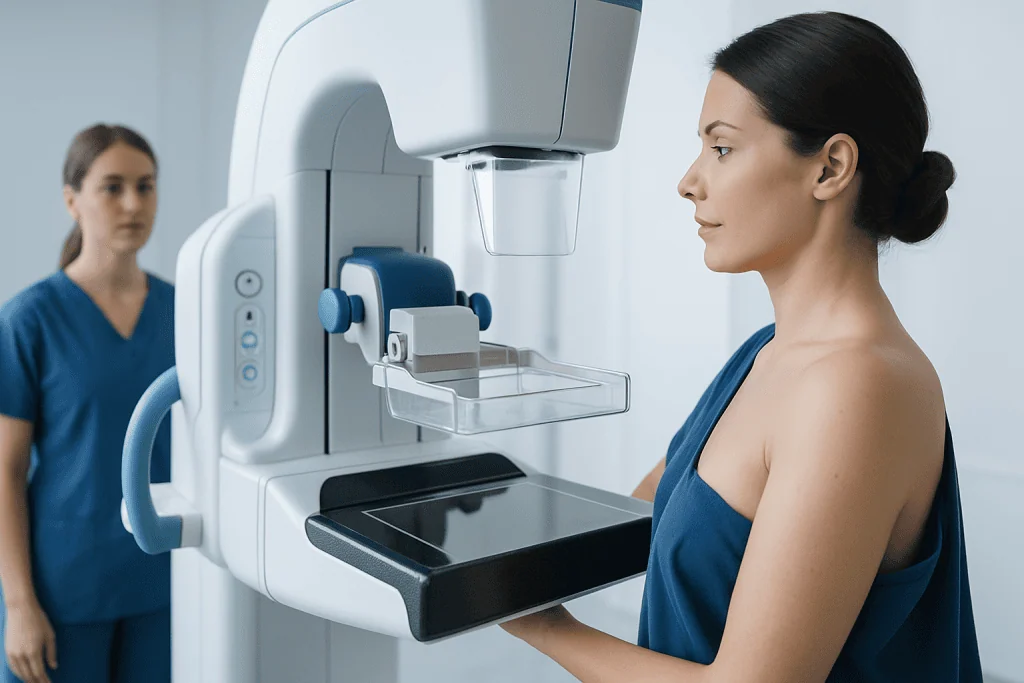
IBC treatment starts with systemic therapy, meaning medication that travels through the bloodstream. Chemotherapy is commonly given first, before an operation. This is called neoadjuvant chemotherapy. It aims to shrink or control the cancer, treat possible microscopic spread and show how the tumor responds to treatment.
Some tumors benefit from additional medicines. HER2-positive IBC is typically treated with HER2-targeted therapy alongside chemotherapy. Immunotherapy may be considered for selected people with triple-negative breast cancer. After surgery, hormone therapy may be recommended when the cancer has hormone receptors. These choices are based on laboratory testing of the biopsy sample.
When the disease has responded sufficiently and surgery is appropriate, the usual operation is a modified radical mastectomy. This removes the breast and evaluates or removes lymph nodes under the arm. Radiation therapy is then usually delivered to the chest wall and regional lymph node areas to lower the chance of cancer returning locally. The order or details may change when IBC has spread to distant organs or when an individual has other important medical considerations.
Who May Be a Candidate for IBC Treatment?

Anyone diagnosed with inflammatory breast cancer should be assessed promptly by a multidisciplinary breast cancer team. Treatment recommendations depend on whether the cancer is confined to the breast and nearby nodes or has spread to distant parts of the body. Even when IBC is metastatic, treatment can often help control the disease, ease symptoms and support quality of life.
Before treatment begins, clinicians review the pathology report, receptor testing, medical history, current medicines and physical fitness for therapy. Imaging may include mammography, ultrasound, breast MRI and scans to look for spread outside the breast. Fertility preservation, menopausal symptoms, heart health and existing conditions may also be discussed before systemic treatment.
Not every person receives the same medicines or has surgery at the same point. A personalized plan balances the likely benefits of treatment with possible side effects and the person’s treatment goals. Asking whether the team has experience with IBC and whether the case will be discussed in a tumor board can help patients understand how their care is being coordinated.
Step by Step: Diagnosis, Treatment and Recovery
For people wondering IBC how to diagnose, the process begins with a clinical breast examination and urgent imaging. A core needle biopsy of breast tissue is needed to confirm cancer and test for hormone receptors and HER2. A skin biopsy may sometimes be performed, but cancer cells are not found in every skin sample; diagnosis is based on the overall clinical, imaging and pathology picture.
After staging tests, systemic therapy is usually started first and is given in cycles over several months. The oncology team monitors symptoms, blood tests and treatment response. Imaging may be repeated before surgery. If surgery is planned, recovery often involves a hospital stay or outpatient care depending on the procedure, followed by several weeks of healing and gradual return of shoulder movement with guidance from the care team.
Radiation treatment generally begins after adequate surgical healing. It is usually delivered on weekdays over a planned course, although the schedule varies. Follow-up visits continue after active treatment to manage late effects, monitor for recurrence and provide rehabilitation, emotional support and survivorship care.
At Acibadem International, multidisciplinary specialists in JCI-accredited hospitals can evaluate and treat inflammatory breast cancer for international patients, coordinating diagnostic testing, systemic treatment, surgery and radiation care when appropriate.
Benefits, Risks and Side Effects of Treatment
The main benefit of combined IBC treatment is that it addresses the cancer with several complementary methods. Systemic therapy treats cancer throughout the body, surgery removes visible disease in the breast and lymph nodes, and radiation helps reduce the risk of cancer returning in the treated area. Response to initial treatment can also provide valuable information for planning later care.
Side effects vary by medication and treatment type. Chemotherapy may cause tiredness, nausea, reduced blood counts, infection risk, hair loss, numbness or tingling, and changes in appetite. Targeted therapy, immunotherapy and hormone therapy have their own possible effects, which the oncology team will review. Some treatments require monitoring of heart, liver, thyroid or other organ function.
Surgery can cause pain, wound-healing concerns, reduced shoulder mobility, numbness and lymphedema, which is swelling caused by impaired lymph drainage. Radiation may cause temporary skin redness, fatigue and tightness in the treated area, with some effects developing later. Patients should tell their team about new or worsening symptoms early, as many side effects can be prevented, monitored or treated.
- Supportive care may include anti-nausea treatment, nutrition guidance, physical therapy and counseling.
- Fertility and menopause concerns should be discussed before treatment starts when relevant.
- Reconstructive surgery is often considered later rather than at the time of mastectomy in IBC, because radiation is usually needed.
How Fast Does IBC Breast Cancer Spread?
Inflammatory breast cancer can progress more quickly than many other breast cancers. Symptoms may develop over weeks to a few months, and IBC can involve lymph nodes or spread beyond the breast by the time it is diagnosed. However, the speed of growth differs from person to person and cannot be predicted from symptoms alone.
This is why new breast redness, warmth, swelling, thickened or dimpled skin, a newly inverted nipple, or enlarged underarm lymph nodes should be assessed without delay. These symptoms can also result from infection or other noncancerous conditions, but persistent or worsening changes need careful medical evaluation.
Prompt assessment does not mean assuming cancer is present. It means ensuring that appropriate imaging and biopsy are arranged when needed, so that treatment can begin promptly if IBC is confirmed.
What Does Stage 1 Inflammatory Breast Cancer Look Like?
Stage 1 inflammatory breast cancer does not occur under current breast cancer staging definitions. Because IBC involves characteristic skin changes over a significant portion of the breast and is classified as at least T4d disease, it is generally stage III when there is no distant spread, or stage IV when distant spread is present.
IBC may look like a breast that is red, swollen, warm or tender, sometimes with skin thickening that resembles an orange peel. The breast may appear larger or feel heavier, and the nipple may flatten or turn inward. A breast lump may be absent, which is one reason IBC can be mistaken for an infection.
Visual appearance cannot determine the stage. Staging requires clinical examination, biopsy confirmation and imaging to assess the breast, lymph nodes and possible spread elsewhere in the body.
What Are the Odds of Surviving Inflammatory Breast Cancer?
Survival with inflammatory breast cancer depends on many factors, including whether the cancer has spread at diagnosis, tumor biology, response to treatment, age, general health and access to coordinated care. Population survival figures describe large groups and cannot predict what will happen for one individual.
Outcomes have improved as systemic therapies, HER2-targeted treatments, radiation techniques and supportive care have advanced. People diagnosed with IBC should discuss their own outlook with their oncology team, who can interpret the stage, pathology findings and response to therapy in context.
It can be helpful to ask about the goal of each treatment, how response will be measured and what further options may be available if the cancer does not respond as expected. Emotional support, family involvement and cancer support services are also important parts of care.
How Long Does IBC Take to Progress and When to Seek Medical Care
IBC may develop and progress over a relatively short period, often weeks to months, but there is no reliable timetable for an individual case. A change that does not improve quickly, or that continues despite treatment for a presumed breast infection, deserves urgent reassessment. Waiting for a lump to appear is not recommended.
Medical care should be sought promptly for new breast redness, swelling, warmth, rapid enlargement, peau d’orange skin texture, nipple changes, unexplained breast pain or swelling of lymph nodes near the collarbone or under the arm. Fever and breast redness can occur with infection, particularly during breastfeeding, but a clinician should confirm the cause and arrange follow-up if symptoms do not improve.
After diagnosis, patients should contact their cancer team urgently for fever during chemotherapy, signs of infection, sudden shortness of breath, chest pain, severe swelling, uncontrolled vomiting, confusion or any symptom they have been told may require immediate attention. Regular follow-up and open communication with the care team help make treatment as safe and effective as possible.
Frequently asked questions
What is the usual first treatment for IBC?
Chemotherapy or another appropriate systemic treatment is usually given first for inflammatory breast cancer. This approach treats possible cancer cells beyond the breast and may shrink the disease before surgery. The medicines used depend on the tumor’s receptor and HER2 test results.
Can inflammatory breast cancer be treated with surgery alone?
Surgery alone is generally not considered sufficient for IBC. Most people receive systemic therapy before surgery and radiation therapy after surgery because IBC has a higher risk of involving nearby lymph nodes or spreading beyond the breast. The treatment plan should be individualized by a breast cancer team.
Is a breast lump always present with inflammatory breast cancer?
No. Many people with IBC do not have a clearly defined lump. Instead, the disease may cause redness, swelling, skin thickening, warmth or changes in breast size and shape.
Can antibiotics treat inflammatory breast cancer?
Antibiotics do not treat inflammatory breast cancer, although they may be appropriate when a clinician suspects a breast infection. If redness and swelling do not improve as expected, further evaluation with imaging and biopsy is important. Persistent symptoms should not be assumed to be an infection without follow-up.
Can breast reconstruction be done after IBC treatment?
Breast reconstruction may be possible for many people after IBC treatment. Because radiation therapy is usually part of care, reconstruction is often delayed until cancer treatment and healing are complete. A breast surgeon and plastic surgeon can explain the timing and options that fit the individual situation.
How is treatment response checked during IBC treatment?
The care team monitors changes in breast and skin symptoms, physical examination findings, blood tests and treatment side effects. Imaging may be repeated to evaluate the breast and lymph nodes before surgery. The surgical pathology report also provides important information about response to preoperative treatment.
References
- National Cancer Institute
- American Cancer Society
- National Comprehensive Cancer Network
- European Society for Medical Oncology
- Breast Cancer Research Foundation
This article is for general information only and is not a substitute for professional medical advice. Please consult a qualified doctor about your individual situation.
Oncology care in Turkey — second opinion and treatment plan
JCI-accredited · board-certified surgeons · reply within 24h
Add us as a Preferred Source to see more of our trusted health content across Google Search, AI Overviews and Discover.