

Ice Burn: A Complete Medical Overview

Ice burns can occur after direct contact with ice packs, frozen food, cold packs, dry ice, or compressed gas products. Early symptoms may include numbness, stinging, pale skin, redness, swelling, or a firm, waxy appearance.
Key Takeaways
- Ice burns can occur after direct contact with ice packs, frozen food, cold packs, dry ice, or compressed gas products.
- Early symptoms may include numbness, stinging, pale skin, redness, swelling, or a firm, waxy appearance.
- The safest first aid is to remove the cold source and warm the area gradually in comfortably warm water; do not rub the skin.
- Blistering, persistent numbness, dark skin color, severe pain, or injury over a large area needs prompt medical assessment.
- A cloth barrier and time limits help prevent ice pack burns during home treatment.
An ice burn is an injury caused when skin is exposed directly or for too long to ice, frozen items, or very cold materials. Although it may resemble a heat burn, it is a cold-related injury that should be warmed gradually, protected from further damage, and assessed by a clinician if it is severe or does not improve.
What Is an Ice Burn?
An ice burn, also called a cold burn, is damage to the skin and sometimes deeper tissue caused by intense cold. It can happen when ice, a gel pack, a frozen object, dry ice, or a cold aerosol product stays in direct contact with the body. The injury develops because cold can constrict blood vessels, reduce blood flow, and allow fluid within tissues to form damaging ice crystals.
Despite its name, an ice burn is not caused by heat. It belongs to the same broad spectrum of cold injuries as frostbite, although many ice burns are localized and less severe. A brief episode may cause temporary redness and discomfort, while prolonged exposure can lead to blistering, loss of sensation, and deeper tissue damage.
Ice burns commonly affect the hands, fingers, feet, toes, face, and areas where an ice pack has been held against the skin, such as the knee, shoulder, back, or ankle. Children, older adults, and people with reduced sensation or circulation may be more likely to develop significant injury without noticing the warning signs early.
How an Ice Burn Looks and Feels
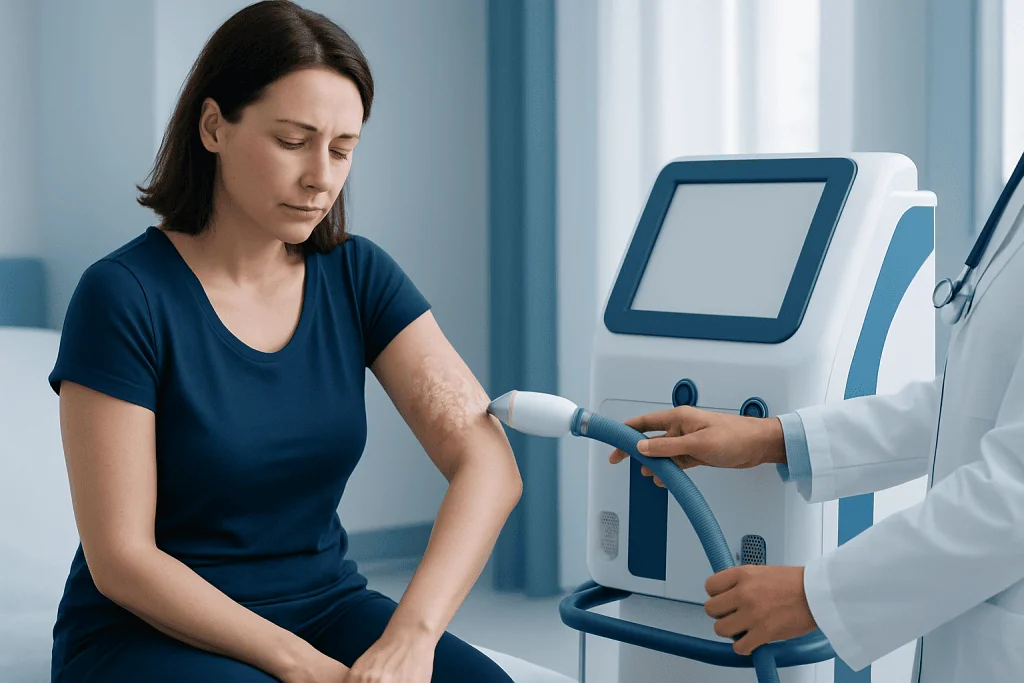
The appearance and sensation of an ice burn can change as the skin warms. During exposure, the area may first feel intensely cold, prickly, stinging, or painful. It may then become numb, which can be misleading because numbness does not mean the tissue is safe.
Early signs can include pale, white, grayish-yellow, or unusually red skin. The skin may look shiny or feel firm, hard, waxy, or less flexible than surrounding skin. After gradual warming, tingling, aching, burning discomfort, swelling, and redness may occur as circulation returns.
More serious cold injury may cause clear or blood-filled blisters, persistent loss of sensation, marked swelling, or skin that turns blue, purple, gray, or black. These changes may not be fully apparent immediately. It can take hours or longer for the depth of injury to become clearer, so the area should be monitored carefully after first aid.
- Mild injury: redness, temporary numbness, tingling, and mild swelling without blisters.
- Possible deeper injury: waxy or hard skin, blisters, ongoing numbness, severe pain after warming, or dark discoloration.
- Emergency features: extensive skin color change, severe swelling, signs of infection, or an injury involving a large body area.
Common Causes and Risk Factors

The most frequent cause is placing ice or a frozen pack directly on bare skin. This can occur when treating a sports injury, headache, bruising, muscle pain, or swelling. Even a commercially prepared cold pack can cause injury if it is used for too long, tightly secured, or placed beneath body weight while a person rests or sleeps.
Other causes include touching dry ice, handling frozen metal, using cooling sprays or aerosol products incorrectly, and prolonged outdoor cold exposure. Dry ice is especially hazardous because it is far colder than ordinary water ice and can cause serious tissue injury very quickly. Cold aerosol products can also cool the skin rapidly as the gas expands and evaporates.
Risk is greater when a person cannot feel or respond to the cold normally. This includes people with diabetes-related nerve damage, peripheral neuropathy, circulation problems, Raynaud’s phenomenon, spinal cord injuries, reduced consciousness, or impaired mobility. Alcohol or sedative use may also reduce awareness of cold exposure. Babies and young children need close supervision because their skin is delicate and they may not communicate discomfort clearly.
Immediate First Aid for an Ice Burn
The first step is to remove the source of cold exposure. If clothing, jewelry, or another item is stuck to the skin, it should not be pulled away forcefully. Instead, the area should be warmed gently until the item can be removed without tearing the skin. A person should move to a warm environment and avoid further cold exposure.
Gradual rewarming is usually recommended. The affected area may be placed in comfortably warm, not hot, water for around 15 to 30 minutes, or warmed with warm, wet cloths that are changed as they cool. The water should feel warm to an unaffected hand, never scalding. Rewarming may be uncomfortable, but high heat can worsen injury because cold-damaged skin may not sense temperature accurately.
The skin should not be rubbed, massaged, scratched, or exposed to direct heat from a radiator, heating pad, hair dryer, stove, or fire. These measures can further damage fragile tissue. Blisters should not be punctured. After warming, the area can be loosely covered with a clean, dry, non-stick dressing, and the affected limb may be elevated if swelling is present.
If the person is fully awake and able to swallow, warm non-alcoholic fluids may support general warming. Pain relief may be appropriate for some people, but a pharmacist or clinician can help identify options that are safe in the context of individual health conditions and medicines. Repeated freezing and thawing should be avoided, as it can increase tissue damage.
Medical Assessment and Treatment Options
A clinician assesses an ice burn by examining skin color, temperature, sensation, swelling, circulation, movement, and blistering. The person may be asked how long the exposure lasted, what caused it, whether the area was rewarmed, and whether they have medical conditions that affect nerves, immunity, or circulation. The true depth of a cold injury can evolve over time, so follow-up may be needed.
Mild injuries may only require wound protection, pain management, and observation while the skin heals. For more significant injuries, treatment may include professional wound cleaning, specialized dressings, blister care, tetanus vaccination review, and monitoring for infection. Antibiotics are not routinely required for every cold injury, but may be used when a clinician identifies infection or another clear indication.
Deep frostbite-like injuries can require care in an emergency or specialist setting. Clinicians may use imaging or other tests to evaluate blood flow and tissue involvement when needed. Severe cases sometimes require advanced wound management, rehabilitation, or surgery after the injured tissue has declared its full extent. Early medical evaluation offers the best opportunity to protect function and support healing.
Acibadem International’s multidisciplinary specialists and JCI-accredited hospitals can assess and treat cold-related skin injuries for international patients when specialist care is needed.
Prevention and Safe Ice Pack Use
Ice packs can be useful for short-term pain and swelling after minor injuries, but they should be used with care. A thin, dry cloth or towel should always be placed between the cold pack and the skin. A cold pack should not be strapped tightly enough to prevent normal circulation, and it should not be used while sleeping.
Time limits are important. In general, cold therapy should be used in short sessions with breaks between applications, following advice from a clinician, physiotherapist, or product instructions. The skin should be checked regularly during treatment. If numbness, burning, increasing pain, pale skin, blotchy color, or unusual firmness develops, the pack should be removed immediately.
People with reduced sensation, poor circulation, diabetes, known vascular disease, or cold sensitivity should ask a healthcare professional whether cold therapy is suitable. They may need a different approach to symptom relief. Extra care is also appropriate after surgery or injury, when swelling, bandages, or reduced feeling may make it harder to recognize excessive cold exposure.
Dry ice should be handled only with suitable protective gloves and tools, never with bare hands. Cooling sprays and similar products should be used only as directed and should not be sprayed on one small area for prolonged periods. Keeping cold items away from young children can prevent accidental exposure.
When to Seek Medical Care
Medical advice should be sought promptly for blistering, severe or worsening pain, persistent numbness after rewarming, loss of movement, or skin that remains pale, blue, gray, purple, or black. Care is also important when the injury covers a large area, involves the face, hands, feet, genitals, or a major joint, or was caused by dry ice or a chemical cold product.
Urgent assessment is particularly important for infants, older adults, and people with diabetes, nerve damage, impaired circulation, immune suppression, or a history of poor wound healing. These groups may develop complications more easily and may not experience typical warning symptoms.
A person should also contact a clinician if redness spreads, warmth, swelling, pus, fever, or increasing tenderness develops in the days after the injury, as these may suggest infection. If there is concern about a severe cold injury, emergency services or an emergency department should be used rather than attempting prolonged home treatment.
Frequently asked questions
Is an ice burn the same as frostbite?
An ice burn is a cold-related injury and may be considered part of the frostbite spectrum. It often refers to a localized injury caused by direct contact with ice or a cold pack, while frostbite is commonly associated with environmental cold exposure. Both can damage skin and deeper tissues if severe.
How long does an ice burn take to heal?
A mild ice burn may improve over several days, although redness or sensitivity can last longer. Injuries with blisters or deeper skin changes can take weeks or more to heal. Healing time depends on the depth, location, circulation, and whether complications such as infection occur.
Should an ice burn be treated with hot water?
No. Very hot water can burn cold-damaged skin and may worsen tissue injury. The affected area should be rewarmed gradually using comfortably warm water or warm wet cloths.
Can an ice pack cause a burn through clothing?
Yes, especially if it is used for a long time, is very cold, or is tightly secured against the body. A cloth barrier reduces risk, but it does not make prolonged exposure safe. The skin should be checked often during cold therapy.
Should ice burn blisters be popped?
No. Blisters help protect the underlying tissue, and opening them can increase the chance of infection. They should be covered loosely with a clean non-stick dressing and assessed by a healthcare professional if they are large, bloody, painful, or located on a sensitive area.
Can an ice burn leave a scar?
Superficial ice burns often heal without scarring. Deeper injuries may cause changes in skin color, sensitivity, texture, or scarring. Prompt assessment and appropriate wound care can help support the best possible healing.
This article is for general information only and is not a substitute for professional medical advice. Please consult a qualified doctor about your individual situation.
Explore treatments in Turkey — costs, top hospitals & a free quote
JCI-accredited · board-certified surgeons · reply within 24h
Add us as a Preferred Source to see more of our trusted health content across Google Search, AI Overviews and Discover.

More from the Health Library

Trimethylaminuria: What Patients Need to Know

Swayback: An Evidence-Based Guide for Patients

Healthy Lifestyle: A Complete Medical Overview

Emergency Dentist: An Evidence-Based Guide for Patients

Ingrown Hair on Testis: An Evidence-Based Guide for Patients

Diabetic Compression Socks: An Evidence-Based Guide for Patients
Aesthetic Plastic & Reconstructive Surgery Specialists at Acibadem

Dr. Abdullah Etöz
Aesthetic Plastic & Reconstructive Surgery
Assoc. Prof. Dr. Ahmet Küçükçelebi
Aesthetic Plastic & Reconstructive Surgery
Dr. Ayşe İrem İskenderoğlu
Aesthetic Plastic & Reconstructive Surgery
Asst. Prof. Dr. Berkhan Yılmaz
Aesthetic Plastic & Reconstructive Surgery