Ileus: A Complete Medical Overview

Ileus is a problem with bowel movement rather than always a mechanical blockage. Common symptoms include bloating, abdominal discomfort, nausea, vomiting, and difficulty passing stool or gas.
Key Takeaways
- Ileus is a problem with bowel movement rather than always a mechanical blockage.
- Common symptoms include bloating, abdominal discomfort, nausea, vomiting, and difficulty passing stool or gas.
- It often happens after surgery, with certain medicines, infections, or electrolyte imbalance.
- Diagnosis usually involves a physical exam, medical history, blood tests, and imaging such as X-ray or CT.
- Treatment depends on the cause and may include bowel rest, fluids, medication review, and treatment of the underlying problem.
Ileus meaning refers to a temporary loss or slowing of normal bowel movement, so food, fluid, and gas do not move through the intestines as they should. It is not always a physical blockage, but it can cause similar symptoms and may need prompt medical care.
Overview: What Does Ileus Mean?
Ileus meaning is a temporary slowing or stopping of the intestines’ normal movement. In a healthy digestive system, wave-like muscle contractions move food, fluid, and gas forward. In ileus, that movement becomes weak or pauses, so the bowel contents build up instead of passing normally.
This condition is often described as “non-mechanical” because the bowel may not be blocked by a tumor, scar tissue, or a twisted segment. Instead, the intestinal muscles and nerves are not working effectively for a period of time. Even so, ileus can feel very similar to a blockage and may cause swelling, pain, nausea, and vomiting.
Ileus is especially common after abdominal surgery, when the intestines need time to “wake up” again. It can also develop because of infection, inflammation, electrolyte disturbances, certain medicines, or serious illness. Doctors usually treat ileus by identifying the cause, supporting hydration and nutrition, and allowing the bowel to recover safely.
How Ileus Affects the Digestive System
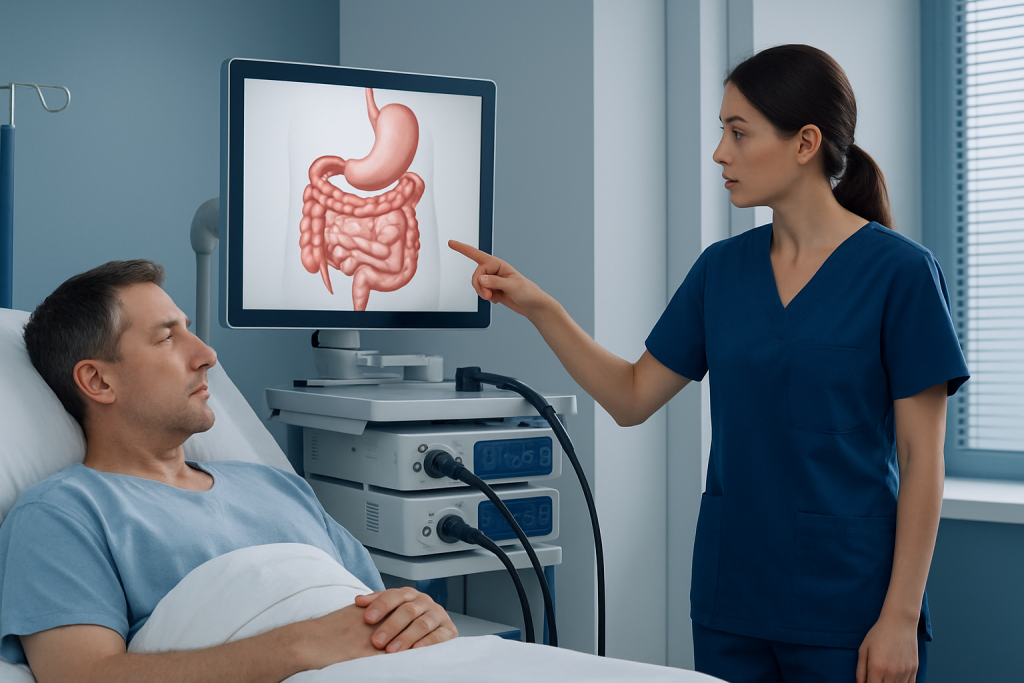
The intestines depend on coordinated signals between muscles, nerves, hormones, and electrolytes. When these signals are disrupted, bowel movement slows down. Gas and fluid may collect inside the intestine, causing the abdomen to feel distended, tight, or uncomfortable.
This is one reason ileus can resemble a bowel obstruction. However, in a mechanical obstruction, something physically blocks the bowel. In ileus, the intestine is usually present and open, but it is not moving effectively. Doctors often distinguish between the two because the treatment approach may differ.
Some people hear the term “paralytic ileus,” which means the bowel is temporarily inactive. This can happen after surgery, trauma, severe infection, or with medicines that reduce gut movement. In some situations, an ileus may occur alongside other digestive disorders, and doctors may also consider conditions such as bowel obstruction or inflammation of the abdomen when evaluating symptoms.
Symptoms of Ileus
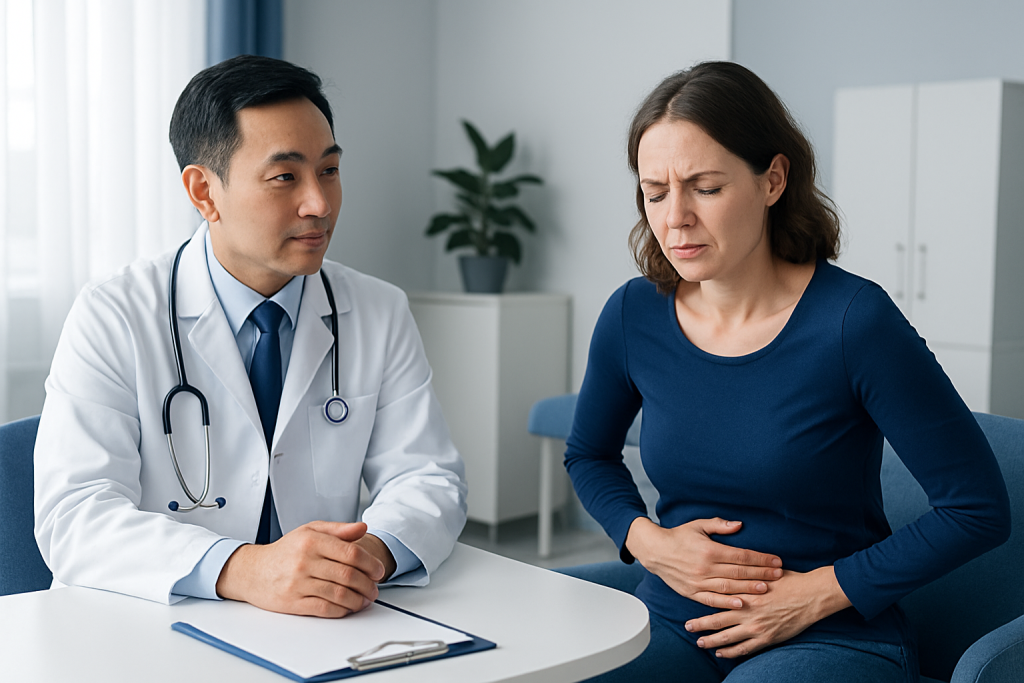
Symptoms can vary depending on how much of the bowel is affected and how long the problem has been present. Many people notice abdominal bloating, cramping, a feeling of fullness, nausea, or vomiting. They may also have difficulty passing stool or gas.
The abdomen may look swollen, and eating may make discomfort worse. Some people have mild, dull discomfort, while others feel more significant pain or pressure. In postoperative ileus, symptoms often appear in the days after surgery if the bowel does not resume normal function as expected.
Possible symptoms include:
- Abdominal bloating or distension
- Nausea or vomiting
- Reduced appetite
- Constipation or inability to pass stool
- Not passing gas
- Abdominal discomfort or cramping
- Feeling full quickly
Symptoms of ileus should not be ignored, especially if they are getting worse, are accompanied by fever, or follow a recent operation. Because symptoms overlap with other urgent abdominal conditions, medical assessment is important.
Causes and Risk Factors
A common cause of ileus is recent surgery, especially abdominal or pelvic surgery. Anesthesia, handling of the intestines during the procedure, pain medicines, and the body’s stress response can all temporarily slow bowel movement. This is often called postoperative ileus.
Medicines are another important cause. Opioid pain medicines are well known for slowing the intestines, but some other drugs can contribute as well, including certain anticholinergic medicines and medications that affect nerve function. Electrolyte imbalances, particularly low potassium, may also interfere with normal muscle activity in the bowel.
Inflammation or illness elsewhere in the body can trigger ileus too. Examples include severe infections, pancreatitis, pneumonia, trauma, and reduced blood flow to the intestines. Neurologic disease, diabetes-related nerve dysfunction, and prolonged bed rest may also play a role in some patients.
Risk factors include:
- Recent abdominal surgery
- Use of opioid pain medicine
- Electrolyte imbalance
- Severe infection or inflammation
- Advanced illness or hospitalization
- Older age
- Previous digestive or abdominal problems
How Ileus Is Diagnosed
Diagnosis starts with the story of symptoms and a physical examination. A doctor will ask when symptoms began, whether the person has passed stool or gas, what medicines they take, and whether there has been recent surgery or illness. The abdomen is examined for swelling, tenderness, bowel sounds, and signs that suggest obstruction or inflammation.
Blood tests may help look for dehydration, infection, inflammation, or electrolyte abnormalities. Imaging is often needed because symptoms alone cannot reliably distinguish ileus from other bowel problems. Abdominal X-rays may show gas-filled loops of bowel, while CT scans can provide more detail and help rule out a mechanical blockage or other complications.
In some cases, ultrasound or contrast studies may be used depending on the clinical setting. The main goal is not only to confirm ileus but also to find the underlying reason it happened. If a person has severe or persistent symptoms, imaging is particularly important to identify whether urgent treatment is needed.
When more complex digestive evaluation is required, care may involve specialists in gastroenterology assessment and hospital-based monitoring. The diagnostic process is guided by the person’s symptoms, medical history, and overall condition.
Treatment Options and Recovery
Treatment depends on the cause, severity, and whether there is concern for a true blockage. Many cases improve with supportive care. This may include temporarily stopping food by mouth, giving intravenous fluids, correcting electrolytes, and reviewing medicines that may be slowing the bowel.
If nausea and vomiting are significant, doctors may use a tube through the nose into the stomach to relieve pressure and remove trapped fluid. Pain control is important, but clinicians often try to reduce or replace opioid medicines when possible because they can worsen ileus. Early mobilization after surgery, such as gentle walking, may help bowel function recover.
When ileus is related to another medical issue, that underlying problem also needs treatment. For example, doctors may treat infection, inflammation, or metabolic imbalance. If imaging suggests a mechanical obstruction rather than ileus, the person may need closer observation or procedures such as surgical evaluation and treatment.
Recovery time varies. A short postoperative ileus may settle in a few days, while ileus linked to serious illness may last longer. Careful follow-up helps ensure symptoms are improving and that eating can restart safely. In advanced cases or when there is concern about bowel function, hospital teams may coordinate with colorectal surgery specialists and other disciplines.
Prevention, Self-care, and When to Seek Medical Care
It is not always possible to prevent ileus, but some steps may reduce risk. After surgery, following medical advice about walking, hydration, and diet progression can support bowel recovery. Patients should take medicines only as directed and ask their doctor if any could contribute to constipation or slowed bowel movement.
At home, people should not try to manage severe symptoms on their own with repeated laxatives or large meals. If abdominal swelling, vomiting, or inability to pass gas is present, self-treatment may delay proper care. Gentle activity, good fluid intake when allowed, and careful attention to medication side effects are generally more helpful than forcing the bowel.
Medical care should be sought promptly for persistent vomiting, severe or worsening abdominal pain, a hard or markedly swollen abdomen, fever, blood in stool, or inability to pass stool or gas for an extended period with discomfort. These symptoms can occur with ileus but also with more urgent conditions that need rapid evaluation.
For people needing specialist evaluation, Acibadem International’s multidisciplinary teams in JCI-accredited hospitals diagnose and treat digestive conditions for international patients. Depending on the cause, doctors may also assess related disorders such as appendicitis or other abdominal conditions that can mimic ileus.
Frequently asked questions
Is ileus the same as a bowel obstruction?
Not exactly. Ileus usually means the bowel is not moving properly, while a bowel obstruction usually means something is physically blocking it. The symptoms can overlap, so doctors often need imaging tests to tell the difference.
How serious is ileus?
Ileus can range from mild and short-lived to more significant, especially after surgery or during serious illness. It is often treatable, but it should be assessed because dehydration, vomiting, and complications can develop if symptoms persist.
How long does postoperative ileus last?
Many cases improve within a few days after surgery as bowel movement returns. The exact timing depends on the type of surgery, overall health, pain medicines, and whether there are complications. A doctor can advise what is expected in a specific case.
Can ileus go away on its own?
Some mild cases improve with supportive care and time, especially when the cause is temporary. However, symptoms such as ongoing vomiting, severe bloating, or inability to pass gas should not be ignored because they may also suggest obstruction or another urgent problem.
What foods should be avoided with ileus?
If ileus is suspected, a person should follow the medical team’s advice rather than choosing foods on their own. Doctors may recommend avoiding food temporarily until bowel function improves, then restarting with a gradual diet progression.
Can constipation cause ileus?
Constipation and ileus are different problems, but they can feel similar. Severe constipation may worsen abdominal discomfort and can sometimes make evaluation more complicated. A doctor can determine whether symptoms are due to constipation, ileus, or another bowel condition.
References
- National Institute of Diabetes and Digestive and Kidney Diseases
- National Health Service
- Merck Manual Professional Edition
- American College of Gastroenterology
This article is for general information only and is not a substitute for professional medical advice. Please consult a qualified doctor about your individual situation.
Persistent digestive symptoms? Get evaluated in Turkey
JCI-accredited · board-certified surgeons · reply within 24h
Add us as a Preferred Source to see more of our trusted health content across Google Search, AI Overviews and Discover.

More from the Health Library

Autophobia: What Patients Need to Know

Vyleesi: An Evidence-Based Guide for Patients

Hinge Joint: An Evidence-Based Guide for Patients

Heating Pad for Cramps: An Evidence-Based Guide for Patients

OCD: What Patients Need to Know