Heating Pad for Cramps: An Evidence-Based Guide for Patients

A heating pad for cramps can provide short-term relief, especially for menstrual and muscle-related cramping. Heat should feel warm, not hot, and should be used in short sessions to lower the risk of burns.
Key Takeaways
- A heating pad for cramps can provide short-term relief, especially for menstrual and muscle-related cramping.
- Heat should feel warm, not hot, and should be used in short sessions to lower the risk of burns.
- Heat may not be appropriate if cramps are caused by infection, significant swelling, numb skin, or an urgent medical problem.
- Severe, worsening, unusual, or recurrent cramps should be assessed by a qualified doctor.
- Self-care measures such as hydration, gentle movement, and rest may support symptom relief.
A heating pad for cramps can help reduce pain by relaxing muscles and improving local blood flow, and many people find it useful for menstrual cramps and some muscle-related abdominal discomfort. It works best when used safely, for limited periods, and alongside medical advice if cramps are severe, new, or persistent.
Overview: Does a Heating Pad Help Cramps?
Yes, a heating pad for cramps can help many people. Heat often reduces cramp pain by relaxing tight muscles and increasing blood flow to the area, which may lessen the sensation of pain and stiffness. This is especially common with menstrual cramps, lower abdominal discomfort linked to muscle tension, and some back pain that happens alongside cramping.
Heat is a symptom-relief tool rather than a cure for the underlying cause. In other words, it may help a person feel more comfortable while the body settles, but it does not treat conditions such as infection, endometriosis, kidney stones, or digestive disease. That is why the context of the cramp matters.
Compared with many online summaries, the most useful patient question is not only whether heat works, but when it is appropriate, how to use it safely, and when it may delay proper diagnosis. A practical, evidence-based approach looks at the likely source of the cramp, the pattern of symptoms, and any warning signs.
How Heat Therapy Works
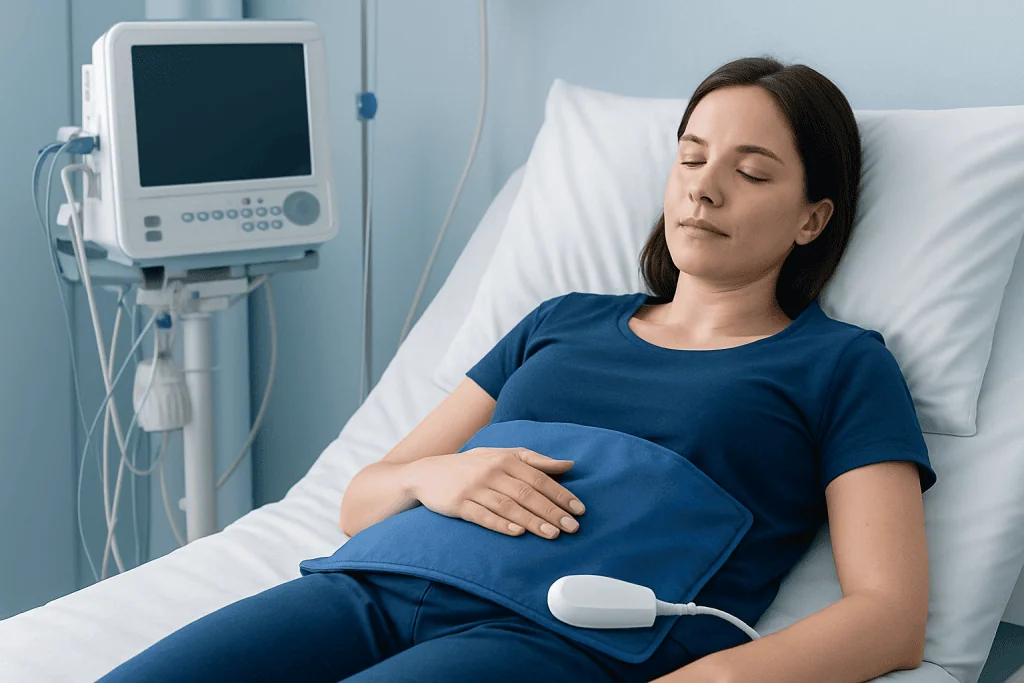
Heat therapy, also called thermotherapy, acts on tissues close to the skin surface. Gentle warmth can relax muscle fibers, reduce the feeling of tightness, and improve comfort in the lower abdomen, pelvis, or lower back. For people with menstrual cramps, this may ease the uterine muscle spasm-like pain that causes cramping.
Heat can also change how pain signals are perceived. When warmth stimulates the skin, it may compete with pain signals traveling to the brain, making discomfort feel less intense. This is one reason many people describe a heating pad as soothing even when it does not remove the cramp entirely.
Different types of heat can be used, including electric heating pads, hot water bottles, adhesive heat wraps, and microwaveable packs. The main goal is steady, comfortable warmth rather than very high temperatures. Strong heat does not work better and raises the risk of skin injury.
Heat tends to be most helpful for cramps related to muscle tension or menstruation. If cramping is due to another cause, such as endometriosis, bowel irritation, or a urinary problem, heat may still provide temporary comfort, but medical assessment may be needed to address the source.
Which Types of Cramps May Improve With a Heating Pad?
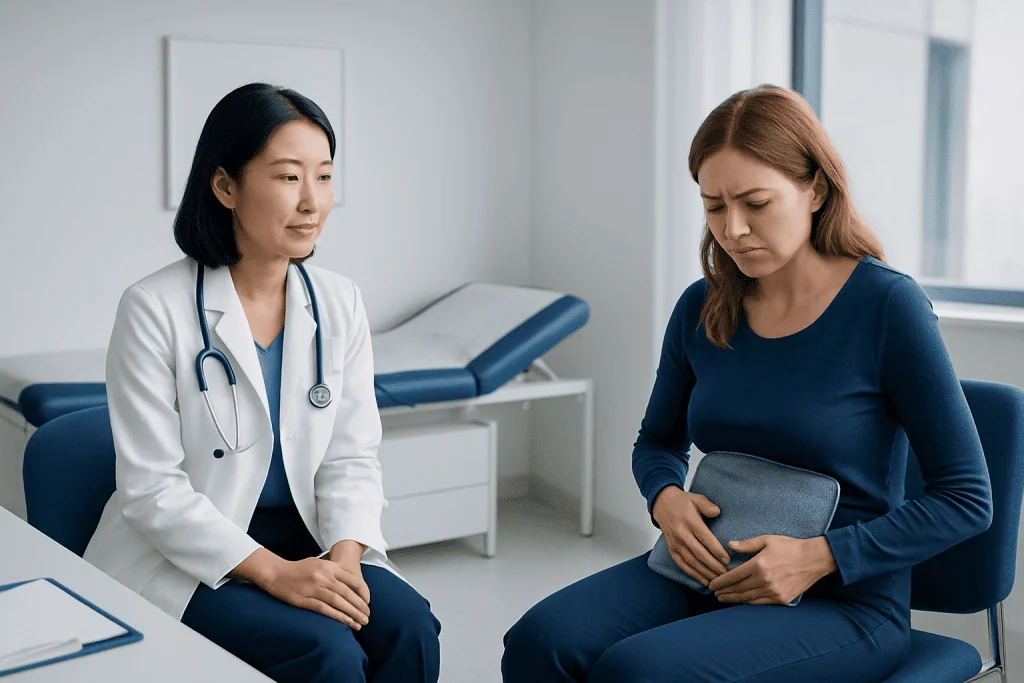
A heating pad for cramps is most commonly used for menstrual cramps. Many patients find that applying gentle heat to the lower abdomen or lower back reduces pain enough to make daily activities more manageable. Some use heat on its own, while others combine it with rest, hydration, and clinician-recommended pain relief.
Heat may also help cramps linked to overused or strained muscles. For example, lower abdominal or pelvic-area muscle tightness after exercise, prolonged sitting, or tension can feel better with warmth. In these cases, heat is often paired with light stretching and temporary activity modification.
Some people use heat for abdominal discomfort related to bloating or digestive spasms. Warmth may feel calming, but digestive pain can have many causes. If cramping comes with vomiting, fever, swelling, constipation that does not improve, or blood in the stool, heat should not replace medical evaluation.
Heat is not the best choice for every situation. Sudden severe pain, pain on one side, pain with fainting, cramps during pregnancy, or pain with heavy bleeding may signal a more urgent problem. Conditions such as ovarian cyst or appendicitis need proper diagnosis rather than home treatment alone.
How to Use a Heating Pad Safely
Safe use is essential. A heating pad should feel warm and comfortable, not hot or burning. It is best placed over clothing or a thin layer of fabric rather than directly on bare skin, especially with electric pads or reusable gel packs. This helps protect the skin and lowers the chance of burns.
Short sessions are generally the safest approach. Many people use heat for about 15 to 20 minutes at a time, then remove it and check the skin. If the skin becomes very red, painful, or blotchy, the heat is too intense or has been used too long. It is safer to repeat short sessions than to leave a heating pad on continuously.
People should avoid sleeping with an electric heating pad, since prolonged unnoticed exposure can cause burns. Extra caution is needed for infants, older adults, and anyone with reduced sensation, diabetes-related nerve problems, spinal cord disorders, or skin conditions that make heat harder to feel accurately.
A person may also consider a warm bath or shower if a heating pad is not available. If cramps are recurrent and significantly affect quality of life, a doctor may discuss evaluation and treatment options, which can sometimes include gynecologic assessment and treatment when pelvic causes are suspected.
When Heat May Not Be the Right Choice
Heat should be used thoughtfully because not all cramp pain responds to it in the same way. If an area is swollen, bruised, newly injured, or inflamed, heat may increase discomfort. In those settings, a clinician may recommend a different approach depending on the cause.
Heat is also not ideal if the skin is numb or if the person cannot reliably sense temperature. This increases the risk of accidental burns. Open wounds, active skin infections, and recent surgical areas generally should not be exposed to a heating pad unless a doctor specifically advises it.
Abdominal cramps can sometimes be a sign of a condition that should not be managed at home alone. Examples include severe pelvic infection, kidney stones, bowel obstruction, gallbladder disease, or ectopic pregnancy. In these situations, a heating pad may briefly mask symptoms while the underlying problem worsens.
If cramps are frequent, intense, or tied to a known condition, a doctor may look for a more specific explanation. For example, persistent painful periods may need investigation for conditions such as uterine fibroids or endometriosis rather than repeated self-treatment with heat.
Other Ways to Relieve Cramps
Heat can be part of a broader self-care plan. Gentle movement, such as walking or stretching, may help some people by reducing stiffness and promoting circulation. Rest can also be useful, particularly when cramps happen with fatigue or during menstruation.
Hydration is important, especially if cramps occur around exercise, sweating, or mild dehydration. Some patients also find symptom diaries helpful. Tracking when cramps occur, how long they last, where they are felt, and what improves them can make a medical consultation more informative.
Over-the-counter pain medicines may help in some cases, but they are not appropriate for everyone. People with stomach ulcers, kidney disease, bleeding risk, pregnancy, or certain other medical conditions should ask a clinician or pharmacist what is safe for them. It is best not to exceed label instructions or combine medicines without advice.
When cramps become recurring or disruptive, targeted treatment may be needed. Depending on the cause, evaluation can involve obstetrics and gynecology care or other specialist review. The goal is to treat the reason for the cramps, not only the symptom.
When to Seek Medical Care
A person should seek medical care if cramps are severe, sudden, getting worse, or different from their usual pattern. Prompt assessment is also important if cramping comes with fever, vomiting, fainting, chest pain, shortness of breath, heavy vaginal bleeding, blood in the stool or urine, or an inability to keep fluids down.
Medical advice is also recommended if cramps repeatedly interfere with school, work, sleep, or everyday activities, or if home measures such as a heating pad no longer help. Pain during pregnancy, after a recent procedure, or after menopause should always be discussed with a doctor.
For menstrual or pelvic pain that keeps returning, evaluation can help identify conditions that may need more than symptom relief. This may include imaging, blood tests, or specialist review. In some cases, doctors may recommend reproductive and fertility evaluation when cramping is linked with broader gynecologic concerns.
Acibadem International’s multidisciplinary specialists and JCI-accredited hospitals diagnose and treat a wide range of conditions associated with cramps for international patients. A qualified medical evaluation can help determine whether heat therapy is appropriate and what additional care, if any, is needed.
Frequently asked questions
How long should a heating pad be used for cramps?
Short sessions are usually the safest option. Many people use a heating pad for about 15 to 20 minutes at a time, then remove it and check the skin. If more relief is needed, the session can often be repeated later as long as the skin remains comfortable and intact.
Can a heating pad help menstrual cramps?
Yes, it often can. Gentle heat may relax the muscles involved in cramping and improve comfort in the lower abdomen or lower back. It is commonly used as part of home care for period pain, but severe or unusual symptoms should still be assessed by a doctor.
Is it safe to sleep with a heating pad on?
In general, no. Sleeping with an electric heating pad can increase the risk of burns because the person may not notice if it becomes too hot or stays on too long. It is safer to use heat before sleep and then remove it.
When should a person avoid using heat for cramps?
Heat should be avoided on numb skin, open wounds, skin infections, or areas with significant swelling or recent injury unless a clinician advises otherwise. It should also not replace urgent medical care for sudden severe abdominal or pelvic pain, especially if there is fever, heavy bleeding, fainting, or pregnancy.
What is better for cramps: heat or ice?
For menstrual and muscle-related cramps, heat is usually the preferred option because it helps relax tight muscles. Ice is more often used for acute injuries or swelling. The best choice depends on the likely cause of the pain.
Can a heating pad hide a serious problem?
It can temporarily reduce discomfort without treating the cause. That may delay medical care if someone assumes the pain is minor when it is actually related to another condition. Persistent, one-sided, severe, or unusual cramps should always be evaluated.
References
- World Health Organization
- American College of Obstetricians and Gynecologists
- National Institute for Health and Care Excellence
- Mayo Clinic
- MedlinePlus
This article is for general information only and is not a substitute for professional medical advice. Please consult a qualified doctor about your individual situation.
Explore treatments in Turkey — costs, top hospitals & a free quote
JCI-accredited · board-certified surgeons · reply within 24h
Add us as a Preferred Source to see more of our trusted health content across Google Search, AI Overviews and Discover.

More from the Health Library

Lamaze Breathing — Explained by Medical Evidence, Not Myths
Sleep Apnea Mouth Guard — Explained by Medical Evidence, Not Myths

Beriberi: A Complete Medical Overview

Warm Water with Lemon Honey: A Complete Medical Overview

Ear Hurts When I Swallow: A Complete Medical Overview